Side-by-Side IQ Profile: Norfolk Terrier vs. Miniature Pinscher
At first glance, The Cosmic Pet IQ Lab data reveals an intriguing parity between the Norfolk Terrier and the Miniature Pinscher, with both breeds scoring a consistent 3/5 across all five cognitive dimensions. This identical numerical rating, however, belies the unique ways each breed applies its mental capacities, shaped by their ancestry and breed purpose. A score of 3/5 generally indicates an average to above-average aptitude, suggesting they are capable learners and thinkers, but not without their individual quirks and challenges.
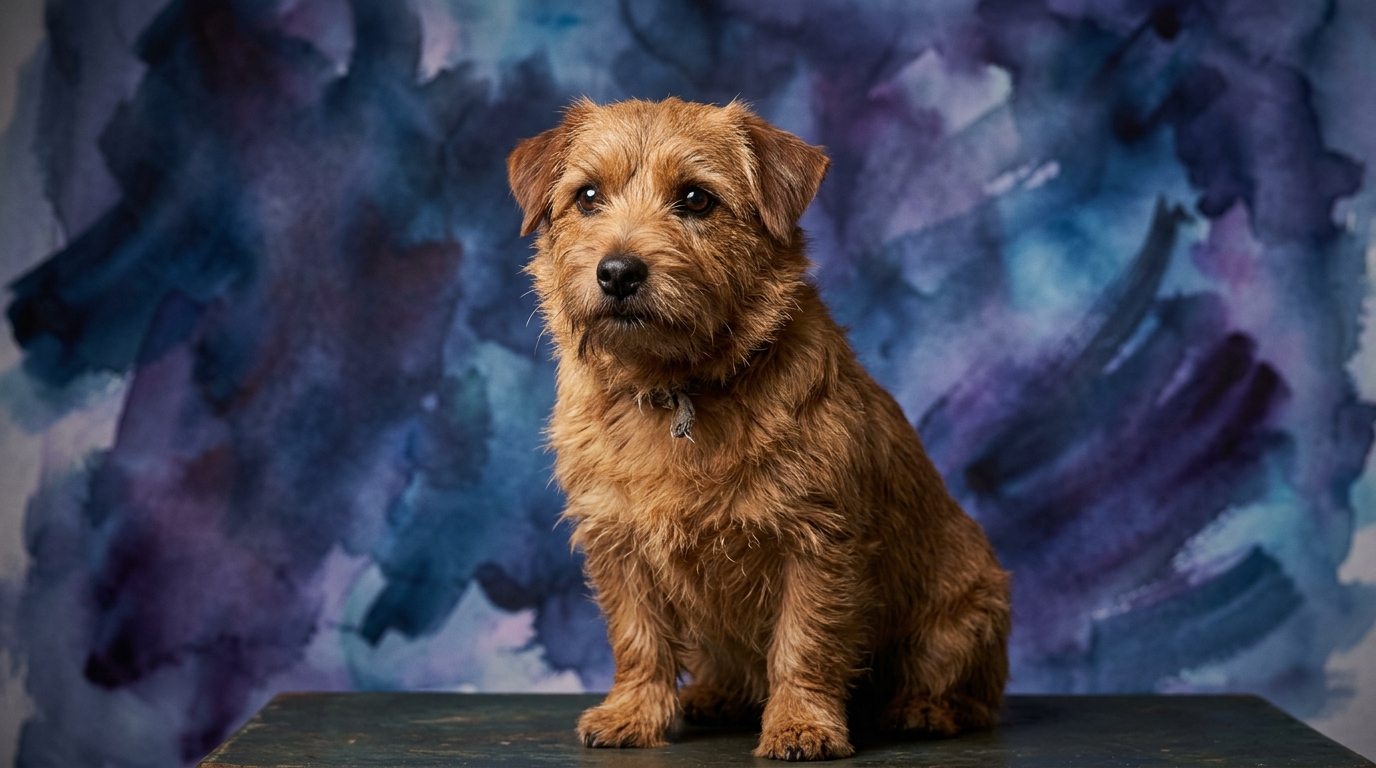
For the Norfolk Terrier, a '3/5' in **Problem Solving** often manifests in their tenacious approach to challenges, whether it's figuring out how to unearth a perceived 'intruder' or navigating a complex scent trail. Their solutions are often direct, persistent, and rooted in their earthdog heritage. **Training Speed** at 3/5 reflects their capacity to grasp commands but also their independent terrier spirit, which might lead them to weigh the 'value' of compliance against their own impulses. Their **Social Intelligence** score of 3/5 indicates they are adept at reading their family's emotions and intentions, forming strong bonds, but can be discerning or reserved with strangers. The **Instinctive Drive** at 3/5 is pronounced, evident in their strong prey drive, digging proclivity, and alert vocalizations typical of a working terrier. Finally, their **Memory** at 3/5 means they retain learned behaviors, routines, and experiences effectively, remembering where they buried a toy or the correct path on a familiar walk.
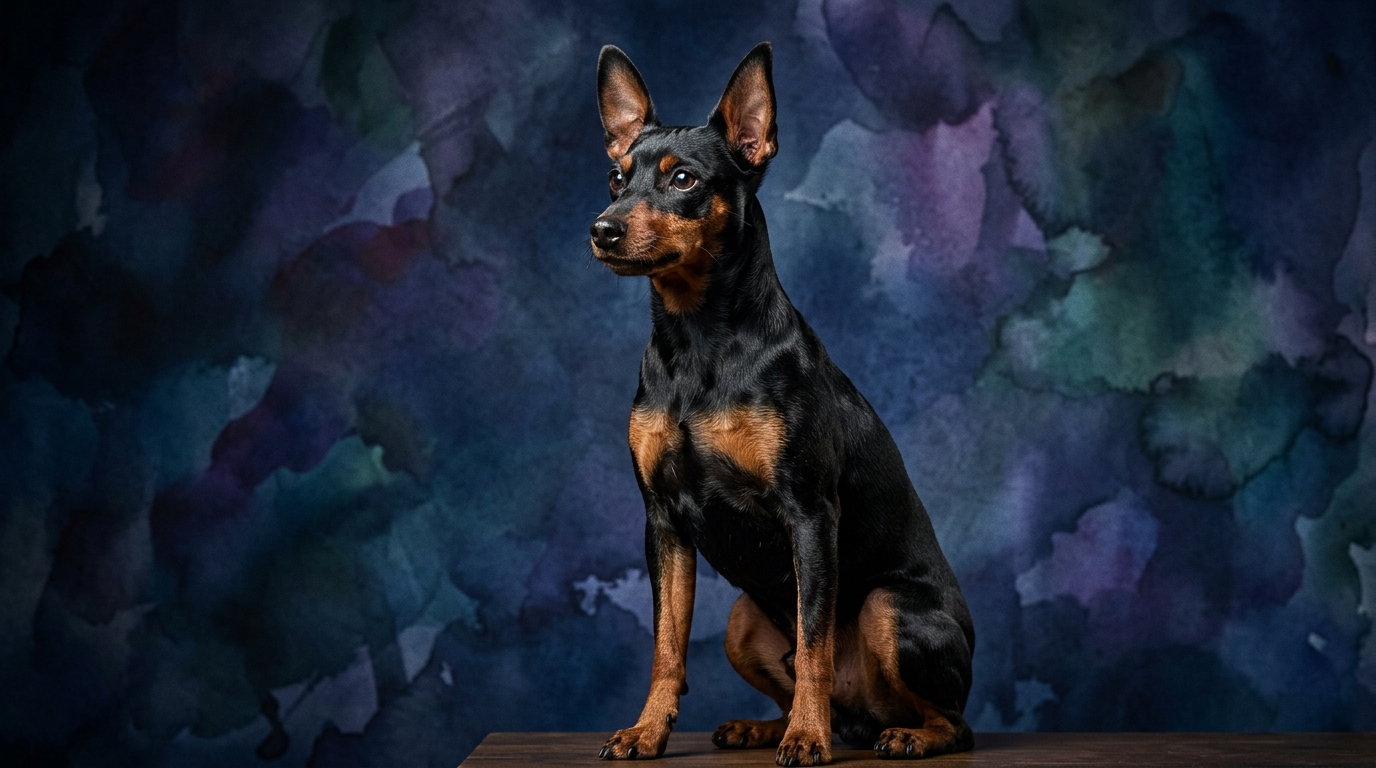
The Miniature Pinscher, too, registers a 3/5 across the board, yet their expression of these traits differs. Their **Problem Solving** at 3/5 might involve clever strategies to obtain attention or treats, or finding ingenious ways to access forbidden areas, often relying on their agility and observational skills. **Training Speed** at 3/5 shows they are capable learners, but their 'King of Toys' assertiveness and tendency towards self-direction can make consistent training a rewarding challenge. Their **Social Intelligence** (3/5) allows them to be highly attuned to their human companions, often anticipating needs or moods, and they can be quite adept at 'managing' the household dynamics to their benefit, though they may be wary of new faces. A 3/5 **Instinctive Drive** in a Min Pin is frequently seen in their vigilant guarding behavior, territorial barking, and a bold exploratory nature that belies their size. Their **Memory** at 3/5 ensures they recall commands, household rules, and the individuals who provide the best ear scratches, making them consistent in their learned behaviors and preferences.
Where the Norfolk Terrier Wins Cognitively
Despite identical raw scores, the Norfolk Terrier often showcases a distinctive cognitive edge in areas demanding sustained focus and independent thought, particularly when it aligns with their primal instincts. Their 3/5 Problem Solving, when paired with their 3/5 Instinctive Drive, translates into an unwavering determination to complete a task once it has captured their interest. For instance, a Norfolk will exhibit a remarkable tenacity in 'solving' the problem of a perceived rodent presence, meticulously tracking scents and exhibiting persistent digging, often for prolonged periods. This isn't just about initial cleverness; it's about the cognitive endurance to see a self-assigned mission through, demonstrating a robust mental fortitude that can surprise owners. Their independence, while sometimes challenging in training, also means they are less reliant on constant human direction to initiate and execute problem-solving tasks, making them adept at figuring things out on their own terms.
Where the Miniature Pinscher Wins Cognitively
The Miniature Pinscher, leveraging its 3/5 Problem Solving and Social Intelligence, tends to excel in cognitive scenarios requiring quick assessment, adaptability, and a shrewd understanding of their environment and its inhabitants. Their 'wins' often come from their ability to rapidly gauge situations and react with confident, often vocal, assertions. A Min Pin's problem-solving might involve quickly learning the most effective way to alert their owner to an approaching stranger or to manipulate social dynamics to secure a favored spot on the sofa. Their agility of mind and body allows them to explore and learn about their surroundings with a certain audacious curiosity. This breed often displays a keen awareness of household routines and the nuances of human communication, using their cognitive skills to navigate complex social structures and ensure their own comfort and position within the family unit, often with a flair of self-importance.
Which is Easier to Train and Why
When it comes to ease of training, both breeds present a moderate challenge, both scoring 3/5 in Training Speed, but for different reasons rooted in their temperaments. The Norfolk Terrier's independent and often stubborn terrier nature means they can learn commands readily, but their eagerness to comply is often conditional. They may assess whether a command serves their interest or if there's a more exciting alternative, requiring consistent, patient, and highly motivating positive reinforcement to keep them engaged. Their strong instinctive drives can also override learned behaviors if a more compelling scent or activity presents itself, making proofing commands in distracting environments a longer process. Owners need to understand that a Norfolk's '3/5' isn't about a lack of capacity, but a strong will to think for themselves.
The Miniature Pinscher, with its 'King of Toys' personality, also scores 3/5 in Training Speed, indicating they are capable of learning, but their strong self-determination and often selective hearing can make consistent obedience a journey. They are quick-witted and can pick up cues rapidly, but their confidence and sometimes dramatic flair mean they might try to push boundaries or prioritize their own agenda over a command, especially if they perceive a task as boring or unnecessary. Training a Min Pin requires a firm yet fair approach, focusing on positive reinforcement to build a strong bond and convince them that cooperation is the most rewarding path. Both breeds demand an owner who understands their individual motivations and is committed to consistent, engaging training methods to unlock their full potential.
Which Suits Active Owners vs. Relaxed Owners
The choice between a Norfolk Terrier and a Miniature Pinscher largely hinges on an owner's lifestyle and their willingness to engage with their dog's specific energy and mental needs. The Norfolk Terrier, with its robust 3/5 Instinctive Drive and independent spirit, generally suits more active owners. They thrive on purposeful activity, whether it's long walks, engaging in earthdog sports, or simply having a job to do, even if that job is diligently patrolling the yard for squirrels. They require consistent mental stimulation to prevent boredom and destructive behaviors, benefiting from puzzle toys, training sessions, and opportunities for safe exploration. A relaxed owner might find the Norfolk's persistent curiosity and drive for action a bit overwhelming, as their mental and physical needs are not easily satisfied by just lounging around.
The Miniature Pinscher, while undeniably energetic and often described as a 'big dog in a small body,' can be more adaptable to varied owner lifestyles. Their 3/5 Instinctive Drive fuels their playful antics and need for daily exercise, but they are often just as content to engage in vigorous indoor play or cuddle on the couch after a good walk. They enjoy being central to family life and can thrive with owners who provide consistent attention, short bursts of activity, and engaging mental games. While they certainly benefit from active outings, a slightly more relaxed owner who enjoys interactive play and companionship, and is prepared for their vocal alerts and confident personality, might find a Min Pin a suitable and entertaining companion. They are less about sustained outdoor 'work' and more about vibrant, interactive companionship.
The Verdict: When to Choose Each
The Verdict
Choose the Norfolk Terrier if you appreciate a dog with an independent spirit, tenacious problem-solving, and are prepared to engage their strong working drives with consistent activity and mental challenges.
Opt for the Miniature Pinscher if you desire a confident, alert companion who excels at social adaptability and thrives on being the center of attention, offering spirited companionship and quick-witted interactions.
🧠 Find Your Pet's IQ Score
Our Pet IQ Lab assessment covers 25+ tests across 5 cognitive dimensions — personalized to your breed.
Take the Full IQ Test →Frequently Asked Questions
Are Norfolk Terriers difficult to train due to their independence?
Norfolk Terriers score 3/5 in Training Speed, indicating they are capable learners but their independent nature requires consistent, positive reinforcement. They need engaging training to overcome their tendency to prioritize their own interests over commands.
Do Miniature Pinschers have a strong prey drive like terriers?
While Min Pins score 3/5 in Instinctive Drive, it manifests more as alertness, territoriality, and bold exploration rather than a strong prey drive for small vermin. They are more focused on guarding their territory and family.
Which breed is better for first-time dog owners?
Both breeds, with their 3/5 scores across the board, present moderate challenges due to their strong personalities. A first-time owner committed to consistent training and understanding of breed-specific traits could succeed with either, but should be prepared for their independent streaks.