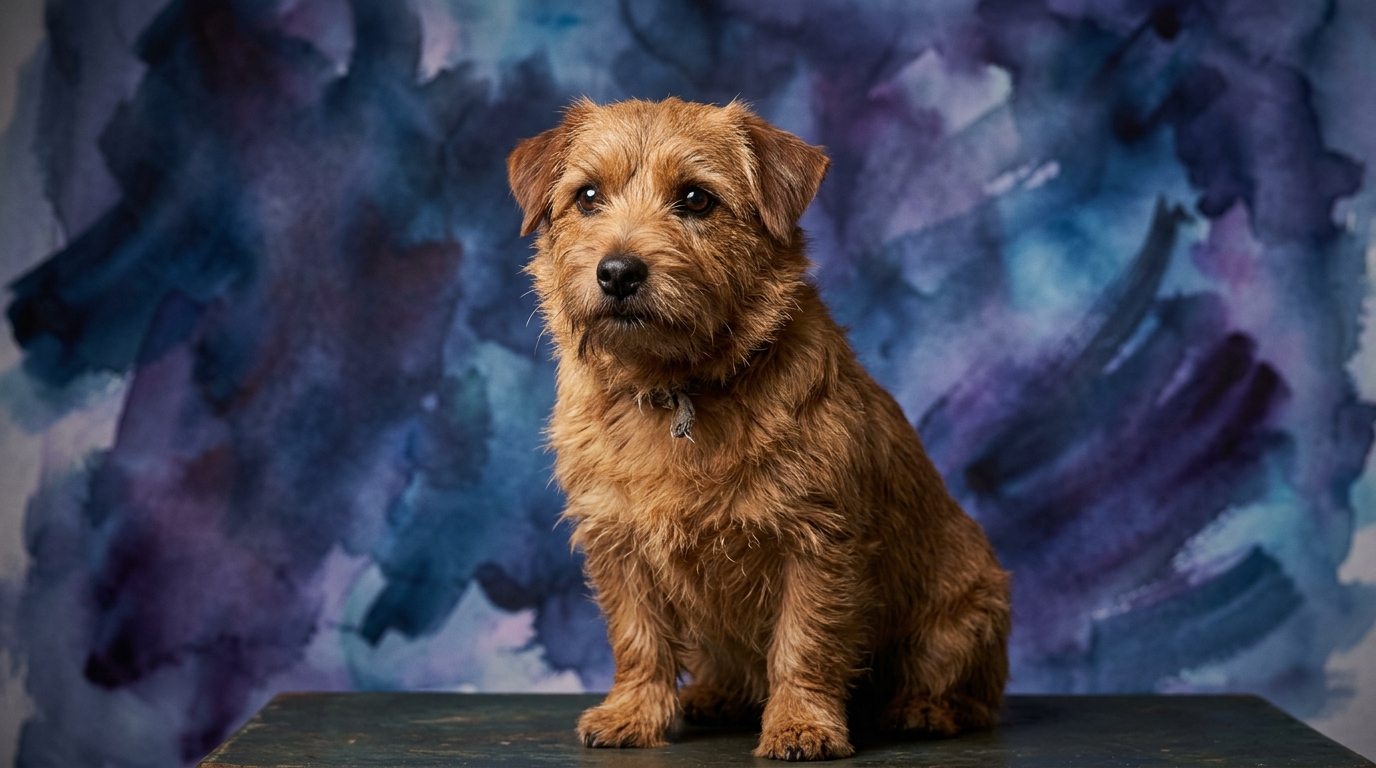
Side-by-Side IQ Profile: Norfolk Terrier
The Norfolk Terrier, a small but robust working terrier, approaches cognitive tasks with a characteristic blend of tenacity and independent thought. Their Problem Solving (3/5) manifests as persistent, practical efforts to overcome physical obstacles or pursue interests, often with a self-directed, tenacious approach to their environment. Regarding Training Speed (3/5), they learn commands at a moderate pace, but their independent terrier spirit means they often weigh compliance against their own current motivations, requiring engaging methods. Their Social Intelligence (3/5) indicates a moderate ability to interpret social cues, forming strong bonds while maintaining a bold independence that sometimes tests boundaries. The Norfolk's Instinctive Drive (3/5) is rooted in their terrier heritage, prompting moderate yet consistent urges for hunting, digging, and active exploration. Finally, their Memory (3/5) ensures solid recall for routines, commands, and past experiences, aiding their confident navigation of daily life and learned behaviors.
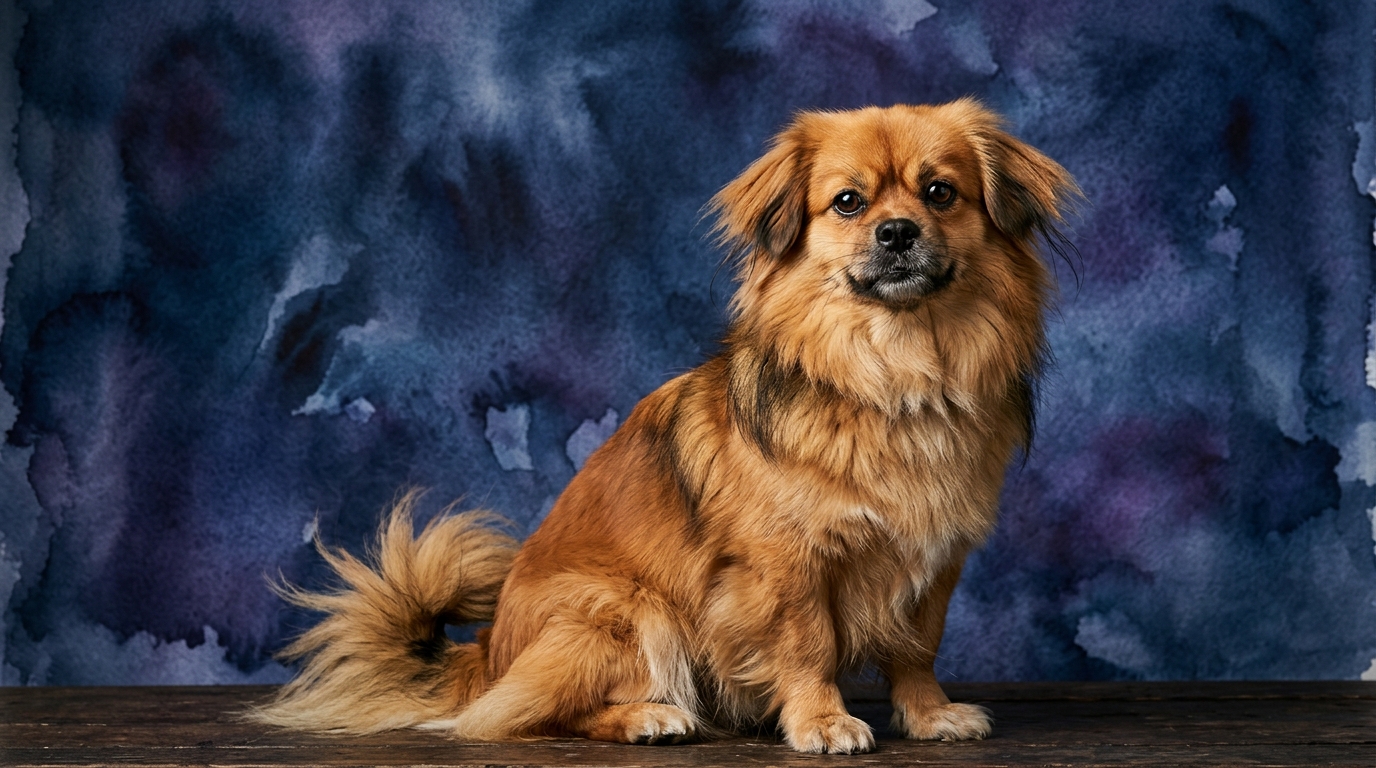
Side-by-Side IQ Profile: Tibetan Spaniel
The Tibetan Spaniel, a companion breed with ancient monastery origins, displays its cognitive strengths through perceptive observation and a desire for harmony. Their Problem Solving (3/5) involves cleverly navigating domestic challenges, often using observation and gentle manipulation to achieve desired outcomes like accessing treats or gaining attention. In terms of Training Speed (3/5), they learn commands steadily and consistently, motivated by a desire to please and positive reinforcement, making them generally biddable students. Their Social Intelligence (3/5) is a highlight, as Tibbies excel at subtly reading human emotions and social dynamics within their family, fostering deep, empathetic bonds and harmonious interactions. The Tibetan Spaniel's Instinctive Drive (3/5) centers on their historical roles of companionship and watchfulness, exhibiting moderate alertness and a desire to observe and be part of the family 'flock.' Their Memory (3/5) is reliable for routines, people, and specific events, contributing to their adaptability and calm demeanor within a familiar environment.
Where Norfolk Terrier Wins Cognitively
Despite identical scores, the Norfolk Terrier often demonstrates a more robust, independent application of its problem-solving and instinctive drive, particularly in navigating and manipulating physical environments. Their terrier heritage imbues them with a tenacious spirit to investigate, dig, and overcome obstacles without constant human direction. If faced with a new scent trail or a physical barrier, a Norfolk will employ its 3/5 problem-solving to strategize and execute a pursuit, demonstrating a self-directed ingenuity focused on environmental mastery. This manifests as a greater capacity for autonomous exploration and finding solutions to physical challenges, such as escaping a loosely latched gate or retrieving a toy from under furniture through sheer determination and physical effort.
Where Tibetan Spaniel Wins Cognitively
The Tibetan Spaniel's cognitive strengths shine in situations requiring subtle social interpretation and adaptability within a human domestic setting. While both breeds score 3/5 in social intelligence, the Tibetan Spaniel's expression of this skill often leans towards a more nuanced understanding of human social dynamics, excelling at reading subtle shifts in human mood and body language to maintain harmony or solicit comfort. Their problem-solving (3/5) is often directed towards understanding and exploiting domestic routines and gaining desired outcomes within the home environment, such as figuring out the prime spot for sunbathing or the best time to request a lap cuddle. This allows them to integrate seamlessly into family life, often becoming intuitive companions who offer comfort or quiet companionship exactly when needed.
Which is Easier to Train and Why
Assessing which breed is 'easier' to train between the Norfolk Terrier and Tibetan Spaniel is less about raw learning capacity—both share a 3/5 training speed—and more about their inherent motivations and behavioral predispositions. The Tibetan Spaniel generally presents a more straightforward training experience for the average owner. Their historical role as companions fostered a biddable nature; they are typically eager to please their human family and thrive on positive reinforcement and affection. Their social intelligence makes them highly responsive to their owner's emotional cues, and their instinctive drive is centered on being a harmonious part of the 'pack,' meaning they are less likely to be distracted by external stimuli or to assert their own agenda over a command, leading to more consistent responses.
The Norfolk Terrier, while equally capable of learning at a 3/5 pace, often requires a more experienced or patient trainer. Their terrier heritage instills a strong independent streak and a formidable prey drive (3/5 instinctive drive). They learn commands readily but may choose to obey only if it aligns with their current interest or if the reward is sufficiently compelling. Their problem-solving might be employed to find loopholes in rules or to pursue a fascinating scent rather than focusing on a training exercise. This independent thought can translate into selective hearing during training sessions, demanding consistent, firm, and engaging methods to maintain their focus and cooperation. While both breeds are trainable, the Tibetan Spaniel's inherent desire for companionship and harmony often makes for a smoother, less challenging training journey.
Which Suits Active Owners vs Relaxed Owners
The choice between a Norfolk Terrier and a Tibetan Spaniel hinges significantly on an owner's lifestyle and energy levels. The Norfolk Terrier, with its terrier classification and moderate instinctive drive (3/5), is better suited for active owners who enjoy engaging their dog in various physical and mental activities. They thrive on regular exercise, which can include brisk walks, playful romps, or training challenges that satisfy their curious and tenacious nature. Owners who appreciate a dog with a spirited, independent personality and are prepared to provide consistent outlets for their investigative instincts will find a Norfolk to be an engaging companion.
Conversely, the Tibetan Spaniel is an excellent match for more relaxed owners who appreciate a calm, attentive, and affectionate companion. Their historical role means their instinctive drive (3/5) is more about observation and companionship than vigorous activity. While they enjoy daily walks and playtime, they are generally content with moderate exercise and thrive on quiet companionship within the home. Their social intelligence makes them wonderful lap dogs and attentive family members who are highly attuned to their owner's presence. Owners seeking a loyal, gentle, and relatively low-maintenance companion who enjoys snuggling on the sofa and observing the world from a comfortable perch will find the Tibetan Spaniel to be an ideal fit.
The Verdict
Choose a Norfolk Terrier if you appreciate a spirited, independent, and tenacious companion who thrives on exploration and engagement with the world, and you are prepared to provide consistent training, ample exercise, and mental challenges.
Opt for a Tibetan Spaniel if you desire a calm, perceptive, and deeply affectionate companion who excels in social harmony and domestic adaptability, thriving on close human connection and moderate activity.
🧠 Find Your Pet's IQ Score
Our Pet IQ Lab assessment covers 25+ tests across 5 cognitive dimensions — personalized to your breed.
Take the Full IQ Test →Frequently Asked Questions
Do Norfolk Terriers or Tibetan Spaniels bark a lot?
Both breeds can be prone to barking, though for different reasons. Norfolks might bark at perceived intruders or during play due to their alert nature, while Tibetan Spaniels often bark as a warning or to express their watchfulness, fulfilling their historical role as alarm dogs. Consistent training can help manage excessive barking in both.
Are Norfolk Terriers good with children and other pets?
Norfolk Terriers can be good with older, respectful children and other pets if socialized early and properly. However, their strong prey drive means careful introductions are necessary with smaller pets, and their independent nature might make them less tolerant of rough play from very young children.
How much grooming do Tibetan Spaniels require?
Tibetan Spaniels have a double coat that requires moderate grooming. Regular weekly brushing, typically 2-3 times, is needed to prevent mats and reduce shedding, with more frequent brushing during seasonal shedding periods. They are generally clean dogs, but their coat needs attention to stay healthy and comfortable.