Side-by-Side Cognitive Profiles: Herding Wit vs. Scenting Prowess
The Cosmic Pet Pet IQ Lab assesses five key cognitive dimensions, and both the Norwegian Buhund and the Black and Tan Coonhound share a 3/5 rating in each. This suggests a foundational competence, but the *application* of this competence is where their paths diverge significantly, shaped by centuries of selective breeding for specific tasks. Understanding these nuances requires looking beyond the numbers to their inherited predispositions.
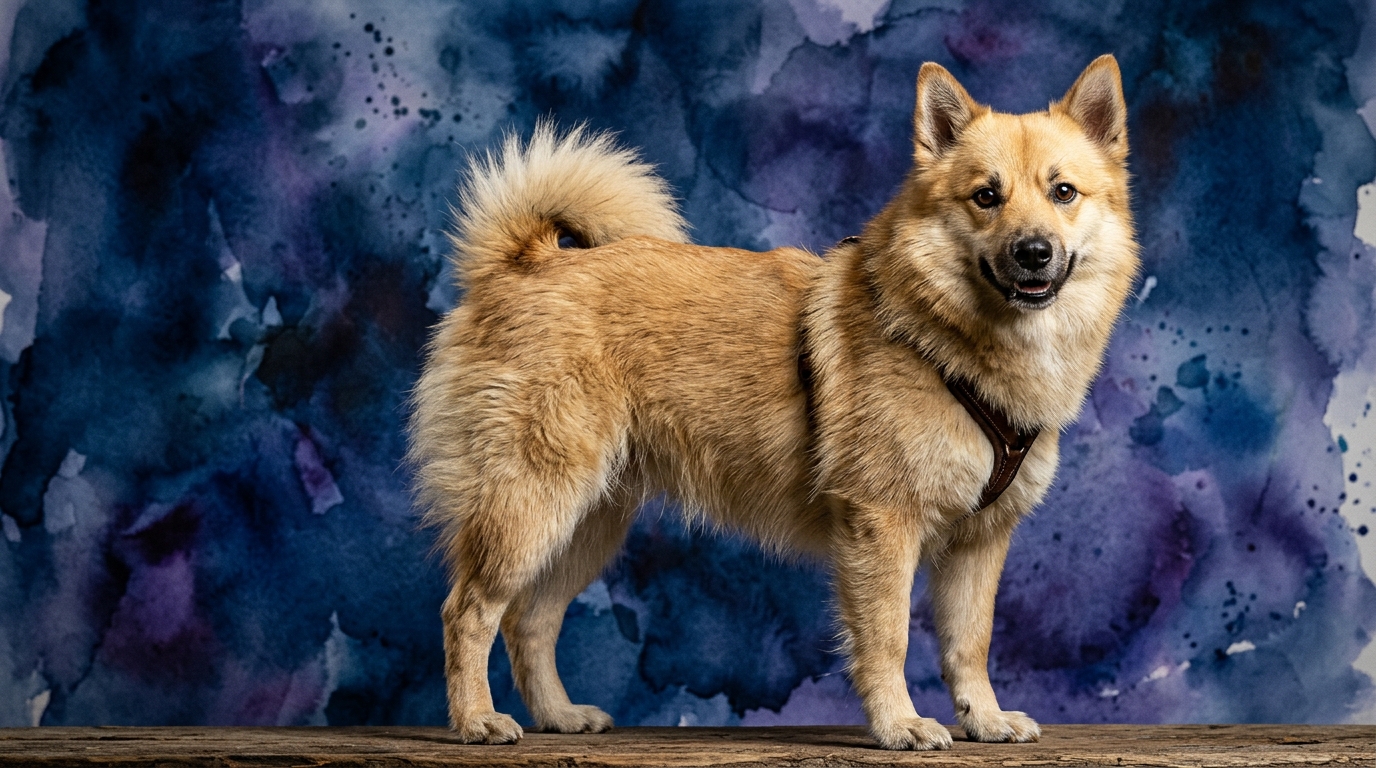
For the **Norwegian Buhund**, a breed rooted in herding and farm guardianship, their cognitive scores manifest in a particular way. Their **Problem Solving (3/5)** centers on dynamic situations, such as anticipating the movement of livestock, navigating complex terrain to gather a flock, or finding creative solutions to protect their charges. This isn't about brute force, but quick, adaptive thinking. **Training Speed (3/5)** reflects their eagerness to engage with a handler, learning commands and routines efficiently for cooperative work, often with an eye towards precision in their tasks. Their **Social Intelligence (3/5)** extends to understanding the subtle cues of both humans and animals, fostering effective communication within a working partnership or family unit. The **Instinctive Drive (3/5)** is strongly tied to their herding impulse, a persistent urge to gather and watch, coupled with an alert vigilance. Finally, their **Memory (3/5)** is adept at recalling sequences of commands, the layout of their territory, and the habits of their flock or family members, contributing to their reliability as a working companion.
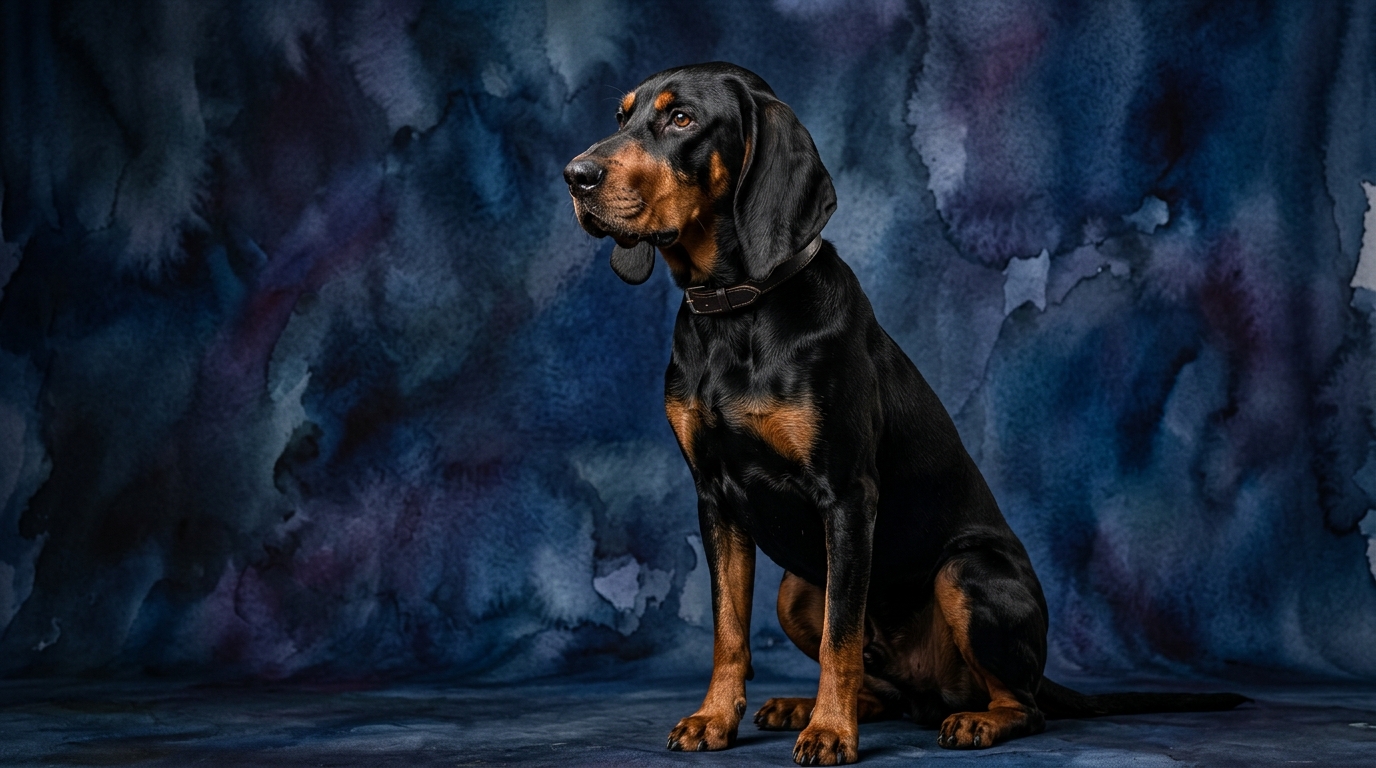
In contrast, the **Black and Tan Coonhound**, bred for tracking game over long distances, interprets these same scores through a different lens. Their **Problem Solving (3/5)** is a testament to their unwavering persistence in deciphering complex scent trails, navigating challenging environments like dense undergrowth or rocky terrain, and overcoming obstacles to reach their quarry. This problem-solving is often independent and sustained. **Training Speed (3/5)** for the Coonhound is often excellent for tasks that align with their powerful olfactory drive, such as scent discrimination or tracking games, but may require more patience and creative motivation for obedience commands that compete with a captivating scent. Their **Social Intelligence (3/5)** is geared towards pack dynamics, understanding hierarchy within a group of hounds or communicating their findings effectively during a hunt; it's less about constant human direction and more about cooperative independence. The **Instinctive Drive (3/5)** is overwhelmingly dominated by their remarkable sense of smell and the pursuit of a scent, a deep-seated urge that can override other impulses. Their **Memory (3/5)** is exceptionally tuned to recalling specific scent patterns, successful hunting grounds, and the intricate details of a trail, allowing them to pick up a cold scent hours later with remarkable accuracy.
Where the Norwegian Buhund Shines Cognitively
The Norwegian Buhund's cognitive strengths distinctly lie in their capacity for cooperative, real-time problem-solving and their responsiveness to human direction. Their herding heritage has honed their ability to process multiple pieces of information simultaneously—the handler's commands, the movement of the flock, and environmental factors—to make swift, effective decisions. This makes them particularly adept at tasks requiring agility, precise execution of learned behaviors, and dynamic adjustments based on feedback from their environment and handler. For instance, a Buhund might excel at competitive obedience or agility, where quick learning, memory of complex sequences, and a desire to work in sync with their human are paramount. Their social intelligence is finely tuned to human interaction, making them excellent communicators and partners in structured activities. Their problem-solving often involves strategy in managing groups, anticipating actions, and maintaining order, which translates well into managing a household or navigating new challenges with their human companion.
Where the Black and Tan Coonhound Excels Cognitively
The Black and Tan Coonhound's cognitive prowess is unequivocally centered on their scenting abilities and their remarkable independence in pursuit. Their problem-solving is a masterclass in sustained focus and deductive reasoning through olfactory input. They can unravel a complex scent puzzle, ignoring visual distractions and navigating challenging terrain for hours, a feat of mental endurance and singular determination. This cognitive strength translates into an unparalleled ability to track and discriminate scents, making them exceptional candidates for scent work, search and rescue, or detection roles. Their memory is not just for commands, but for the intricate tapestry of scents, allowing them to recall specific trails or targets with incredible precision. While they appreciate companionship, their social intelligence is often expressed through an independent drive to complete a task, communicating success rather than constantly seeking direction. A Coonhound's cognitive victories are often solitary triumphs of the nose and an unyielding will to follow a path unseen by human eyes.
Training Dynamics: Partnering with a Buhund vs. Motivating a Coonhound
When considering ease of training, the Norwegian Buhund generally presents a more straightforward experience for conventional obedience and trick training. Their historical role as a herding dog instilled a strong desire to work *with* their human handler, making them inherently eager to please and responsive to commands. Their 3/5 training speed is often amplified by their attentiveness and their enjoyment of structured learning sessions, especially when positive reinforcement is used. They thrive on clear direction and consistent expectations, quickly understanding what is asked of them and remembering sequences of commands. Behavioral differences, such as their natural inclination to stay close and be watchful, contribute to their amenability in training, as they are less likely to become distracted by distant stimuli.
Conversely, the Black and Tan Coonhound, while possessing the same 3/5 training speed, can be more challenging for general obedience due to their profound instinctive drive. Once their nose is engaged, their world shrinks to the scent trail, making it incredibly difficult to redirect their attention. Their independence, a valuable trait in a lone hunter, means they are not always looking to their handler for guidance in the same way a Buhund is. Training a Coonhound requires immense patience, creativity, and a deep understanding of their motivations. While they can learn commands, their recall might be unreliable if a compelling scent is present, and their focus on a task (like tracking) can make other demands seem secondary. Real behavioral differences, such as their inclination to follow their nose for miles and their distinctive baying voice, require owners to adapt training methods to work *with* their instincts rather than against them, perhaps by incorporating scent games into their routine to make training more engaging for them.
Lifestyle Match: Active Engagement vs. Independent Exploration
Choosing between these two breeds also means aligning with their distinct activity requirements and temperaments. The Norwegian Buhund is an excellent match for active owners who seek an engaged, participatory companion. Their herding background means they thrive on having a 'job,' whether that's competitive dog sports like agility, herding trials, or simply being involved in daily household routines. They are watchful and alert, requiring consistent mental stimulation to prevent boredom, which can manifest as barking or destructive behaviors. They are generally not suited for relaxed owners who prefer a sedentary lifestyle, as their moderate energy and keen intelligence demand an outlet for their physical and mental capacities. They enjoy being at the center of family life and participating in activities.
The Black and Tan Coonhound also requires an active owner, but the nature of that activity differs. They are best suited for individuals or families who appreciate a dog with an independent spirit and a profound love for the outdoors, particularly for scent-driven activities. Long, leashed walks or secure, fenced areas where they can indulge their powerful nose are crucial. While they can be calm and relaxed indoors *after* sufficient exercise and mental stimulation, their deep, resonant baying voice and their tendency to follow a scent wherever it leads means they are not ideal for owners seeking a quiet, low-maintenance companion. They need owners who are patient with their independent streak and willing to provide consistent, engaging outlets for their natural tracking instincts. Neither breed is for a truly 'relaxed' owner, but the *type* of active engagement each requires is distinct: the Buhund for cooperative tasks, the Coonhound for independent scent exploration.
The Verdict
Choose the Norwegian Buhund if you desire an alert, cooperative, and highly engaged partner for active sports, structured training, and consistent family involvement.
Opt for the Black and Tan Coonhound if you are a patient, outdoors-loving owner who appreciates an independent spirit, a powerful nose, and is willing to embrace their passion for scent work.
🧠 Find Your Pet's IQ Score
Our Pet IQ Lab assessment covers 25+ tests across 5 cognitive dimensions — personalized to your breed.
Take the Full IQ Test →Frequently Asked Questions
How can two breeds have identical IQ scores but be so different?
The identical 3/5 scores indicate a similar baseline cognitive capacity, but their breed-specific histories dictate *how* these capacities are applied. A Buhund's problem-solving might focus on flock management, while a Coonhound's targets complex scent trails, demonstrating the same cognitive level through different behavioral outputs.
Are Norwegian Buhunds and Black and Tan Coonhounds good family dogs?
Both can be good family dogs, but with different considerations. Buhunds, with their social intelligence and desire to be involved, often integrate well into active family life, being watchful and playful. Coonhounds, while affectionate, may exhibit more independence and require consistent outlets for their scent drive, and their baying can be a factor in quieter households.
What are the primary exercise needs for each breed?
The Norwegian Buhund needs daily mental stimulation and physical exercise like brisk walks, agility, or engaging play to satisfy their herding drive. The Black and Tan Coonhound requires long, consistent opportunities to use their nose, such as tracking walks in secure areas, alongside regular physical activity, to fulfill their strong instinctive drive.