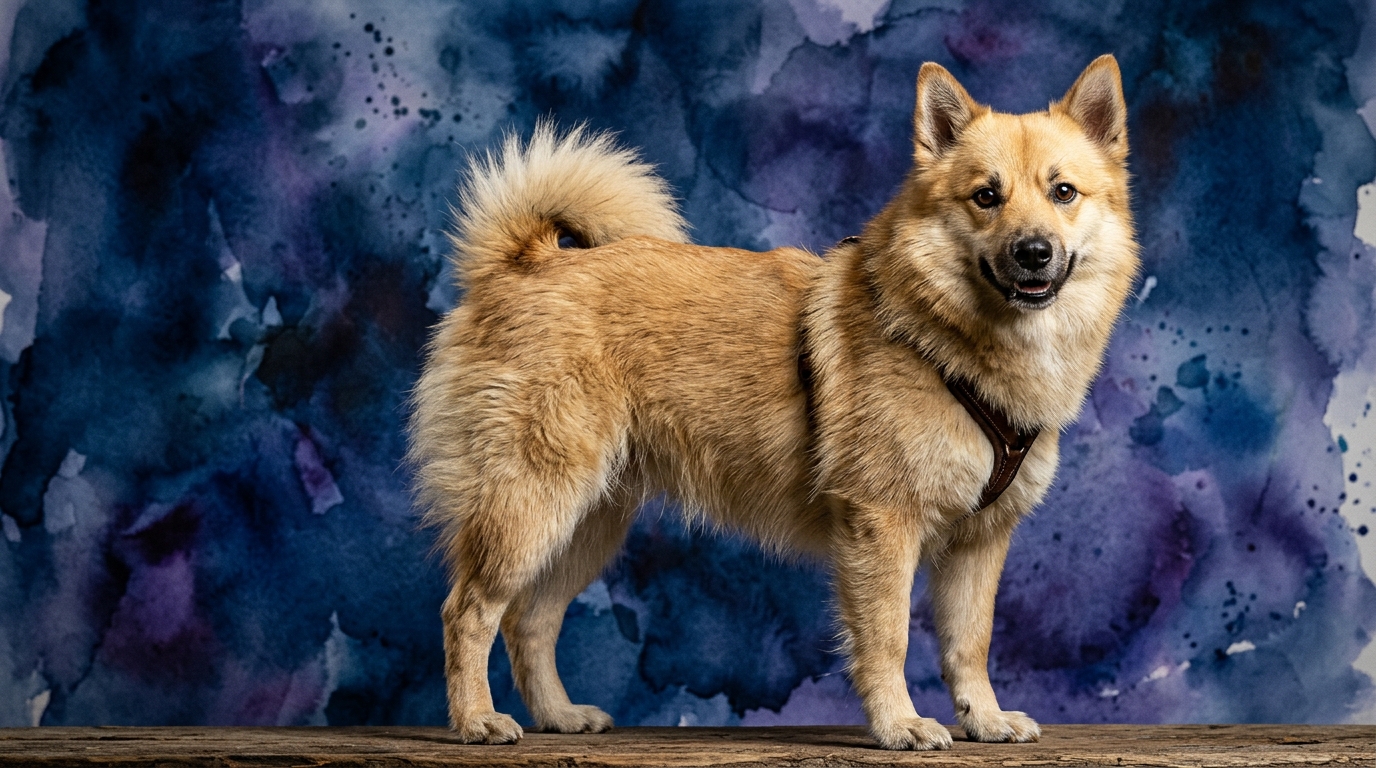
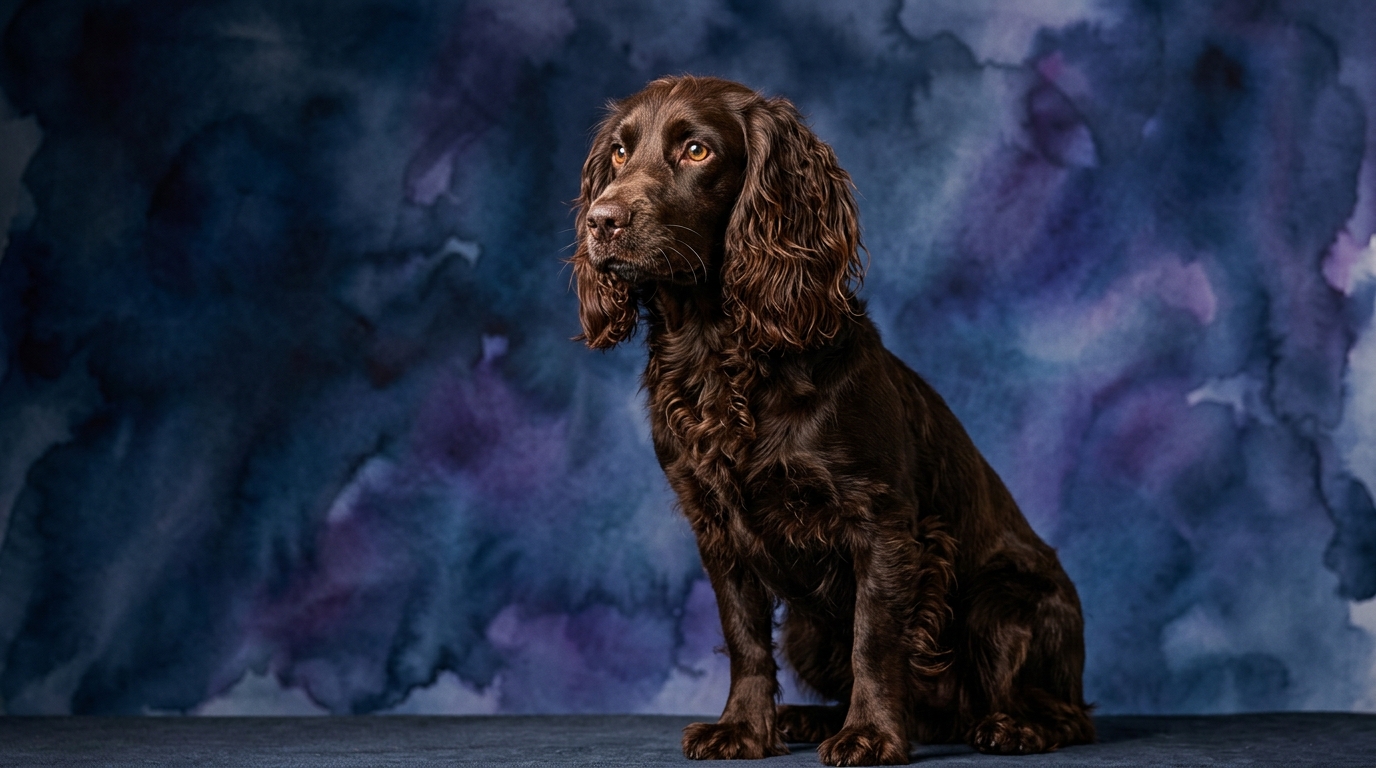
Side-by-Side Cognitive Profiles: Decoding the 3/5 Score
While both the Norwegian Buhund and the Boykin Spaniel score a balanced 3 out of 5 in problem-solving, training speed, social intelligence, instinctive drive, and memory, this numerical parity masks significant qualitative differences rooted in their breed-specific evolutionary paths. A "3/5" indicates a capable, adaptable, and generally responsive dog, but the application of these traits varies dramatically depending on whether a dog was bred to manage livestock or retrieve game.
For the Norwegian Buhund, a 3/5 in problem-solving often manifests as an ability to independently assess and react to dynamic situations within a flock, perhaps finding a stray lamb or guiding animals through a gate without direct human command. Their problem-solving is often rooted in strategic, spatial reasoning and a proactive approach to potential challenges. In contrast, the Boykin Spaniel's 3/5 in problem-solving typically shines in scenarios requiring focused persistence and adaptability, such as locating a downed bird in dense cover or navigating complex scent trails, often involving intricate sensory processing and sequential task completion.
A 3/5 training speed for the Buhund means they grasp new commands and routines with moderate repetition, demonstrating a willingness to learn but often with a desire to understand the purpose behind the command. They can be thoughtful learners, sometimes requiring motivation that appeals to their desire for partnership or a sense of "job" satisfaction. The Boykin Spaniel's 3/5 training speed is often characterized by an eager-to-please attitude combined with a strong work ethic, making them generally responsive to positive reinforcement and quick to associate actions with rewards, particularly when the tasks align with their natural retrieving and hunting instincts.
The Norwegian Buhund's 3/5 social intelligence is evident in their astute observation of human emotions and their ability to form strong, communicative bonds within their family unit, sometimes acting as a watchful guardian who understands subtle cues. They can be discerning in new social situations, often taking time to assess new individuals or situations before fully engaging. The Boykin Spaniel, with its 3/5 social intelligence, tends to exhibit a more overt eagerness for human interaction and cooperation, thriving on being a partner in activities and often displaying a remarkable ability to read a handler's intentions in a working context, such as anticipating a retrieve direction.
The 3/5 instinctive drive of the Buhund is heavily influenced by its herding heritage, manifesting as a strong desire to gather, control, and protect, often expressed through circling, "eyeing," and sometimes vocalizations. This drive requires appropriate outlets to prevent misdirection. For the Boykin Spaniel, a 3/5 instinctive drive is overwhelmingly geared towards its sporting purpose, encompassing a powerful prey drive, an innate desire to retrieve, and exceptional scenting abilities, all of which fuel an intense focus and stamina in the field.
Both breeds possess a 3/5 memory, indicating a solid capacity to retain learned commands, routines, and experiences. For the Buhund, this might translate to remembering complex herding patterns, the layout of a familiar territory, or the specific habits of family members. The Boykin Spaniel's memory often shines in recalling specific scent profiles, the location of previously retrieved objects, or intricate sequences of commands required for advanced field work, indicating a memory finely tuned to sensory and task-oriented information.
Where the Norwegian Buhund Wins Cognitively
The Norwegian Buhund's cognitive strengths truly stand out in scenarios demanding independent thought and proactive management, a direct inheritance from their herding lineage. Their 3/5 problem-solving often leans into strategic thinking, allowing them to anticipate and mitigate issues without constant human direction, making them adept at tasks requiring a degree of autonomy and decision-making. This capacity for self-directed action means they often excel in dynamic, less structured environments where they are expected to "figure things out" on their own.
Furthermore, their social intelligence, while rated 3/5, can manifest as a nuanced understanding of social dynamics within a family or group, enabling them to act as sensitive communicators and observant guardians. They often possess a keen ability to read subtle environmental cues and human moods, responding thoughtfully rather than reactively. This depth of social awareness, combined with their instinctive drive to protect and gather, makes them particularly strong in roles where they are expected to be both a companion and a vigilant, thoughtful sentinel.
Where the Boykin Spaniel Wins Cognitively
The Boykin Spaniel's cognitive advantages are most pronounced in tasks requiring sustained focus, cooperative partnership, and the application of highly developed sensory skills, all hallmarks of a dedicated sporting dog. Their 3/5 problem-solving is often characterized by tenacious pursuit of a goal, especially when it involves scent work or retrieval, demonstrating an impressive ability to overcome obstacles to complete a task. This breed excels when presented with a clear objective that aligns with their innate drives, showcasing remarkable persistence and efficiency.
The Boykin's 3/5 training speed, coupled with their strong desire to please and their inherent work ethic, often translates into an exceptional capacity for specialized skill acquisition in fields like obedience, agility, and particularly, advanced field trials. Their social intelligence is finely tuned to human-dog teamwork, making them highly responsive to handler cues and eager to collaborate. This combination allows them to quickly master complex sequences of commands and execute them with precision and enthusiasm, making them outstanding partners in any activity requiring close cooperation and a shared purpose.
Which is Easier to Train and Why
When considering ease of training, both breeds, with their 3/5 training speed, are capable learners, but the "ease" is highly dependent on the training approach and the specific goals. The Boykin Spaniel often presents as "easier" for owners who appreciate a dog with an inherent eagerness to please and a strong drive to work with their human. Their powerful retrieve drive and biddability make them highly motivated by positive reinforcement, especially when treats or toys are involved, and they typically thrive on consistent, clear instruction in a partnership role.
The Norwegian Buhund, while equally capable of learning, can sometimes require a more nuanced approach. Their herding background instills a degree of independent thought and an inclination to question or assess situations, meaning they might not always follow a command simply because it was given. Training a Buhund often involves channeling their strong instinctive drive and problem-solving abilities into desired behaviors, which can require more creativity and patience from the handler to make tasks feel like a collaborative "job" rather than just an instruction. This means while the Boykin often aims to please, the Buhund seeks purpose and understanding in their training.
Which Suits Active Owners vs. Relaxed Owners
Neither the Norwegian Buhund nor the Boykin Spaniel is ideally suited for genuinely "relaxed" owners who prefer minimal activity. Both breeds are firmly in the active category, but their energy outlets differ. The Norwegian Buhund thrives with owners who can provide consistent mental engagement and physical exercise that taps into their herding instincts. This means long walks, hikes, agility, herding games, or even canine sports like rally obedience where they can use their strategic thinking and problem-solving skills. They require daily structure and activities that challenge their minds as much as their bodies, otherwise, their independent nature can lead to self-directed (and potentially destructive) entertainment.
The Boykin Spaniel is also a high-energy breed, but their activity needs are often more focused on intense bursts of physical exertion, particularly involving retrieving, swimming, and scent work. Owners who enjoy hunting, participate in field trials, or are keen on activities like dock diving, long-distance fetching, and trail running will find a devoted partner in a Boykin. Their stamina and drive mean they can go for hours, and without sufficient physical output, their energy can become misdirected. Therefore, active owners who enjoy structured, task-oriented play or outdoor adventures will find both breeds rewarding, but the type of activity is key to satisfying their distinct needs.
The Verdict
Choose the Norwegian Buhund if you seek a thoughtful, independent partner who thrives on mental challenges, enjoys strategic games, and can be a vigilant, communicative guardian. This breed suits owners who can provide consistent mental engagement and appreciate a dog with a strong sense of purpose.
Opt for the Boykin Spaniel if you desire an enthusiastic, cooperative companion for active outdoor pursuits, particularly those involving retrieving, swimming, or scent work, and value a dog with a powerful drive to work alongside its human. They are ideal for owners who can channel intense physical energy into structured activities.
🧠 Find Your Pet's IQ Score
Our Pet IQ Lab assessment covers 25+ tests across 5 cognitive dimensions — personalized to your breed.
Take the Full IQ Test →Frequently Asked Questions
Do Norwegian Buhunds and Boykin Spaniels require similar amounts of exercise?
Both breeds are active and require substantial daily exercise, but the type differs. Buhunds benefit from varied activities that engage their minds and bodies like agility or herding games, while Boykins need intense physical outlets like retrieving, swimming, or long runs.
Can a Norwegian Buhund or Boykin Spaniel live in an apartment?
While possible, neither breed is ideal for apartment living without a highly dedicated owner committed to providing extensive daily exercise and mental stimulation outside the home. Both thrive with access to a secure yard and opportunities for expansive outdoor activity.
Are these breeds good with children and other pets?
Both can be good with children and other pets with proper socialization from a young age. Buhunds are generally watchful and good-natured, while Boykins are typically eager and playful, though their strong prey drive might require careful introductions to very small pets.