Side-by-Side Cognitive Profiles
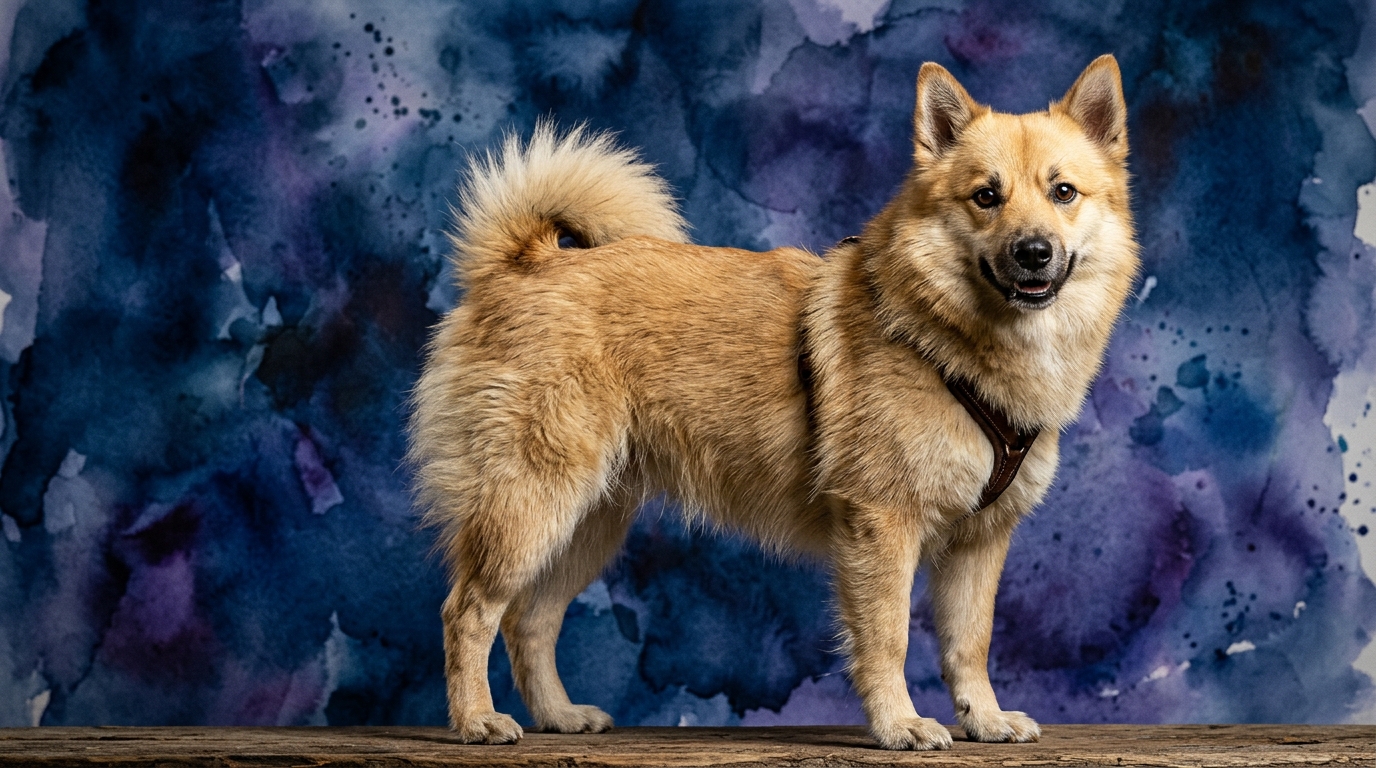
The Cosmic Pet Pet IQ Lab employs a five-dimensional framework to assess canine cognition, offering a granular view beyond general perceptions. For the Norwegian Buhund, a versatile Nordic herding dog, we see a balanced profile with consistent scores across the board. Their Problem Solving, Training Speed, Social Intelligence, Instinctive Drive, and Memory are all rated at 3 out of 5, indicating a competent and adaptable mind.
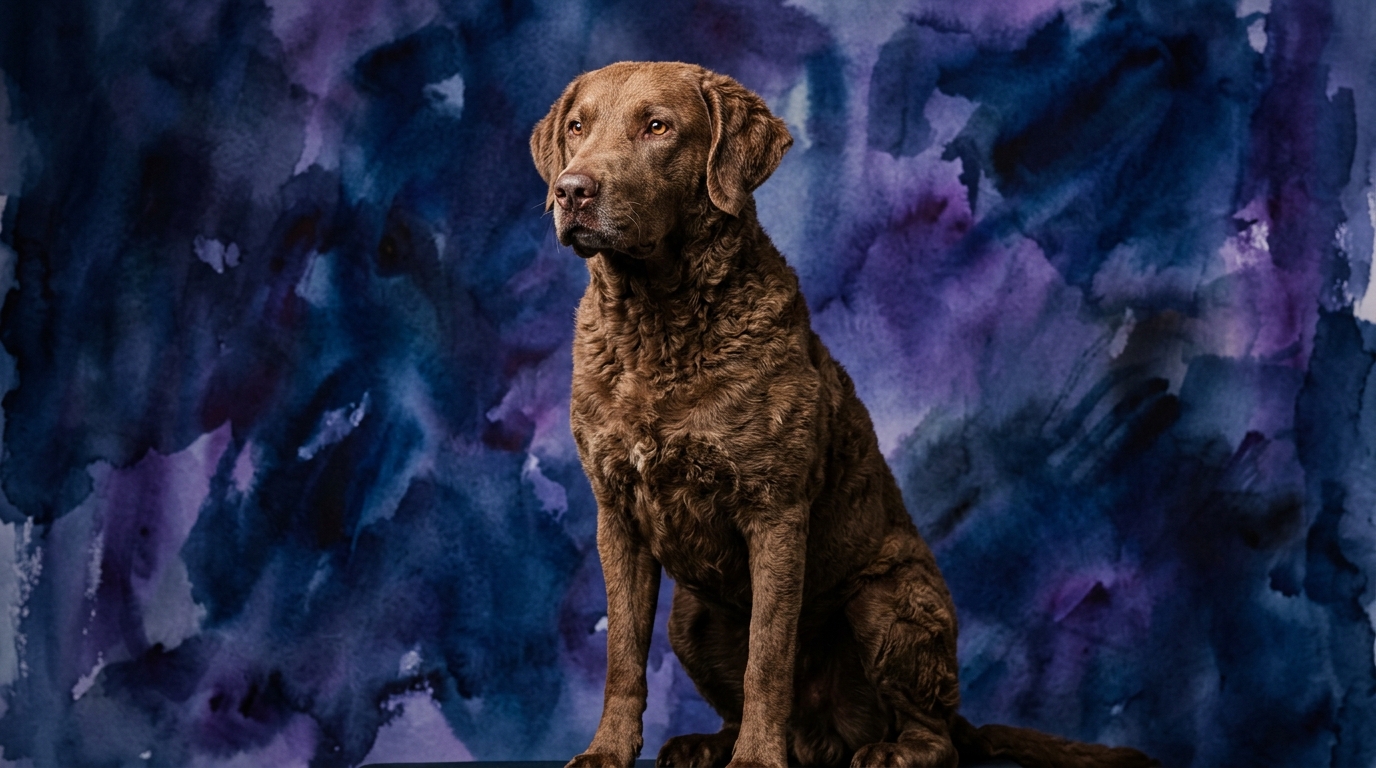
In contrast, the Chesapeake Bay Retriever, a robust Sporting breed, demonstrates a slightly more specialized cognitive lean. This breed registers a 4 out of 5 for Problem Solving, Training Speed, and Memory, while their Social Intelligence and Instinctive Drive stand at 3 out of 5. This quantitative difference suggests areas where the Chessie might exhibit a more pronounced aptitude for certain types of cognitive challenges compared to the Buhund.
Delving into the specifics for the Norwegian Buhund, a 3/5 in Problem Solving reflects an ability to make independent decisions in dynamic herding scenarios, often requiring quick adjustments rather than complex, multi-step planning. Their 3/5 Training Speed indicates they are receptive to learning, though perhaps with a characteristic independent streak that requires consistent, engaging methods. Social Intelligence at 3/5 points to an awareness of human cues and a capacity for bonding, balanced with their self-reliant nature. An Instinctive Drive of 3/5 underscores their herding impulse, but not an overwhelming single-mindedness. Finally, their 3/5 Memory suggests a reliable capacity for retaining learned commands and routines, sufficient for their traditional tasks.
For the Chesapeake Bay Retriever, the 4/5 in Problem Solving highlights a capacity for navigating intricate environments to retrieve game, often requiring strategic thinking and overcoming obstacles. Their 4/5 Training Speed speaks to a pronounced eagerness to learn and a rapid uptake of new commands, often driven by a strong desire to work alongside their handler. Social Intelligence at 3/5 suggests a deep connection with their primary human companions, though they can be reserved or discerning with strangers, reflecting their protective instincts. Their Instinctive Drive, also at 3/5, is strongly focused on retrieving and water work, a powerful internal motivation. The 4/5 Memory score indicates an exceptional ability to recall complex sequences, such as multiple fall locations in a retrieving field, or intricate obedience routines.
Where the Norwegian Buhund Cognitively Excels
The Norwegian Buhund's cognitive strengths often manifest in their nuanced approach to dynamic, unpredictable situations, particularly those rooted in their herding heritage. While their Problem Solving is rated 3/5, this score reflects a practical, real-time decision-making ability crucial for managing livestock. They excel at reading subtle environmental cues and adapting their strategy on the fly, a form of situational problem-solving that might appear less flashy than complex puzzle-solving but is highly effective in their original role. This involves assessing the movement of animals, anticipating their direction, and adjusting their position without constant human direction.
Furthermore, the Buhund's balanced cognitive profile allows for a versatile application of their mental faculties. Their 3/5 Social Intelligence, combined with their 3/5 Instinctive Drive, means they can be attuned to their handler while also exercising independent judgment when necessary. This balance fosters a dog that can operate autonomously yet remains deeply connected to its human family, making them adept at various dog sports like agility, where they must interpret courses quickly, or rally obedience, which requires both focus and independent action. Their cognitive strength lies in their adaptable mental framework, allowing them to pivot between tasks requiring different levels of initiative and teamwork.
Where the Chesapeake Bay Retriever Cognitively Excels
The Chesapeake Bay Retriever's cognitive prowess truly shines in tasks demanding precision, sustained focus, and superior recall, evidenced by their 4/5 scores in Problem Solving, Training Speed, and Memory. Their Problem Solving ability allows them to meticulously plan a route through dense cover or icy water to retrieve an object, often remembering multiple 'falls' and executing the retrieves in a specific order. This isn't just about raw drive; it’s about applying strategic thought to achieve a complex goal, demonstrating a higher capacity for multi-step cognitive processing.
The Chessie's exceptional Memory (4/5) is a cornerstone of their working ability, enabling them to retain vast amounts of information, from the location of multiple retrieves to an extensive repertoire of commands and hand signals. This makes them particularly adept at advanced obedience, field trials, and search and rescue work where long-term retention of complex patterns and cues is paramount. Coupled with their 4/5 Training Speed, which reflects a keen desire to engage and learn quickly from their handlers, the Chessie demonstrates a remarkable capacity for structured learning and task mastery, making them incredibly proficient at specialized working roles.
Ease of Training: Buhund vs. Chessie
When considering ease of training, the Chesapeake Bay Retriever generally presents a more straightforward path for many owners. Their 4/5 Training Speed score is a significant indicator; they tend to grasp new commands and concepts rapidly, often displaying a strong desire to please their handler and work cooperatively. This eagerness, combined with their 4/5 Memory, means that once a command is learned, it is typically retained effectively, making repetition efficient and progress swift. Chessies often thrive on consistent, structured training that leverages their natural retrieving instincts and their capacity for sequential learning, translating into a dog that can become highly proficient in complex tasks with dedicated effort.
The Norwegian Buhund, with its 3/5 Training Speed, may require a more nuanced and patient approach. While responsive, their herding background instilled a degree of independent thought and self-reliance, which can sometimes be perceived as a stubborn streak if training isn't engaging and varied. Owners might find that Buhunds respond best to positive reinforcement techniques that make learning a game, rather than rote drills. Their independent nature means they might question a command or try to find a 'better' way, which, while a sign of problem-solving in their original context, can slow down obedience training if not managed effectively. Success with a Buhund hinges on creativity, consistency, and building a strong, trusting partnership.
Suitability for Active vs. Relaxed Owners
Neither the Norwegian Buhund nor the Chesapeake Bay Retriever are suited for truly relaxed, sedentary owners; both are working breeds with substantial exercise and mental stimulation requirements. However, their specific needs cater to different types of active lifestyles. The Chesapeake Bay Retriever, with its powerful drive and exceptional memory, thrives with owners who are committed to structured, high-intensity activities. This might include regular hunting trips, competitive dog sports like advanced obedience or field trials, or strenuous outdoor adventures such as long hikes, swimming, or running. They need a job to do and excel when their mental and physical energies are channeled into purposeful activities, making them ideal for dedicated, task-oriented active owners.
The Norwegian Buhund, while equally active, may suit owners who prefer a more varied and less rigidly structured form of engagement. Their balanced IQ profile makes them versatile companions for a range of activities, from agility and flyball to hiking, trick training, and even therapy work. While they need daily exercise, their independent problem-solving and social intelligence allow them to adapt well to different family activities, rather than requiring a singular, intense focus on one task. They thrive with owners who appreciate an intelligent, engaged companion for diverse adventures and mental challenges, rather than those seeking a highly specialized working partner.
The Verdict: When to Choose Each Breed
The Verdict
Choose the Norwegian Buhund if you appreciate a versatile, independent thinker who excels in diverse activities and thrives on varied mental stimulation, requiring an owner willing to engage with a clever, sometimes opinionated, companion.
Opt for the Chesapeake Bay Retriever if you are a dedicated, active owner seeking a highly trainable, focused partner for demanding outdoor adventures, competitive dog sports, or a specific working role where precision, memory, and drive are paramount.
🧠 Find Your Pet's IQ Score
Our Pet IQ Lab assessment covers 25+ tests across 5 cognitive dimensions — personalized to your breed.
Take the Full IQ Test →Frequently Asked Questions
Which breed is better for first-time dog owners?
Neither breed is typically recommended for novice owners due to their strong working drives and intelligence. However, a Chesapeake Bay Retriever might be slightly more manageable for a committed first-timer willing to invest heavily in structured training, given their higher Training Speed and eagerness to please.
Do these breeds get along with children?
Both breeds can be good family dogs with proper socialization and training from a young age. Chesapeake Bay Retrievers are known for being devoted to their families but can be reserved with strangers, while Norwegian Buhunds are generally friendly and adaptable, but their herding instincts might lead them to 'herd' small children if not redirected.
What kind of mental stimulation do these breeds need?
Norwegian Buhunds thrive on varied mental challenges like puzzle toys, trick training, and dog sports that engage their independent problem-solving skills. Chesapeake Bay Retrievers excel with tasks that leverage their memory and drive, such as complex retrieving games, scent work, and advanced obedience training.