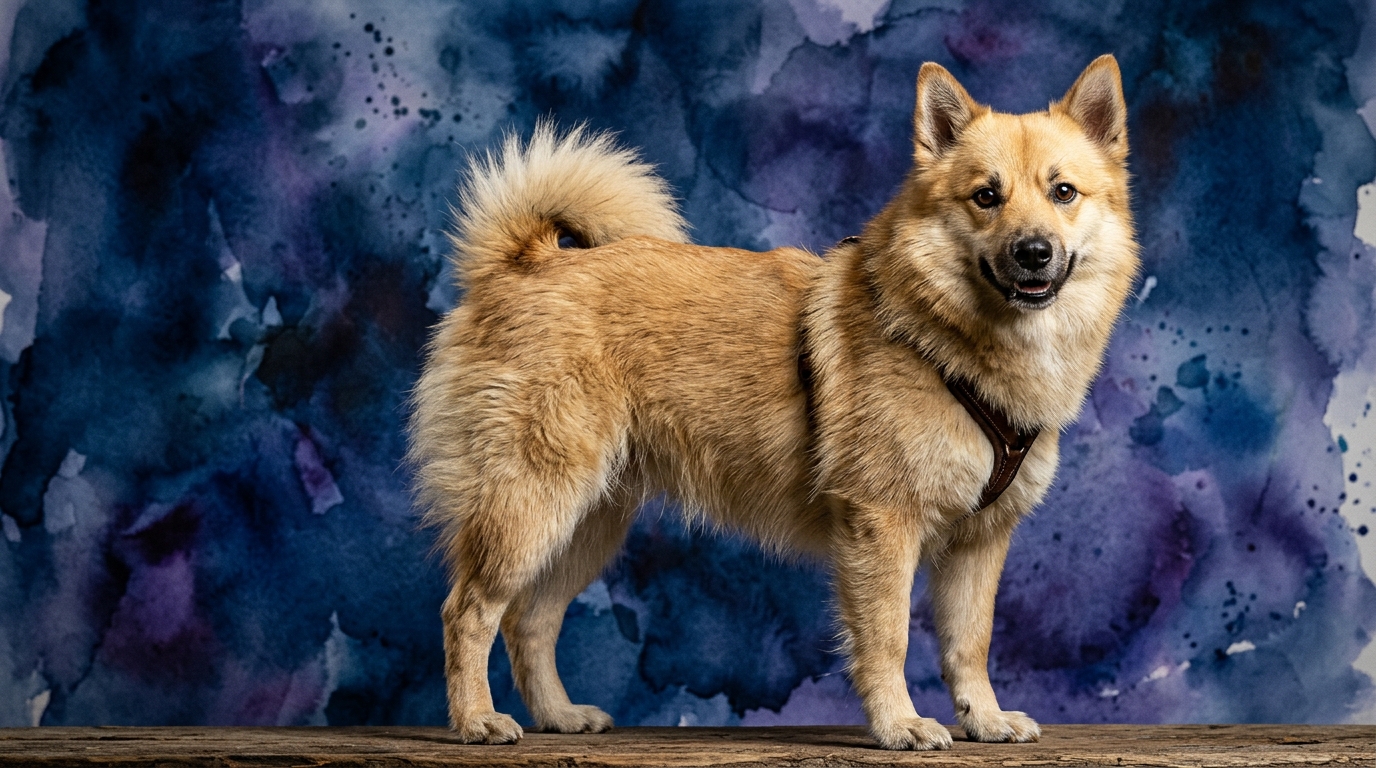
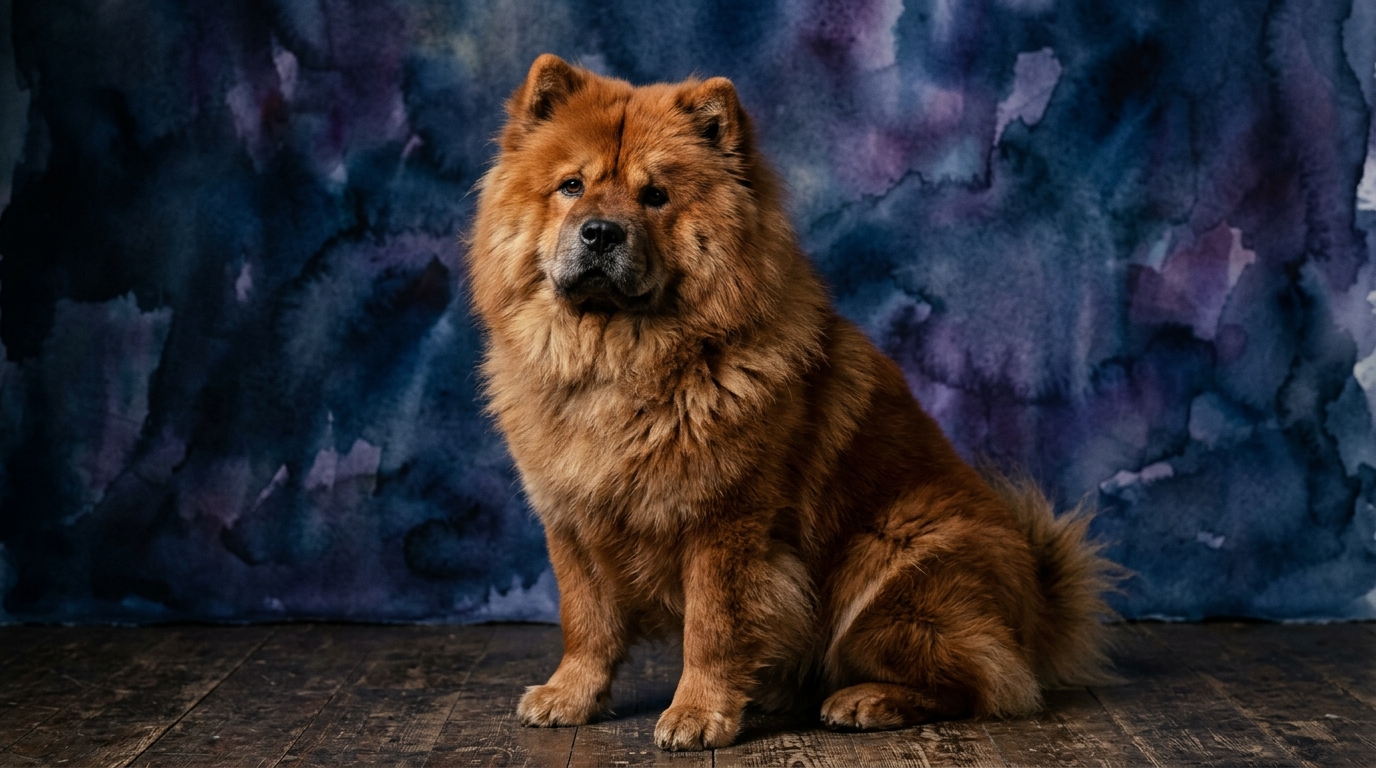
Side-by-Side Cognitive Profiles: Buhund vs. Chow Chow
At first glance, The Cosmic Pet Pet IQ Lab's assessment reveals a curious parity between the Norwegian Buhund and the Chow Chow. Both breeds score 3 out of 5 across all five cognitive dimensions: Problem Solving, Training Speed, Social Intelligence, Instinctive Drive, and Memory. This uniform scoring doesn't suggest identical mentalities, but rather that their inherent capacities for these functions are on a similar plane, albeit expressed through vastly different temperaments and motivations.
For the Norwegian Buhund, a Herding breed, a Problem Solving score of 3/5 typically manifests in their ability to understand and manipulate their environment to achieve a goal, often related to managing livestock or navigating complex tasks presented by their human companions. Their Training Speed at 3/5 reflects a good capacity to learn new commands and routines, driven by a desire to engage. Social Intelligence (3/5) for a Buhund means they are generally receptive to human communication and social cues, often seeking interaction. Their Instinctive Drive (3/5) is rooted in their herding heritage, showing a strong propensity to gather, guide, and protect. Memory (3/5) allows them to retain learned behaviors and recall past experiences, crucial for repetitive tasks or remembering specific locations.
The Chow Chow, classified in the Non-Sporting group and ranked #76 by Coren, also earns 3/5 in Problem Solving, but this often expresses as independent decision-making or finding clever ways to maintain their comfort or personal space, rather than collaborative task-solving. Their Training Speed of 3/5 indicates they *can* learn efficiently, but their willingness to *perform* might be contingent on their mood or perceived benefit. Social Intelligence (3/5) for a Chow Chow usually translates to a discerning understanding of their social circle; they are often reserved with strangers but form deep, if subtle, bonds with their chosen family members. Instinctive Drive (3/5) is strongly tied to their historical role as guardians and companions, showcasing a protective and sometimes aloof nature. Memory (3/5) allows them to remember routines, boundaries, and specific individuals, contributing to their consistent, if sometimes stubborn, personality.
Where the Norwegian Buhund Shines Cognitively
Despite identical numerical scores, the Norwegian Buhund's cognitive strengths lie in its application of these abilities within a collaborative framework. Their 3/5 in Problem Solving often involves dynamic situations requiring quick assessment and action, such as navigating an agility course or figuring out how to round up a 'stray' toy. This is a breed that thrives on having a 'job' and will actively use its mental faculties to engage with its environment and handler. Their Social Intelligence, while rated 3/5, is typically expressed as an eagerness to interpret human instructions and a desire to participate, making them highly responsive to directed activities.
The Buhund's Instinctive Drive, also 3/5, is a powerful asset in structured learning and activity. This drive is channeled into focus and persistence when engaged in tasks like herding, obedience, or dog sports. Their memory (3/5) is particularly strong for sequences of actions and commands, allowing them to excel in complex routines. In essence, the Buhund's cognitive advantages stem from its inherent motivation to work *with* humans, translating its cognitive capacities into readily observable and directed performance.
Where the Chow Chow Demonstrates Cognitive Strengths
The Chow Chow's cognitive wins, while also rated 3/5, are often more subtle and self-directed. Their Problem Solving at 3/5 frequently manifests as an independent resourcefulness. For instance, a Chow might skillfully maneuver to secure the most comfortable spot on the sofa, or subtly avoid an unwanted interaction without direct confrontation. This reflects an intelligence focused on personal autonomy and comfort rather than seeking human direction for task completion. Their Social Intelligence (3/5) is characterized by a profound ability to read intentions and judge character, often displaying a discerning and protective loyalty towards their core family.
The Chow's Instinctive Drive (3/5) provides an unwavering sense of self-possession and a strong protective instinct, making them attentive observers of their surroundings. Their memory (3/5) supports a consistent adherence to established routines and boundaries, and they rarely forget perceived slights or kindnesses. While less overtly 'trainable' in the conventional sense, the Chow Chow's cognitive strengths lie in their self-sufficiency, observational acuity, and ability to make independent judgments, qualities that are highly valued by owners who appreciate a more reserved and dignified companion.
Training Dynamics: Buhund's Willingness vs. Chow Chow's Independence
When considering ease of training, the Norwegian Buhund generally presents a more straightforward path. While both breeds possess a Training Speed of 3/5, the Buhund's herding background instills a strong desire to please and a natural inclination to work in partnership with its handler. They are typically enthusiastic learners, readily absorbing commands and eager for the next instruction. Their social intelligence and inherent biddability mean they are more likely to offer behaviors and respond positively to consistent, reward-based training. Behavioral differences like their higher energy and need for mental stimulation make them keen participants in training sessions, viewing it as an engaging activity.
The Chow Chow, despite its 3/5 Training Speed, often requires a more patient and nuanced approach. Their independent and sometimes aloof nature means they are less motivated by the desire to please and more by what benefits them personally. Training a Chow Chow effectively relies on establishing trust, clear communication, and making training sessions stimulating and rewarding from their perspective. They may learn commands quickly but choose whether or not to perform them based on their mood or perceived necessity. Their discerning social intelligence means they respond best to handlers they respect and trust, and their lower instinctive drive for directed tasks can make consistent performance a challenge without strong motivation.
Lifestyle Match: Active Engagement vs. Reserved Companionship
The cognitive profiles of these two breeds naturally lead to different ideal owner matches. The Norwegian Buhund, with its strong instinctive drive and problem-solving inclination, is an excellent fit for active owners who enjoy engaging in dog sports, hiking, or extensive outdoor activities. Their need for mental and physical stimulation means they thrive when given a 'job' or regular opportunities to learn and apply their intelligence. Owners who appreciate a vocal, interactive companion eager for shared adventures will find the Buhund highly rewarding. This breed requires consistent mental engagement to prevent boredom and potential destructive behaviors.
The Chow Chow, conversely, often suits more relaxed owners who appreciate a dignified and independent companion. While they still require daily walks and mental enrichment, their overall energy levels are typically lower than a Buhund's. They are content with a comfortable routine and often prefer observing rather than constant participation. Owners who understand and respect a dog's need for personal space and appreciate a loyal, if reserved, bond will find the Chow Chow a wonderful fit. They are not typically a 'velcro' dog but offer a quiet, steadfast presence to their chosen family.
The Verdict: Choosing Your Canine Companion
The Verdict
Choose the Norwegian Buhund if you seek an active, engaged partner eager to learn and participate in varied activities, thriving on collaboration and mental challenges.
Opt for the Chow Chow if you prefer a more independent, discerning companion who offers a quiet, dignified presence and values a predictable, relaxed home life.
🧠 Find Your Pet's IQ Score
Our Pet IQ Lab assessment covers 25+ tests across 5 cognitive dimensions — personalized to your breed.
Take the Full IQ Test →Frequently Asked Questions
Are Norwegian Buhunds good for first-time dog owners?
Norwegian Buhunds can be suitable for first-time owners who are committed to providing consistent training, ample exercise, and mental stimulation. Their eagerness to please makes them responsive, but their energy and vocal nature require dedicated engagement.
Do Chow Chows require a lot of grooming?
Yes, Chow Chows typically require significant grooming due to their dense double coat. Regular brushing, at least 2-3 times a week, is essential to prevent matting and manage shedding, especially during seasonal coat blows.
Which breed is better with children?
The Norwegian Buhund, generally more playful and eager to interact, often adapts well to families with children, especially when socialized early. Chow Chows can be good with children in their own family but are often reserved with strangers and require careful supervision due to their discerning nature.