Side-by-Side Cognitive Profile
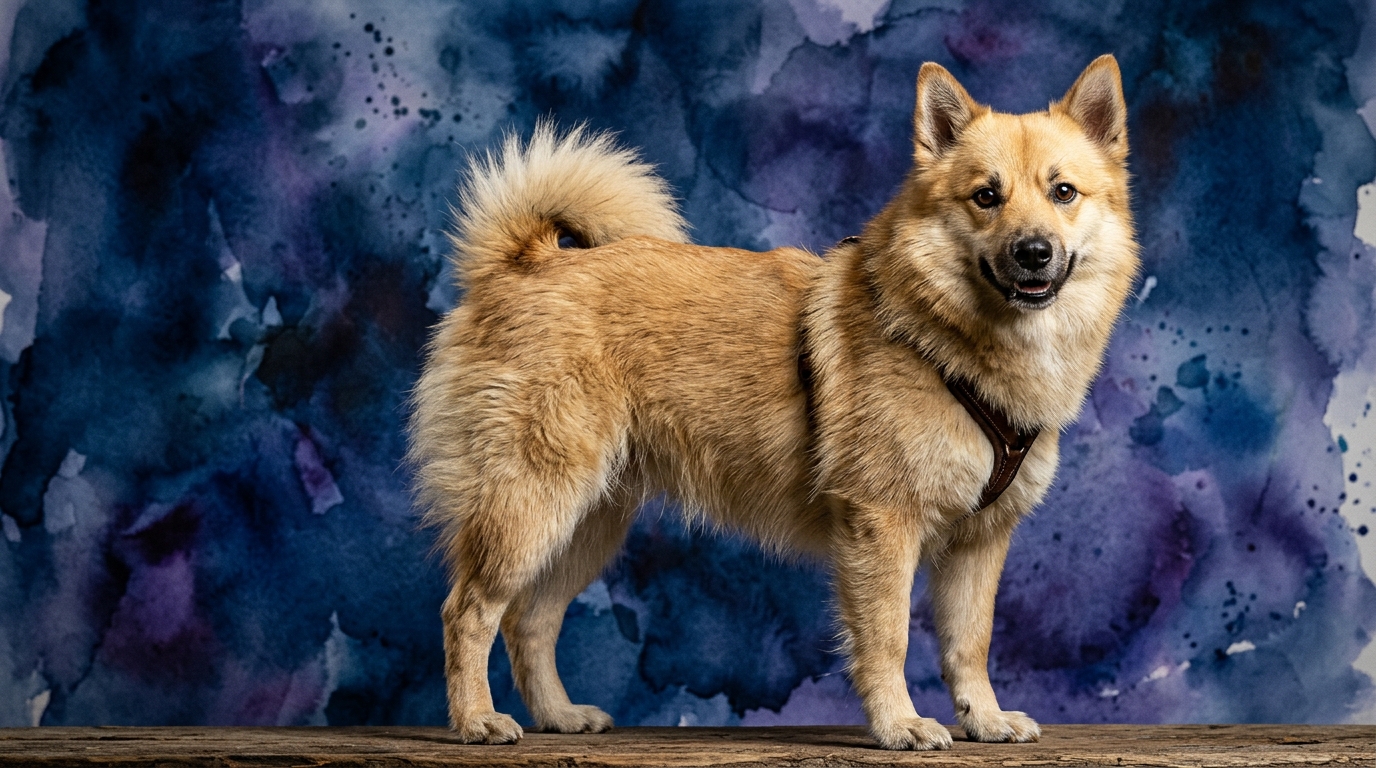
As a herding breed, the Norwegian Buhund's cognitive strengths are rooted in tasks requiring coordination and responsiveness. Its Problem Solving (3/5) manifests as an ability to strategize movement, anticipate flock behavior, and navigate complex environments to gather or guide animals. Training Speed (3/5) indicates a moderate pace of learning, often driven by a desire to work alongside its human, though its independent spirit means consistent reinforcement is key. Social Intelligence (3/5) is evident in its capacity to read human cues and integrate into family dynamics, often showing empathy and understanding of social hierarchies. Instinctive Drive (3/5) is strongly tied to its herding heritage, a natural inclination to gather and protect, which can translate into watchful guardianship of its family. Memory (3/5) allows it to recall routines, learned commands, and the layout of its territory with moderate reliability, aiding in its working roles.
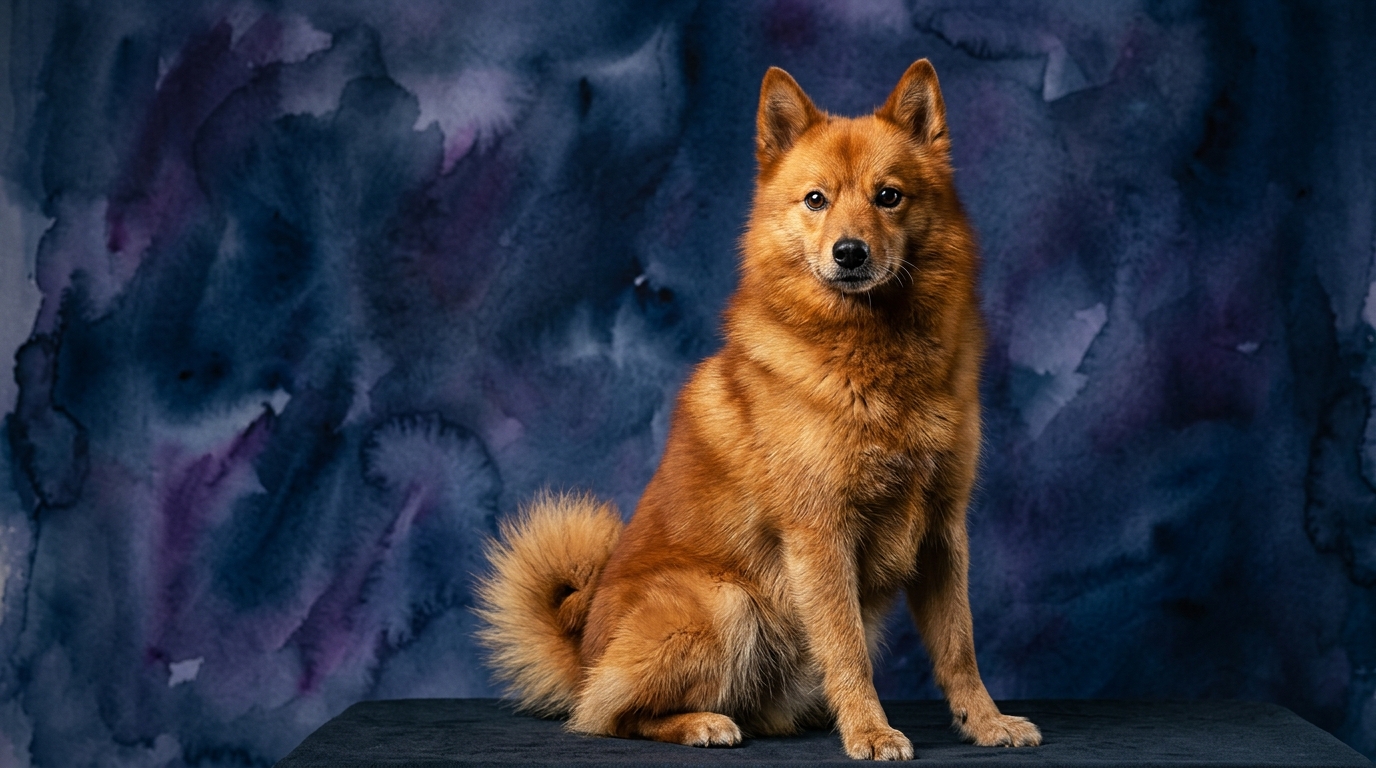
Hailing from the Non-Sporting group, the Finnish Spitz's intellect is shaped by its role as a vocal hunting companion. Its Problem Solving (3/5) is particularly adept at independent tracking, locating game, and determining the most effective way to alert hunters through its characteristic "barking at game." Training Speed (3/5) suggests a moderate learning curve, but its independent nature and strong focus on sensory input (scents, sounds) mean training requires creativity, patience, and high-value motivation to overcome distractions. Social Intelligence (3/5) is demonstrated through its deep bond with its immediate family, often being reserved with strangers but keenly aware of its human's moods and intentions. Instinctive Drive (3/5) is powerfully expressed as a prey drive and a profound urge to vocalize, especially when detecting unusual sights or sounds, serving as a natural alert system. Memory (3/5) is moderately strong for remembering hunting routes, specific sounds, and the habits of its environment, as well as the important people in its life.
Where the Norwegian Buhund Excels Cognitively
Despite identical numerical scores, the Buhund's herding lineage imbues its cognitive functions with a distinct advantage in cooperative, dynamic tasks. Its Problem Solving (3/5) often manifests as a collaborative aptitude, excelling at figuring out how to work with a human to achieve a goal, such as navigating an agility course or learning complex command sequences that involve multiple steps. This breed's Social Intelligence (3/5) further enhances its ability to anticipate human intentions, making it particularly responsive to subtle body language or vocal cues during shared activities. The Buhund's Instinctive Drive (3/5), while moderate, is geared towards managing and directing, which translates into a cognitive strength for tasks requiring organization and foresight, making it adept at understanding and executing routines with purpose.
Where the Finnish Spitz Excels Cognitively
The Finnish Spitz, with its background as a hunting dog, showcases a different spectrum of cognitive strengths, particularly in independent and sensory-driven pursuits. Its Problem Solving (3/5) shines brightest when faced with individual challenges, such as tracking a scent through varied terrain or figuring out how to gain a better vantage point to survey its surroundings. This breed's Instinctive Drive (3/5) is intensely focused on alerting and vocalizing, making its cognitive efforts highly tuned to detecting environmental changes and communicating them effectively. Its Memory (3/5) is often optimized for recalling specific sensory details—like the precise location of a squirrel's nest or a particular bird call—which are crucial for its historical role. The Finnish Spitz's social intelligence, while strong within its family unit, also supports an independent decision-making process, allowing it to act decisively without constant human direction.
Ease of Training: Buhund vs. Spitz
Both breeds rate 3/5 for Training Speed, yet their inherent temperaments create distinct training experiences. The Norwegian Buhund often feels more straightforward to train for owners seeking a responsive partner due to its inherent desire to engage and its strong social intelligence. While independent, its herding background fosters a willingness to collaborate and respond to direction, making positive reinforcement techniques highly effective for teaching complex commands and tricks. Consistency is still paramount, but the Buhund typically finds satisfaction in working alongside its human, which can accelerate the perceived learning process and make training feel more fluid.
The Finnish Spitz, conversely, can present more challenges for the average owner, despite its identical 3/5 Training Speed score. Its independent nature and powerful instinctive drives, particularly its strong prey drive and vocalization tendencies, mean it often requires more creative and patient motivation. It learns at a moderate pace, but its attention can be easily diverted by interesting smells or sounds, and its primary motivation isn't always human appeasement. Owners must be prepared to invest significant time in making training exceptionally rewarding and consistently engaging to maintain its focus and overcome its natural inclination towards self-directed activities.
Which Suits Active Owners vs. Relaxed Owners
For active owners seeking a highly engaged and versatile companion, the Norwegian Buhund often presents a more suitable match. Its herding heritage demands both physical exertion and significant mental stimulation, thriving in environments where it can participate in dog sports like agility, obedience, or even mock herding. Owners who enjoy structured activities and a dog that actively seeks interaction and tasks will find the Buhund's cognitive profile aligns well with their lifestyle, as it requires consistent outlets for its problem-solving and social intelligence, making it an eager participant in shared endeavors.
The Finnish Spitz also requires an active owner, but one who appreciates a more independent companion with different needs. While physically active, its cognitive engagement often revolves around its senses and alerting instincts rather than constant human-directed tasks. Owners who enjoy long hikes, exploring nature, and can appreciate a dog that is content to patrol its territory and alert to novelties will find a good fit. It still needs mental stimulation, but this might be better satisfied through scent games, puzzle toys, and opportunities to observe its surroundings, rather than continuous high-intensity, structured training sessions. Relaxed owners, for either breed, would likely find their cognitive and physical needs overwhelming.
The Verdict
Choose the Norwegian Buhund if you seek a highly interactive, cooperative companion for structured activities and dog sports, valuing a partner that thrives on shared mental challenges and close collaboration.
Choose the Finnish Spitz if you appreciate an independent, vocal companion with keen senses and a strong alerting instinct, ideal for active outdoor adventures where its natural drives can be channeled.
🧠 Find Your Pet's IQ Score
Our Pet IQ Lab assessment covers 25+ tests across 5 cognitive dimensions — personalized to your breed.
Take the Full IQ Test →Frequently Asked Questions
Are Norwegian Buhunds good with children?
Norwegian Buhunds typically possess a moderate social intelligence and can be excellent family dogs, often forming strong bonds with children and showing a protective nature. Early socialization and consistent training are crucial to ensure they understand their role and interact appropriately within the family unit.
How much exercise does a Finnish Spitz need daily?
A Finnish Spitz requires a moderate to high amount of daily exercise, typically an hour or more of vigorous activity, such as brisk walks, running, or off-leash play in a secure area. Their instinctive drive benefits from activities that engage their senses and allow them to explore their surroundings.
Do both breeds bark a lot?
The Finnish Spitz is particularly known for its vocal nature, often using a variety of barks, yodels, and howls to communicate, especially when alerting or excited about its environment. Norwegian Buhunds also bark, particularly when guarding or alerting, but generally not with the same intensity or frequency as the Finnish Spitz, who are often more consistently vocal.