Side-by-Side Cognitive Profiles: Decoding Identical Scores
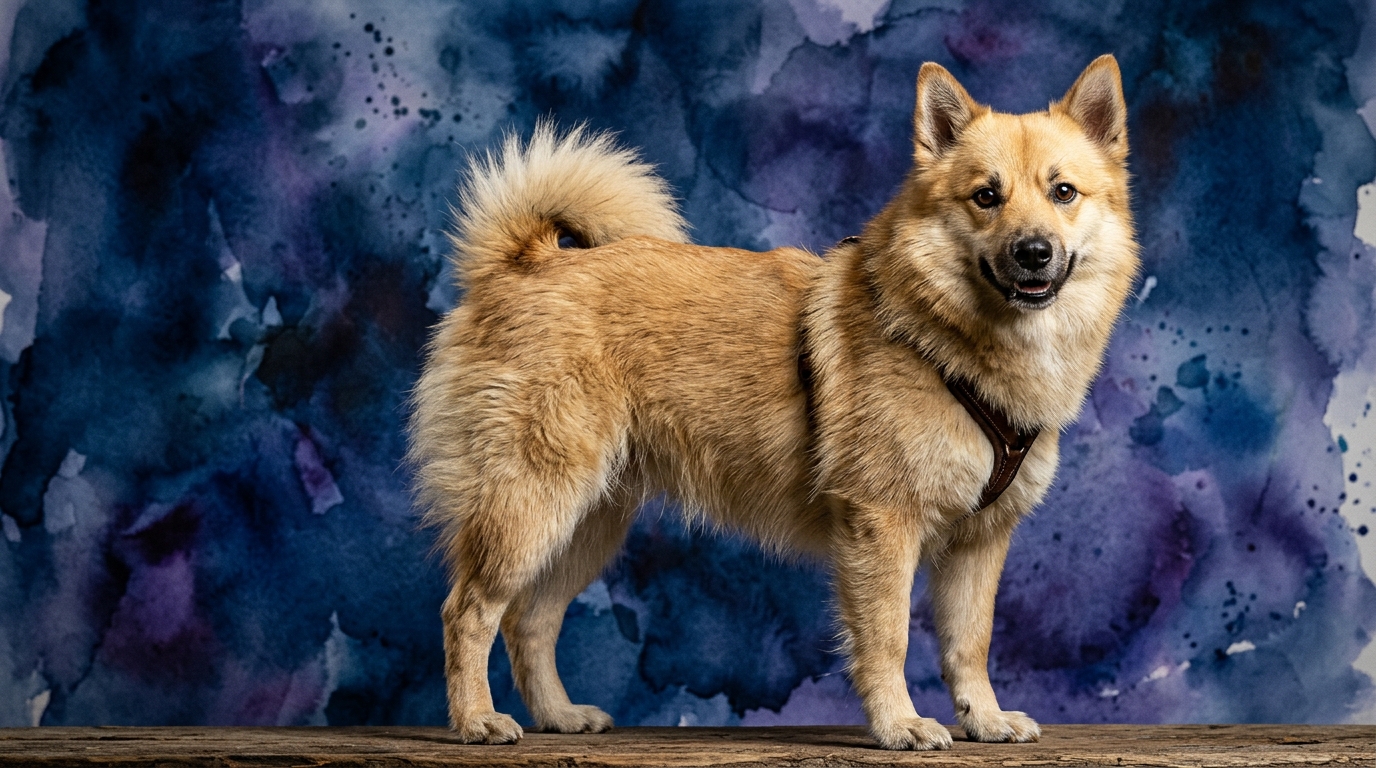
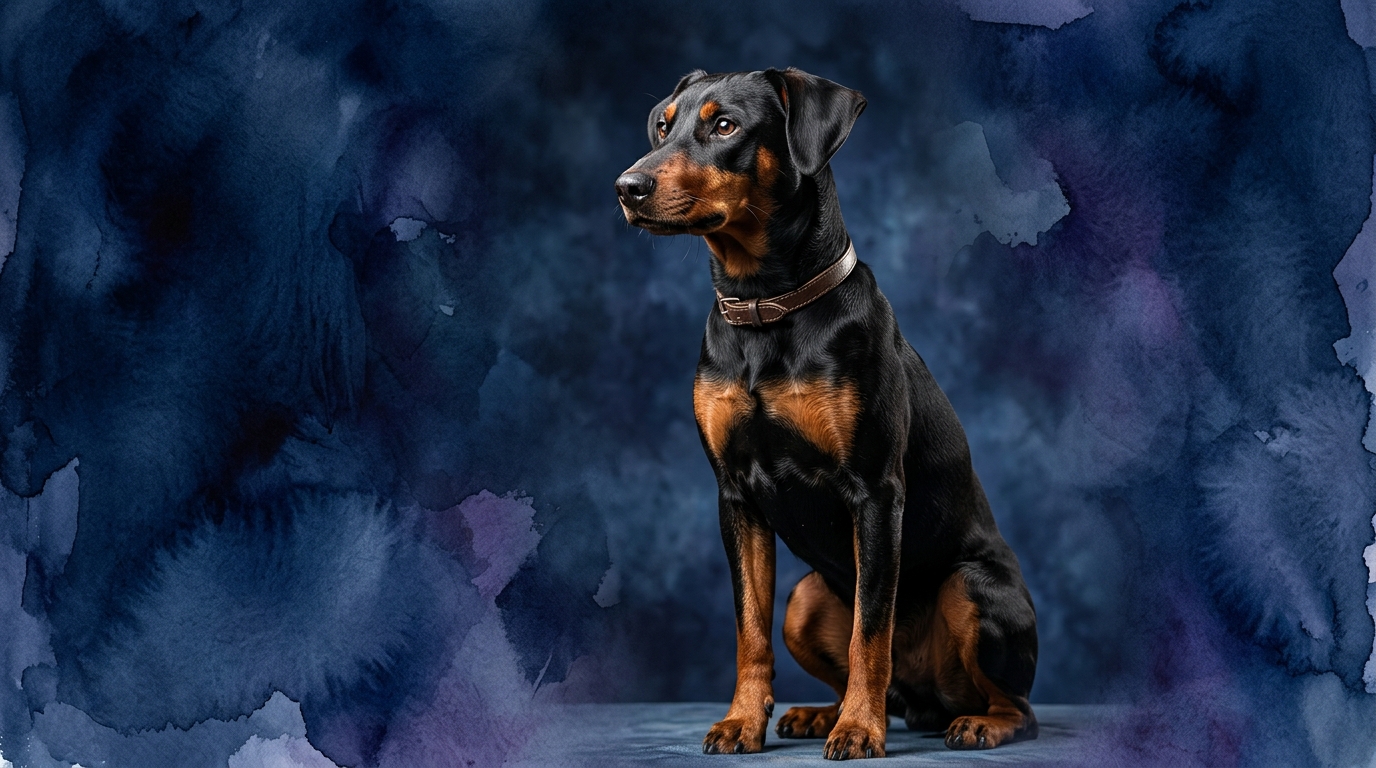
Despite both breeds scoring a consistent 3/5 across The Cosmic Pet Pet IQ Lab's five intelligence dimensions, the practical manifestation of these scores differs significantly due to their distinct historical roles. The Norwegian Buhund, a Nordic herding dog, and the German Pinscher, a versatile working and vermin-hunting breed, each bring a unique cognitive flavor to their identical numerical profiles.
For the Norwegian Buhund, Problem Solving (3/5) manifests as an intuitive ability to manage livestock, assess dynamic situations, and navigate varied terrain, often acting independently to achieve a herding objective. This problem-solving is less about abstract puzzles and more about practical, real-world application in a rural setting. Their Training Speed (3/5) reflects a moderate pace of learning, where their cooperative nature as a herder aids in absorbing new commands, though their independent streak means they might occasionally prioritize their own assessment over direct instruction. Social Intelligence (3/5) in a Buhund involves a keen understanding of human and animal social dynamics, crucial for working closely with shepherds and managing flocks, coupled with a vocal alertness to their surroundings and family's emotional states. Their Instinctive Drive (3/5) is unequivocally herding – a powerful urge to gather, control, and protect, which translates into a desire to "organize" their household and family members. Finally, their Memory (3/5) is robust for routines, commands, and territory, essential for consistent performance in their herding duties and remembering individuals over time.
The German Pinscher, conversely, applies its cognitive strengths to different challenges. Its Problem Solving (3/5) often focuses on security, territorial awareness, and outsmarting perceived threats or obstacles. This might involve figuring out how to bypass barriers or anticipating potential intrusions, driven by a sharp, protective intellect. Their Training Speed (3/5) is also moderate, with a quick uptake of new tasks, but it's often tempered by an independent and sometimes assertive nature that requires consistent, engaging methods to maintain focus and compliance. The Pinscher's Social Intelligence (3/5) centers on discerning family members from strangers and understanding the subtle cues of their immediate human companions, often expressed through a watchful and protective demeanor. Their Instinctive Drive (3/5) is rooted in a strong prey drive for vermin and a vigilant guarding instinct, leading to a natural inclination to patrol, alert, and protect their home and family with unwavering dedication. Their Memory (3/5) is excellent for retaining lessons, recognizing individuals, and recalling territorial boundaries, serving their protective and working roles effectively. In essence, while both breeds possess a solid foundation of cognitive abilities, the Buhund's intelligence is geared towards cooperative, dynamic management, while the Pinscher's is more about analytical vigilance and protective action.
Where the Norwegian Buhund Cognitively Excels
The Norwegian Buhund truly shines in scenarios demanding adaptable, independent decision-making within a cooperative framework. Their herding background imbues them with a nuanced understanding of group dynamics and a proactive approach to managing movement, making them superior in tasks requiring foresight and gentle guidance rather than direct confrontation. They excel at assessing a situation and taking initiative, for example, in navigating a complex path or subtly directing family members, demonstrating a 'soft' influence that reflects their herding heritage. This cognitive strength allows them to anticipate changes and react with appropriate, measured responses, a hallmark of their sophisticated herding problem-solving.
Where the German Pinscher Cognitively Excels
The German Pinscher's cognitive strengths are evident in their focused vigilance and strategic territorial awareness. Their problem-solving is often geared towards identifying and neutralizing perceived threats, whether it's a suspicious sound or an unfamiliar visitor. This breed excels in tasks demanding sharp observation, quick assessment of intentions, and decisive, protective action. Their memory and social intelligence combine to create an astute judge of character, allowing them to remember past interactions and apply that knowledge to current situations. This makes them particularly adept at discerning friend from foe and acting as a highly effective, discerning alarm system for their home.
Trainability: Nuances Behind the Similar Scores
While both breeds score 3/5 in training speed, their underlying motivations create distinct training experiences. The Norwegian Buhund, with its inherent desire to cooperate and its strong herding drive, often responds well to positive reinforcement methods that tap into its natural inclination to work alongside humans. They are generally eager to please and find satisfaction in collaborative tasks, making them relatively straightforward to motivate with praise, play, or treats. However, their independent thought can lead to moments where they might question a command if they perceive a more 'efficient' solution.
The German Pinscher, while equally capable of learning quickly, presents a different training challenge due to its assertive and sometimes strong-willed nature. Their working drive means they thrive on purpose-driven tasks and clear leadership. Training a Pinscher requires consistency, firm yet fair boundaries, and engaging methods to prevent boredom. They can be more prone to testing boundaries and may require a more experienced handler who understands how to channel their protective and energetic drives into productive activities. Their problem-solving ability might lead them to 'outsmart' inconsistent training, making a structured, confident approach essential.
Activity Levels: Matching Breed to Lifestyle
Both the Norwegian Buhund and German Pinscher are active breeds, making them generally unsuitable for truly relaxed, sedentary owners. However, the type of activity they require differs. The Norwegian Buhund thrives with owners who can provide consistent mental engagement and physical outlets that mimic their herding instincts. This means long walks, hiking, dog sports like agility, obedience, or even herding trials. They benefit from a 'job' that allows them to use their cognitive skills and desire for cooperative work. Owners who enjoy outdoor activities and can involve their dog in their adventures will find a devoted companion.
The German Pinscher also requires significant activity, but their energy is often more intense and focused on patrolling and guarding. They need owners who can provide vigorous exercise, such as running, fast-paced games, and structured training that challenges their sharp minds. Their territorial instincts mean they benefit from a secure yard and consistent socialization to channel their protective drives appropriately. They are best suited for experienced, active owners who can provide firm leadership and plenty of mental and physical stimulation, potentially engaging in sports like Schutzhund, tracking, or advanced obedience. Neither breed is content to be a couch potato.
The Verdict
Choose the Norwegian Buhund if you seek a cooperative, adaptable companion for outdoor adventures and enjoy nurturing a dog with independent problem-solving skills rooted in a strong herding drive.
Opt for the German Pinscher if you are an experienced, active owner ready to provide firm, consistent leadership for a vigilant, protective dog that thrives on vigorous exercise and purpose-driven tasks.
🧠 Find Your Pet's IQ Score
Our Pet IQ Lab assessment covers 25+ tests across 5 cognitive dimensions — personalized to your breed.
Take the Full IQ Test →Frequently Asked Questions
Are Norwegian Buhunds good family dogs?
Norwegian Buhunds are generally excellent family dogs, forming strong bonds with their human companions. Their social intelligence allows them to interact well with children and other pets, though their herding instinct might lead them to gently 'herd' family members.
Do German Pinschers get along with other pets?
German Pinschers can coexist with other pets, especially if raised together from a young age. However, their strong prey drive and protective nature mean careful introductions and consistent supervision are essential, particularly with smaller animals.
Which breed is more vocal?
Both breeds can be quite vocal. Norwegian Buhunds often express themselves with barks to alert or communicate, a trait stemming from their herding role. German Pinschers are also prone to barking as part of their guarding instinct, alerting to perceived threats or strangers.