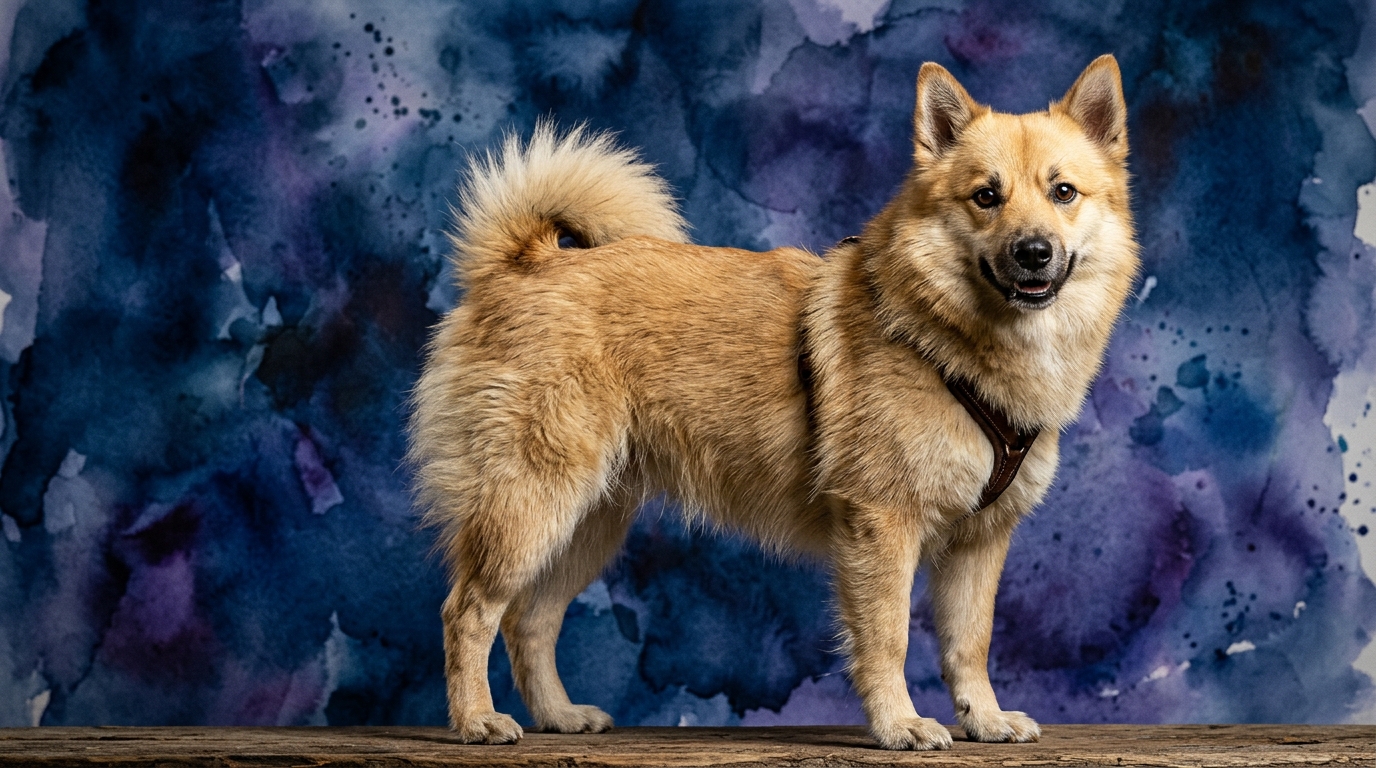
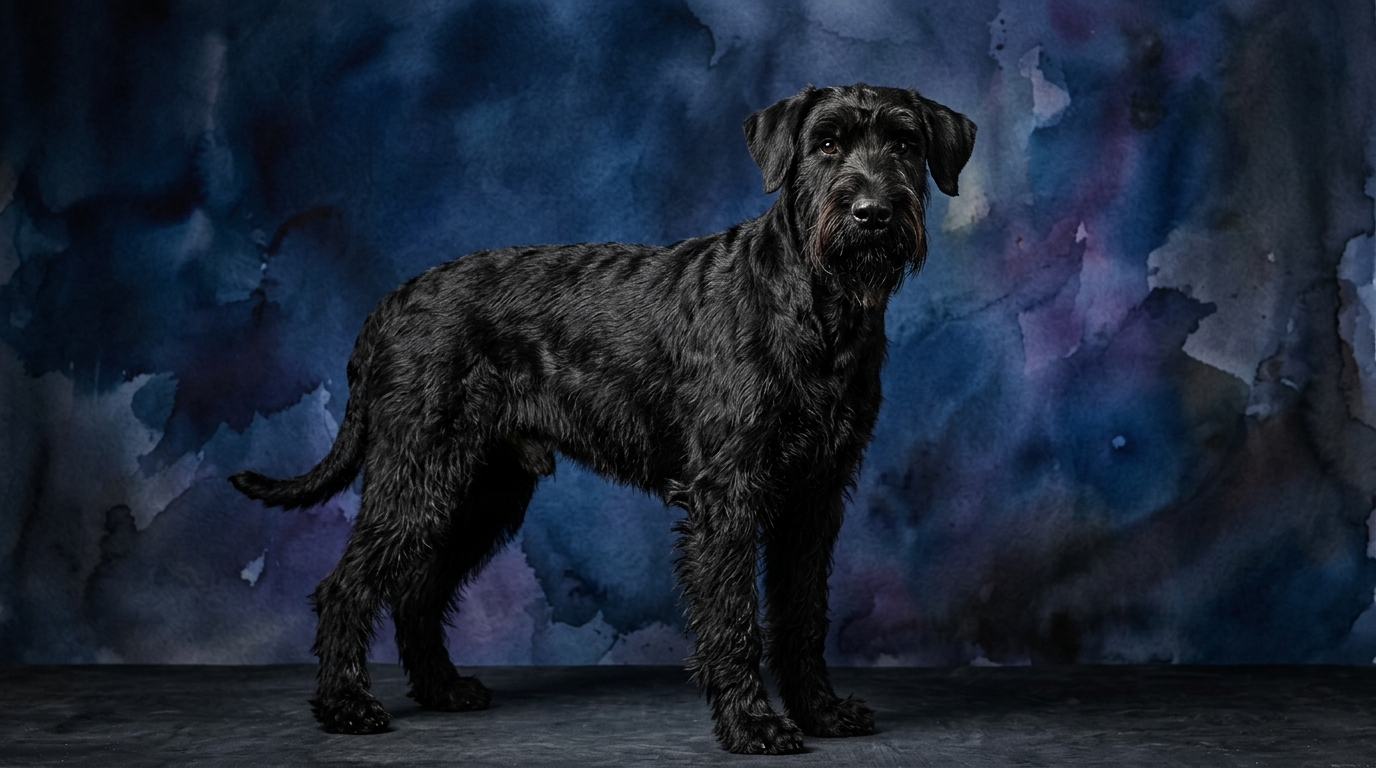
Side-by-Side IQ Profile: Buhund vs. Schnauzer
The Norwegian Buhund, a spirited breed hailing from Norway, has a cognitive profile reflecting its heritage as a versatile farm dog, adept at herding and guarding. Our IQ Lab scores indicate a remarkably balanced cognitive makeup: Problem Solving (3/5) suggests they can navigate moderately complex situations, learning from experience but perhaps not always seeking the most abstract solutions independently. Their Training Speed (3/5) shows they grasp new commands at a steady pace, requiring consistent and positive reinforcement to solidify behaviors. Social Intelligence (3/5) points to an ability to read human cues and integrate into family dynamics, though they might not always be the most overtly people-focused compared to some companion breeds. Instinctive Drive (3/5) highlights their natural inclination for herding and watchful behavior, channeling their energy into purposeful tasks. Finally, their Memory (3/5) allows them to retain learned commands and routines adequately, building on past experiences over time.
In contrast, the Giant Schnauzer, originating from Germany as a robust cattle driver and guard dog, presents a more advanced cognitive blueprint in several key areas. With a Problem Solving score of (4/5), they exhibit a notable capacity for independent thought, often strategizing to overcome obstacles or figure out how things work. Their Training Speed (4/5) signifies a quicker uptake of new commands and complex sequences, often needing fewer repetitions to achieve proficiency. Social Intelligence (3/5) aligns with the Buhund, indicating a solid understanding of social structures and human communication, even if their primary focus isn't always social appeasement. Instinctive Drive (3/5) reflects their strong protective instincts and desire for purposeful work, aligning with their historical roles. Crucially, their Memory (4/5) is a standout feature, allowing them to recall a vast repertoire of commands and experiences, making long-term training highly effective and complex sequencing achievable. This breed's Coren rank of #28 further underscores its capacity for obedience and working roles.
Where the Norwegian Buhund Cognitively Excels
While the Giant Schnauzer edges out the Buhund in several quantitative IQ metrics, the Norwegian Buhund's cognitive strengths lie in its *balanced adaptability* and *nuanced social navigation* within a family unit. Their consistent 3/5 score across all categories doesn't imply a deficit, but rather a flexible intelligence that allows them to perform well in a variety of roles without specializing in extremes. For instance, their balanced instinctive drive (3/5) means they are less likely to be overwhelmed by a singular, intense urge compared to some hyper-specialized herding or guarding breeds, making them more pliable for diverse family life. Their social intelligence, while rated the same as the Giant Schnauzer, often manifests as a more overtly communicative and engaged presence, using barks and body language to interact with their human companions. This nuanced communication, rooted in their long history as close farm partners, can foster a deep, interactive bond, where their moderate problem-solving is often applied to understanding household routines and anticipating family needs, rather than purely task-oriented challenges. They excel at seamlessly integrating into a lively household, reading the general mood and often acting as a cheerful, vigilant presence without the intense focus that can sometimes accompany higher working drives.
Where the Giant Schnauzer Cognitively Excels
The Giant Schnauzer demonstrates clear cognitive advantages, particularly in areas demanding precision, retention, and strategic thinking. Their Problem Solving score of 4/5 suggests an inherent ability to analyze situations and devise solutions, which translates into impressive self-sufficiency when presented with novel challenges. This might manifest as figuring out how to open a child-proof gate or systematically exploring a new environment. Coupled with a Training Speed of 4/5, they absorb new information rapidly, requiring fewer repetitions to master complex commands. This swift learning curve makes them exceptional candidates for advanced obedience, protection work, and dog sports where intricate sequences are paramount. Furthermore, their superior Memory (4/5) ensures that once a command or skill is learned, it is deeply ingrained, allowing for reliable performance even after extended periods without practice. This strong recall makes them highly dependable in working roles and allows for the building of a vast and diverse behavioral repertoire. Their Coren rank of #28 further solidifies their standing as a breed that excels in formal obedience and task execution, reflecting a cognitive architecture optimized for learning and retaining specific, often complex, instructions.
Training Dynamics: Which is Easier to Train?
Based on The Cosmic Pet IQ Lab scores, the Giant Schnauzer generally presents as an easier breed to train due to its higher Problem Solving (4/5), Training Speed (4/5), and Memory (4/5) scores compared to the Norwegian Buhund's consistent 3/5 across these dimensions. A Giant Schnauzer's quicker uptake of commands means that an owner will likely see faster progress in basic and advanced obedience, requiring fewer repetitions and potentially less time spent on each new skill. Their superior problem-solving enables them to generalize learned behaviors to new contexts more readily and to proactively engage with training challenges, often showing a keen desire to “figure out” what is expected. This contrasts with the Buhund, who, while trainable, may require more patience and consistent reinforcement.
A Buhund's 3/5 training speed means they learn at a steady pace, but might need more structured repetition to solidify new behaviors. Their moderate memory also means that skills might need more frequent refreshers to maintain peak performance compared to the Giant Schnauzer's robust recall. While both breeds respond well to positive reinforcement, the Giant Schnauzer's cognitive architecture makes them more efficient learners, often eager to engage in mentally stimulating training sessions, which can make the process feel more rewarding and less arduous for the owner. The Buhund's training requires a consistent, encouraging approach that respects their independent spirit and focuses on clear communication to build strong habits.
Matching Owners: Active vs. Relaxed Lifestyles
Neither the Norwegian Buhund nor the Giant Schnauzer is ideally suited for a truly relaxed, sedentary owner, as both are breeds with working backgrounds and significant energy levels. However, their specific cognitive and physical demands offer nuances. The Norwegian Buhund, with its herding instincts and balanced drives (all 3/5), thrives with an active owner who can provide consistent exercise and opportunities for mental engagement that tap into their natural inclinations. They enjoy being involved in family activities, hikes, and backyard play, and their social intelligence (3/5) means they appreciate interactive engagement. Their moderate problem-solving and training speed mean mental stimulation should be varied but might not need to be as intensely complex as required by some breeds.
For the Giant Schnauzer, an “active owner” takes on a more demanding meaning. Their higher problem-solving (4/5), training speed (4/5), and memory (4/5) mean they not only *need* physical exercise but also *crave* rigorous mental challenges. They excel with owners who are committed to advanced obedience, dog sports like agility or protection work, or consistent, engaging training that leverages their capacity for complex learning. A Giant Schnauzer left without sufficient mental and physical outlets can become bored and potentially destructive, using their formidable cognitive abilities to find their own “work.” Therefore, while both demand activity, the Giant Schnauzer requires an owner who is not just active, but also dedicated to providing structured, challenging mental work.
The Verdict
Choose the Norwegian Buhund if you seek a cheerful, adaptable companion with a balanced cognitive profile, offering a moderately challenging yet rewarding training experience and a strong desire to be an integrated, active family member.
Opt for the Giant Schnauzer if you are an experienced, highly active owner eager to engage in advanced training and dog sports, valuing a canine partner with superior problem-solving, rapid learning, and exceptional memory for complex tasks.
🧠 Find Your Pet's IQ Score
Our Pet IQ Lab assessment covers 25+ tests across 5 cognitive dimensions — personalized to your breed.
Take the Full IQ Test →Frequently Asked Questions
Do Norwegian Buhunds bark a lot?
Yes, Norwegian Buhunds are known for their vocal nature, often using barks to alert their owners to new sights or sounds, a trait stemming from their watchful herding and farm guardian roles. This can be managed with consistent training, but their communicative tendency remains a key characteristic.
How much exercise does a Giant Schnauzer need daily?
Giant Schnauzers require substantial daily exercise, typically 60-90 minutes of vigorous activity, including walks, runs, or structured play, to meet their physical needs. Beyond physical exertion, they also need significant mental stimulation through training or puzzle toys to keep their sharp minds engaged.
Are Giant Schnauzers good with children?
Giant Schnauzers can be good with children when properly socialized from a young age and raised within the family. Their strong protective instincts can make them excellent family guardians, but their size and working drive mean interactions should always be supervised, especially with very young children.