Side-by-Side IQ Profile
The Cosmic Pet Pet IQ Lab's assessment provides a unique lens through which to understand canine cognition. While both the Norwegian Buhund and Komondor score 3 out of 5 across all five intelligence dimensions, their application and manifestation of these cognitive traits are profoundly shaped by their breed origins and historical roles. Let's explore what a '3/5' means for each of these distinct breeds.
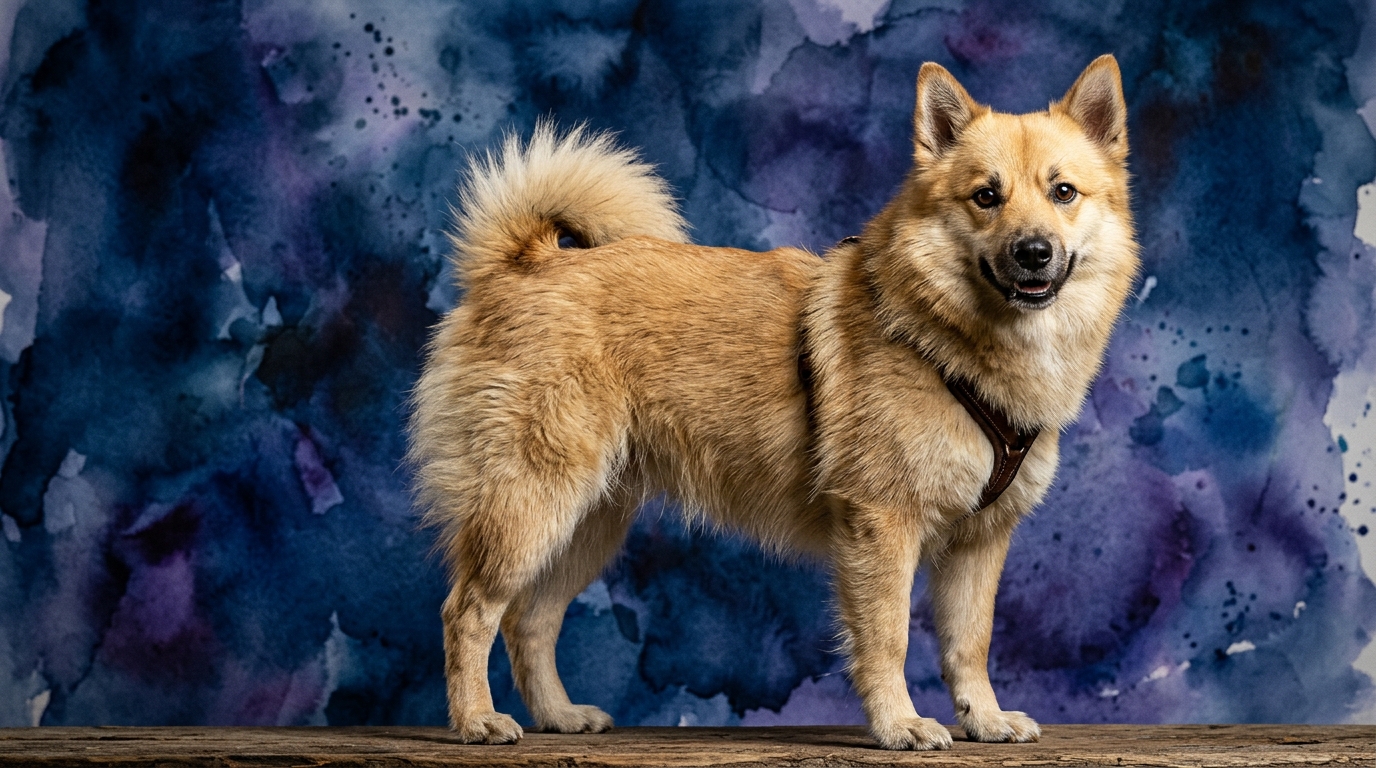
For the **Norwegian Buhund**, a dog rooted in herding, its cognitive profile reflects an active, cooperative spirit.
**Problem Solving (3/5):** The Buhund demonstrates a moderate capacity for problem-solving, often manifesting in overcoming obstacles to reach a desired outcome, such as figuring out how to retrieve a toy or navigating a complex agility course. Their solutions are often driven by an eagerness to engage with their human companions.
**Training Speed (3/5):** These dogs possess a moderate training speed, often picking up new commands and routines with consistent positive reinforcement. Their willingness to cooperate with a handler aids this process, though their inherent herding impulses can sometimes lead to momentary distractions.
**Social Intelligence (3/5):** Buhunds exhibit a moderate level of social intelligence, adept at reading human cues within their familiar family unit. They form strong bonds and are generally responsive to the emotions and intentions of their primary caregivers, often seeking interaction and participation in family activities.
**Instinctive Drive (3/5):** Their instinctive drive, rated at 3/5, is primarily rooted in their herding heritage. This manifests as an alert nature, a tendency to 'gather' family members, and a vocal disposition, often barking to signal new arrivals or perceived changes in their environment.
**Memory (3/5):** A moderate memory allows Buhunds to retain learned commands, routines, and the identities of familiar individuals and places over time. They remember positive and negative associations, which is crucial for their cooperative training and social interactions.
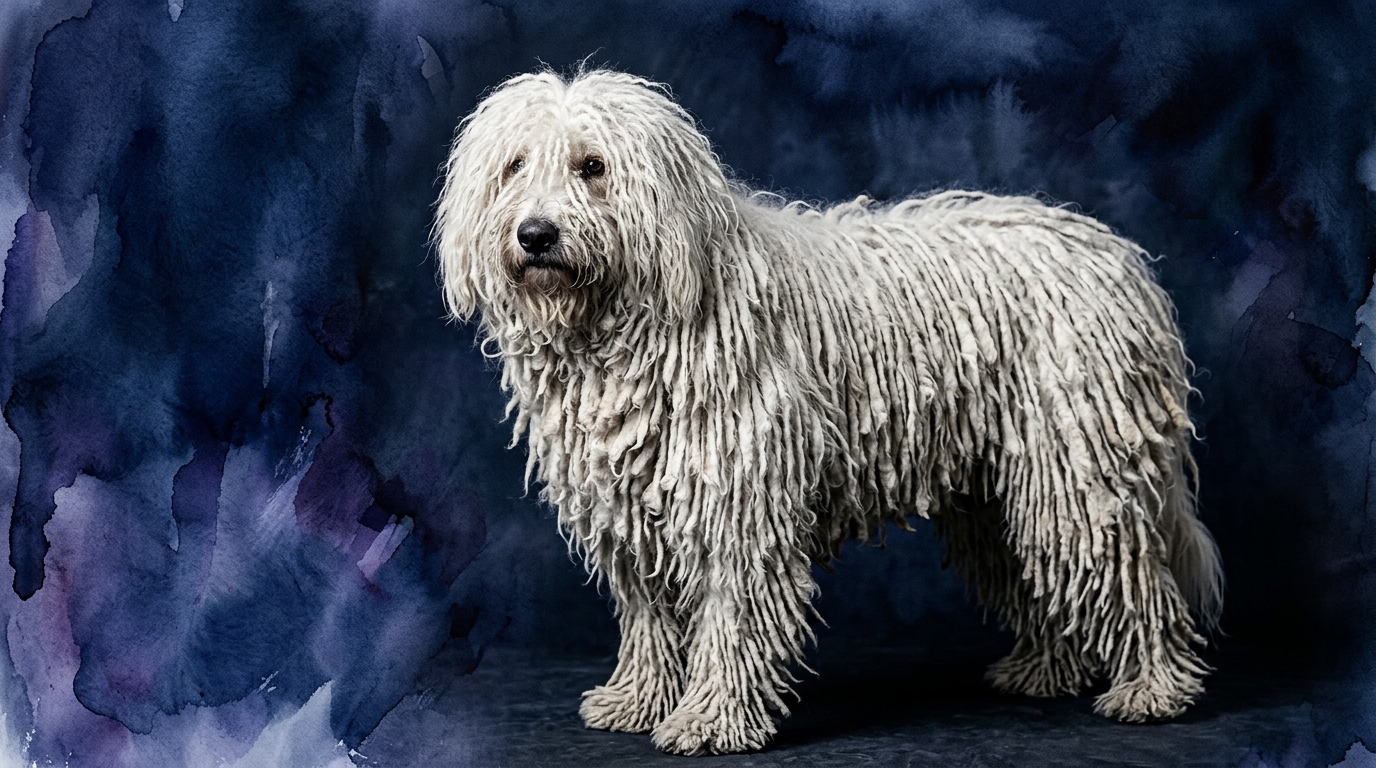
The **Komondor**, a formidable working dog with a history as a livestock guardian, showcases its cognitive abilities through independence and vigilance.
**Problem Solving (3/5):** The Komondor also scores 3/5 in problem-solving, but its application differs significantly. This breed excels at independent problem-solving related to its guardian role, such as assessing potential threats to its flock or territory and devising strategies to deter them without direct human instruction.
**Training Speed (3/5):** Komondors show a moderate training speed, but their learning style is independent. They absorb information steadily but require a confident and consistent handler who understands their innate self-reliance. They learn best when tasks align with their protective instincts or provide a clear, logical purpose.
**Social Intelligence (3/5):** Their social intelligence at 3/5 is distinctly geared towards their guardian role. Komondors are keenly observant of their family or 'flock,' discerning normal from abnormal behaviors and recognizing familiar individuals versus strangers. While deeply bonded, their social interactions are often more reserved and watchful than overtly effusive.
**Instinctive Drive (3/5):** The Komondor's 3/5 instinctive drive is overwhelmingly focused on livestock guarding. This translates into a powerful territorial instinct, an unwavering vigilance, and a readiness to protect their charges, often with a formidable presence, rather than through active herding.
**Memory (3/5):** Komondors possess a moderate memory, particularly effective for remembering their protected territory, the individual members of their 'flock' (human or animal), and specific threats or routines associated with their guardian duties. This memory contributes to their consistent and reliable protective behavior.
Where Norwegian Buhund Wins Cognitively
The Norwegian Buhund, with its herding background, often demonstrates a subtle cognitive edge in areas requiring more cooperative engagement and adaptability to varied human-directed tasks. Their drive to work alongside a handler means they are generally more receptive to learning diverse commands and participating in activities like obedience, agility, or rally. Their social intelligence, while rated the same, leans towards a more active seeking of human interaction and understanding of nuanced social cues in a family setting, making them particularly adept at integrating into dynamic household environments. They may also show a quicker willingness to switch tasks or adapt to new training methods, driven by a desire to please and engage, which contrasts with the Komondor's more deliberate, task-specific approach. This adaptability extends to problem-solving, where a Buhund might more readily attempt different strategies to solve a puzzle presented by a human, often looking to their owner for guidance or encouragement.
Where Komondor Wins Cognitively
The Komondor's cognitive strengths shine in areas demanding independent judgment, unwavering vigilance, and a profound understanding of their immediate environment for protective purposes. While both breeds score 3/5 in problem-solving, the Komondor excels at complex, self-directed solutions in guardian scenarios, such as strategically positioning itself to monitor a perimeter or subtly deterring perceived threats without explicit instruction. Their social intelligence, though rated similarly, manifests as an unparalleled ability to discern subtle changes in their territory or the behavior of their charges, indicating a deep, instinctual understanding of their protective role. This acute awareness allows them to act decisively and independently, making critical decisions about safety without human intervention. The Komondor's memory is particularly robust for environmental details, territorial boundaries, and the long-term identification of familiar individuals versus potential intruders, a cognitive trait essential for their historical function as livestock guardians.
Which Is Easier to Train and Why
When considering ease of training, the Norwegian Buhund generally presents a more straightforward experience for the average owner, primarily due to its inherent desire to collaborate. Although both breeds are rated 3/5 in training speed, the Buhund's herding heritage means it is typically more attentive to its handler and eager to participate in structured learning sessions. They respond well to positive reinforcement and find joy in working alongside their human companions, making them more pliable and motivated to learn new commands and tricks. Their social intelligence encourages them to actively engage with and understand their owner's intentions. In contrast, the Komondor's independent nature, a cornerstone of its livestock guardian role, means it views training through a different lens. While capable of learning, a Komondor often questions the purpose of a command, especially if it doesn't align with its protective instincts. Training a Komondor requires immense patience, consistency, and a deep understanding of its self-reliant temperament, as they are not typically driven by a desire to please in the same way a Buhund is. Their learning is more about accepting a command as logical and necessary, rather than an eager performance for praise.
Which Suits Active Owners vs. Relaxed Owners
The Norwegian Buhund is an ideal match for active owners who relish regular engagement with their dog. Their moderate instinctive drive, rooted in herding, translates into a need for consistent physical exercise and mental stimulation, such as long walks, hiking, or participating in dog sports like agility or obedience. These dogs thrive when they have a job to do, even if that job is fetching a ball or learning a new trick. Owners who enjoy an interactive companion, willing to participate in daily adventures and training sessions, will find the Buhund's energy and cooperative spirit highly rewarding. Conversely, the Komondor, while requiring ample space to patrol and maintain its vigilance, suits a more 'relaxed' owner in terms of direct, constant interaction, but demands significant commitment to its specific needs. These dogs are not typically high-energy in the traditional sense, preferring to observe and guard rather than run and play extensively. Their ideal owner is someone who appreciates an independent, watchful presence, providing a secure territory and understanding that the Komondor's 'activity' is often mental vigilance and patrolling, rather than strenuous physical exertion. A relaxed owner for a Komondor is one who is calm, consistent, and provides a stable, predictable environment for their guardian dog to fulfill its role.
The Verdict
Choose Norwegian Buhund if you desire an engaged, adaptable companion eager to participate in various activities, thrives on cooperative training, and integrates readily into a dynamic family life.
Choose Komondor if you seek an independent, vigilant guardian with a profound sense of responsibility, are prepared for its unique training approach, and can provide a secure environment where its protective instincts can flourish.
🧠 Find Your Pet's IQ Score
Our Pet IQ Lab assessment covers 25+ tests across 5 cognitive dimensions — personalized to your breed.
Take the Full IQ Test →Frequently Asked Questions
Do Norwegian Buhunds and Komondors get along with other pets?
Norwegian Buhunds generally socialize well with other pets if introduced properly, often viewing them as part of their 'flock.' Komondors, due to their guardian instincts, can be selective; they typically accept animals they are raised with as part of their charge but may be wary of unfamiliar animals.
Are either of these breeds good for first-time dog owners?
The Norwegian Buhund can be a suitable choice for a dedicated first-time owner willing to commit to consistent training and exercise. The Komondor, with its strong independent guardian instincts and specialized training needs, is generally not recommended for novice dog owners.
How do their protective instincts differ?
The Norwegian Buhund's protective instinct is more about alerting its family to changes or strangers through barking, a remnant of its herding role. The Komondor's protective instinct is a deep-seated, independent drive to guard its territory and charges, often involving a formidable physical presence and decisive action to deter perceived threats.