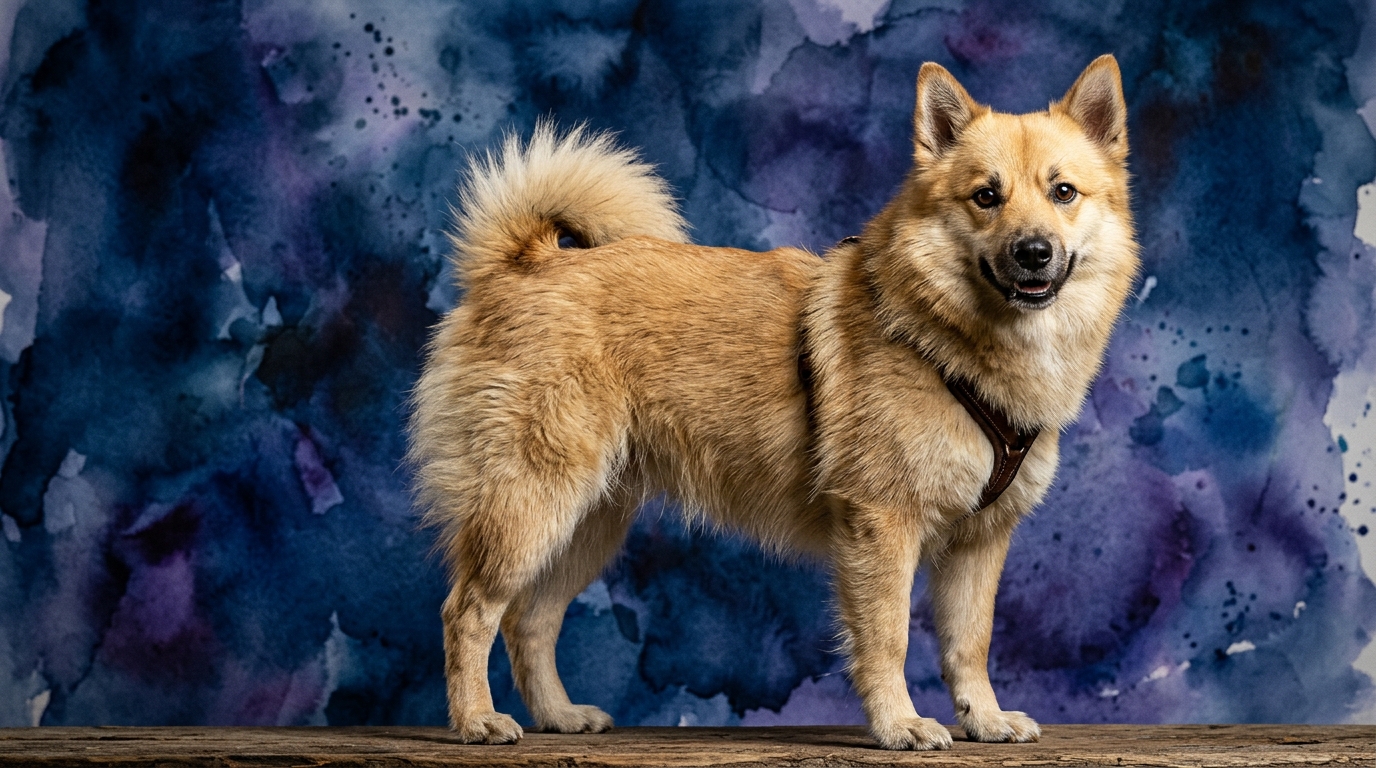
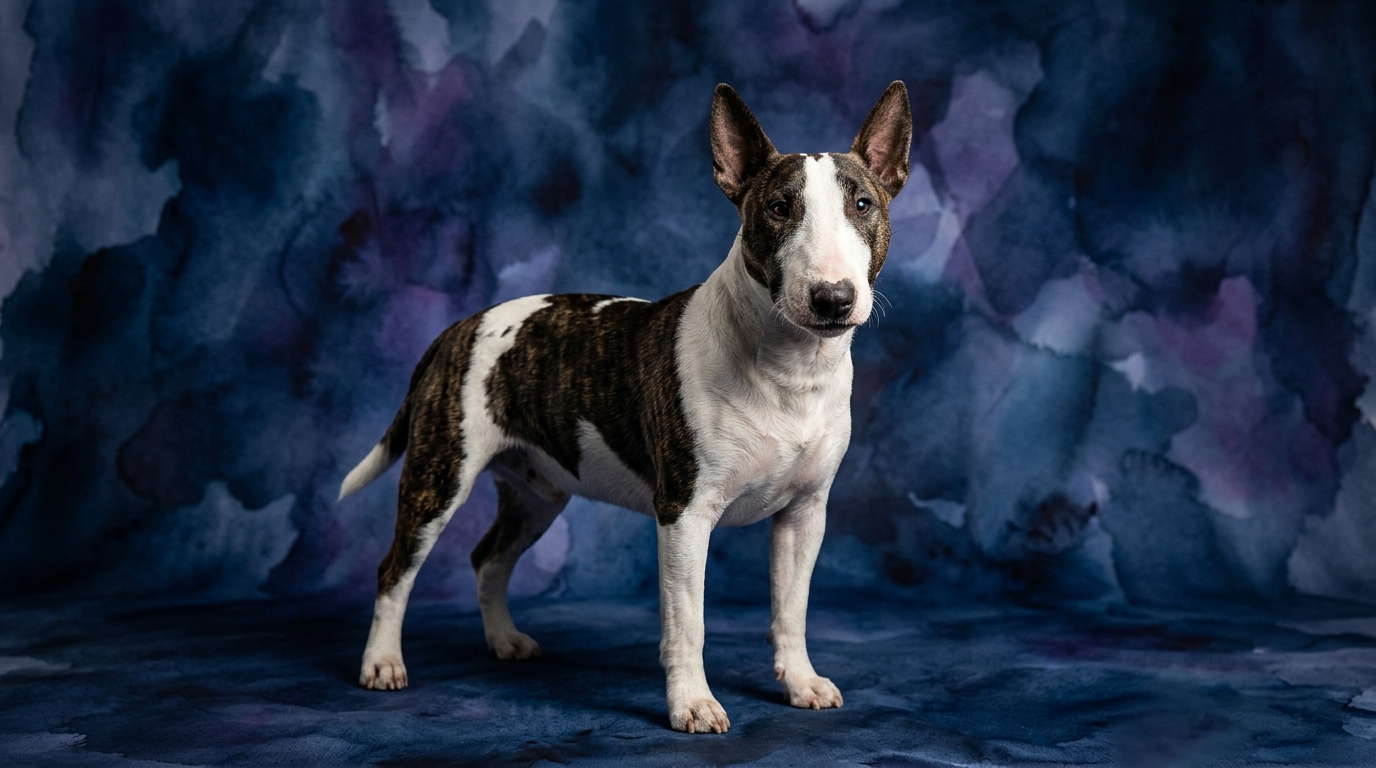
Side-by-Side IQ Profile: Buhund vs. Mini Bull Terrier
Despite sharing identical scores across our five cognitive dimensions, the Norwegian Buhund and Miniature Bull Terrier express their mental faculties through distinctly different lenses, shaped by their ancestral roles and inherent temperaments. Understanding these subtle variations is key to appreciating their individual cognitive strengths.
For the Norwegian Buhund, a breed rooted in herding and farm guardianship, their Problem Solving (3/5) manifests as a practical adaptability, particularly in navigating complex environments or situations related to their duties. They learn from experience, applying solutions to similar scenarios efficiently, often involving observation and a trial-and-error approach within reasonable limits. Their Training Speed (3/5) reflects an eagerness to please and general receptiveness to instruction, making initial learning relatively smooth. However, their independent herding judgment means they might pause to assess a command's utility or conflict with their instincts, requiring consistent and engaging methods to maintain focus. The Buhund’s Social Intelligence (3/5) is highly attuned to human emotions and family dynamics, capable of nuanced communication and forming deep bonds. They understand social cues well, often anticipating needs or reacting to subtle shifts in mood within their household, contributing to a harmonious environment. Their Instinctive Drive (3/5) is a strong, inherent drive to herd, guard, and patrol. This manifests as vigilance, a desire to keep their 'flock' (family) together, and a natural inclination to explore and monitor their surroundings, requiring appropriate outlets. Finally, their Memory (3/5) shows excellent recall for learned commands, routines, and the layout of familiar territories, remembering specific people and past interactions, which builds strong relationships and informs their future responses, supporting their reliability in tasks.
The Miniature Bull Terrier, a breed with tenacious terrier ancestry, approaches Problem Solving (3/5) with determination and persistence, often employing physical means or repeated attempts until a solution is found. They are clever at figuring out how to get what they want, even if it requires a bit of mischief or unconventional methods. Their Training Speed (3/5) indicates they are capable of learning quickly when motivated, but their independent and sometimes stubborn nature means they require engaging, varied training to prevent boredom or defiance. Consistency and positive reinforcement are key to overcoming their 'what's in it for me?' attitude. Regarding Social Intelligence (3/5), Mini Bull Terriers are deeply affectionate with their inner circle, reading their favored humans well, often using charm and humor to get their way. While they understand social dynamics, they might prioritize their own desires over strict obedience or social niceties, especially with strangers or other animals. Their Instinctive Drive (3/5) is a robust prey drive, coupled with a fearless and tenacious spirit. This manifests as a strong urge to chase, dig, and chew, alongside a readiness to confront perceived threats or challenges, requiring careful management and appropriate outlets. Their Memory (3/5) demonstrates good retention for commands and routines, particularly those associated with high-value rewards or positive experiences, remembering specific people, places, and events, which contributes to their strong attachments and their ability to learn from past successes (and failures).
Where the Norwegian Buhund Excels Cognitively
The Norwegian Buhund's cognitive strengths lean towards a more nuanced social understanding and environmental adaptability. Their herding heritage instilled a need to read subtle cues from both livestock and humans, fostering a sophisticated social intelligence that allows them to anticipate family needs and react appropriately to shifts in household dynamics. This translates into a companion who is often more attuned to their owner's moods and intentions, potentially leading to fewer misunderstandings and a more cooperative daily existence. Their problem-solving, while rated similarly, is often applied to practical, real-world scenarios like navigating familiar territories or managing a group, rather than purely physical challenges, showcasing a different kind of resourcefulness.
Where the Miniature Bull Terrier Excels Cognitively
Conversely, the Miniature Bull Terrier's cognitive edge lies in their unwavering persistence and determined approach to problem-solving. While both breeds score 3/5, the Mini Bull Terrier's tenacity means they are less likely to abandon a task or a desired outcome, often trying multiple, sometimes unconventional, methods until success is achieved. This robust drive allows them to overcome physical obstacles or complex puzzles through sheer will and creative application of force or strategy. Their social intelligence, though different from the Buhund's, enables them to 'charm' their way into getting what they want from their favored humans, demonstrating a clever manipulation of social dynamics to their advantage.
Trainability: Buhund vs. Mini Bull Terrier
When it comes to trainability, the Norwegian Buhund generally presents a more cooperative learning experience. Their herding background has cultivated a strong desire to work alongside humans, making them more receptive to direction and eager to please. While their training speed is rated 3/5, this is complemented by their higher social intelligence, meaning they are more responsive to human feedback and correction. They thrive on positive reinforcement and clear, consistent guidance, though their natural herding instincts might occasionally require redirection, especially if they attempt to 'herd' children or other pets.
The Miniature Bull Terrier, while capable of learning quickly, often requires a more nuanced approach to training. Their 3/5 training speed is often tempered by a significant independent streak and a 'what's in it for me?' attitude. They need highly engaging, varied training sessions to prevent boredom and defiance, alongside strong motivation through high-value treats or exciting toys. Their problem-solving acumen can sometimes be applied to finding ways around commands rather than strictly adhering to them, especially if a more appealing alternative presents itself. A patient, consistent handler who understands their unique blend of tenacity and occasional stubbornness is essential for successful training.
Ideal Owners: Active vs. Relaxed Lifestyles
The Norwegian Buhund is an excellent match for active owners who enjoy outdoor activities and thrive on a shared purpose. Their inherent herding drive and need for mental stimulation mean they excel in sports like agility, obedience, or even practical 'jobs' around the home. They require consistent physical exercise and intellectual challenges to prevent boredom and potential destructive behaviors. Owners who can engage them in daily activities that tap into their cooperative and intelligent nature will find a devoted and fulfilled companion.
The Miniature Bull Terrier also suits active owners, but ones who appreciate their distinct blend of playful boisterousness and unwavering determination. They need consistent physical exercise to channel their considerable energy and prey drive, alongside mental challenges that engage their tenacious problem-solving skills. While they can be content to lounge with their family, their bursts of energy and need for engagement mean they are not ideal for entirely sedentary households. Owners who can provide structured outlets for their unique personality and robust nature will find a loyal and entertaining companion.
The Verdict
Choose the Norwegian Buhund if you seek a cooperative, socially attuned companion who thrives on shared activities and has a natural inclination to work alongside their human, valuing environmental awareness and gentle guidance.
Opt for the Miniature Bull Terrier if you desire a tenacious, playful, and uniquely determined companion who will bring a robust, sometimes challenging, but always engaging presence, and whose problem-solving is driven by sheer will.
🧠 Find Your Pet's IQ Score
Our Pet IQ Lab assessment covers 25+ tests across 5 cognitive dimensions — personalized to your breed.
Take the Full IQ Test →Frequently Asked Questions
Are Norwegian Buhunds good with children?
Yes, Norwegian Buhunds generally exhibit a protective and gentle nature towards children, often expressing their herding instinct by gently 'managing' them. While supervision is always recommended, their social intelligence helps them integrate well into family dynamics.
Do Miniature Bull Terriers need a lot of grooming?
No, Miniature Bull Terriers have a short, flat coat that is relatively low maintenance, typically requiring only weekly brushing to remove loose hair and keep it healthy. Regular nail trims and ear checks are also important for their overall well-being.
What kind of mental stimulation do these breeds need?
Both breeds require consistent daily mental engagement to thrive; Buhunds benefit from puzzle toys, obedience training, and 'job' tasks that tap into their cooperative nature, while Mini Bull Terriers thrive on interactive games, strong chew toys, and varied training to challenge their determined problem-solving skills.