Side-by-Side IQ Profile: Herding Instinct vs. Sporting Drive
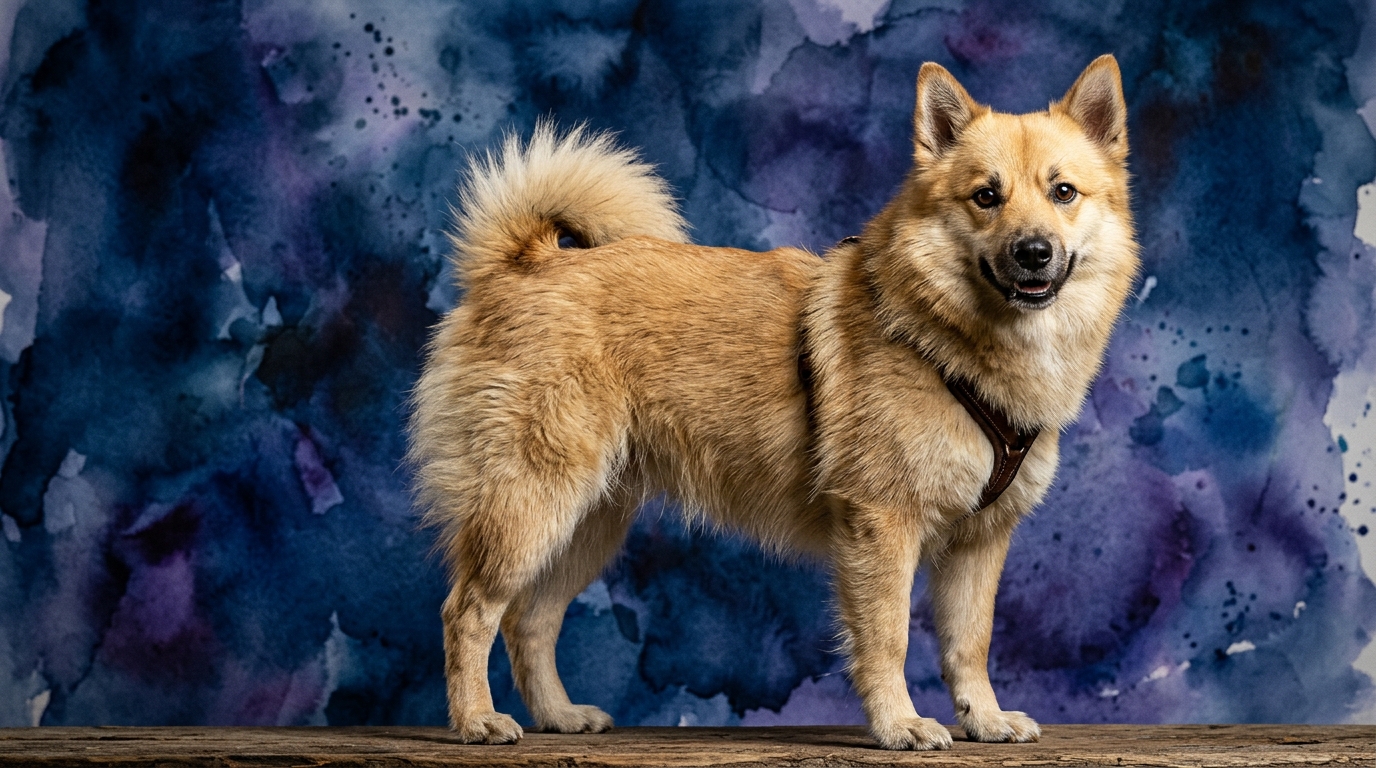
The Norwegian Buhund, a vigilant herding dog, approaches problem-solving with a 3/5 rating, often manifesting this as an ability to assess situations independently, such as determining the best route to gather sheep or alert their human to unusual activity. Their training speed, also a 3/5, reflects a capacity to learn new commands at an average pace, though their inherent independence means they respond best to training that makes sense to their working mindset. Social intelligence at 3/5 means they are generally adept at reading human cues, particularly within their family unit, and are watchful of strangers. Their instinctive drive, rated 3/5, is deeply rooted in herding, expressed through a strong desire to patrol, protect, and keep their 'flock' (family) together. Finally, their memory, also 3/5, allows them to retain routines, learned boundaries, and the faces of individuals they encounter regularly.
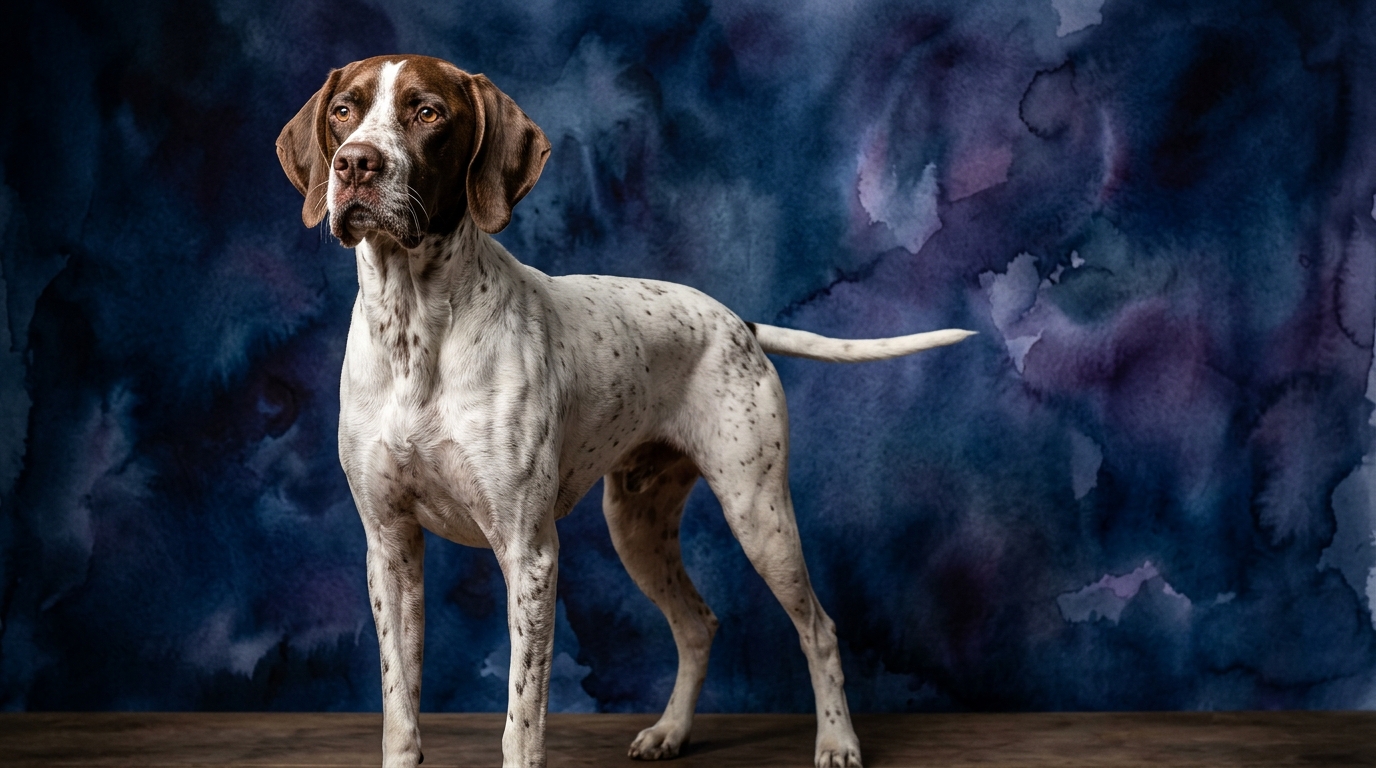
In contrast, the Pointer, a dedicated sporting dog, also scores 3/5 for problem-solving, but this often translates to navigating complex terrains to locate game or figuring out how to work a scent line efficiently. Their 3/5 training speed is often optimized for field work, picking up specific hand signals and commands quickly when aligned with their hunting drive, though they may require more consistent motivation for non-instinctual tasks. Social intelligence at 3/5 for the Pointer often means a strong ability to form a cooperative partnership with their handler in the field, understanding subtle signals during a hunt. Their instinctive drive, also 3/5, is powerfully geared towards scenting, pointing, and retrieving, showcasing an intense focus on their quarry. Their 3/5 memory is particularly effective for recalling specific scent locations, field patterns, and handler instructions over extended periods in varied environments.
Where the Norwegian Buhund Excels Cognitively
The Norwegian Buhund demonstrates a particular cognitive strength in situational awareness and independent decision-making, a legacy of their herding ancestry. While their problem-solving is rated 3/5, this often involves assessing dynamic situations without direct instruction, such as identifying a missing lamb or sensing an unfamiliar presence. Their social intelligence, also 3/5, is acutely tuned to the safety and well-being of their human family, leading them to act as vigilant guardians who can interpret subtle shifts in their environment and human demeanor as potential threats. This combination of alertness and an instinct to protect gives them an edge in roles requiring a self-starting, watchful nature.
Furthermore, the Buhund's 3/5 instinctive drive, focused on herding, translates into a cognitive aptitude for maintaining order and structure. They possess a mental map of their territory and its inhabitants, remembering who belongs and who doesn't with their 3/5 memory. This allows them to proactively manage their environment, whether it's gently nudging children away from danger or barking to warn off perceived intruders, showcasing a form of applied social intelligence and problem-solving rooted in their ancient purpose.
Where the Pointer Excels Cognitively
The Pointer's cognitive strengths lie in sustained, intense focus and collaborative goal-oriented tasks, a direct reflection of their sporting heritage. Their 3/5 problem-solving often manifests as an unwavering determination to follow a scent trail, requiring them to mentally 'map' complex olfactory information and terrain. This single-minded dedication, combined with their 3/5 instinctive drive for hunting, means they can filter out distractions and maintain a high level of concentration on their primary objective over long periods, a demanding cognitive feat.
The Pointer's 3/5 social intelligence shines brightest in their partnership with a human handler during a hunt, where they exhibit a deep understanding of cooperative effort. They are adept at interpreting subtle body language and vocal cues from their handler, seamlessly integrating human direction with their own powerful instincts. Their 3/5 memory is particularly robust for recalling specific field locations, scent patterns, and the sequence of hunting commands, enabling them to perform intricate tasks with precision and endurance, making them exceptional at their specialized craft.
Which is Easier to Train and Why
Determining which breed is 'easier' to train depends heavily on the training goals and the owner's approach, given both have a 3/5 training speed. The Norwegian Buhund, with its strong independent streak and herding instincts, can be a joy to train for those who appreciate a dog that thinks for itself. However, their tendency to make their own decisions means they may challenge commands if they perceive a better way or if the task doesn't align with their intrinsic drives. Training a Buhund often requires patience, consistency, and making lessons engaging and relevant to their watchful, active nature. They excel when given a job that appeals to their herding and guarding instincts, such as agility or rally obedience, where their problem-solving and memory can be leveraged.
The Pointer, while also rated 3/5 for training speed, typically exhibits a strong desire to please its handler, especially when the training involves scent work or retrieving. Their intense focus and cooperative social intelligence mean they can be highly responsive to direction in the field. However, their powerful prey drive and boundless energy mean they can be easily distracted by novel scents or movement, making recall and focus in busy environments a significant training challenge. For an owner who understands and channels their sporting instincts, Pointers can be remarkably biddable and quick to learn specific tasks, but their physical and mental stimulation needs must be met to prevent boredom and destructive behaviors.
Which Suits Active Owners vs. Relaxed Owners
Neither the Norwegian Buhund nor the Pointer is ideally suited for a truly relaxed, sedentary owner. Both breeds possess substantial energy and cognitive needs that demand active engagement. The Norwegian Buhund, with its 3/5 instinctive drive for herding and constant vigilance, thrives with owners who can provide consistent mental stimulation and physical exercise. They need structured activities like hiking, dog sports, or even a 'job' around the house to satisfy their problem-solving and memory needs. A Buhund will not be content to simply lounge; their social intelligence and watchful nature mean they are always observing and ready to engage.
The Pointer, with its boundless energy and 3/5 instinctive drive for hunting, is unequivocally a dog for highly active owners. They require extensive daily exercise, often several hours, including opportunities to run, sniff, and explore. Their cognitive strengths in sustained focus and problem-solving are best engaged through activities like scent work, field trials, or long-distance running. A Pointer that doesn't receive adequate physical and mental outlets can become restless, vocal, or destructive. While both breeds are active, the Pointer's intensity and endurance make them better suited for owners who integrate their dog into a rigorous outdoor lifestyle.
The Verdict
Choose the Norwegian Buhund if you seek a vigilant, independent-thinking companion who thrives on understanding routines and guarding their family, and you appreciate a dog that brings its own unique problem-solving to daily life.
Opt for the Pointer if you are an exceptionally active individual who can channel a powerful prey drive into structured outdoor activities, valuing a highly focused and cooperative partner for rigorous adventures like running, hiking, or field sports.
🧠 Find Your Pet's IQ Score
Our Pet IQ Lab assessment covers 25+ tests across 5 cognitive dimensions — personalized to your breed.
Take the Full IQ Test →Frequently Asked Questions
Do Norwegian Buhunds and Pointers learn at the same rate?
Both breeds have a training speed rating of 3/5, suggesting an average learning pace. However, the types of tasks they learn quickly differ, with Buhunds responding well to practical, herding-related commands and Pointers excelling in field-specific instructions.
Are these breeds good with children, considering their social intelligence?
Both breeds have a 3/5 social intelligence rating. Buhunds are typically watchful and protective of their family, including children, often acting as gentle guardians. Pointers are generally amiable and tolerant, but their high energy and strong prey drive mean supervision is necessary, especially with very young children.
How do their problem-solving skills differ in everyday life?
While both rate 3/5 for problem-solving, a Buhund might apply it to figuring out how to alert you to a strange noise or 'herd' family members. A Pointer might apply it to navigating a complex scent trail in the yard or figuring out how to reach a dropped toy in a tricky spot, driven by their sensory focus.