Side-by-Side IQ Profile: Unpacking Identical Scores
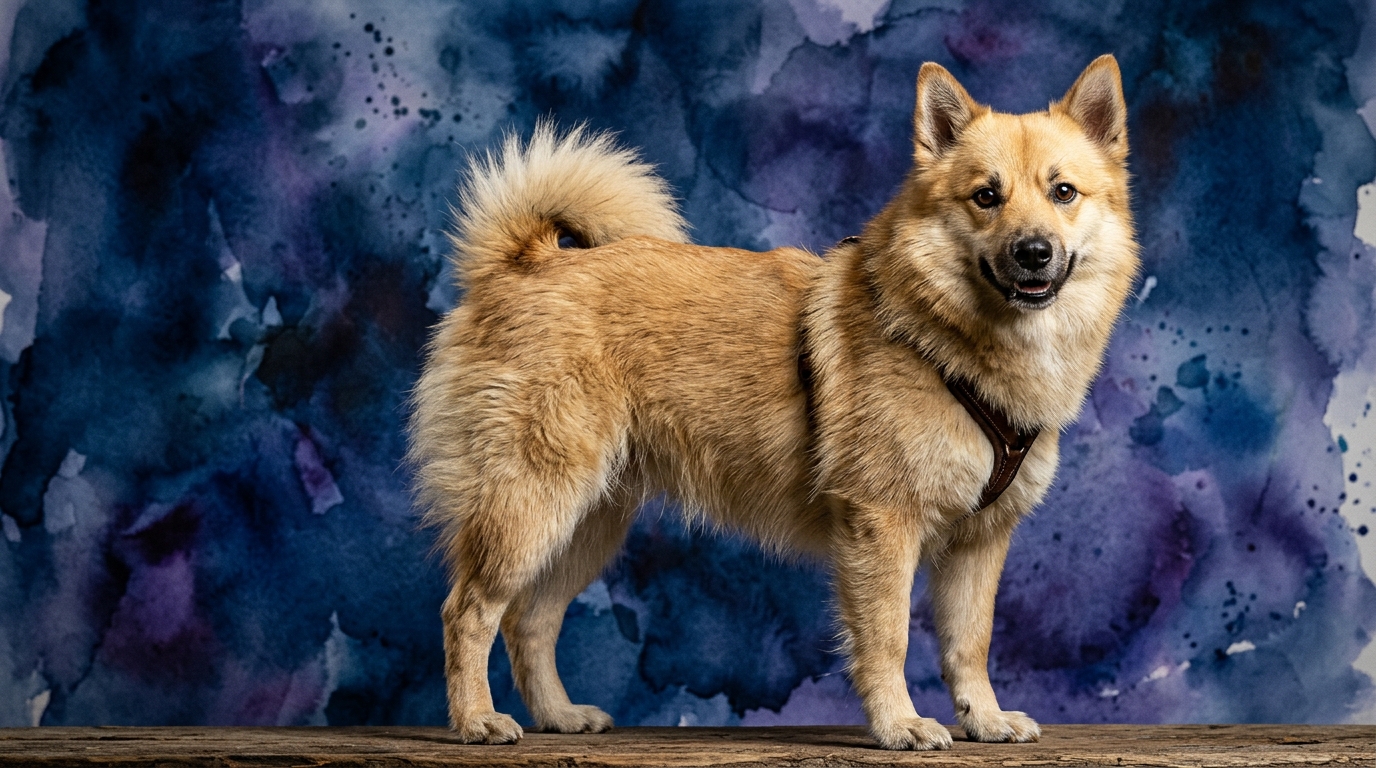
Originating from Norway, the Buhund displays a 3/5 in Problem Solving, showing moderate capacity to navigate challenges through observation and independent thought. Its 3/5 Training Speed means it grasps new commands at an average pace, responding to consistent instruction while maintaining its independent nature. A 3/5 in Social Intelligence indicates it understands human cues, forming strong bonds as a watchful companion with a self-reliant demeanor. Its 3/5 Instinctive Drive manifests as a moderate urge to herd, vocalize, and guard territory, reflecting its farm dog heritage. Lastly, a 3/5 in Memory suggests it retains learned behaviors and experiences reliably, building on past training effectively.
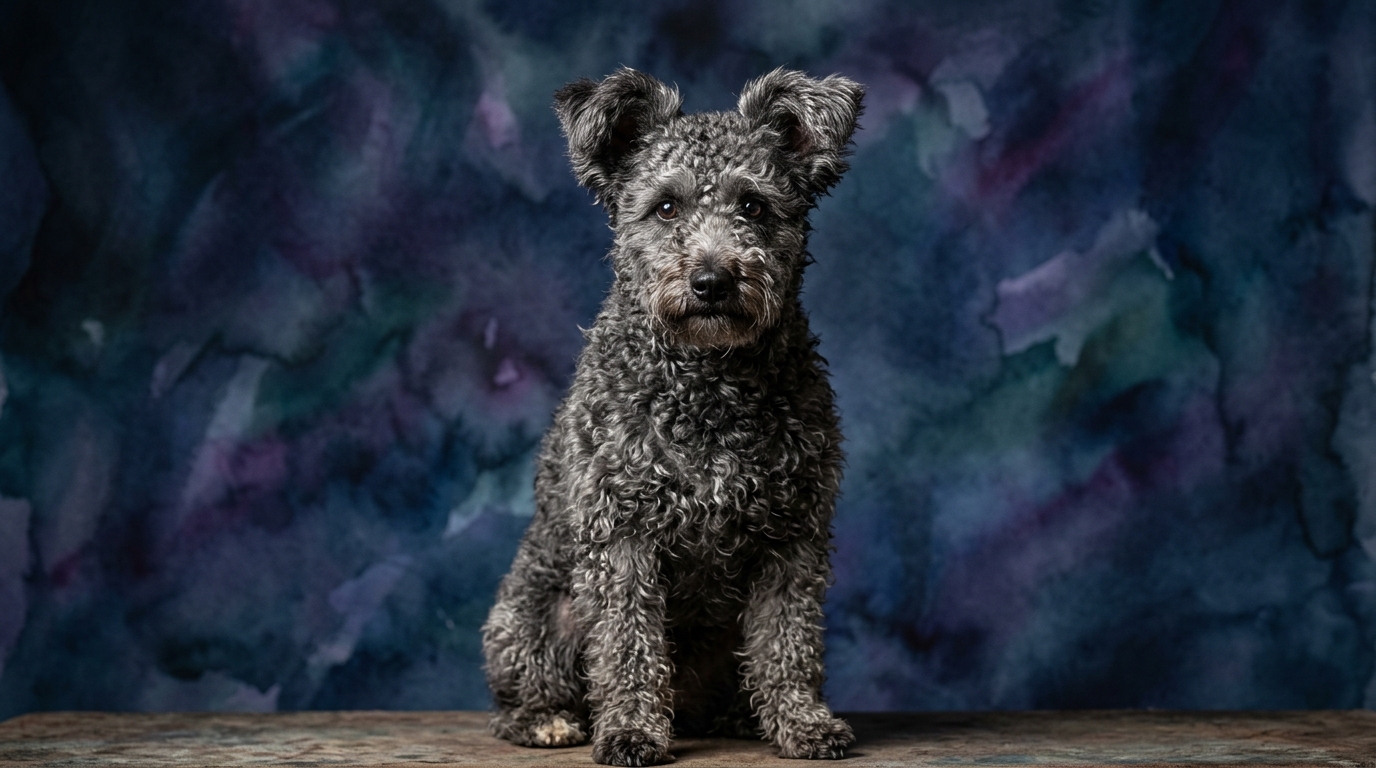
Hailing from Hungary, the Pumi also scores 3/5 in Problem Solving, demonstrating a quick, adaptable mind capable of figuring out moderate complexities with a dynamic, hands-on approach. Its 3/5 Training Speed means it learns new tasks at an average rate, with its enthusiastic personality making sessions vibrant and engaging. With 3/5 in Social Intelligence, the Pumi is adept at reading human emotions and intentions, eager to participate and form close working partnerships. Its 3/5 Instinctive Drive is pronounced, characterized by a strong, driving herding instinct, quick reactions, and a need for mental and physical engagement. A 3/5 in Memory ensures the Pumi remembers commands and routines reliably, benefiting from structured environments and consistent reinforcement.
Where the Norwegian Buhund Excels Cognitively
Despite identical scores, the Buhund's cognitive strengths often lie in its measured independence and keen observational skills. Its 3/5 in Problem Solving frequently manifests as a capacity for strategic oversight rather than rapid, reactive intervention. When faced with a complex situation, such as managing a diverse flock or discerning a novel threat, a Buhund might pause, survey its surroundings, and then proceed with a well-considered, albeit self-directed, approach. This patient assessment, rooted in its history as a farm dog needing to make decisions without constant human direction, distinguishes its problem-solving style.
Furthermore, its 3/5 Social Intelligence often includes a subtle understanding of human emotional states, allowing it to offer comfort or maintain a respectful distance as needed, demonstrating a quiet empathy rather than overt eager-to-please behaviors. The Buhund’s 3/5 Memory, combined with its independent streak, means it retains lessons learned from past successes or failures, applying them judiciously to new scenarios without necessarily needing immediate human prompts. Its vocal nature, part of its 3/5 Instinctive Drive, also serves as a cognitive strength, enabling it to communicate alerts effectively, a form of problem-solving through early warning.
Where the Pumi Excels Cognitively
The Pumi, while sharing the 3/5 scores, demonstrates its cognitive prowess through its agility of thought and intense focus. Its 3/5 in Problem Solving is typically characterized by quick, decisive action and a remarkable ability to adapt on the fly, especially in fast-paced, dynamic environments. A Pumi might excel at figuring out novel agility courses or quickly re-gathering straying livestock with rapid, precise movements, showcasing a proactive and energetic approach to challenges. This breed's 3/5 Training Speed is often amplified by its intense desire for engagement and its zest for learning, making it highly responsive to reward-based training and capable of mastering intricate sequences of commands when properly motivated.
Its 3/5 Social Intelligence is frequently expressed as an almost telepathic connection with its handler, anticipating cues and responding with enthusiasm, reflecting its role as a close working partner in herding. The Pumi's strong 3/5 Instinctive Drive fuels its cognitive efforts, providing the motivation for sustained mental work and a persistent drive to understand and complete tasks, particularly those involving movement and control. This combination makes the Pumi a formidable partner for complex, interactive cognitive tasks, thriving on joint problem-solving endeavors with its human companion.
Which is Easier to Train and Why
Despite both breeds scoring 3/5 in Training Speed, the experience of training them can differ significantly due to their behavioral nuances. The Pumi's inherent intensity, quickness, and desire for active engagement often make it appear straightforward to train for those who enjoy fast-paced, interactive sessions. Its keen focus and high energy mean it readily absorbs commands and intricate sequences, provided the training is stimulating and consistent. However, this same intensity requires an equally engaged and consistent handler; without sufficient mental and physical outlets, a Pumi's intellect can lead to self-employment, potentially creating undesirable behaviors.
The Norwegian Buhund, with its equally rated 3/5 Training Speed, might present a different set of challenges and rewards. While it learns reliably, its more independent nature means it may not always be as immediately eager to please or as perpetually 'on' as the Pumi. Training a Buhund often requires more patience, creativity in motivation, and a deep understanding of its independent problem-solving style. Its tendency to vocalize, a manifestation of its 3/5 Instinctive Drive, can sometimes be perceived as a distraction in training, requiring specific management.
However, once a Buhund understands the 'why' behind a command, its 3/5 Memory ensures retention, and its calm, thoughtful approach allows for steady progress. For an owner who appreciates a thinking partner and can provide clear, consistent, and positive reinforcement, the Buhund is a rewarding, albeit perhaps less overtly 'flashy,' student.
Which Suits Active Owners vs. Relaxed Owners
For owners leading a highly active lifestyle, particularly those involved in dog sports like agility, flyball, or advanced obedience, the Pumi is often the more natural fit. Its robust 3/5 Instinctive Drive, combined with its boundless energy and quick problem-solving ability, means it thrives on consistent mental and physical challenges. A Pumi truly needs a 'job' to feel fulfilled, channel its quick wits, and prevent boredom-induced behaviors. Owners who can provide daily vigorous exercise, structured training sessions, and opportunities for complex cognitive engagement will find the Pumi an exceptionally rewarding and engaged companion. Its high social intelligence (3/5) also means it enjoys being a central part of family activities, but these activities should be dynamic and purposeful.
The Norwegian Buhund, while certainly an active breed with a 3/5 Instinctive Drive, generally possesses a more adaptable energy level compared to the relentless Pumi. It enjoys daily walks, hikes, and engaging play, but can also be content settling down for periods of quiet companionship indoors, especially after a good exercise session. Its moderate Problem Solving and Social Intelligence (both 3/5) mean it appreciates mental stimulation through puzzles or training but doesn't typically demand the same intensity of 'work' as the Pumi. For owners who are active but also appreciate periods of calm, or who prefer less structured outdoor activities, the Buhund offers a balanced companionship. Its independent nature means it can entertain itself to a degree, making it a good fit for those who are active but might not be able to dedicate every waking moment to high-intensity dog activities.
The Verdict
Choose the Norwegian Buhund if you seek a thoughtful, independent companion who appreciates consistent guidance and offers a balanced approach to activity and calm, thriving with owners who value subtle communication and self-reliance.
Opt for the Pumi if you are an intensely active owner eager for a highly engaged, quick-witted partner in dog sports or a demanding working role, and can consistently provide vigorous mental and physical challenges.
🧠 Find Your Pet's IQ Score
Our Pet IQ Lab assessment covers 25+ tests across 5 cognitive dimensions — personalized to your breed.
Take the Full IQ Test →Frequently Asked Questions
Do Norwegian Buhunds and Pumis get along well with children and other pets?
Both breeds, with their 3/5 Social Intelligence, can be excellent family dogs. Buhunds are generally patient and watchful, while Pumis are energetic and playful, but both require proper socialization and supervision, especially with younger children or other pets, due to their herding instincts.
How much mental stimulation do these breeds require to prevent boredom?
Both breeds, scoring 3/5 in Problem Solving and Instinctive Drive, require regular mental engagement to prevent boredom. Pumis often demand more intense, structured 'work' like dog sports or complex training, while Buhunds benefit from consistent training, puzzle toys, and interactive family time.
Are there any significant differences in their vocal tendencies?
Yes, a key difference often noted, related to their 3/5 Instinctive Drive, is in their vocalizations. Norwegian Buhunds are known for being quite vocal, using barks to alert or express themselves. Pumis also use their voice, particularly a distinct 'Pumi bark,' but their vocalizations are often tied more directly to their herding work or excitement during play.