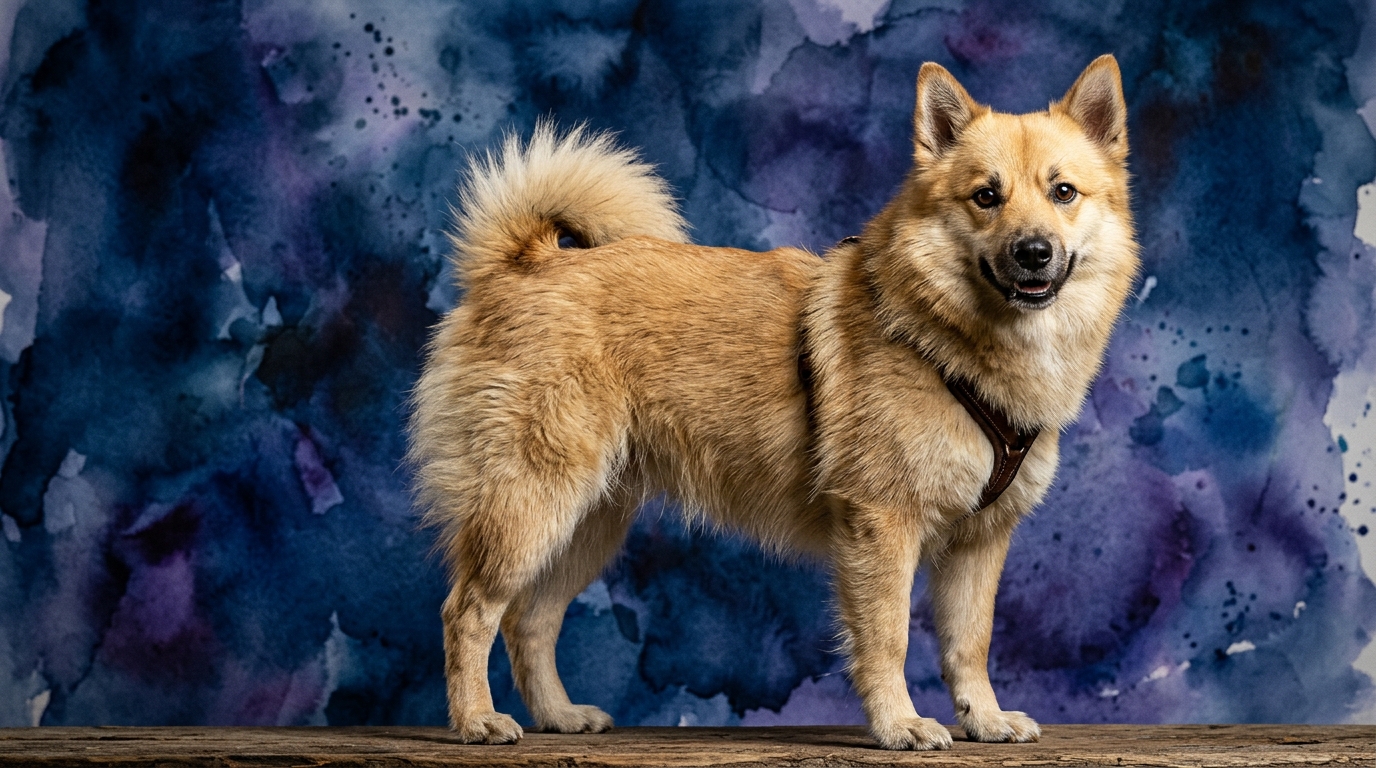

Side-by-Side IQ Profile: Interpreting Identical Scores
Both the Norwegian Buhund and the Rat Terrier register a consistent 3/5 across problem-solving, training speed, social intelligence, instinctive drive, and memory. This uniform score suggests neither breed is prone to extreme cognitive strengths or weaknesses, instead possessing a balanced, functional intelligence. However, the application of these scores is profoundly shaped by their breed groups and historical occupations.
As a herding dog, the Buhund's 3/5 in Problem Solving likely reflects an ability to adapt to dynamic flock movements, anticipating animal behavior within a defined system rather than innovating entirely new strategies. Their 3/5 Training Speed indicates a willingness to learn and please, often eager to engage with their handler, though their deep-seated herding instincts can sometimes present a delightful challenge. A 3/5 in Social Intelligence means they are generally adept at reading human cues and forming strong bonds, while their Instinctive Drive of 3/5 manifests as a watchful, vocal nature, always ready to "manage" their environment. Finally, their 3/5 Memory allows them to retain complex routines and commands essential for effective herding over time.
The Rat Terrier, a tenacious member of the Terrier group, applies its 3/5 Problem Solving to practical, immediate challenges like locating vermin or navigating tight spaces. Their 3/5 Training Speed highlights their quick grasp of concepts, yet this is often coupled with an independent streak and a strong focus on self-interest, particularly when prey drive is engaged. Social Intelligence at 3/5 suggests they are capable of strong family bonds but can be more reserved or discerning with strangers, reflecting their self-reliant nature. Their Instinctive Drive, also 3/5, is powerfully expressed through their relentless prey drive, digging, and chasing behaviors, which are central to their identity. A 3/5 Memory in Rat Terriers means they effectively recall locations, boundaries, and learned behaviors, although their independent spirit might sometimes make them seem selectively forgetful if a more stimulating activity arises.
Where the Norwegian Buhund Wins Cognitively
The Norwegian Buhund's cognitive strengths truly shine in scenarios requiring sustained focus and a nuanced understanding of social dynamics within a group. Their 3/5 in Problem Solving, when applied to herding, involves continuous assessment of a moving "puzzle" – anticipating the next move of a sheep or adjusting their approach based on the flock's collective behavior. This isn't about solving a single, discrete puzzle, but managing an evolving, multi-agent system, which demands a particular type of adaptive thinking.
Furthermore, the Buhund's 3/5 Social Intelligence, coupled with their herding background, often translates into a keen ability to read their human family's moods and intentions, sometimes even taking on a "caretaker" role. They excel at understanding complex household routines and anticipating daily events, making them exceptionally integrated family members. Their vocal nature, a manifestation of their instinctive drive, also means they are proactive communicators, "alerting" their owners to perceived changes in their environment, a cognitive advantage for vigilance and partnership.
Where the Rat Terrier Wins Cognitively
The Rat Terrier's cognitive prowess, despite the identical 3/5 scores, is distinctly geared towards independent action, rapid decision-making, and tenacious pursuit. Their 3/5 in Problem Solving is less about managing a group and more about finding innovative, often physical, solutions to immediate challenges, such as figuring out how to access a perceived hiding spot for vermin or navigating complex terrain during a chase. This involves quick, on-the-spot assessments and a willingness to try different approaches until success is achieved.
The Rat Terrier's 3/5 Instinctive Drive manifests as an unwavering determination that, while sometimes challenging for owners, is a cognitive strength in itself. This persistence allows them to overcome obstacles and maintain focus on a singular goal, whether it's digging a tunnel or tracking a scent, long after other breeds might give up. Their 3/5 Training Speed, when properly harnessed, allows them to learn complex sequences of actions rapidly, especially when these tasks are framed as engaging "hunts" or problem-solving games that appeal to their inherent drive for discovery and capture.
Which is Easier to Train and Why
When considering ease of training, the Norwegian Buhund generally offers a more straightforward experience for the average owner, primarily due to their strong desire to work in partnership with humans. Their 3/5 Training Speed is often bolstered by an inherent eagerness to please and a clear understanding of their role within a family "flock." They respond well to positive reinforcement and consistent methods, thriving on structure and clear expectations. While their vocal nature and herding instincts require channeling, they are typically keen to learn what is expected of them and enjoy engaging in training sessions as a bonding activity.
The Rat Terrier, while possessing an equally rated 3/5 Training Speed, often presents a different kind of training challenge due to their independent nature and powerful prey drive. They learn quickly, but their self-reliance means they might question the value of a command if something more interesting (like a squirrel or a scent) presents itself. Training success with a Rat Terrier requires creativity, high-value rewards, and varied sessions to maintain their interest. Owners must understand that their 3/5 Instinctive Drive for chasing and digging isn't easily suppressed and needs appropriate outlets, making management of these behaviors a key aspect of their training journey.
Which Suits Active Owners vs. Relaxed Owners
Both the Norwegian Buhund and the Rat Terrier are best suited for active owners, though the nature of that activity differs. The Buhund, with its herding heritage, thrives on structured activity that provides a job or a sense of purpose. This means daily brisk walks, hiking, dog sports like agility or obedience, or even mock herding activities. Their 3/5 Instinctive Drive and Problem Solving capacity mean they need consistent mental and physical engagement to prevent boredom and potential destructive behaviors. Owners who enjoy vocal, engaged partners for daily adventures and structured training will find a Buhund incredibly rewarding.
While neither breed is ideal for a truly "relaxed" owner in the sense of a sedentary lifestyle, the Rat Terrier can sometimes fit into a slightly less structured active routine compared to the Buhund, provided their specific drives are met. Their activity can be more burst-like – intense play sessions, vigorous games of fetch, or short, focused walks where they can explore scents. Owners must be prepared to manage their 3/5 Instinctive Drive, providing secure yards for digging and opportunities for safe, supervised off-leash running in appropriate environments. A Rat Terrier can adapt to apartment living if their cognitive and physical needs are consistently addressed through engaging play and mental stimulation, making them suitable for active urban dwellers who prioritize interactive games and training over long, continuous outdoor treks.
The Verdict
Choose the Norwegian Buhund if you seek a vocal, engaged partner for structured activities and thrive on a strong, communicative bond, particularly if you enjoy dog sports or have a lifestyle that can accommodate their herding instincts and need for purpose.
Opt for the Rat Terrier if you appreciate a quick-witted, tenacious companion for varied adventures, are prepared to manage a strong prey drive, and enjoy a dog that thinks for itself, thriving on interactive games and mental challenges.
🧠 Find Your Pet's IQ Score
Our Pet IQ Lab assessment covers 25+ tests across 5 cognitive dimensions — personalized to your breed.
Take the Full IQ Test →Frequently Asked Questions
Do identical IQ scores mean these breeds are equally easy to live with?
No, identical IQ scores of 3/5 across the board indicate a balanced cognitive profile for both breeds, but their historical roles mean these scores manifest very differently in daily life. Their distinct instincts and temperaments create unique challenges and rewards for owners.
How does the Norwegian Buhund's herding background influence its intelligence?
The Buhund's herding background means its 3/5 problem-solving and social intelligence are geared towards managing dynamic groups and reading subtle cues. This fosters a watchful, communicative partner adept at understanding routines and anticipating events within its 'flock' – your family.
What does the Rat Terrier's prey drive mean for its cognitive function?
The Rat Terrier's strong 3/5 instinctive drive for prey means its problem-solving and memory are often applied to locating and pursuing targets. This results in a tenacious, independent dog that excels at quick, practical solutions and remembers specific locations or scents, requiring engaging outlets for these drives.