Side-by-Side IQ Profile: Buhund vs. Wheaten
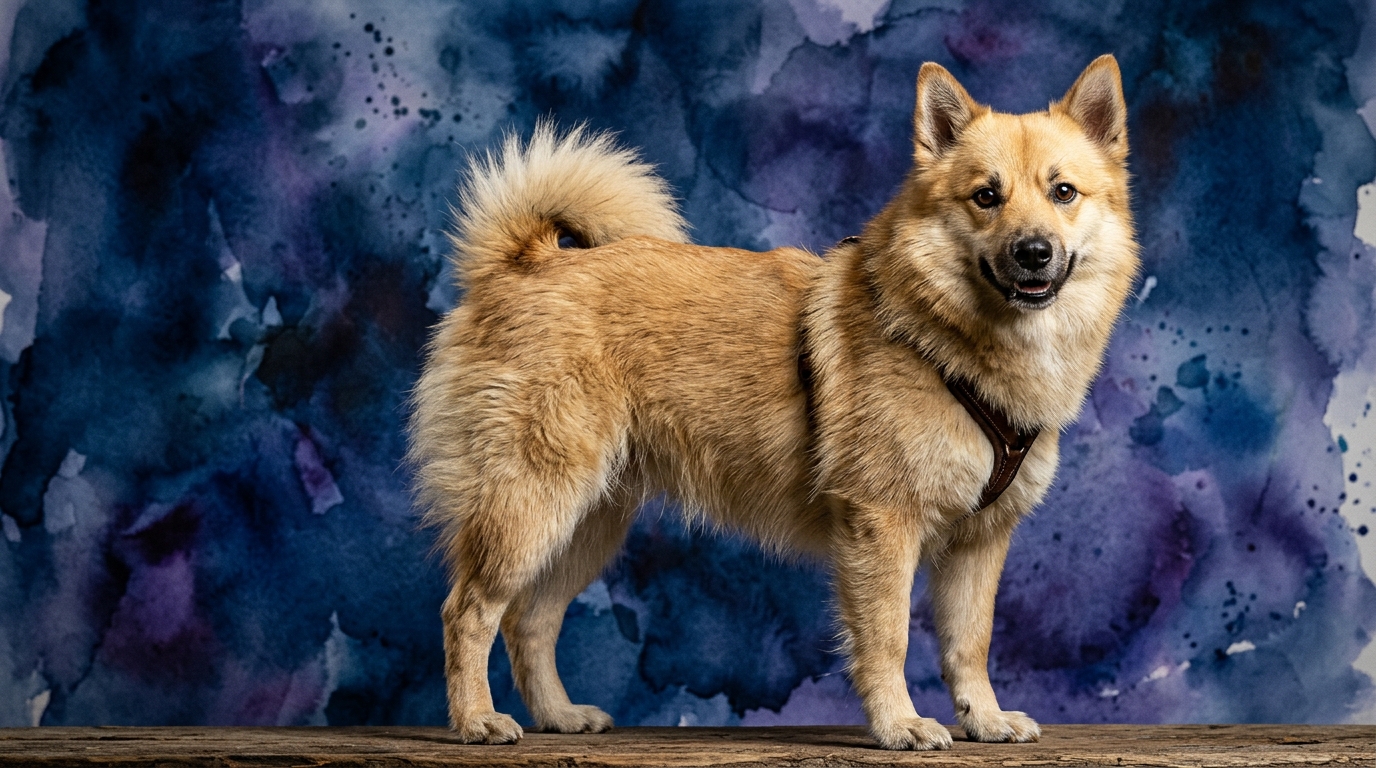
Originating as a versatile farm and herding dog in Norway, the Norwegian Buhund's 3/5 Problem Solving reflects its historical need to make independent decisions in dynamic environments, such as guiding livestock or alerting to predators, often without direct human instruction. Its 3/5 Training Speed indicates a capacity for learning commands and routines efficiently, though its independent spirit means consistency and clear motivation are key. Social Intelligence at 3/5 highlights its ability to read human intentions and form strong bonds with its family, crucial for a close working partner. The 3/5 Instinctive Drive points to its innate herding behaviors, vigilance, and protective instincts, while Memory at 3/5 allows it to recall complex routines, commands, and the layout of its territory.
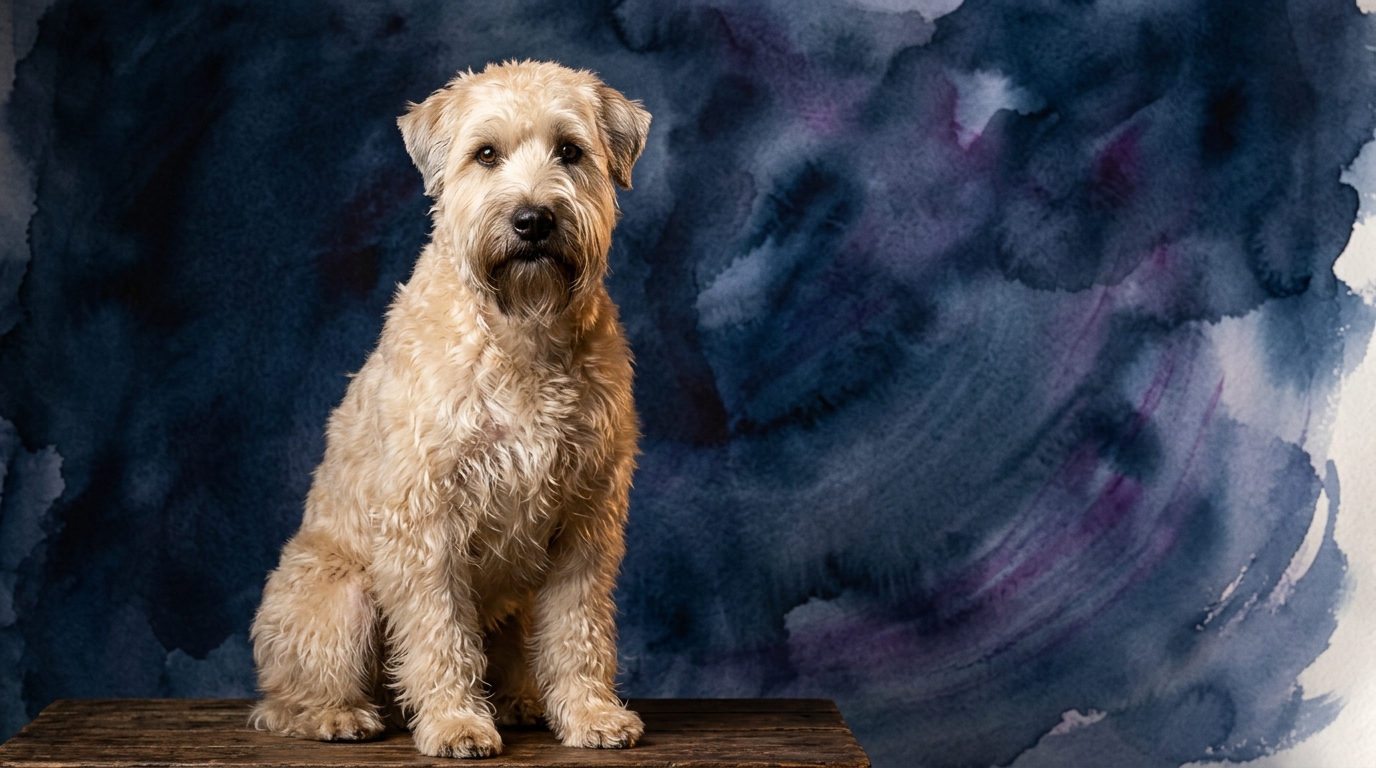
Hailing from Ireland as a general farm dog primarily tasked with vermin control and guarding, the Soft Coated Wheaten Terrier's 3/5 Problem Solving rating speaks to its historical need for tenacity and resourcefulness in flushing out and dispatching prey, often requiring creative solutions to obstacles. Its 3/5 Training Speed means it learns quickly, but this breed's characteristic terrier exuberance and independent streak can sometimes translate into a "what's in it for me?" attitude during training sessions. Social Intelligence at 3/5 reflects its affable and engaging nature with its family, often expressing joy and seeking interaction, though sometimes with a boisterous enthusiasm. The 3/5 Instinctive Drive is evident in its strong prey drive, digging tendencies, and desire to explore, while Memory at 3/5 ensures it remembers routines, people, and where exciting things like squirrels might be found.
Where the Norwegian Buhund Wins Cognitively
The Norwegian Buhund's cognitive strengths truly shine in scenarios requiring independent yet cooperative problem-solving, a direct inheritance from its herding lineage. While both breeds score 3/5 in Problem Solving, the Buhund's manifestation leans towards strategic thinking within a structured, dynamic environment. Imagine a Buhund guiding a flock or navigating complex terrain to bring sheep home; this requires anticipating animal movement, understanding spatial relationships, and making quick, sound judgments without constant human direction. Their vigilance, an aspect of their Instinctive Drive, is not just about barking, but about a nuanced assessment of their surroundings, often distinguishing between routine occurrences and genuine threats, a cognitive function requiring sophisticated pattern recognition and risk evaluation. This breed excels when given a job that leverages its innate desire to watch, manage, and protect, demonstrating a focused mental stamina in tasks that benefit from a broad, situational awareness rather than intense, localized focus.
Where the Soft Coated Wheaten Terrier Wins Cognitively
Conversely, the Soft Coated Wheaten Terrier's cognitive advantages are rooted in its terrier heritage, excelling in persistent, focused problem-solving driven by strong sensory input and an unwavering determination. While also scoring 3/5 in Problem Solving, the Wheaten's approach is often characterized by its tenacity in pursuing a goal, whether it's a scent trail, a hidden toy, or figuring out how to bypass an obstacle to reach something interesting. This breed's Instinctive Drive, also 3/5, manifests as an intense, almost single-minded focus when engaged in tasks that tap into its prey drive, like scent work or agility courses where quick, decisive actions are rewarded. They possess a remarkable ability to adapt quickly to novel situations, often employing a trial-and-error approach with an infectious enthusiasm that can turn complex challenges into engaging games. Their social intelligence, a playful 3/5, often allows them to 'charm' their way into getting what they want, demonstrating a clever use of interaction to influence their environment and their human companions.
Which is Easier to Train, and Why?
Despite both breeds scoring 3/5 in Training Speed, the ease of training can differ significantly due to their underlying motivational frameworks and historical roles. The Norwegian Buhund, with its herding background, often possesses an inherent desire to work cooperatively with a handler. Their independence in problem-solving within a herding context still typically involves a strong bond and responsiveness to their human partner's overall goals. This means that while they might think for themselves, they are generally receptive to structured training, finding satisfaction in pleasing their owner and fulfilling a 'job.' Consistent, positive reinforcement methods tend to yield steady progress with Buhunds who appreciate clear expectations and a sense of purpose. In contrast, the Soft Coated Wheaten Terrier's terrier spirit brings a different dynamic. While quick to learn, their training often requires more creativity and a stronger 'what's in it for me?' approach. Their independent hunting instincts mean they can be easily distracted by environmental stimuli and might question the necessity of a command if it doesn't immediately align with their current interest. Training a Wheaten often feels more like a negotiation, requiring patience, humor, and varied, engaging methods to keep their attention and harness their exuberant energy. Therefore, while both learn at a similar pace, the Buhund generally offers a more straightforward, cooperative training experience, whereas the Wheaten demands a more adaptable and inventive trainer.
Which Suits Active vs. Relaxed Owners?
Both the Norwegian Buhund and the Soft Coated Wheaten Terrier are breeds that thrive with active engagement, making neither an ideal choice for truly relaxed, sedentary owners. However, the *nature* of that required activity and mental stimulation differs. The Norwegian Buhund, with its herding heritage, requires consistent physical exercise and mental challenges that tap into its working intellect. This means daily brisk walks, opportunities to run, and structured activities like obedience, agility, or even herding trials. Owners who enjoy hiking, long walks, or participating in dog sports will find a Buhund a willing and capable companion. They benefit from having a 'job' to do, even if it's just advanced obedience or puzzle toys, to satisfy their strategic problem-solving and watchful instincts. Without adequate mental and physical outlets, a Buhund can become bored and potentially destructive. The Soft Coated Wheaten Terrier also demands significant activity, but its terrier energy often manifests as a more playful, boisterous, and exploratory drive. They need plenty of opportunities to run, play games of fetch, and engage in vigorous play sessions. Their keen senses and prey drive mean they enjoy exploring new environments and benefit greatly from scent work or earthdog activities that simulate their historical roles. While they can adapt to apartment living if their exercise needs are met, they are not content to be couch potatoes. Owners who enjoy interactive play, frequent outings, and can channel a dog's energetic exuberance will find a Wheaten a delightful partner. Neither breed is suited for owners looking for a low-maintenance exercise routine; both require dedicated effort to keep their minds and bodies engaged, ensuring a well-adjusted companion.
The Verdict
Choose the Norwegian Buhund if you appreciate a cooperative working partner who thrives on structured tasks, independent decision-making within a framework, and a vigilant, watchful presence.
Opt for the Soft Coated Wheaten Terrier if you are drawn to an exuberant, persistent companion who excels in playful problem-solving, thrives on engaging interaction, and brings spirited tenacity to daily life.
🧠 Find Your Pet's IQ Score
Our Pet IQ Lab assessment covers 25+ tests across 5 cognitive dimensions — personalized to your breed.
Take the Full IQ Test →Frequently Asked Questions
Do Norwegian Buhunds and Soft Coated Wheaten Terriers truly have the same intelligence?
While both breeds score identically across The Cosmic Pet Pet IQ Lab's five cognitive dimensions, their intelligence manifests differently due to their distinct historical roles. The numerical scores represent a general capacity, but the application of that capacity is unique to each breed's instincts and motivations.
Which breed is better for first-time dog owners?
Neither breed is inherently "easy" for a first-time owner, as both require consistent training, socialization, and significant exercise. However, a Norwegian Buhund might be slightly more forgiving for a novice due to its cooperative nature in training, while a Wheaten Terrier's spirited independence can be more challenging without prior experience.
How do their problem-solving skills differ in everyday life?
A Norwegian Buhund might excel at figuring out how to alert you to a distant delivery person or navigate a complex dog park with purpose, reflecting its strategic herding mind. A Soft Coated Wheaten Terrier might more readily devise a clever way to get a hidden toy or open a cabinet door, showcasing its tenacious, persistent terrier ingenuity.