Side-by-Side IQ Profile: Norwegian Buhund vs. Standard Schnauzer
The Cosmic Pet Pet IQ Lab employs a five-dimensional framework to assess canine intelligence, offering a nuanced view beyond simple obedience. Let's examine how the Norwegian Buhund and Standard Schnauzer fare across these crucial cognitive aspects.
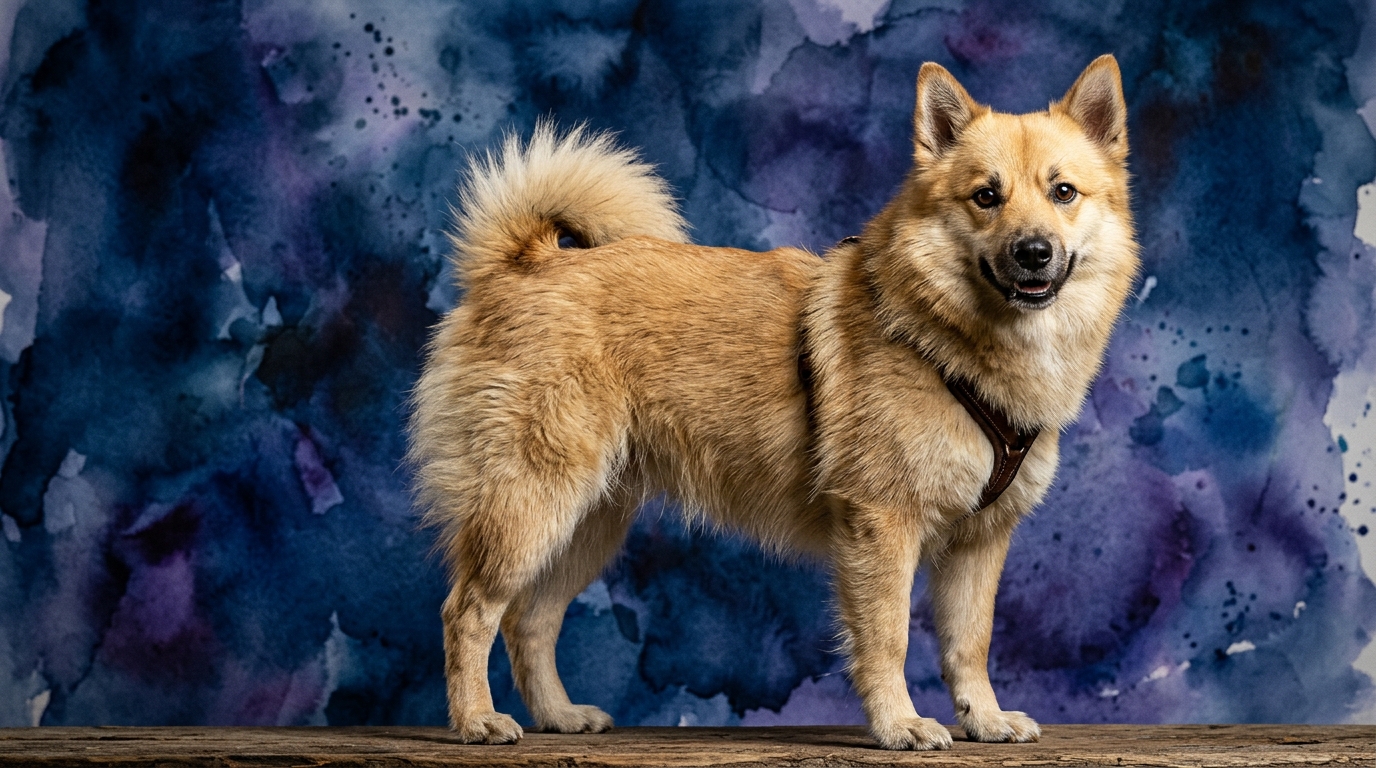
**Norwegian Buhund: The Balanced Herder**
**Problem Solving (3/5):** These dogs demonstrate a competent ability to navigate new situations and figure out solutions, often relying on their own judgment. They won't always seek human direction immediately but possess an innate capacity for practical, on-the-spot decisions, typical of a herding animal needing to manage livestock.
**Training Speed (3/5):** Buhunds learn at a steady pace, capable of acquiring new commands and routines with consistent, positive reinforcement. While not the quickest to grasp every new concept, they are certainly receptive to instruction and form lasting associations over time.
**Social Intelligence (3/5):** Their understanding of human cues and social dynamics is solid. They generally connect well with their families, reading moods and intentions accurately, but maintain a degree of independence rather than being overtly people-pleasing.
**Instinctive Drive (3/5):** The Buhund's herding heritage is evident in a moderate drive to gather, chase, and control, which can manifest in playful ways with family members or other pets. This drive is manageable but requires appropriate outlets.
**Memory (3/5):** Buhunds retain learned information, commands, and routines reliably. Once a behavior is established, they typically remember it, though a refresher might be beneficial after long breaks. Their memory for places and people is also robust.
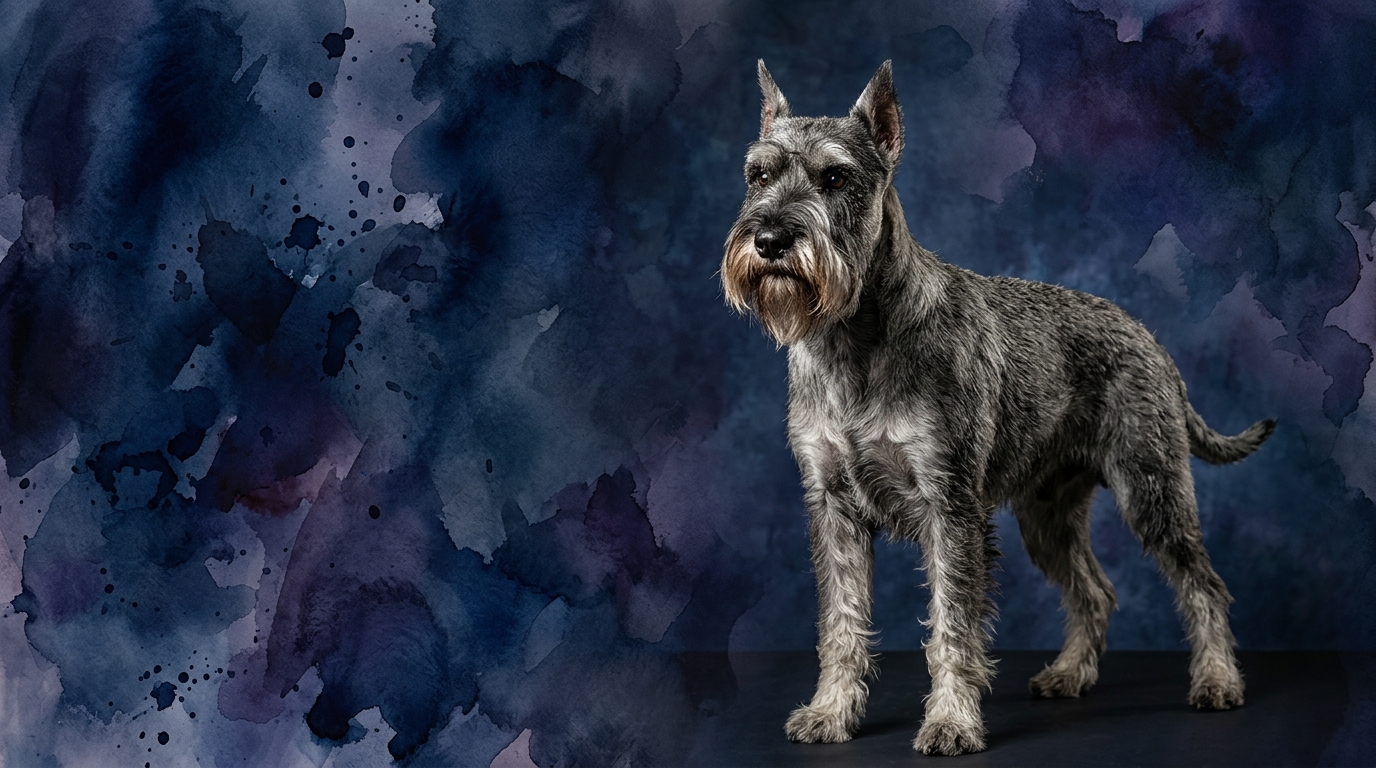
**Standard Schnauzer: The Diligent Worker**
**Problem Solving (4/5):** Standard Schnauzers exhibit a strong aptitude for solving complex problems, often demonstrating strategic thinking and persistence. They excel at tasks requiring multiple steps or adapting to changing conditions, a testament to their history as versatile working dogs.
**Training Speed (4/5):** These dogs are quick studies, absorbing new commands and behaviors with remarkable efficiency. Their desire to work and please their handlers, combined with their cognitive capacity, makes them highly responsive to training efforts, often picking up concepts after just a few repetitions.
**Social Intelligence (3/5):** Schnauzers possess a good understanding of social cues and human intentions, forming strong bonds with their families. They are attentive to their people and can be quite perceptive, though their focus on tasks can sometimes override subtle social nuances.
**Instinctive Drive (3/5):** Their working background instills a moderate drive for purpose-driven activities, whether it's guarding, hunting vermin, or engaging in dog sports. This drive is channelled into constructive tasks rather than being overly diffuse.
**Memory (4/5):** Standard Schnauzers have an excellent memory, retaining a vast repertoire of commands, routines, and experiences over extended periods. This strong recall makes them highly dependable once trained, rarely forgetting what they have learned.
Where the Norwegian Buhund Wins Cognitively
While the Standard Schnauzer edges out the Buhund in several quantitative IQ metrics, the Norwegian Buhund's balanced cognitive profile offers distinct advantages in specific contexts. Its Problem Solving at 3/5, combined with a 3/5 in Social Intelligence, suggests a dog that is capable of independent thought without being overly demanding of human intervention. This means a Buhund might be more adept at self-entertaining or making sensible decisions in situations where direct human instruction isn't immediately available, a valuable trait for a dog historically entrusted with managing livestock autonomously. Their moderate instinctive drive (3/5) also means their herding tendencies are present but often more manageable than breeds with higher, more intense drives, allowing for a more adaptable integration into diverse family environments without overwhelming behavioral needs. This breed offers a consistent, all-around cognitive presence that can be highly rewarding for owners who appreciate a dog with a solid, self-reliant mental framework.
Where the Standard Schnauzer Wins Cognitively
The Standard Schnauzer truly shines in areas demanding rapid learning, precise execution, and strong retention, reflecting its Coren rank of #22 among breeds for obedience and working intelligence. With a Problem Solving score of 4/5, these dogs approach challenges with a strategic mindset, often working through obstacles with determination and cleverness, making them excellent candidates for complex obedience, agility, or working roles. Their Training Speed of 4/5 means they acquire new commands and behaviors quickly, often requiring fewer repetitions than many other breeds, which can be a significant advantage for owners keen on advanced training or competitive dog sports. Furthermore, their superior Memory (4/5) ensures that once a lesson is learned, it is retained effectively, leading to highly consistent performance over time and a dependable companion in various situations. This cognitive makeup makes them exceptionally responsive and capable partners for structured activities.
Which is Easier to Train and Why
When considering ease of training, the Standard Schnauzer generally holds an edge over the Norwegian Buhund. The Schnauzer's Training Speed of 4/5 indicates a dog that picks up new concepts and commands with remarkable alacrity, often eager to engage with its handler and learn. Their strong memory (4/5) further solidifies this, meaning once a behavior is taught, it is likely to stick. This translates into faster progression through training levels and more reliable recall in varied environments, as they are less prone to 'forgetting' what they've been taught. In contrast, the Norwegian Buhund's Training Speed of 3/5, while still competent, suggests a more moderate pace of learning. Buhunds, with their herding background, often possess a strong independent streak and a tendency to evaluate situations before acting, which can sometimes translate into needing more patience and creative motivation during training sessions compared to the Schnauzer's more direct, task-oriented approach. Training a Buhund often requires understanding their inherent desire to make their own decisions, whereas a Schnauzer is often more inclined to look to its human for direction, making the learning process feel more collaborative and less like a negotiation.
Which Suits Active Owners vs. Relaxed Owners
Neither the Norwegian Buhund nor the Standard Schnauzer are breeds suited for genuinely relaxed, sedentary owners; both require significant physical activity and mental engagement to thrive. However, the *type* of activity and engagement differs. The Norwegian Buhund, with its balanced 3/5 scores across the board, particularly in instinctive drive and problem-solving, suits an active owner who appreciates a dog capable of independent thought and enjoys varied outdoor activities like hiking, agility, or even herding games that tap into their natural instincts. They need mental stimulation that allows them to use their brains to figure things out, but may also be content with exploring their surroundings alongside their human without constant direction. The Standard Schnauzer, with its 4/5 scores in problem Solving, Training Speed, and Memory, thrives with active owners who enjoy structured activities, learning new skills, and having a 'job' for their dog. They excel in obedience, tracking, protection sports, or any activity that provides a clear purpose and allows them to utilize their quick learning and retention. While both are active, the Schnauzer often desires more direct, purposeful interaction and training, demanding a more hands-on approach from its owner, whereas the Buhund might be content with more independent exploration alongside its owner, provided its mental needs are met.
The Verdict
Choose the Norwegian Buhund if you appreciate a balanced, independent canine companion capable of making its own decisions, and you're prepared to engage its moderate herding instincts with varied, stimulating activities.
Opt for the Standard Schnauzer if you seek a highly trainable, quick-witted partner eager to learn complex tasks, and you're committed to providing structured mental and physical challenges for a diligent working dog.
🧠 Find Your Pet's IQ Score
Our Pet IQ Lab assessment covers 25+ tests across 5 cognitive dimensions — personalized to your breed.
Take the Full IQ Test →Frequently Asked Questions
Do Norwegian Buhunds bark a lot due to their intelligence?
Norwegian Buhunds do tend to be vocal, often using their voice to alert or express themselves, a trait linked to their herding and watch dog history. While not directly tied to a specific IQ score, their social intelligence (3/5) allows them to communicate effectively, and owners should manage this natural inclination through training.
Are Standard Schnauzers good for first-time dog owners given their training speed?
Standard Schnauzers, with their 4/5 training speed and excellent memory, can be suitable for first-time owners who are committed to consistent, positive training and providing ample mental and physical stimulation. Their quick learning makes them rewarding to train, but their strong will and energy require a dedicated owner.
How do the problem-solving differences manifest in daily life for these breeds?
A Norwegian Buhund (Problem Solving 3/5) might independently figure out how to open a gate or find a lost toy, relying on its own judgment, perhaps taking a bit longer but persisting. A Standard Schnauzer (Problem Solving 4/5) might more readily learn a complex multi-step puzzle toy or quickly adapt a learned command to a novel situation, often looking to its owner for the next challenge and solving it with greater efficiency.