Side-by-Side Cognitive Profile
The Cosmic Pet Pet IQ Lab assesses canine intelligence across five critical dimensions, providing a granular view of a breed's cognitive strengths. Interestingly, both the Norwegian Buhund (Herding Group) and the Sussex Spaniel (Sporting Group) register identical scores of 3/5 in problem-solving, training speed, social intelligence, instinctive drive, and memory. However, a deeper look into their breed-specific applications of these scores illuminates distinct cognitive leanings.
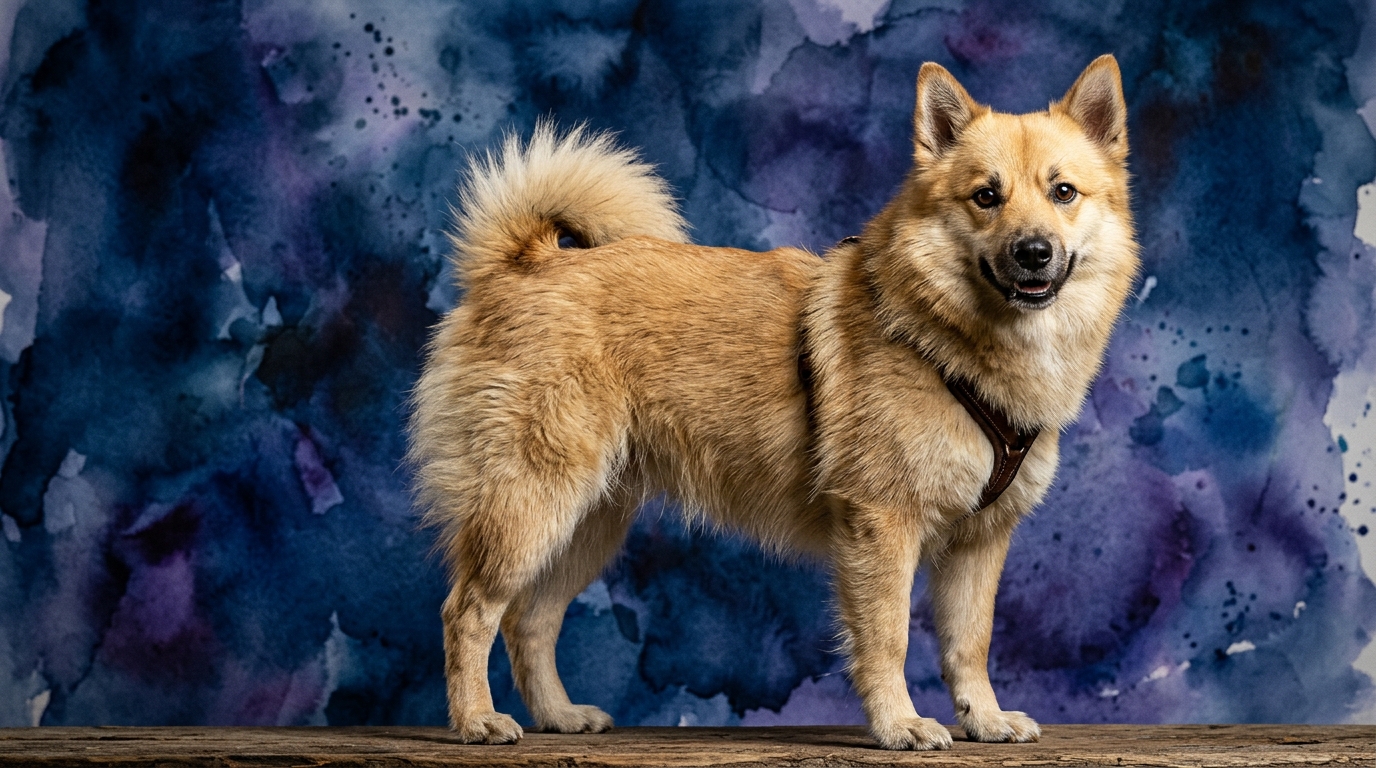
For the **Norwegian Buhund**, a 3/5 in Problem Solving reflects their practical, on-the-spot aptitude in dynamic environments, particularly managing livestock. They excel at assessing herd movement, anticipating routes, and adjusting strategy to guide animals effectively, applying cognitive skills to fluid, real-world scenarios rather than abstract puzzles. Their Training Speed (3/5) indicates a good capacity to learn commands and routines; their herding background fosters partnership, but their independent nature means they learn best when tasks are engaging and they understand the purpose behind the request. Social Intelligence (3/5) is evident in their ability to interpret subtle cues from handlers and animals, reading body language and adapting behavior to maintain harmony within a group. Their Instinctive Drive (3/5) is rooted in an innate need to gather and control, providing powerful internal motivation for work that channels into various activities beyond traditional herding. Lastly, Memory (3/5) allows Buhunds to exhibit solid recall, retaining learned commands, routines, and environmental layouts, crucial for herding tasks and translating to household rules.
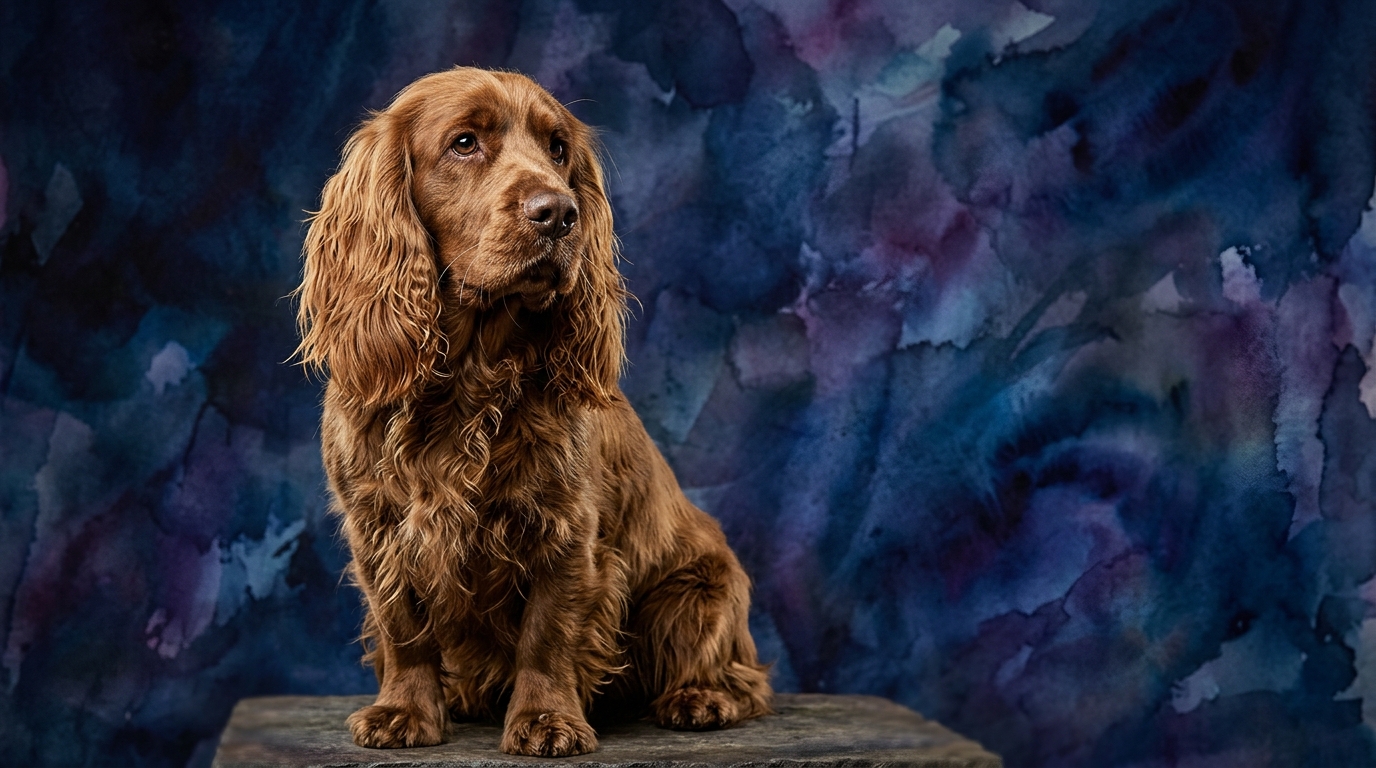
The **Sussex Spaniel's** 3/5 in Problem Solving highlights their skill in navigating dense cover and persistent tracking, excelling at figuring out how to flush hidden game or retrieve from challenging spots, using senses and physical capabilities to overcome obstacles. Their Training Speed (3/5) means they learn steadily, especially with scent work, retrieving, or tasks aligning with hunting instincts; they respond well to positive reinforcement, though their independent streak and scent focus can make them appear less immediately responsive. Social Intelligence (3/5) is expressed through cooperative field work, partnering closely with a hunter, understanding signals and commands, and showing awareness of human intentions. The Sussex Spaniel's Instinctive Drive (3/5) stems from their sporting heritage: a powerful desire to hunt, flush, and retrieve, fueling enthusiasm for outdoor activities and making them tenacious workers. Their Memory (3/5) encompasses good recall for scent trails, game locations, and learned commands, vital for effective hunting and translating to remembering routines and regular encounters.
Where the Norwegian Buhund Excels Cognitively
The Norwegian Buhund displays a distinct cognitive advantage in dynamic environmental problem-solving and independent decision-making. Their herding background honed an ability to assess complex, changing situations—like anticipating flock movement or reacting to terrain shifts—and make quick, effective judgments. They actively contribute to strategy, often taking initiative without constant prompting. This translates to an aptitude for agility sports, sequential trick training, or navigating new environments with self-reliant confidence. Their strength lies in adaptive thinking for fluid, real-world scenarios, excelling beyond rote memorization.
Where the Sussex Spaniel Excels Cognitively
Conversely, the Sussex Spaniel excels in tasks demanding sustained focus, acute sensory processing, and perseverance. Their sporting purpose developed an exceptional ability to lock onto a scent trail and follow it with unwavering concentration, filtering distractions to achieve their objective. This requires sophisticated cognitive capacity to process olfactory information, remember trail nuances, and strategically navigate obstacles. While a Buhund makes broad strategic decisions, a Sussex Spaniel meticulously executes specialized, sensory-driven tasks with remarkable tenacity. This makes them strong in scent work, tracking, or activities where focused, long-duration engagement with sensory input is paramount, often displaying quiet determination.
Training Differences: Independence vs. Instinct
Both breeds score 3/5 in training speed, yet their learning approaches differ. The Norwegian Buhund, an independent thinker, often seeks to understand the 'why' behind a command. Training requires consistency, clear communication, and engaging tasks to prevent self-employment. They respond well to positive reinforcement and collaborative styles but might test boundaries if purpose or leadership is unclear. The Sussex Spaniel, while also benefiting from positive reinforcement, can be more biddable when motivated by scent, food, or praise, especially for tasks aligning with their natural instincts. However, their intense focus on scent is a significant distraction; once a compelling scent is found, they become singularly focused, making recall challenging. This 'spaniel deafness' isn't lack of intelligence but overwhelming drive, requiring strong recall commands from an early age and environmental management during training. Neither is inherently 'easier'; the Buhund challenges with independence, the Sussex Spaniel with intense sensory focus.
Matching Canine Companions to Lifestyles
The choice between a Norwegian Buhund and a Sussex Spaniel largely depends on an owner's lifestyle. Norwegian Buhunds, from a herding background, suit active owners. They thrive on purpose, requiring consistent mental stimulation and vigorous physical exercise. Owners enjoying hiking, dog sports, or providing a 'job' will find a Buhund rewarding; they can become restless if under-exercised or bored. The Sussex Spaniel, while possessing a strong sporting drive, can adapt to a slightly more relaxed lifestyle once exercise needs are met. They still need regular, moderate exercise, ideally with scent work. After a good walk or 'hunting' session, a Sussex Spaniel is often content to relax indoors. They are suitable for owners appreciating a calm indoor presence but committed to daily outdoor activity and mental engagement. They are less prone to extreme restlessness than a Buhund if a day's activity is slightly less intense, but still require consistent effort.
The Verdict
When seeking a canine partner, choose the Norwegian Buhund if you are an active, engaged owner eager to provide consistent mental challenges and physical outlets for a confident, problem-solving companion.
Opt for the Sussex Spaniel if you appreciate a tenacious, scent-driven companion who thrives on focused activity outdoors but is also content with a calmer, affectionate presence indoors after their needs are met.
🧠 Find Your Pet's IQ Score
Our Pet IQ Lab assessment covers 25+ tests across 5 cognitive dimensions — personalized to your breed.
Take the Full IQ Test →Frequently Asked Questions
Are Norwegian Buhunds good with children?
Norwegian Buhunds are typically friendly and tolerant with children, often enjoying family play. Their herding instincts may lead them to 'herd' young children, so supervision and early training are important to channel this behavior appropriately.
Do Sussex Spaniels require a lot of grooming?
Sussex Spaniels have a thick, wavy coat needing regular grooming to prevent matting and maintain health. Weekly brushing is essential, along with occasional trimming, especially around their ears and feet.
Which breed is more vocal?
Norwegian Buhunds are generally more vocal, using various barks and yips to communicate, often alerting owners or expressing excitement. Sussex Spaniels are typically quieter, though they possess a deep, resonant bark they use when excited or focused on a scent.