Side-by-Side Cognitive Profiles
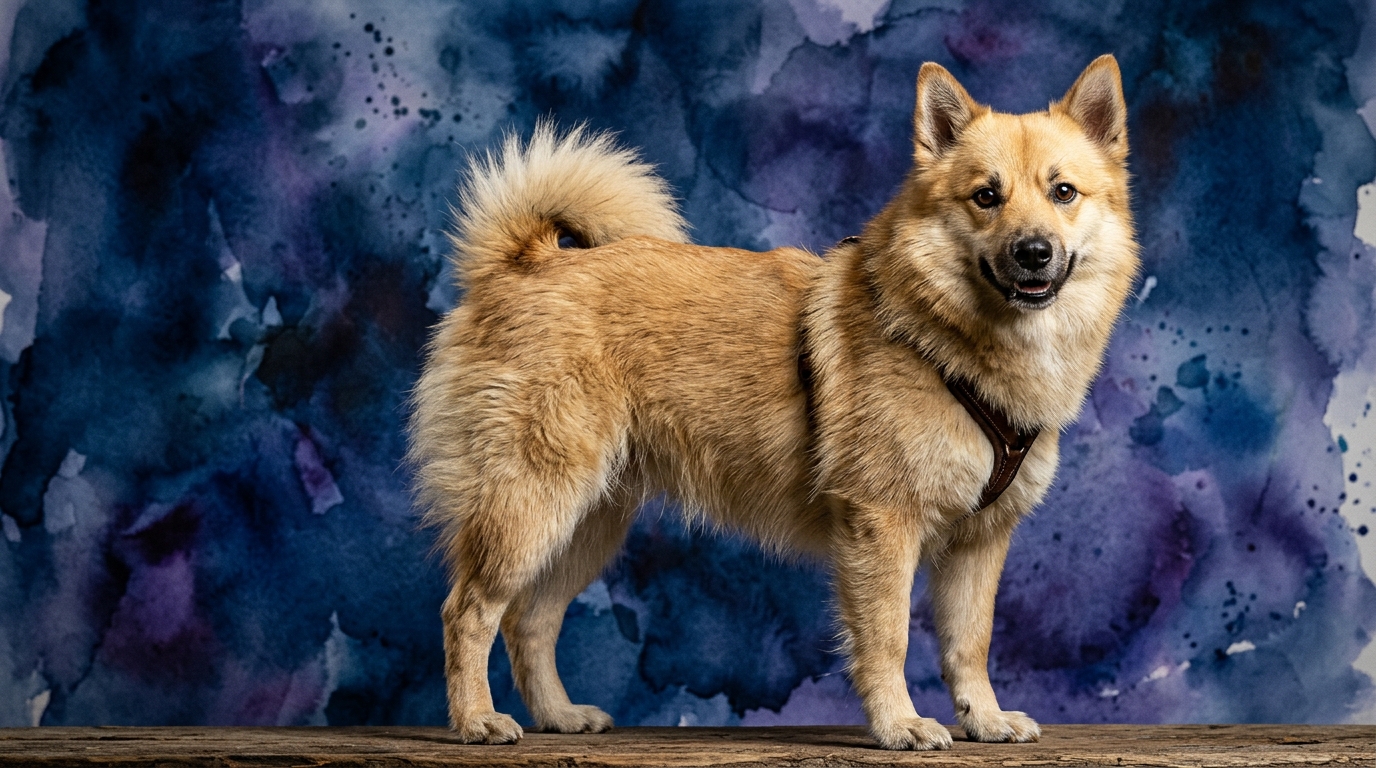
The Norwegian Buhund, a Nordic herding dog, exhibits a balanced cognitive profile reflecting its independent working heritage. Its Problem Solving is rated 3/5, indicating a capacity to figure out solutions to practical challenges, often related to managing livestock or navigating varied terrains, but perhaps with less reliance on human direction for every step. Training Speed also sits at 3/5; Buhunds can learn new commands, but their independent streak might mean they require consistent motivation and clear purpose. Social Intelligence is 3/5, suggesting they understand social cues within their pack or family, though they might not be overtly demonstrative or universally eager to please. Instinctive Drive, at 3/5, points to a moderate but present drive for activities like herding or guarding, while Memory, also 3/5, means they retain learned behaviors and experiences effectively, though perhaps not with the rapid recall of some other breeds.
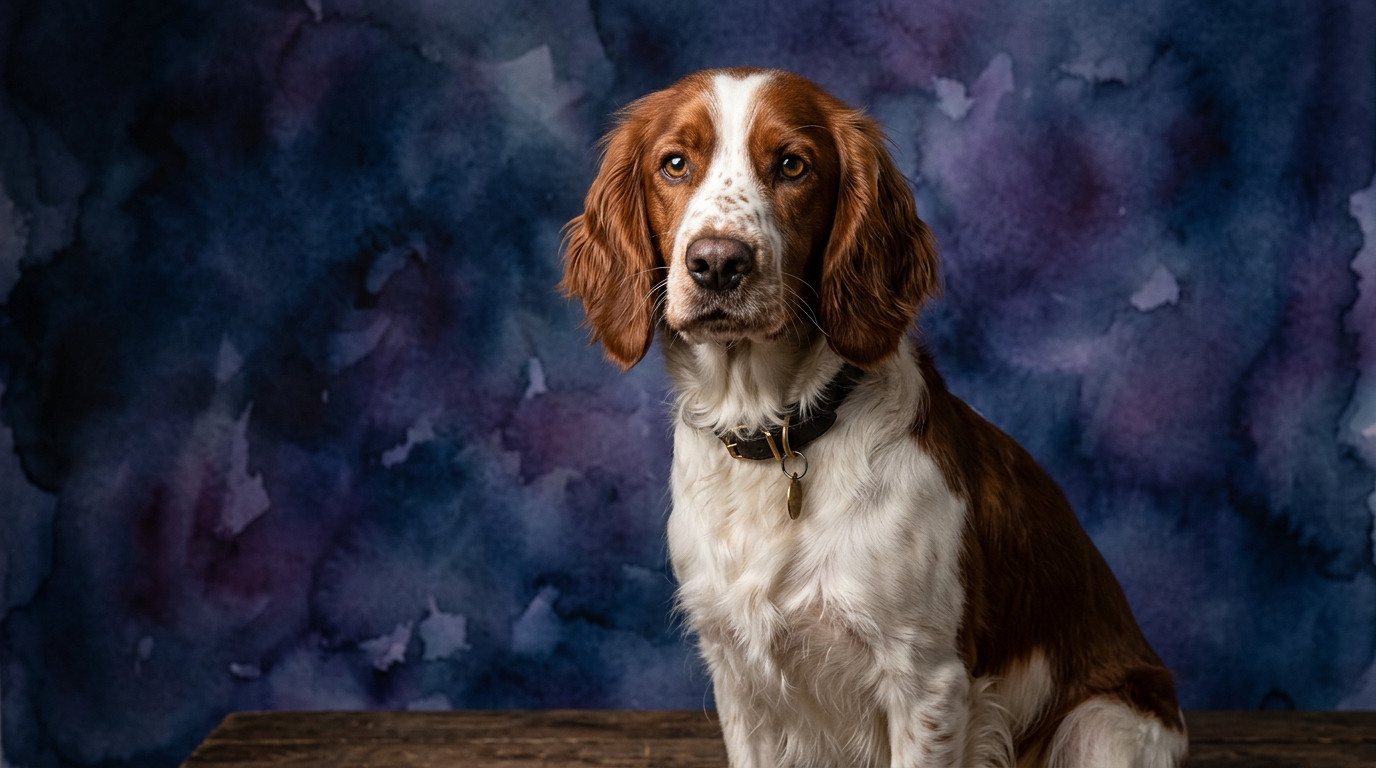
In contrast, the Welsh Springer Spaniel, a dedicated sporting dog, presents a cognitive profile geared towards partnership and task execution. Its Problem Solving is rated 4/5, demonstrating a strong ability to adapt and find solutions, particularly in scenarios involving retrieving, scent work, or navigating obstacles to complete a task. Training Speed is 4/5, signifying a quicker grasp of new commands and a strong desire to cooperate, making them generally responsive to instruction. Social Intelligence is 3/5, indicating a good understanding of human emotions and intentions, fostering strong bonds with their families. Instinctive Drive is 3/5, reflecting their natural inclination for hunting and retrieving, which requires focus and perseverance. Notably, their Memory is 4/5, highlighting an excellent capacity to remember complex sequences, commands, and past experiences, crucial for intricate field work.
Where the Norwegian Buhund Excels Cognitively
While the Welsh Springer Spaniel generally scores higher in several metrics, the Norwegian Buhund's cognitive strengths lie in its self-reliance and nuanced understanding of environmental dynamics, stemming from its herding background. Its 3/5 Problem Solving isn't about rapid obedience but rather about independently assessing a situation, like a stray sheep, and devising a solution without constant human intervention. This breed often exhibits a thoughtful approach to challenges, relying on its own judgment rather than waiting for explicit instructions. Their 3/5 Social Intelligence, while not overtly people-pleasing, means they are observant of their family's routines and moods, offering a more subtle, discerning companionship. This independence fosters a dog that can make sound decisions when left to its own devices, a trait valuable for specific working roles or for owners who appreciate a dog with a mind of its own.
Where the Welsh Springer Spaniel Excels Cognitively
The Welsh Springer Spaniel's cognitive advantages are evident in its exceptional trainability and capacity for complex task learning. Their 4/5 Problem Solving shines when presented with structured challenges that require sequential steps or adapting strategies to reach a goal, such as intricate scent trails or multi-stage retrieves. This breed's 4/5 Training Speed means they absorb new commands rapidly, often requiring fewer repetitions than the Buhund. Coupled with their 4/5 Memory, they excel at retaining a vast repertoire of commands and routines over time, allowing them to perform intricate tasks with reliability. This superior capacity for learning and retention makes them highly suitable for advanced obedience, agility, or various dog sports where precision and consistency are paramount.
Training Ease: Behavioral Differences at Play
The Welsh Springer Spaniel is generally considered easier to train than the Norwegian Buhund due to distinct behavioral differences rooted in their historical purposes. The WSS's higher Training Speed (4/5) and Memory (4/5), combined with its sporting dog heritage, means it is typically more eager to please its handler and quicker to grasp and retain new commands. They thrive on collaborative work and positive reinforcement, often showing a keen focus during training sessions. In contrast, the Buhund's 3/5 Training Speed and its herding background sometimes manifest as a more independent, questioning nature. While capable of learning, a Buhund might require more patience, consistency, and a clear understanding of 'why' a command is relevant, rather than simply complying. Their problem-solving might be directed towards their own agenda, requiring an owner to be more creative in making training rewarding and engaging to overcome potential stubbornness.
Active Owners vs. Relaxed Owners: Which Breed Fits?
Both the Norwegian Buhund and the Welsh Springer Spaniel are active breeds, but their cognitive needs and energy output align with different types of owners. The Welsh Springer Spaniel, with its sporting dog background and higher trainability, typically suits active owners who enjoy structured activities like hiking, running, or dog sports, and who can provide consistent mental engagement through training and problem-solving games. Their drive for partnership means they thrive when working alongside their human. The Norwegian Buhund, while also requiring regular exercise, might appeal to active owners who appreciate a more independent companion for varied outdoor adventures. While they need stimulation, their herding intelligence translates to a dog that might be content with less formal 'work' once their energy is expended, and they can be more suitable for owners who enjoy a dog that explores and makes its own decisions within safe boundaries, rather than constantly seeking direction.
The Verdict
Choose the Norwegian Buhund if you appreciate a dog with independent problem-solving skills and a discerning social intelligence, valuing a companion that thinks for itself while participating in varied outdoor activities.
Opt for the Welsh Springer Spaniel if you seek a highly trainable partner for structured activities, valuing their quick learning, excellent memory, and eagerness to collaborate in a wide range of dog sports or field work.
🧠 Find Your Pet's IQ Score
Our Pet IQ Lab assessment covers 25+ tests across 5 cognitive dimensions — personalized to your breed.
Take the Full IQ Test →Frequently Asked Questions
Do Norwegian Buhunds bark a lot?
Norwegian Buhunds, as herding and alert dogs, do have a tendency to be vocal. Their 3/5 instinctive drive includes an alert nature, meaning they often bark to signal new arrivals or perceived threats, requiring consistent training to manage.
Are Welsh Springer Spaniels good with children?
Welsh Springer Spaniels, with their 3/5 social intelligence and generally amiable nature, are typically good with children. They are playful and patient, making them suitable family companions, especially if socialized well from a young age.
Which breed requires more mental stimulation?
Both breeds require significant mental stimulation, but in different ways. The Welsh Springer Spaniel, with its 4/5 problem-solving and memory, thrives on structured training, puzzles, and interactive games, while the Norwegian Buhund's 3/5 problem-solving benefits from varied environments and opportunities for independent exploration.