Side-by-Side Cognitive Profiles: Elkhound vs. Foxhound
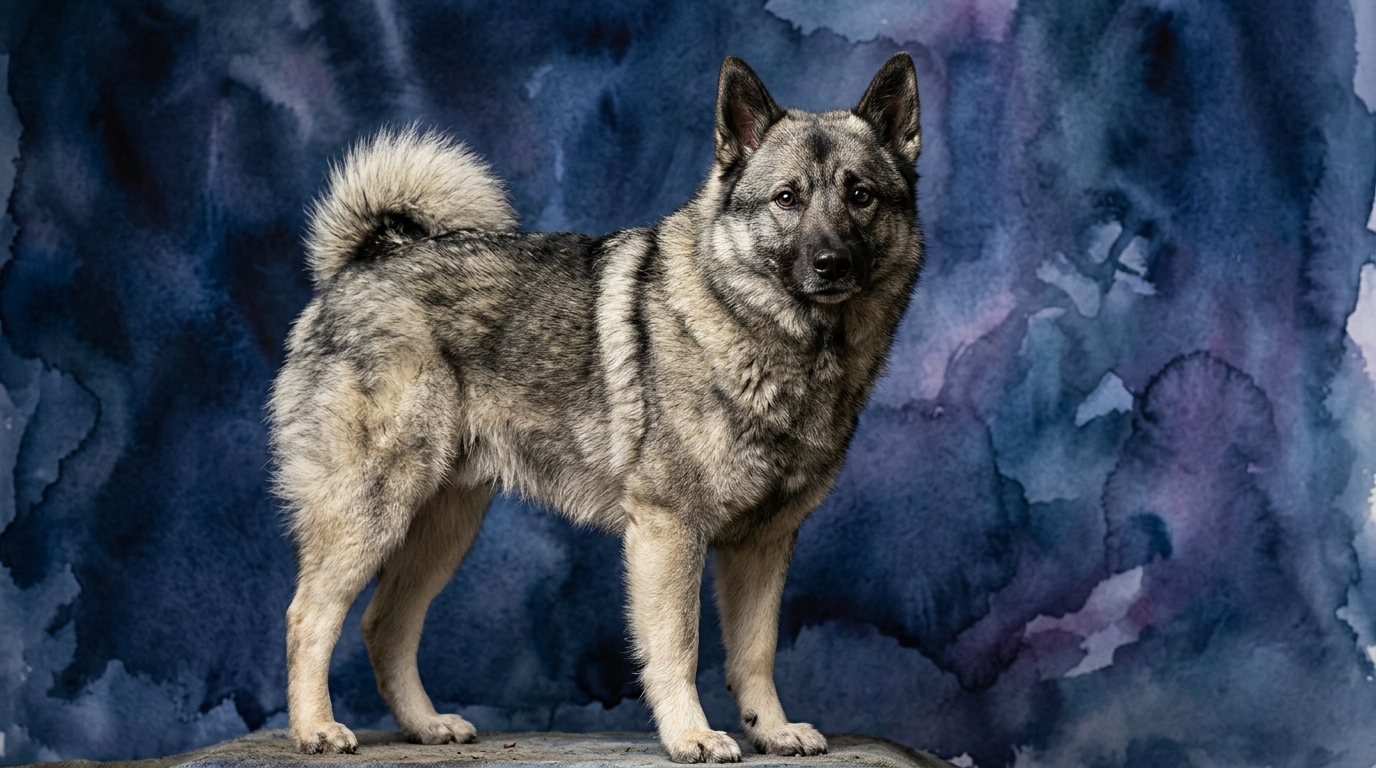
The Norwegian Elkhound, a breed historically tasked with tracking and holding large game like moose, exhibits a robust cognitive profile. Our Pet IQ Lab scores it 4/5 for Problem Solving, reflecting its capacity for independent decision-making in complex hunting scenarios, such as navigating varied terrain or outmaneuvering quarry. Its Training Speed, also rated 4/5, suggests a notable aptitude for quickly grasping and retaining new commands, likely a necessity for a hunting partner requiring nuanced communication. Social Intelligence stands at 3/5, indicating competence in interacting with humans and other dogs, though perhaps with a reserved independence. Instinctive Drive is 3/5, a balanced score reflecting its strong prey drive but also its ability to work cooperatively. Memory, at 4/5, underpins its ability to recall learned behaviors and past experiences, crucial for tracking and returning. This breed's Coren rank of #36 further affirms its standing among breeds that learn new commands quickly and obey them reliably.
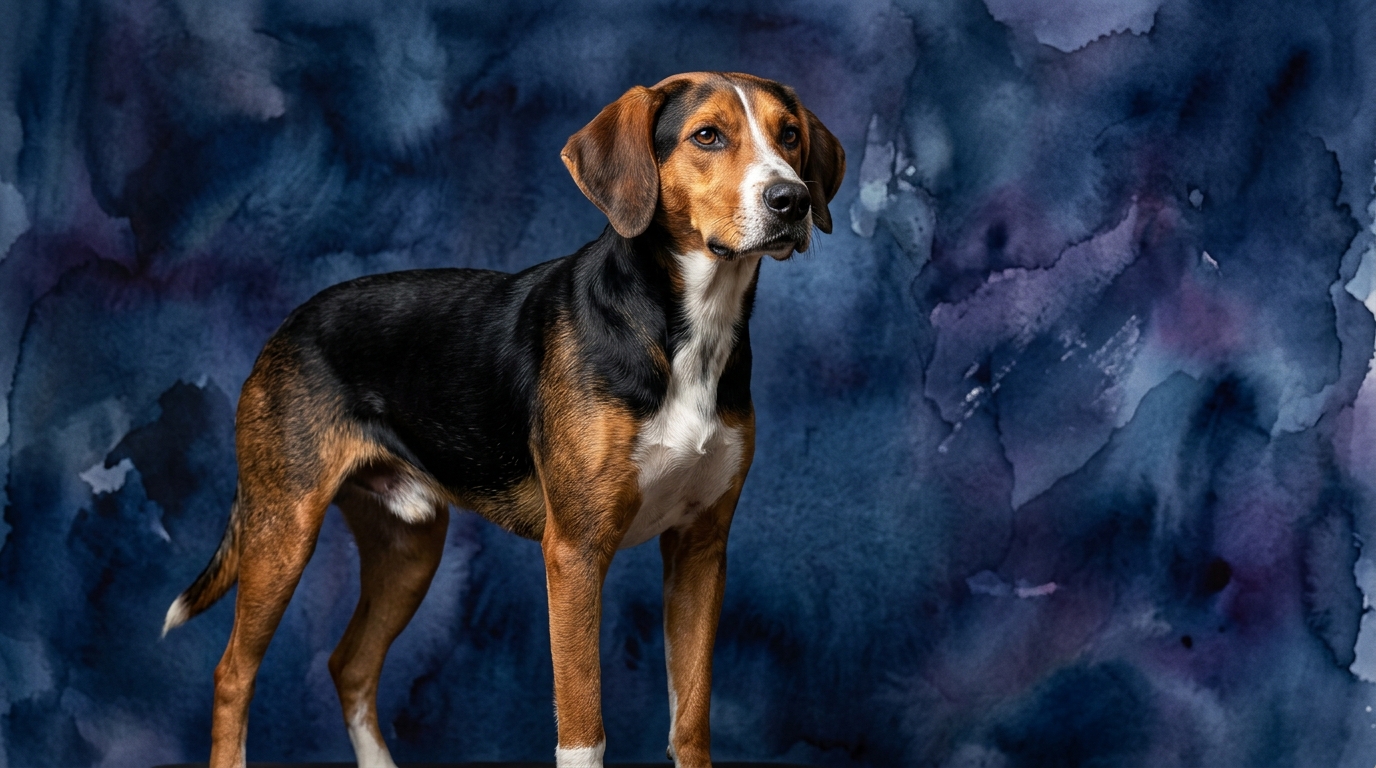
In contrast, the American Foxhound, bred for relentless pursuit of fox over vast distances, presents a different cognitive emphasis. Its Problem Solving is rated 3/5, indicating a practical, task-oriented approach to challenges, primarily focused on scent detection and trail following rather than complex strategic planning. Training Speed also scores 3/5, suggesting a steady but perhaps more deliberate learning pace, often requiring consistent repetition to overcome its strong independent drive. Social Intelligence is 3/5, reflecting its aptitude for pack dynamics and cooperative hunting with other hounds and riders, but potentially less focus on nuanced human communication outside of its working context. Its Instinctive Drive, also 3/5, is powerfully channeled towards scent work and pursuit, which can sometimes overshadow other impulses. Memory is rated 3/5, sufficient for retaining scent trails and learned routines, but perhaps not as expansive or flexible as the Elkhound’s. The American Foxhound is not Coren-ranked, which often points to a breed whose primary "intelligence" lies in its specialized, instinct-driven work rather than general obedience or problem-solving as defined by Coren's metrics.
Where the Norwegian Elkhound Excels Cognitively
The Norwegian Elkhound's cognitive strengths manifest particularly in its superior Problem Solving and Memory scores. Its ancestral role demanded more than just following a scent; it required evaluating situations, making independent decisions to corner or bay large, dangerous game, and remembering complex routes and strategies. This translates into a dog that can more readily assess novel situations, figure out how to open a gate, or navigate an unfamiliar obstacle course with less direct guidance. Their 4/5 Memory score means they tend to recall learned commands, tricks, or boundaries with greater consistency over time, making them adept at retaining a diverse repertoire of behaviors. This cognitive flexibility allows them to adapt more easily to varied tasks and environments beyond their initial training.
Furthermore, the Elkhound's higher Training Speed (4/5) indicates a quicker acquisition of new skills. This isn't just about obedience; it's about the speed at which they form associations and generalize concepts. An Elkhound might learn a multi-step routine or a complex agility sequence in fewer repetitions than a breed with a lower training speed score. Their Coren ranking of #36 underscores their capacity for understanding and executing commands reliably, often with a desire to engage with their human partners in learning activities. This combination of problem-solving, memory, and efficient learning makes them highly capable partners for intricate tasks and mental challenges.
Where the American Foxhound Shines Cognitively
While the American Foxhound's numerical scores might appear lower, its cognitive profile represents a triumph of specialized, enduring intelligence. Its "win" lies in the extraordinary focus and stamina it applies to its primary task: scent tracking. The 3/5 Instinctive Drive, while numerically similar to the Elkhound's, manifests as an almost unparalleled dedication to following a scent trail for hours, even days, over vast and challenging terrain. This isn't just physical endurance; it's a cognitive persistence, an unwavering mental commitment to a singular goal that few other breeds can match. Their problem-solving (3/5) is highly efficient within this context, allowing them to decipher complex scent puzzles and navigate obstacles while maintaining the trail, rather than getting sidetracked by extraneous stimuli.
The American Foxhound's social intelligence (3/5) is also uniquely tuned to pack dynamics. While not necessarily focused on nuanced human-dog communication in the same way a companion breed might be, their ability to cooperate seamlessly within a pack of hounds during a hunt is a sophisticated form of social cognition. They understand roles, communicate through scent and vocalizations, and work together towards a common objective. This deep-seated pack instinct, coupled with their single-minded pursuit drive, means that in situations demanding relentless, focused pursuit and seamless pack cooperation, the American Foxhound's specific cognitive strengths truly come to the fore, demonstrating a specialized brilliance that is perfectly adapted to its historical purpose.
Training Dynamics: Elkhound's Adaptability vs. Foxhound's Persistence
When it comes to training, the distinction between these two breeds becomes quite evident. The Norwegian Elkhound, with its 4/5 Training Speed and 4/5 Memory, generally proves to be a more responsive and quicker learner. They often grasp new commands in fewer repetitions and are motivated by a desire to please their human companions, making positive reinforcement highly effective. Their higher problem-solving ability also means they can generalize learned behaviors to new situations more readily, and are less likely to become "stuck" if a training scenario changes slightly. This makes them adaptable to various training disciplines, from obedience and agility to tracking and even therapy work.
The American Foxhound, however, presents a different training challenge, primarily due to its 3/5 Training Speed and powerful 3/5 Instinctive Drive focused on scent. While capable of learning, their attention is frequently drawn by the world of scent, making consistent focus during training sessions more demanding. They require immense patience, unwavering consistency, and highly motivating rewards to maintain engagement. Their strong independent nature, bred for following a trail without constant human direction, means that recall can be particularly challenging if a compelling scent is present. Training for a Foxhound often involves channeling their innate drives into acceptable outlets, rather than trying to suppress them, making specialized scent work or lure coursing highly engaging and productive training avenues.
Matching Breeds to Lifestyles: Active vs. Relaxed Owners
For active owners seeking a versatile and engaging companion, the Norwegian Elkhound is often an excellent match. Their balanced instinctive drive and higher problem-solving mean they thrive on varied activities that challenge both their bodies and minds. They are eager participants in hiking, backpacking, skijoring, and competitive dog sports like agility or obedience. An Elkhound appreciates an owner who can provide consistent mental stimulation through training, puzzle toys, and exploring new environments. They are adaptable enough to enjoy both vigorous outdoor adventures and quiet evenings indoors, provided their daily need for activity and mental engagement is met. Their social intelligence allows them to integrate well into family life and social settings.
The American Foxhound, on the other hand, is ideally suited for highly active owners who embrace an outdoor, often rustic, lifestyle, and who understand and appreciate the hound's unique drives. These dogs require extensive daily exercise, often involving long runs or hikes, and benefit immensely from activities that engage their powerful noses, such as scent work, tracking, or even participating in field trials. A "relaxed" owner who cannot commit to hours of physical activity and mental stimulation related to scent work would find a Foxhound challenging, as their pent-up energy and unfulfilled instinctive drives can lead to undesirable behaviors. They are dogs for enthusiasts of the chase, individuals who can provide a purpose for their exceptional stamina and olfactory prowess, often thriving in rural or semi-rural environments where they have ample space to explore safely.
The Verdict
Choose the Norwegian Elkhound if you seek a versatile, mentally agile companion eager for varied activities and responsive to diverse training methods. Their balanced intelligence makes them adaptable family members who enjoy both adventure and thoughtful engagement.
Opt for the American Foxhound if you are a dedicated, highly active owner passionate about outdoor pursuits, especially scent work, and are prepared to channel their immense stamina and specialized cognitive focus into fulfilling activities.
🧠 Find Your Pet's IQ Score
Our Pet IQ Lab assessment covers 25+ tests across 5 cognitive dimensions — personalized to your breed.
Take the Full IQ Test →Frequently Asked Questions
Are Norwegian Elkhounds good family dogs for children?
Norwegian Elkhounds, with their 3/5 social intelligence, can be excellent family dogs, often forming strong bonds with children. However, their independent nature means early socialization and consistent training are crucial to ensure they understand boundaries and interact appropriately with younger family members.
How much exercise does an American Foxhound truly need daily?
American Foxhounds require substantial daily exercise, typically an hour or more of vigorous activity, often involving running or extensive walks. Their strong instinctive drive means this exercise is best when it engages their powerful sense of smell, such as tracking games or long off-leash excursions in secure areas.
Can an American Foxhound be trained for tasks beyond scent tracking?
While American Foxhounds excel at scent tracking due to their specialized cognitive focus, they can be trained for other tasks, though it may require more patience and creative motivation. Their 3/5 training speed means consistency is key, and channeling their natural drives can make activities like agility or basic obedience more successful.