Side-by-Side IQ Profile: Elkhound vs. Crested
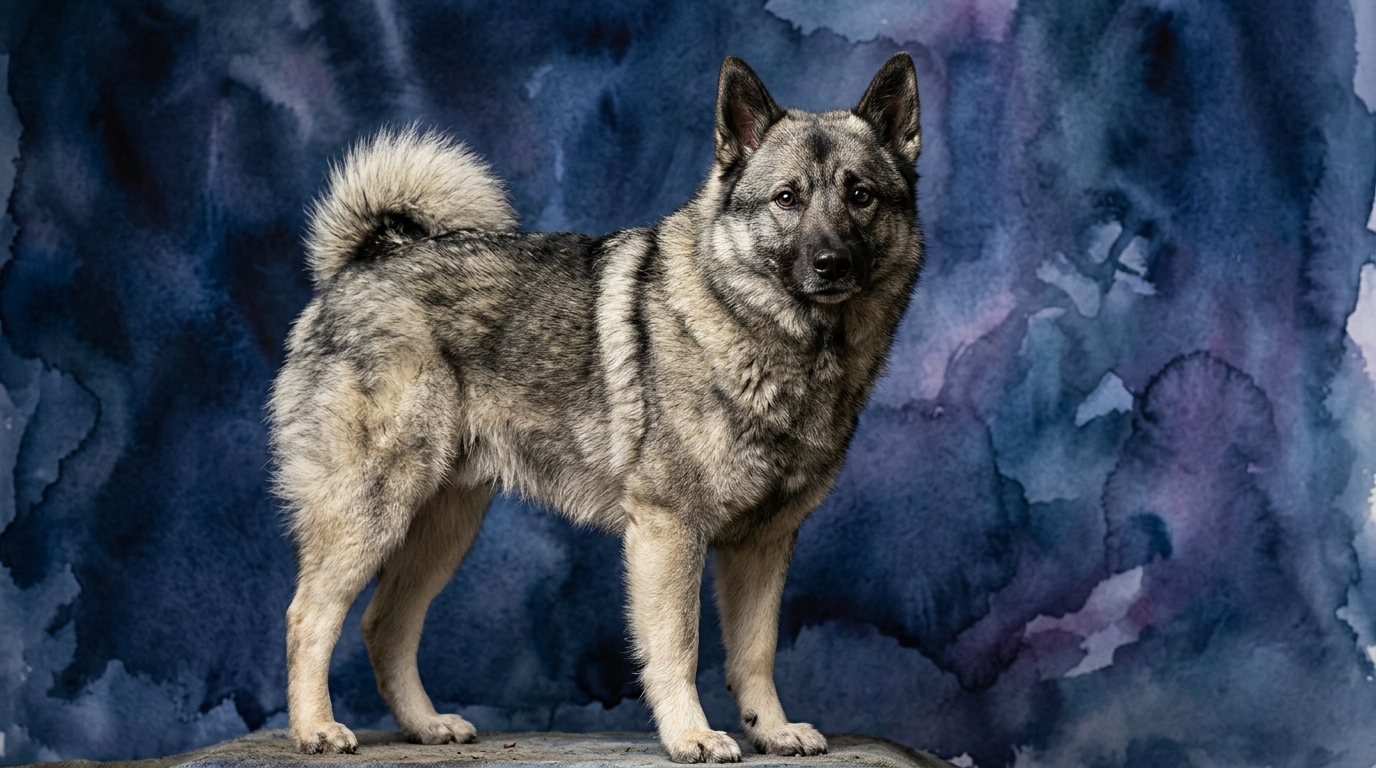
Understanding how Norwegian Elkhounds and Chinese Cresteds process information and interact with their environment requires examining their cognitive dimensions. The Norwegian Elkhound, a robust Hound breed, boasts a Coren rank of #36, indicating a strong capacity for working intelligence and obedience. Its cognitive scores reflect this heritage: Problem Solving at 4/5 means it adeptly figures out how to overcome obstacles or achieve goals, often independently, crucial for its historical role in tracking big game. Training Speed, also 4/5, highlights its quick grasp of new commands and routines, making it responsive to instruction. Social Intelligence at 3/5 suggests competence in understanding its core human family, though it might be more reserved with strangers. Its Instinctive Drive, 3/5, is purposeful, manifesting as a strong, directed prey drive and a desire to explore scents. Memory, at 4/5, allows for excellent retention of learned behaviors and experiences, aiding in complex tasks and route recall.
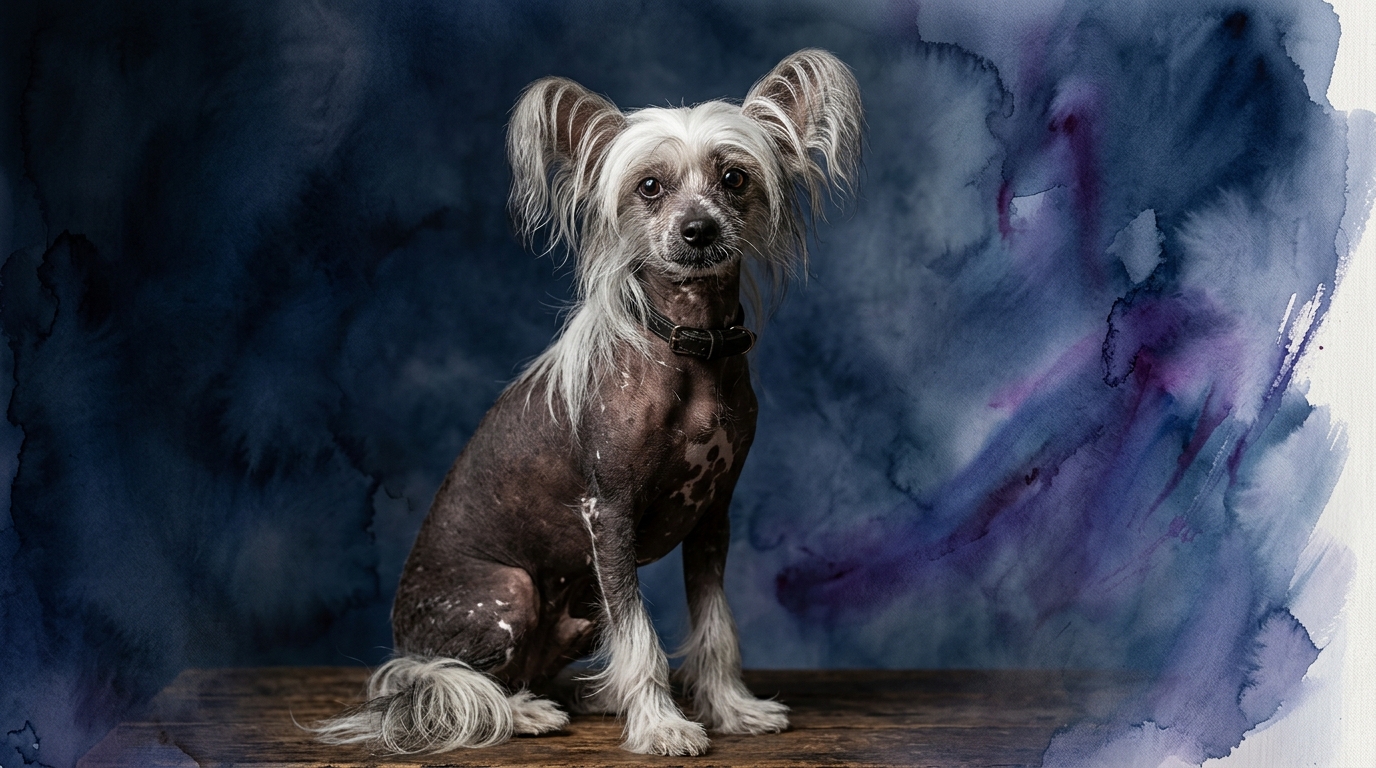
In contrast, the Chinese Crested, a delicate Toy breed, is not specifically ranked by Coren, which points to its primary role as a companion rather than a working dog. Its cognitive profile is tailored to this: Problem Solving at 3/5 indicates a moderate ability to navigate its world, often through observation or social manipulation for comfort. Training Speed, 3/5, reflects a steady learning pace, receptive to consistent positive reinforcement. Social Intelligence, also 3/5, demonstrates a keen awareness of its human companions' moods and needs, fostering deep emotional bonds. Instinctive Drive, 3/5, is primarily geared towards seeking warmth, comfort, and proximity to its people, rather than independent pursuit. Memory, 3/5, ensures reliable recall of routines, favored individuals, and past interactions, contributing to a harmonious domestic life.
Where the Norwegian Elkhound Wins Cognitively
The Norwegian Elkhound’s cognitive strengths are deeply rooted in its heritage as a resilient hunting companion. Its problem-solving capacity, rated at 4/5, allows it to independently navigate complex situations, such as figuring out how to bypass an obstacle to reach a specific scent or determining the most efficient path through varied terrain. This isn't just about physical prowess; it's about strategic thinking, assessing environmental cues, and making decisions without constant human direction. Their 4/5 training speed is equally impressive, reflecting an inherent eagerness to learn and apply commands relevant to tasks. This responsiveness, combined with a 4/5 memory, means they not only pick up new skills quickly but also retain them over long periods, making advanced obedience or specialized scent work a natural fit. Unlike breeds whose drives are solely focused on companionship, the Elkhound’s purposeful instinctive drive allows it to engage in sustained, goal-oriented activities, whether tracking or exploring, showcasing a cognitive endurance many toy breeds do not possess. This blend of independent problem-solving, rapid learning, and robust memory makes the Elkhound a formidable cognitive performer in environments demanding initiative and sustained mental engagement.
Where the Chinese Crested Wins Cognitively
While the Chinese Crested may not possess the same independent problem-solving scores as the Elkhound, its cognitive wins lie in areas critical for close companionship and adaptability within a domestic setting. Its social intelligence, rated 3/5, allows it to keenly observe and respond to human emotions and household routines, making it a highly empathetic and intuitive companion. They excel at understanding subtle cues, often anticipating a family member's needs or moods, which is a different, yet equally valuable, form of problem-solving—solving for social harmony and connection. Their instinctive drive, also 3/5, is centered more on seeking comfort, warmth, and proximity to their chosen people, demonstrating an innate understanding of how to integrate seamlessly into a human household. This drive translates into a breed that is often content to adapt its activities to its owner's lifestyle, prioritizing shared space and affection over independent pursuit. Their 3/5 memory, while not top-tier, is perfectly sufficient for remembering household rules, routines, and the positive reinforcement associated with desired behaviors, ensuring a consistent and harmonious home life. The Crested's cognitive strengths make it particularly adept at forming deep emotional bonds and thriving in environments where sensitivity and responsiveness to human interaction are paramount.
Which is Easier to Train and Why?
Determining which breed is 'easier' to train depends heavily on the owner's goals and training approach. The Norwegian Elkhound, with its 4/5 training speed and 4/5 problem-solving, generally grasps new commands and complex sequences more rapidly. They respond well to clear, consistent instruction and thrive on having a 'job,' but their strong instinctive drive (3/5) and independent nature mean they can be stubborn or easily distracted by scents. Training an Elkhound often requires firm, fair leadership and engaging their minds with varied tasks to prevent boredom, which can lead to selective hearing when a compelling scent trail appears. In contrast, the Chinese Crested, with 3/5 scores across problem-solving and training speed, learns at a more moderate pace. They are generally eager to please their owners and respond exceptionally well to positive reinforcement, especially involving treats or affection. Their lower instinctive drive means they are less likely to be sidetracked by external distractions compared to an Elkhound, fostering better focus in a controlled training environment. However, they can be sensitive and may shut down if training is too harsh or inconsistent. While they might take a bit longer to initially master a new trick, their desire for companionship often translates into a cooperative attitude. Therefore, an Elkhound might learn faster but requires a more assertive trainer to manage its independence, whereas a Crested thrives with patient, gentle guidance.
Active Owners vs. Relaxed Owners
The Norwegian Elkhound is undoubtedly suited for active owners who relish outdoor adventures and can provide consistent mental and physical stimulation. Their heritage as hunting dogs means they possess significant stamina and a deep-seated need for exercise, thriving on long hikes, engaging scent work, or vigorous play sessions. An owner who enjoys exploring nature, perhaps even participating in dog sports like agility or tracking, would find the Elkhound an enthusiastic and capable partner. Their cognitive profile, with strong problem-solving and memory, means they need intellectual challenges to prevent boredom. A relaxed owner, or one unable to commit to substantial daily activity, would likely find an Elkhound overwhelming. Conversely, the Chinese Crested is an ideal match for more relaxed owners or those living in smaller spaces. While they enjoy short walks and playtime, their exercise requirements are significantly lower. Their instinctive drive is more geared towards companionship and comfort, making them content with indoor activities, cuddles on the couch, and being close to their human family. Owners who prefer a quieter lifestyle, perhaps seniors or individuals with limited mobility, would appreciate the Crested's adaptable and affectionate demeanor, valuing warmth and proximity over high-octane physical exertion.
The Verdict
Choose the Norwegian Elkhound if you are an active individual or family seeking a mentally sharp, independent, and robust companion for outdoor adventures and structured training challenges.
Choose the Chinese Crested if you desire a gentle, adaptable, and affectionate lap companion who thrives on close human interaction and a more relaxed home environment.
🧠 Find Your Pet's IQ Score
Our Pet IQ Lab assessment covers 25+ tests across 5 cognitive dimensions — personalized to your breed.
Take the Full IQ Test →Frequently Asked Questions
Is the Norwegian Elkhound suitable for first-time dog owners?
The Norwegian Elkhound's independence and strong drives can be challenging for inexperienced owners. They require consistent training, early socialization, and an owner prepared to meet their significant exercise and mental stimulation needs, making them generally better suited for those with prior dog experience.
Do Chinese Cresteds require extensive grooming despite their often hairless appearance?
Yes, Chinese Cresteds do require specific grooming. Hairless varieties need regular skin care, including moisturizing and sun protection, while "powderpuff" varieties have a soft double coat that needs frequent brushing to prevent matting, ensuring their comfort and skin health.
How do these breeds typically interact with children and other pets?
Norwegian Elkhounds, with proper socialization, can be loyal family dogs but their strong prey drive might necessitate careful introductions to smaller pets; they are generally tolerant with children who respect their boundaries. Chinese Cresteds are often gentle and affectionate with respectful children and can coexist peacefully with other pets, often enjoying the companionship.