Side-by-Side IQ Profile: Elkhound vs. Cirneco dell'Etna
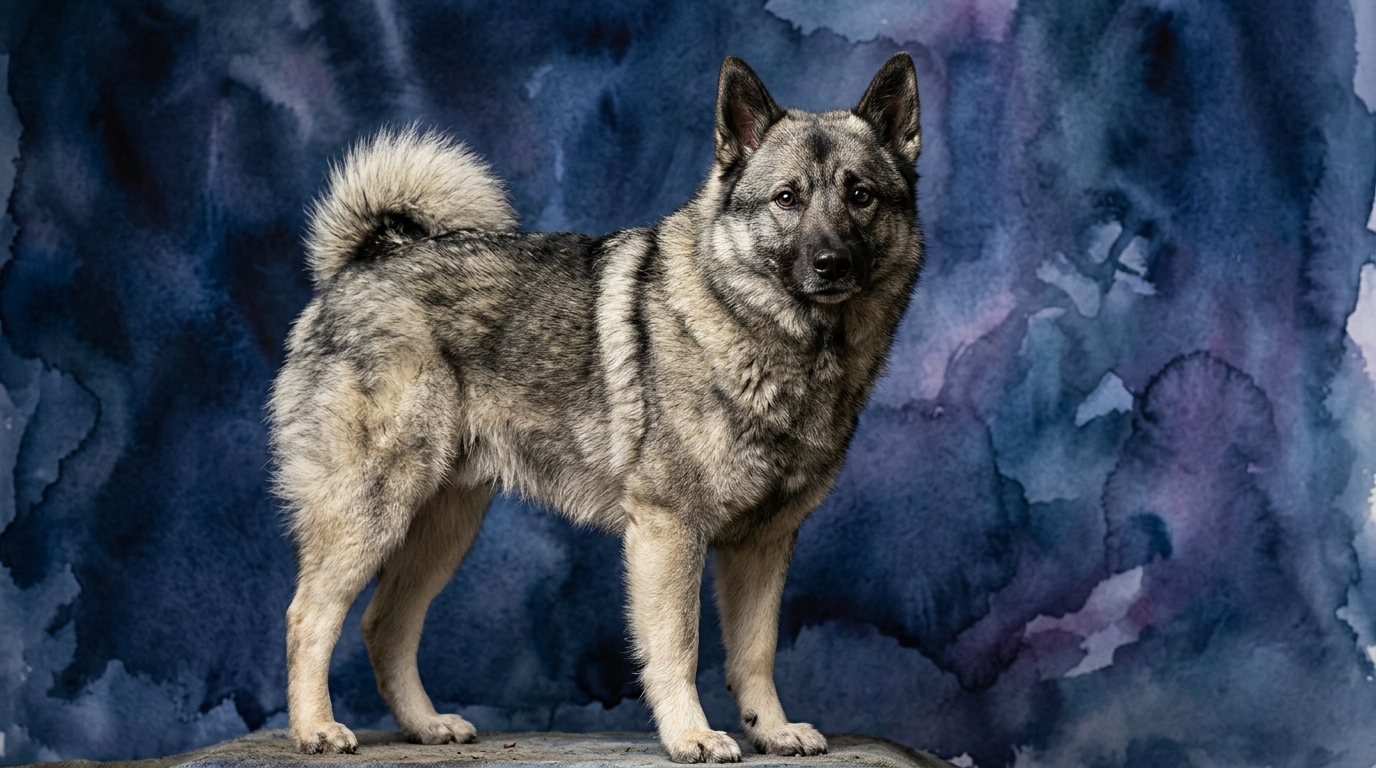
The Norwegian Elkhound presents a robust cognitive profile, reflecting its history as a versatile hunting companion. Its Problem Solving ability, rated at 4/5, indicates a dog capable of independent thought and strategic navigation of challenges, from figuring out complex puzzle toys to devising ways around obstacles in the field. Training Speed, also at 4/5, suggests a quick grasp of new commands and routines, making them generally responsive to consistent instruction. Their Social Intelligence registers at 3/5, signifying a moderate understanding of human cues and social dynamics, allowing for cooperative interactions while retaining a degree of independence. An Instinctive Drive of 3/5 points to a manageable but present prey drive and an innate urge to follow scents, characteristic of their hunting heritage. Finally, their Memory score of 4/5 means they retain learned information and experiences effectively, remembering routines, past training, and familiar faces with ease.
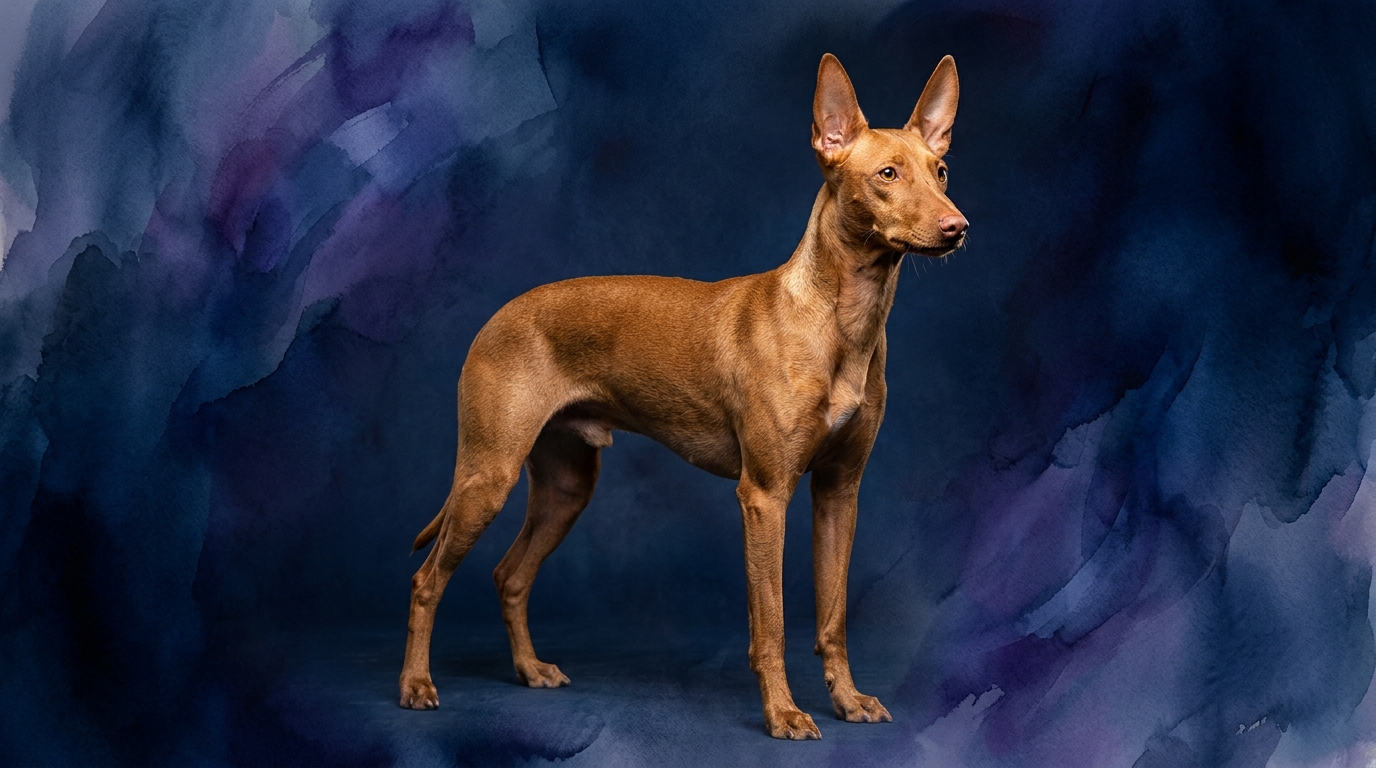
The Cirneco dell'Etna, an ancient sighthound from Sicily, exhibits a cognitive makeup finely tuned for its specialized role. Its Problem Solving capacity, at 3/5, indicates a functional ability to address direct challenges, though they might not excel at abstract or multi-step puzzles, preferring more immediate solutions. Training Speed is rated 3/5, meaning they learn at an average pace, requiring patience and consistent, positive reinforcement to solidify commands. Their Social Intelligence also stands at 3/5, suggesting they understand social cues adequately but often maintain a reserved demeanor, particularly with strangers, forming deep bonds primarily with their immediate family. An Instinctive Drive of 3/5 in a sighthound context is significant, highlighting a strong visual prey drive that compels them to chase anything moving quickly, a defining characteristic of their breed. Their Memory score of 3/5 suggests they recall routines and basic commands reliably, but might not retain extensive sequences or complex past events with the same detail as some other breeds.
Where the Norwegian Elkhound Shines Cognitively
The Norwegian Elkhound’s cognitive strengths shine particularly in areas demanding analytical thought and rapid assimilation of new information. With a Problem Solving score of 4/5, they demonstrate a superior capacity to independently assess and overcome obstacles. This might manifest as quickly understanding how to open a child-proof gate, or strategically navigating a complex agility course without constant handler direction. Their cognitive processing allows them to break down challenges into manageable steps, often experimenting with different approaches until a solution is found.
Furthermore, the Elkhound's Training Speed and Memory, both rated 4/5, give them a distinct advantage in structured learning environments. They tend to pick up new commands, tricks, and routines with fewer repetitions than many other breeds, and crucially, they retain this knowledge over long periods. This means an Elkhound can build a vast repertoire of learned behaviors, from advanced obedience commands to intricate scent work, and recall them reliably weeks or months later. Their cognitive architecture supports a more cumulative learning process, where each new piece of information builds upon a solid foundation of remembered skills.
Where the Cirneco dell'Etna Shines Cognitively
While the Cirneco dell'Etna’s scores are consistently 3/5, their cognitive profile represents a functional mastery perfectly suited to their ancient sighthound heritage. Their 3/5 in Problem Solving, combined with a 3/5 in Instinctive Drive, means they are incredibly efficient at their primary cognitive task: identifying and pursuing prey. They excel at rapid, instinctive decision-making in high-stimulus environments, where quick visual processing and immediate action are paramount, rather than analytical deliberation. This isn't a lack of intelligence, but a specialization in a different kind of cognitive processing, prioritizing speed and innate response over complex strategic planning.
The Cirneco’s balanced 3/5 scores across Training Speed, Social Intelligence, and Memory also contribute to a distinct cognitive advantage in specific contexts. Their average training speed means they are perfectly capable of learning, but their independence, a facet of their social intelligence, ensures they are not overly reliant on human direction during a hunt. This allows them to operate autonomously, making split-second judgments based on their keen senses. Their memory, while not photographic, is sufficient to recall crucial hunting patterns and familiar terrain, allowing them to effectively patrol their environment and return to their human companions after a pursuit, showcasing a practical, purpose-driven cognitive design.
Which is Easier to Train and Why
Based on their cognitive profiles, the Norwegian Elkhound is generally easier to train compared to the Cirneco dell'Etna, primarily due to its higher scores in Training Speed, Problem Solving, and Memory. An Elkhound's 4/5 Training Speed means they typically grasp new commands and concepts with fewer repetitions, making training sessions more efficient and often more rewarding for both dog and owner. Their superior Problem Solving (4/5) allows them to understand the “why” behind commands more readily, and their excellent Memory (4/5) ensures that once a behavior is learned, it's retained for the long term. This cognitive makeup translates into a dog that is often eager to engage in structured learning, responds well to consistent methods, and can adapt to more complex tasks, such as multi-stage obedience routines or advanced trick training.
In contrast, the Cirneco dell'Etna, with 3/5 across the board in these categories, presents a different training experience. While certainly trainable, their learning curve is generally slower, requiring more patience and consistent reinforcement from their owner. Their social intelligence, at 3/5, combined with their strong instinctive drive (3/5, particularly for visual prey), means they can be more independent and less inclined to obey if a more compelling stimulus, like a squirrel darting across a field, presents itself. Training a Cirneco often involves leveraging their innate desire to chase in controlled environments and employing highly motivating rewards, as their memory might not hold complex sequences as firmly, necessitating regular refreshers. Owners must understand that a Cirneco's cognitive focus is often on its environment and potential prey, which can sometimes override human directives, demanding a nuanced and understanding approach to training.
Active Owners vs. Relaxed Owners: Which Dog Fits?
The Norwegian Elkhound is a better match for active owners who enjoy engaging with their dog in a variety of stimulating activities. Their 4/5 Problem Solving and 4/5 Memory mean they thrive on mental challenges, such as puzzle toys, scent work, and learning complex obedience or agility sequences. Combined with their moderate instinctive drive and historical working background, they require consistent physical exercise beyond just a daily walk; activities like hiking, jogging, or dog sports are ideal to satisfy their physical and cognitive needs. An owner who appreciates a thinking dog that can participate in outdoor adventures and intellectual games will find the Elkhound a rewarding companion, as their cognitive makeup predisposes them to enjoy and excel in these interactive pursuits.
The Cirneco dell'Etna, while possessing a notable instinctive drive (3/5, primarily sighthound prey drive), can surprisingly suit both active and more relaxed owners, provided their specific exercise needs are met safely. They require intense bursts of physical activity, such as sprinting in a securely fenced area or supervised lure coursing, to satisfy their sighthound instincts. however, once their physical needs are met, they are often quite content to be relaxed indoors, curling up on a couch. Their 3/5 social intelligence suggests they aren't overly demanding of constant human attention, appreciating quiet companionship. Owners who can provide secure opportunities for vigorous running, but otherwise prefer a relatively independent and calm housemate, would find the Cirneco a good fit. They are not dogs that require constant mental “work” in the same way an Elkhound might, but rather bursts of physical exertion and then peaceful downtime.
The Verdict
Choose a Norwegian Elkhound if you seek a highly engaged companion eager for mental challenges, quick to learn complex tasks, and thrives on interactive training and outdoor adventures.
Choose a Cirneco dell'Etna if you appreciate an independent, graceful companion that excels in short bursts of intense activity, values secure running spaces, and is content with a calm indoor life after exercise.
🧠 Find Your Pet's IQ Score
Our Pet IQ Lab assessment covers 25+ tests across 5 cognitive dimensions — personalized to your breed.
Take the Full IQ Test →Frequently Asked Questions
Is the Norwegian Elkhound prone to being stubborn during training?
While possessing a strong will, the Elkhound's 4/5 training speed and problem-solving typically mean they respond well to consistent, positive reinforcement, often appearing less stubborn than breeds with lower scores if their cognitive needs are met. Their independence (3/5 social intelligence) means they appreciate fairness but are generally cooperative learners.
Do Cirneco dell'Etna dogs typically bond closely with their families?
Yes, despite their 3/5 social intelligence which can make them reserved with strangers, Cirnecos form deep and affectionate bonds with their immediate family, often being quite demonstrative with their chosen humans once trust is established. They appreciate quiet companionship and can be quite cuddly indoors.
What kind of owner best handles the instinctive drive of a Cirneco dell'Etna?
Owners who understand and can safely manage a strong visual prey drive are ideal, as the Cirneco’s 3/5 instinctive drive means they will chase moving objects. This often translates to needing securely fenced yards, leashed walks in unfenced areas, and appreciation for activities like lure coursing that safely channel their innate instincts.