Side-by-Side IQ Profile
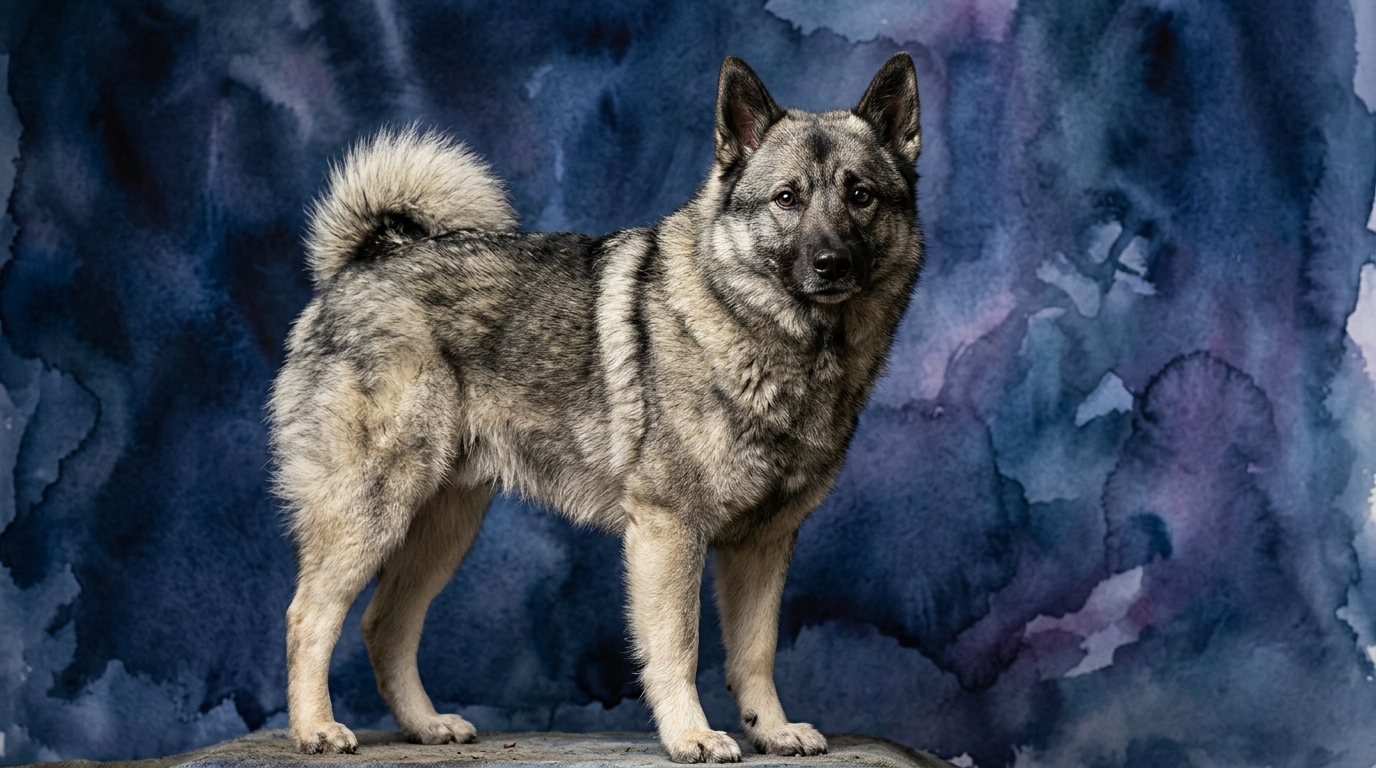
The Norwegian Elkhound, a sturdy Hound, registers a Coren rank of #36, indicating a solid capacity for understanding and obeying new commands. Its IQ profile shows a problem-solving ability of 4/5, suggesting a dog capable of figuring out complex tasks and navigating novel situations effectively. Training speed for the Elkhound is also rated at 4/5, meaning they grasp new instructions with relative quickness, though perhaps requiring slightly more repetition than some other breeds. Their social intelligence stands at 3/5, indicating an average ability to interpret human cues and adapt to social contexts, while their instinctive drive is 3/5, reflecting a balanced but present urge to follow their breed's historical working functions. Finally, the Elkhound's memory is strong at 4/5, allowing them to retain learned behaviors and routines over time.
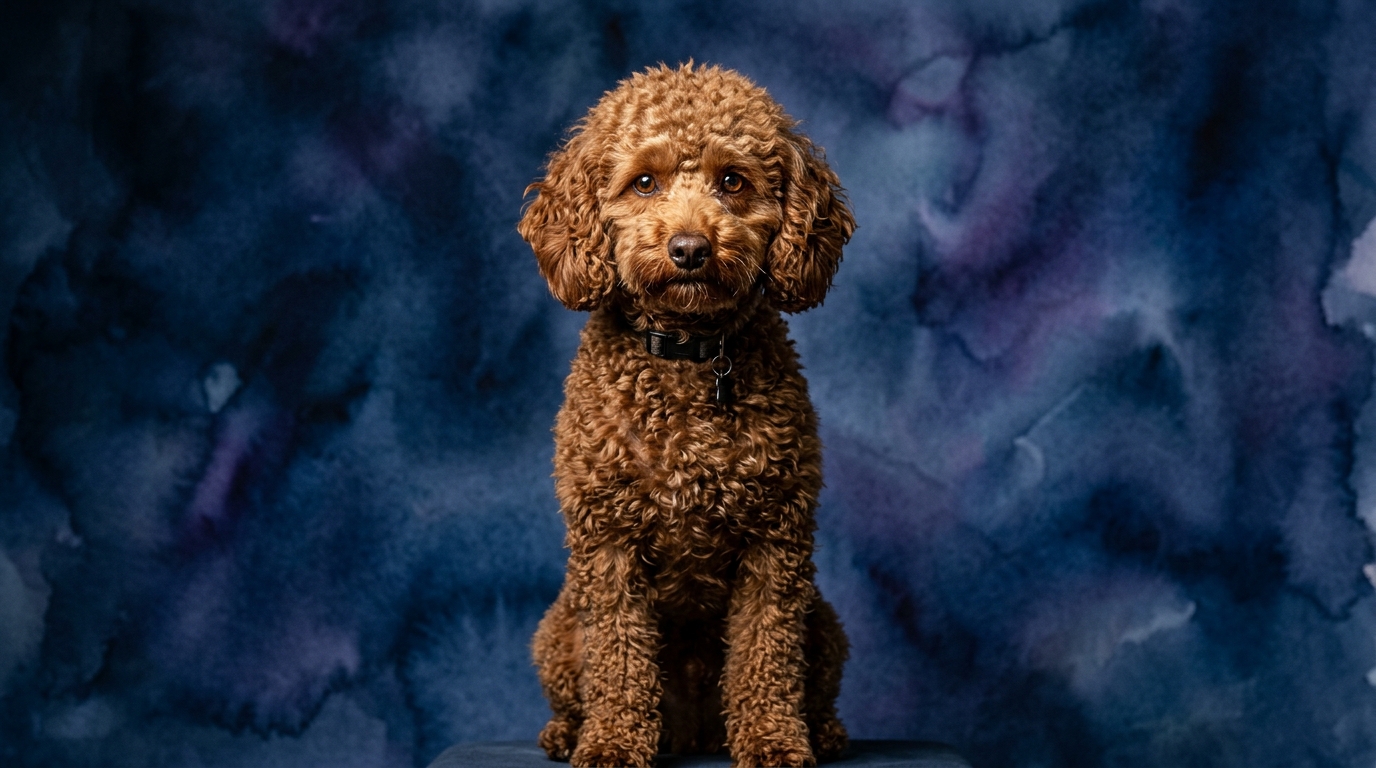
In contrast, the Miniature Poodle, a Non-Sporting breed, holds an impressive Coren rank of #2, placing it among the top dogs for working and obedience intelligence. Its cognitive scores are consistently higher across several dimensions, starting with an outstanding problem-solving ability of 5/5, demonstrating an exceptional capacity for analytical thought and innovative solutions to challenges. The Miniature Poodle's training speed is also top-tier at 5/5, indicating an almost immediate comprehension of new commands and a rapid learning curve. Similar to the Elkhound, its social intelligence is rated 3/5, suggesting an average aptitude for social nuances, and its instinctive drive is also 3/5, signifying a moderate level of innate breed-specific behaviors. However, the Miniature Poodle's memory shines at 5/5, highlighting an exceptional ability to recall information and experiences with remarkable precision.
Where Norwegian Elkhound Wins Cognitively
While the Miniature Poodle often scores higher in raw cognitive metrics, the Norwegian Elkhound's specific blend of intellect is uniquely suited for certain tasks and environments. Its 4/5 problem-solving and memory, combined with its instinctive drive, suggest a dog more inclined towards independent decision-making in outdoor, working scenarios. For instance, an Elkhound might excel at tracking games or navigating complex scent trails without constant human intervention, relying on its own judgment and spatial memory to achieve a goal. Their cognitive strengths are rooted in their heritage as hunting companions, requiring them to think on their paws and make choices in dynamic, often unpredictable, natural settings, rather than waiting for explicit instructions. This independence, while sometimes perceived as stubbornness in training, is a cognitive asset in situations demanding self-reliance and sustained focus on a task.
Where Miniature Poodle Wins Cognitively
The Miniature Poodle's cognitive profile positions it as a master of rapid acquisition and retention of complex tasks, particularly those involving human interaction and structured learning. Its 5/5 scores in problem-solving, training speed, and memory mean it can not only understand intricate command sequences quickly but also remember them flawlessly over long periods. This breed excels in activities requiring precise execution and a deep understanding of human expectations, such as advanced obedience, agility, or even performing intricate tricks. The Poodle's superior ability to process information and recall detailed instructions makes it exceptionally adept at competitive dog sports where speed and accuracy of response are paramount. Their quick mental processing allows them to learn new patterns and adapt to changing rules within a training session with remarkable efficiency.
Which Is Easier to Train and Why
Based on The Cosmic Pet Pet IQ Lab's metrics, the Miniature Poodle is demonstrably easier to train than the Norwegian Elkhound. The Poodle's training speed of 5/5 and problem-solving ability of 5/5 mean it grasps new commands with minimal repetition and can quickly generalize learned behaviors to new contexts. They exhibit a keen desire to engage with their trainer, often anticipating cues and responding with enthusiasm, which makes training sessions highly productive. Their exceptional memory (5/5) ensures that once a behavior is learned, it is retained, leading to consistent performance.
In contrast, the Norwegian Elkhound, with a training speed of 4/5 and problem-solving of 4/5, requires a bit more patience and consistency. While perfectly capable of learning, their inherent independence and moderate instinctive drive (3/5) mean they might occasionally prioritize their own interests or follow a scent rather than immediately comply with a command. This isn't a lack of ability, but rather a difference in motivation and focus; Elkhounds are bred to make decisions in the field, not solely to follow human directives. Trainers might find themselves needing to be more creative and persistent to maintain an Elkhound's engagement, often leveraging their natural drives to make training rewarding. For example, an Elkhound might learn "stay" quickly if it means they get to track a toy afterwards, whereas a Poodle might learn it simply for the praise.
Which Suits Active Owners vs. Relaxed Owners
Both breeds benefit from active engagement, but their ideal activity types differ based on their cognitive and physical makeup. The Norwegian Elkhound, with its background as a hunting dog, thrives with owners who can provide consistent, vigorous outdoor activity that taps into its natural stamina and problem-solving skills. This could include long hikes, backcountry explorations, or even scent work that allows them to use their nose and independent judgment. Owners who enjoy rugged outdoor adventures and appreciate a companion that can keep pace for miles will find the Elkhound a suitable partner. Their moderate instinctive drive means they appreciate a purpose, even if it's just a long walk with interesting smells.
The Miniature Poodle, while equally energetic, often prefers activities that are more structured and mentally stimulating, though they enjoy physical exercise too. They excel in dog sports like agility, obedience, and rally, where their quick thinking, rapid learning, and desire to work closely with their owner are fully utilized. An active owner for a Poodle might be someone who enjoys daily walks, but also dedicates time to training sessions, puzzle toys, or even trick training that challenges their superior problem-solving and memory. While they can certainly enjoy a good hike, their cognitive strengths are best leveraged by owners who provide consistent mental workouts, making them suitable for owners who are active in structured dog activities or enjoy engaging in intricate learning games at home.
The Verdict
Opt for a Norwegian Elkhound if you are an adventurous individual or family seeking an independent, robust companion for outdoor pursuits, where a dog's self-reliance and stamina are valued over immediate obedience in every situation. They thrive with consistent, engaging physical and mental challenges that tap into their natural problem-solving instincts.
Select a Miniature Poodle if you desire a highly trainable, quick-witted canine partner for advanced obedience, dog sports, or a companion who excels in structured learning environments and enjoys intricate mental challenges. Their exceptional capacity for rapid learning and memory makes them ideal for owners who appreciate a dog that quickly masters complex commands.
🧠 Find Your Pet's IQ Score
Our Pet IQ Lab assessment covers 25+ tests across 5 cognitive dimensions — personalized to your breed.
Take the Full IQ Test →Frequently Asked Questions
Do Norwegian Elkhounds get along with other pets?
Norwegian Elkhounds have a moderate social intelligence (3/5) and a hunting background, so early and consistent socialization is crucial for harmonious multi-pet households. With proper introductions and supervision, many Elkhounds can coexist peacefully with other animals, though their prey drive might require careful management around smaller pets.
Are Miniature Poodles prone to separation anxiety?
Miniature Poodles form strong bonds with their families, and while their social intelligence is average (3/5), their sensitivity and desire for companionship can make them susceptible to separation anxiety if not properly conditioned to alone time. Consistent training and providing mental stimulation before leaving can help mitigate this.
How much exercise does a Miniature Poodle need compared to an Elkhound?
Both breeds require regular exercise, but their needs differ in type and intensity. The Elkhound needs sustained, vigorous outdoor activity to satisfy its stamina and working heritage, like long runs or hikes. The Miniature Poodle, while energetic, thrives on a combination of daily walks and significant mental stimulation through training and puzzle games, making its exercise needs more versatile and often less solely focused on endurance.