Side-by-Side Cognitive Profiles
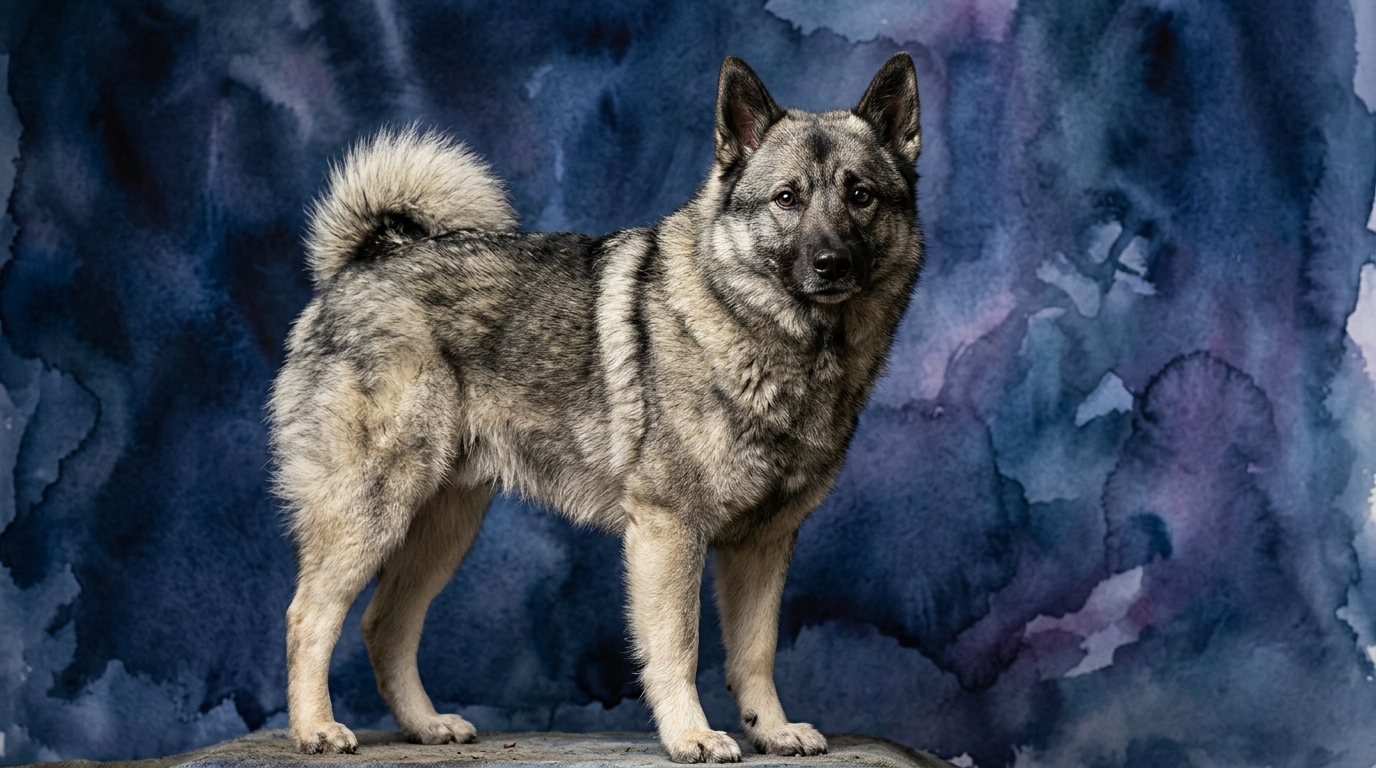
The Cosmic Pet Pet IQ Lab employs a five-dimensional framework to assess canine intelligence, offering a nuanced understanding of each breed's mental landscape. For the Norwegian Elkhound, classified as a Hound breed and Coren-ranked at #36, its profile reflects a working heritage. Its Problem Solving is rated 4/5, indicating a strong capacity for independent thought and strategic task resolution. Historically needing to make field decisions without constant human direction, Elkhounds demonstrate robust abilities to assess situations and devise solutions, such as navigating obstacles or retrieving hidden items. Training Speed also scores 4/5, signifying a quick grasp of new commands and routines, as Elkhounds are generally responsive and learn efficiently. Social Intelligence is 3/5, reflecting a moderate ability to interpret human cues; while forming strong bonds, their independence means they may not always prioritize human direction over instinct, requiring clear, consistent leadership. Instinctive Drive sits at 3/5, pointing to a balanced but present set of innate behaviors, with strong scent-driven hunting instincts manageable with training. Finally, Memory is 4/5, suggesting Elkhounds retain learned information and past experiences effectively, aiding significantly in training and problem-solving.
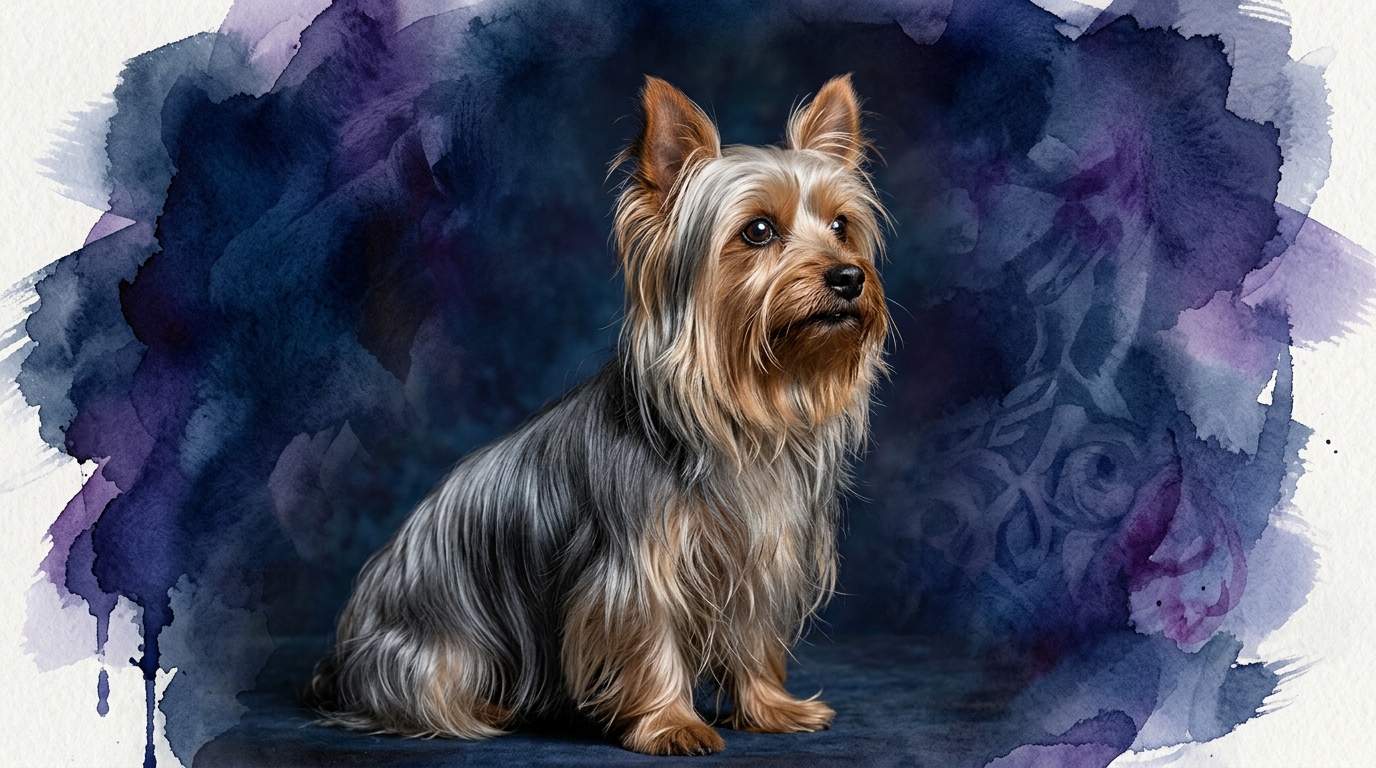
The Silky Terrier, a Toy breed not on Coren's ranking, presents a profile of consistent competence across all dimensions. Its Problem Solving is 3/5, suggesting a competent, yet perhaps less independently strategic, problem-solving approach. Silky Terriers can solve puzzles using persistence and senses, but might rely more on trial-and-error or human guidance for complex tasks than devising intricate, novel solutions. Training Speed is 3/5, meaning they are capable of learning but may require more repetition or varied approaches; they respond to positive reinforcement and consistency, though their terrier tenacity can sometimes lead to selective focus. Social Intelligence is 3/5, implying a moderate understanding of social cues; Silky Terriers are attuned to their family, reading moods well, but their inherent confidence and potential for bossiness mean they might not always defer if they perceive an opportunity to take charge. Instinctive Drive is also 3/5, reflecting typical terrier traits like digging, chasing small prey, and alertness, manifesting as bursts of enthusiastic exploration. Memory is 3/5, indicating reasonable retention of information, remembering commands with consistent practice, though sometimes requiring refreshers.
Where the Norwegian Elkhound Excels Cognitively
The Norwegian Elkhound's standout cognitive advantage lies in its superior problem-solving acumen and memory capabilities. With a 4/5 in both dimensions, Elkhounds demonstrate a robust capacity for independent strategizing and retaining complex information, a trait honed by centuries of needing to navigate challenging terrain and make critical decisions while hunting big game. This means they are more likely to independently figure out how to open a gate or retrieve a hidden toy, remembering the successful method for future attempts. Their ability to quickly learn and retain training, reflected by their 4/5 Training Speed, further solidifies their edge in mastering intricate tasks and extended command sequences with impressive efficiency.
Where the Silky Terrier Excels Cognitively
While the Silky Terrier doesn't outscore the Elkhound in any specific dimension, its cognitive profile shines in its balanced and adaptable approach to its environment. All scores at 3/5 suggest a consistently competent and resilient mind, perfectly suited to its role as a companion with a feisty, independent streak. Their moderate problem-solving, training speed, and memory mean they are less prone to the intense, single-minded focus that can sometimes accompany higher instinctive drives, making them versatile and less demanding in terms of specific cognitive outlets. Their social intelligence, while rated the same as the Elkhound, translates into a highly attentive and affectionate companion within their family circle, often displaying a keen understanding of household dynamics and emotional states.
Training Aptitude: Elkhound vs. Silky Terrier
Based on the Pet IQ Lab scores, the Norwegian Elkhound generally presents as the more straightforward breed to train. Their 4/5 Training Speed indicates a quicker uptake of new commands and routines, coupled with a 4/5 Memory that ensures these lessons are retained effectively. For instance, an Elkhound is likely to master a multi-step fetch command or a complex agility sequence with fewer repetitions than a Silky Terrier. Their historical role demanded cooperation and responsiveness, manifesting as a strong desire to work alongside their human, provided the motivation is compelling and consistent.
The Silky Terrier, with a 3/5 in Training Speed and Memory, requires more patience and consistency. While perfectly trainable, their terrier tenacity means they might test boundaries more frequently or become distracted if the training isn't sufficiently engaging. For example, teaching a Silky Terrier a reliable 'stay' might involve more proofing in various environments and a higher value reward to overcome their inherent curiosity or desire to investigate. Their independent streak can sometimes manifest as 'selective hearing,' requiring an owner to be particularly creative and persistent in their training methods, focusing on making training fun and rewarding to maintain their focus.
Matching Breeds to Lifestyles: Active vs. Relaxed Owners
The Norwegian Elkhound, with its background as a hunting dog, is inherently suited for active owners. Their strong problem-solving skills and moderate instinctive drive (3/5, but geared towards sustained activity) mean they thrive on physical and mental challenges. Owners who enjoy hiking, long walks, or dog sports like tracking and agility will find the Elkhound to be an enthusiastic and capable partner. A relaxed owner might find an Elkhound's need for engagement manifests as boredom-driven behaviors, such as excessive barking or destructive chewing, if their cognitive and physical needs are not adequately met.
The Silky Terrier, while energetic and playful, is generally better suited for owners seeking a companion that balances activity with periods of relaxation. Their moderate instinctive drive (3/5) means they enjoy walks and playtime, but their needs are typically met with less strenuous activity than an Elkhound. They are adaptable to apartment living provided they receive daily mental stimulation and exercise. A relaxed owner who can offer consistent, engaging play sessions and short walks, coupled with plenty of indoor interaction, will find a Silky Terrier to be a devoted and entertaining companion without the demanding physical requirements of a true working breed.
The Verdict
Opt for a Norwegian Elkhound if you seek an independent thinker eager for outdoor adventures and complex mental challenges, thriving with active owners who provide consistent, engaging training and ample opportunities for exploration.
Select a Silky Terrier if you desire a spirited, adaptable companion that thrives on close family interaction and enjoys moderate activity balanced with cozy indoor life, suiting owners who appreciate a confident personality and can commit to consistent, positive reinforcement training.
🧠 Find Your Pet's IQ Score
Our Pet IQ Lab assessment covers 25+ tests across 5 cognitive dimensions — personalized to your breed.
Take the Full IQ Test →Frequently Asked Questions
Do Norwegian Elkhounds bark a lot?
Elkhounds were historically used to alert hunters to game, and this vocal tendency remains. They often use their voice to communicate excitement, alert to perceived threats, or express boredom, so owners should be prepared for their expressive nature. Consistent training can help manage this trait, but their barks are part of their breed heritage.
Are Silky Terriers good with children?
Silky Terriers can be good with older, respectful children who understand how to interact with a smaller, sometimes feisty dog. Their confident and playful nature can make them fun companions, but their small size and terrier temperament mean they might not tolerate rough play, so supervision is always recommended. Early socialization with gentle handling is key.
How much exercise does a Norwegian Elkhound need daily?
Norwegian Elkhounds require significant daily exercise, typically an hour or more of vigorous activity. This could include long walks, runs, hiking, or engaging in dog sports. Their historical role as a hunting dog means they have stamina and a need for mental stimulation that physical activity helps fulfill, preventing boredom and potential behavioral issues.