Side-by-Side IQ Profile
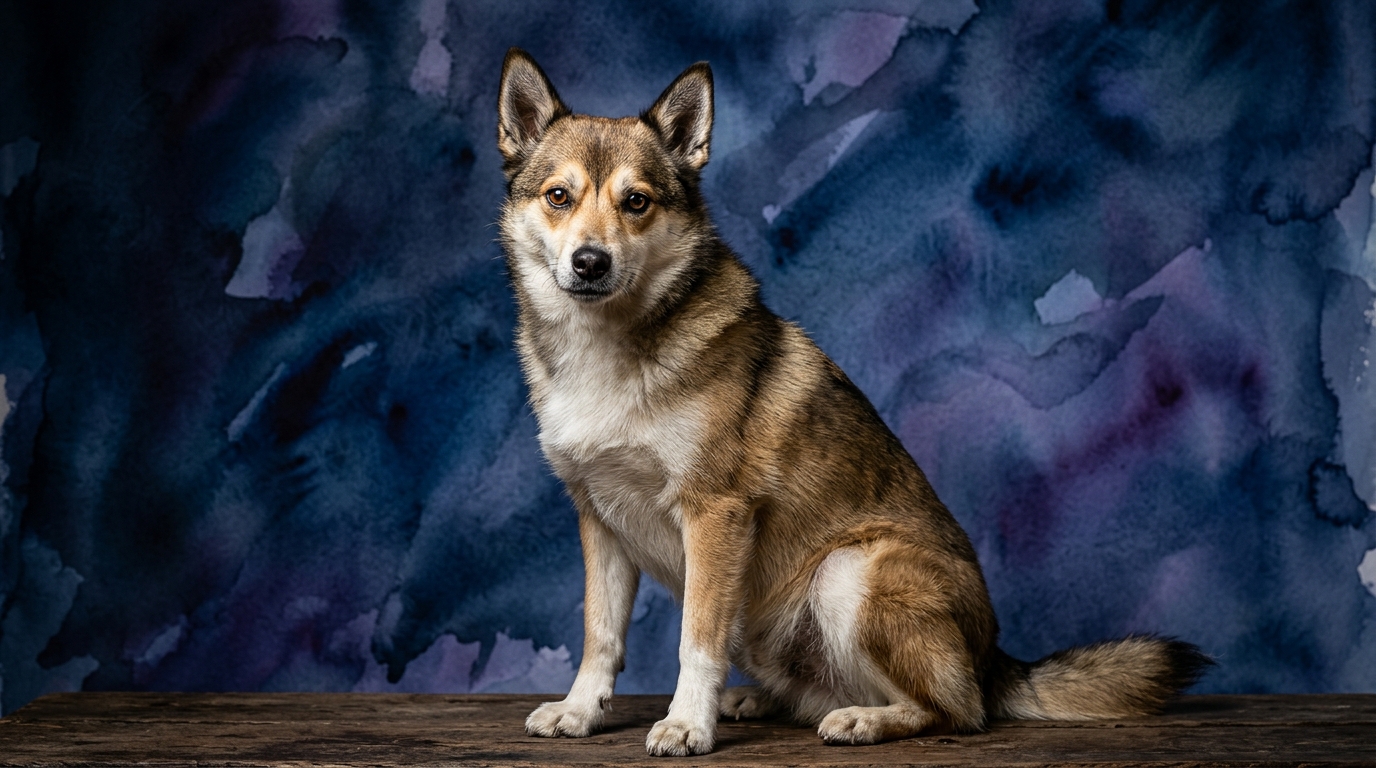
The Cosmic Pet Pet IQ Lab employs five dimensions to map a breed's cognitive profile, offering a nuanced view beyond simplistic labels. For the Norwegian Lundehund, a breed with a history rooted in hunting puffins in challenging terrains, its scores reflect a balanced, pragmatic intelligence: Problem Solving 3/5, Training Speed 3/5, Social Intelligence 3/5, Instinctive Drive 3/5, and Memory 3/5. This suggests a dog capable of navigating its world effectively, learning at a steady pace, and possessing an average capacity for social interaction and retention of experiences.
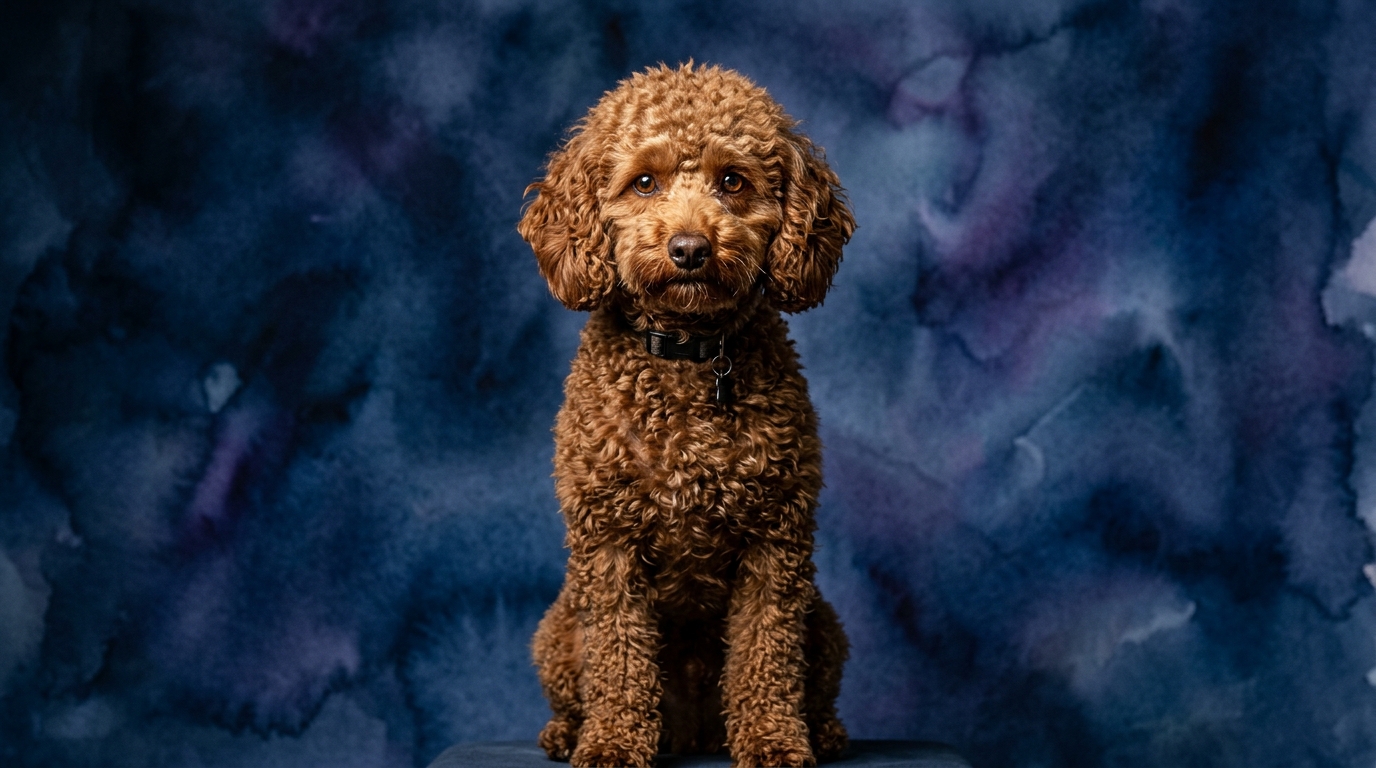
In contrast, the Miniature Poodle, a breed historically valued for its retrieving abilities and later for its companionable nature, presents a remarkably different cognitive blueprint. It stands out with a Coren rank of #2, indicating exceptional working and obedience intelligence. Its IQ scores are Problem Solving 5/5, Training Speed 5/5, Social Intelligence 3/5, Instinctive Drive 3/5, and Memory 5/5. These scores point to a dog that excels in analytical thought, rapid learning, and robust recall, while maintaining an average social and instinctive profile.
Where the Norwegian Lundehund Wins Cognitively
While the Lundehund's scores are consistently moderate, this uniformity can be a cognitive advantage in specific contexts. Its Problem Solving at 3/5, for instance, isn't about complex abstract reasoning but rather a practical, resilient ingenuity honed by its historical role. This breed developed unique physical adaptations, like extra toes and highly flexible joints, to navigate treacherous cliff faces and extract puffins from narrow crevices. This required a specific, embodied form of problem-solving: assessing physical space, adapting movement, and persistent effort rather than abstract thought. Owners might observe this as a quiet determination in overcoming physical obstacles or figuring out how to reach a desired spot in their environment, a kind of spatial intelligence.
Furthermore, the Lundehund's balanced cognitive profile means it's less prone to the mental hyperactivity that can plague some breeds with higher scores. Its 3/5 in Social Intelligence and Instinctive Drive suggests a dog that is present and engaged but perhaps less intensely focused on human approval or driven by overwhelming natural urges compared to some counterparts. This can translate to a more independent companion, one who is content with self-directed activities for periods, offering a cognitive 'win' for owners who appreciate a dog with a robust inner life and less constant need for external mental stimulation.
Where the Miniature Poodle Wins Cognitively
The Miniature Poodle's cognitive strengths are evident in its 5/5 scores for Problem Solving, Training Speed, and Memory. This breed demonstrates a remarkable capacity for analytical thought, quickly assessing novel situations and devising solutions. This could manifest as figuring out how to open latches, solving intricate puzzle toys, or even understanding complex sequences of commands. Their rapid Training Speed means they absorb new information with minimal repetition, making them adept at learning extensive repertoires of tricks, advanced obedience routines, or specialized tasks.
The Poodle's exceptional Memory further solidifies its cognitive prowess, allowing it to retain vast amounts of learned information and recall it reliably over extended periods. This combination of swift learning, deep understanding, and lasting memory makes the Miniature Poodle highly versatile. They excel in dog sports like agility and obedience, where precision, speed, and complex sequence recall are paramount. This cognitive profile also makes them suitable for roles requiring consistent performance and the ability to adapt learned skills to new scenarios, such as therapy or assistance work, showcasing a profound capacity for applying their intellect in a structured environment.
Which Is Easier to Train and Why
Based on their IQ scores, the Miniature Poodle is undeniably easier to train. Its Training Speed of 5/5 means it picks up new commands and behaviors with remarkable alacrity, often grasping concepts after just a few repetitions. Coupled with a Problem Solving score of 5/5, Poodles not only learn quickly but also understand the underlying principles of tasks, allowing them to generalize commands to new environments and adapt to variations in training. Their eagerness to engage and work alongside their human companions, often rooted in their historical working roles, further enhances their trainability.
The Norwegian Lundehund, with a Training Speed of 3/5, will require more patience, consistency, and a different approach. While capable of learning, they may need more repetitions and shorter, engaging training sessions to maintain focus. Their moderate Problem Solving score means they might not grasp abstract commands or complex sequences as rapidly. Furthermore, their historical independence as solitary hunters can sometimes translate into a less inherent desire to please, meaning owners need to be highly motivating, utilizing positive reinforcement to build value for training and make it a rewarding experience. Training a Lundehund is certainly achievable, but it demands a more thoughtful and persistent strategy than with a Miniature Poodle.
Which Suits Active Owners vs. Relaxed Owners
The Miniature Poodle, with its high cognitive scores, thrives with active owners who can provide ample mental stimulation alongside physical exercise. Their sharp minds and excellent memory mean they quickly become bored and potentially destructive if not given outlets for their intellect. Owners who enjoy teaching new tricks, participating in dog sports like agility or rally obedience, or engaging in complex puzzle games will find a Miniature Poodle to be an enthusiastic and fulfilling partner. They require consistent engagement to prevent their keen minds from finding less desirable ways to entertain themselves.
The Norwegian Lundehund, while still needing regular exercise for its physical well-being, is generally better suited for owners who might be described as moderately active or those who appreciate a more independent canine companion. Its balanced cognitive profile means it doesn't typically demand the same intensity of constant mental challenges as a Miniature Poodle. Owners who enjoy outdoor adventures like hiking but aren't necessarily seeking a dog for competitive dog sports might find the Lundehund a good fit. While they still benefit from training and enrichment, their moderate social intelligence and instinctive drive suggest they can be content with periods of self-directed activity, fitting well into a household that values a dog's personal space and autonomy.
The Verdict
Choose the Norwegian Lundehund if you appreciate a resilient, independent companion with practical problem-solving skills and a balanced cognitive profile that doesn't demand constant intense mental engagement.
Opt for the Miniature Poodle if you seek a highly trainable, versatile partner eager for mental challenges, excelling in complex learning and remembering, and thriving on consistent interaction and activities.
🧠 Find Your Pet's IQ Score
Our Pet IQ Lab assessment covers 25+ tests across 5 cognitive dimensions — personalized to your breed.
Take the Full IQ Test →Frequently Asked Questions
Do Norwegian Lundehunds require a lot of mental stimulation?
Norwegian Lundehunds have a moderate cognitive profile, suggesting they need regular mental enrichment but typically less intense, constant stimulation than breeds with higher problem-solving and training speed scores. Engaging them with varied walks, moderate puzzle toys, and consistent training sessions will keep their minds active without overwhelming demands.
Are Miniature Poodles good for first-time dog owners?
Miniature Poodles can be excellent for first-time dog owners due to their high trainability and eagerness to learn, making the training process rewarding. However, their significant need for mental stimulation means new owners must be prepared to dedicate time to consistent training, enrichment activities, and engagement to prevent boredom.
How do the breeds' social intelligence scores impact their family life?
Both breeds score 3/5 in Social Intelligence, indicating an average capacity to read human cues and adapt socially. This means both can integrate well into family life, forming strong bonds. Owners should still focus on early socialization to ensure they develop appropriate manners and comfort around various people and situations.