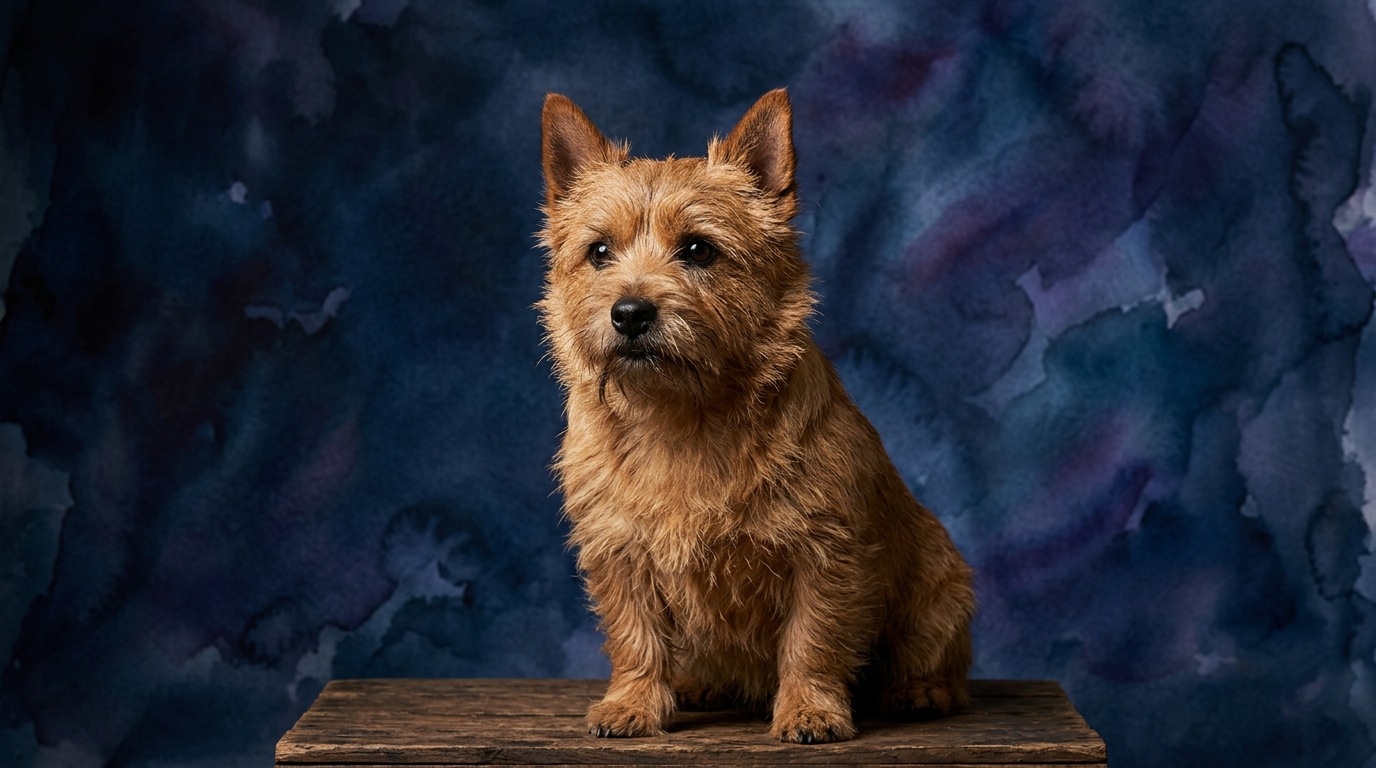
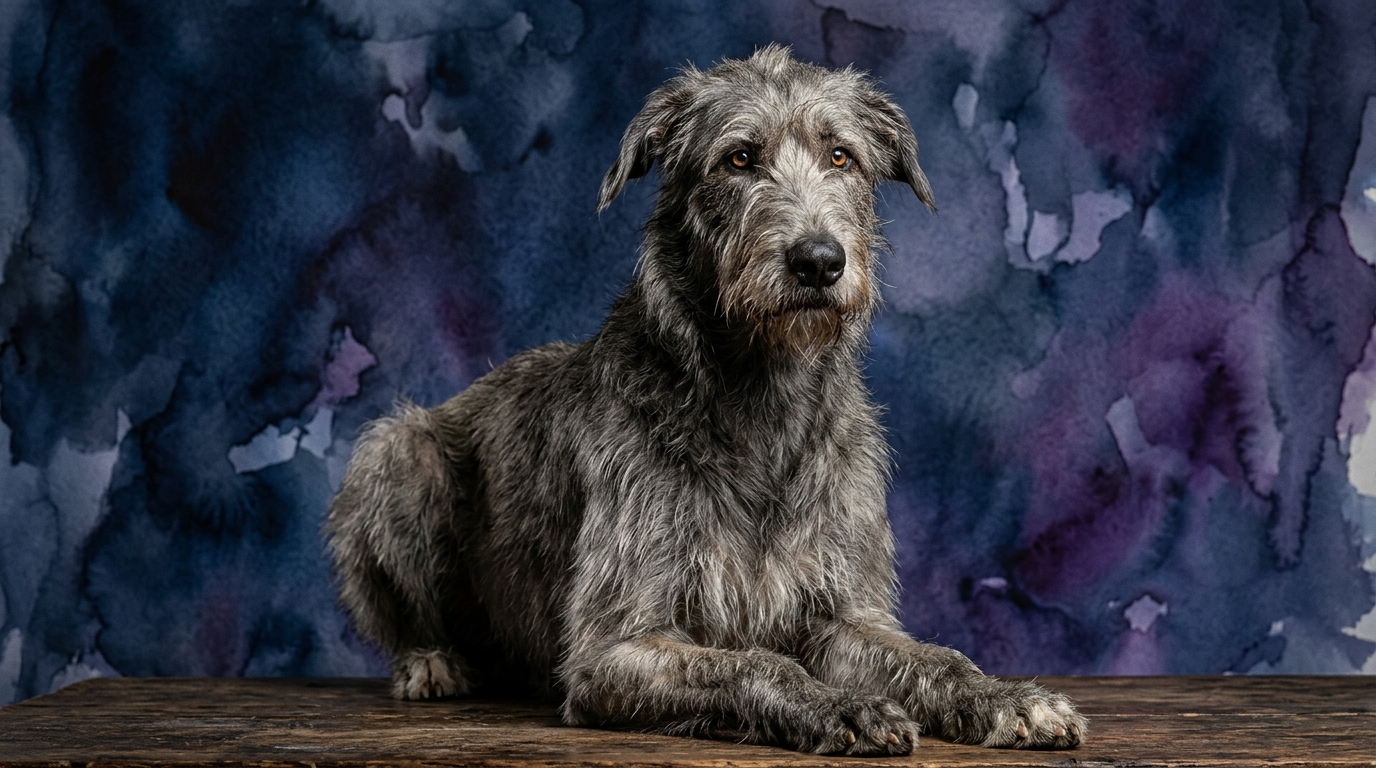
Side-by-Side Cognitive Profiles: Decoding the 3/5 Score
At first glance, the identical 3/5 scores across all five dimensions for both the Norwich Terrier and the Irish Wolfhound might suggest a uniform cognitive landscape. However, the true insight lies in appreciating how these scores are expressed through the lens of their unique breed temperaments and historical roles. A '3' in one breed doesn't always look like a '3' in another; it's about the flavor of their cognitive abilities.
For the Norwich Terrier, a 3/5 in problem-solving often translates into a tenacious, independent approach to navigating their environment. They might use their quick wits and physical agility to outmaneuver a toy, locate a hidden treat, or ingeniously escape a perceived barrier, driven by their inherent terrier curiosity and determination. Conversely, the Irish Wolfhound's 3/5 in problem-solving tends to manifest as a more deliberate and observant process. Their larger size and typically calmer demeanor mean they might assess a situation with thoughtful consideration, perhaps figuring out how to gently nudge open a door or patiently wait for an obstacle to be removed, rather than attempting a forceful solution.
A 3/5 for training speed in the Norwich Terrier indicates they are capable learners, but their independent streak and strong prey drive can sometimes lead to selective hearing when something more enticing captures their attention. They absorb commands well with consistent, engaging, and positive reinforcement, but their compliance is often linked to their perceived value of the task or reward. The Irish Wolfhound also earns a 3/5, signifying a good capacity for learning. Their generally gentle and sensitive nature means they respond best to calm, encouraging methods, and they are typically eager to please their human companions, making them quite responsive once they understand what is being asked of them.
The Norwich Terrier's 3/5 social intelligence is often characterized by a keen awareness of their immediate human family's moods and routines, coupled with a confident, sometimes feisty, interaction style with other dogs and new people. They can read social cues but might not always choose to defer, displaying a strong sense of self. The Irish Wolfhound's 3/5 in social intelligence typically presents as a more reserved and dignified understanding of social dynamics. They are often highly attuned to the emotional states of their human family members and can be remarkably gentle, especially with children. While not overtly demonstrative with strangers, they observe and assess new individuals with a calm, discerning intelligence.
The Norwich Terrier's 3/5 instinctive drive is deeply rooted in their history as vermin hunters. This translates into a strong inclination to dig, chase small scurrying creatures, and vocalize when excited or on alert. These drives are central to their being and require appropriate outlets. The Irish Wolfhound, a sighthound, also possesses a 3/5 instinctive drive, but it manifests differently. Their historical role involved pursuing large game over long distances. This can be seen in their tendency to visually track moving objects, their enjoyment of a good chase in a secure area, and their general athleticism, even if their impressive size dictates a more measured pace than smaller hounds.
Both breeds share a 3/5 memory score, indicating a solid capacity for recall. For the Norwich Terrier, this means they effectively remember routines, the location of favored toys or sniffing spots, and learned commands, even if their independent nature sometimes makes them appear to 'forget' in the moment. They also recall both positive and negative experiences vividly. The Irish Wolfhound's 3/5 memory allows them to retain training cues, recognize familiar faces and places, and recall past interactions, contributing to their consistent demeanor and ability to adapt to established household rules and schedules.
Where the Norwich Terrier's Cognition Shines
While sharing identical raw scores, the Norwich Terrier's cognitive strengths become particularly evident in scenarios demanding quick, agile thinking paired with physical tenacity. Their 3/5 problem-solving, combined with their compact size and terrier spirit, allows them to excel at tasks requiring clever navigation of confined spaces or persistent, focused effort. For instance, a Norwich might ingeniously figure out how to retrieve a toy from under furniture using a complex series of pushes and pulls, or tirelessly work at uncovering a scent source in the garden.
Their instinctive drive, also rated 3/5, is a powerful motivator for independent 'work.' This drive, channeled constructively, means they are adept at interactive puzzle toys that mimic hunting challenges, requiring them to solve a physical riddle to earn a reward. Their memory (3/5) ensures they retain these learned strategies, often improving their efficiency over time. This blend of attributes makes them exceptionally good at self-directed engagement and tasks that demand a persistent, goal-oriented approach within their immediate, often smaller, environment.
Where the Irish Wolfhound's Cognition Excels
The Irish Wolfhound's cognitive strengths, though also rated 3/5, manifest in a grandeur that matches their physical presence. Their social intelligence and problem-solving, when combined with their impressive stature and inherently calm disposition, lend themselves to a more nuanced understanding of their environment and the people within it. They often demonstrate a profound capacity for gentle interaction, reading human emotions with remarkable sensitivity and responding with a quiet empathy. This makes them particularly adept at being a supportive, comforting presence.
Their 3/5 problem-solving often involves a patient, observational intelligence, allowing them to understand complex household routines or anticipate human actions without needing explicit commands. For example, an Irish Wolfhound might learn the precise sequence of events leading up to a walk and position themselves by the door with a quiet dignity, rather than boisterous demands. Their memory (3/5) supports this by enabling them to recall past interactions and established household rules with impressive consistency, making them reliable and predictable companions once a routine is established.
Training: Navigating Different Temperaments
When it comes to ease of training, the identical 3/5 training speed scores belie distinct approaches required for each breed. The Norwich Terrier, with its independent terrier spirit and strong instinctive drives, often requires a trainer to be more engaging and creative. While they grasp concepts quickly, their compliance can be conditional; if a squirrel outside is more interesting than a 'sit' command, their problem-solving and drive might lead them to prioritize the squirrel. Successful training hinges on making lessons consistently fun, rewarding, and convincing them that cooperation is the most exciting option.
The Irish Wolfhound, despite its size, is generally more sensitive and eager to please, making them typically more amenable to training, provided the methods are gentle and positive. Their 3/5 training speed means they learn at a good pace, and their 3/5 social intelligence makes them highly responsive to their owner's tone and body language. Given their immense size and strength, early and consistent training in manners, leash etiquette, and impulse control is not just beneficial but essential. Their willingness to comply, often driven by a desire for connection and approval, makes them generally easier to guide through obedience, though their large hound brain can still find external stimuli distracting.
Cognitive Fit: Active vs. Relaxed Owners
Understanding how these 3/5 cognitive traits translate into daily life is crucial for matching a dog to an owner's lifestyle. The Norwich Terrier, while small, is far from a sedentary lap dog. Their 3/5 instinctive drive and problem-solving capabilities demand an owner who can provide consistent mental stimulation and outlets for their terrier energy. This means engaging in interactive play, short but vigorous walks, scent work, and puzzle toys. They suit owners who enjoy active, hands-on engagement in bursts throughout the day and appreciate a dog with a lively, independent spirit.
The Irish Wolfhound, despite its history as a sighthound, is often described as a 'gentle giant' that balances moderate activity with significant periods of rest. Their 3/5 instinctive drive translates to a need for regular, leisurely walks or opportunities to stretch their long legs in a secure yard, but they are not built for intense, high-impact endurance activities. Their 3/5 social intelligence and calm demeanor make them well-suited for owners who appreciate a dignified, serene presence in the home, enjoy long, unhurried strolls, and are content with a companion who is often a quiet observer rather than a constant participant in high-energy games. They thrive with relaxed owners who can provide space, comfort, and consistent, gentle companionship.
The Verdict
Opt for the Norwich Terrier if you seek a compact, tenacious companion whose 3/5 intelligence manifests in spirited problem-solving and independent engagement, fitting an owner who enjoys active, hands-on interaction and appreciates a dog with a big personality in a small package.
Select the Irish Wolfhound if you desire a majestic, gentle giant whose 3/5 intelligence shines through calm observation, social sensitivity, and a dignified presence, ideal for owners who value serene companionship, leisurely exercise, and a dog whose quiet wisdom fills a home.
🧠 Find Your Pet's IQ Score
Our Pet IQ Lab assessment covers 25+ tests across 5 cognitive dimensions — personalized to your breed.
Take the Full IQ Test →Frequently Asked Questions
Does the Norwich Terrier's small size mean it's less capable of complex thought than the Irish Wolfhound?
Not at all; brain size doesn't directly correlate with cognitive ability in a linear fashion across species, or even within breeds. The Norwich Terrier's 3/5 scores indicate a solid capacity for problem-solving and learning, expressed through its terrier-specific behaviors like tenacity and independent thinking, which are perfectly suited to its historical role and physical build.
Given their identical IQ scores, is there any real difference in how these breeds learn?
Absolutely. While both score 3/5 in training speed, the *manner* in which they learn and their motivation differ. The Norwich Terrier's independence means training must be highly engaging to capture their attention, while the Irish Wolfhound's sensitivity and desire to please make them generally more responsive to gentle, positive reinforcement, despite their potential for sighthound distractibility.
How does a 3/5 instinctive drive manifest differently in a Terrier versus a Sighthound?
For the Norwich Terrier, a 3/5 instinctive drive often means a strong urge to dig, chase small prey, and vocalize, reflecting their vermin-hunting heritage. For the Irish Wolfhound, a 3/5 drive typically involves a powerful visual tracking instinct and a desire to pursue moving objects over distances, stemming from their history as large game sighthounds, requiring different management strategies.