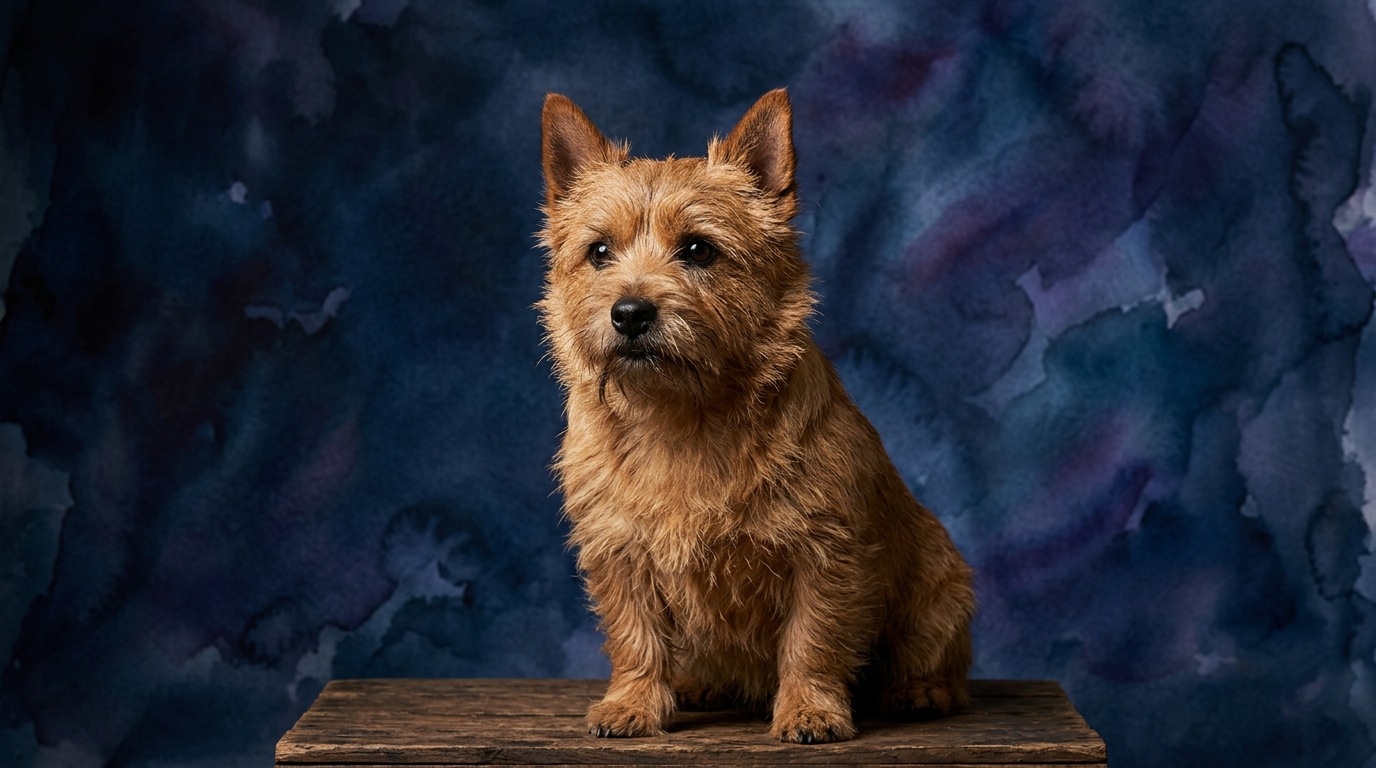
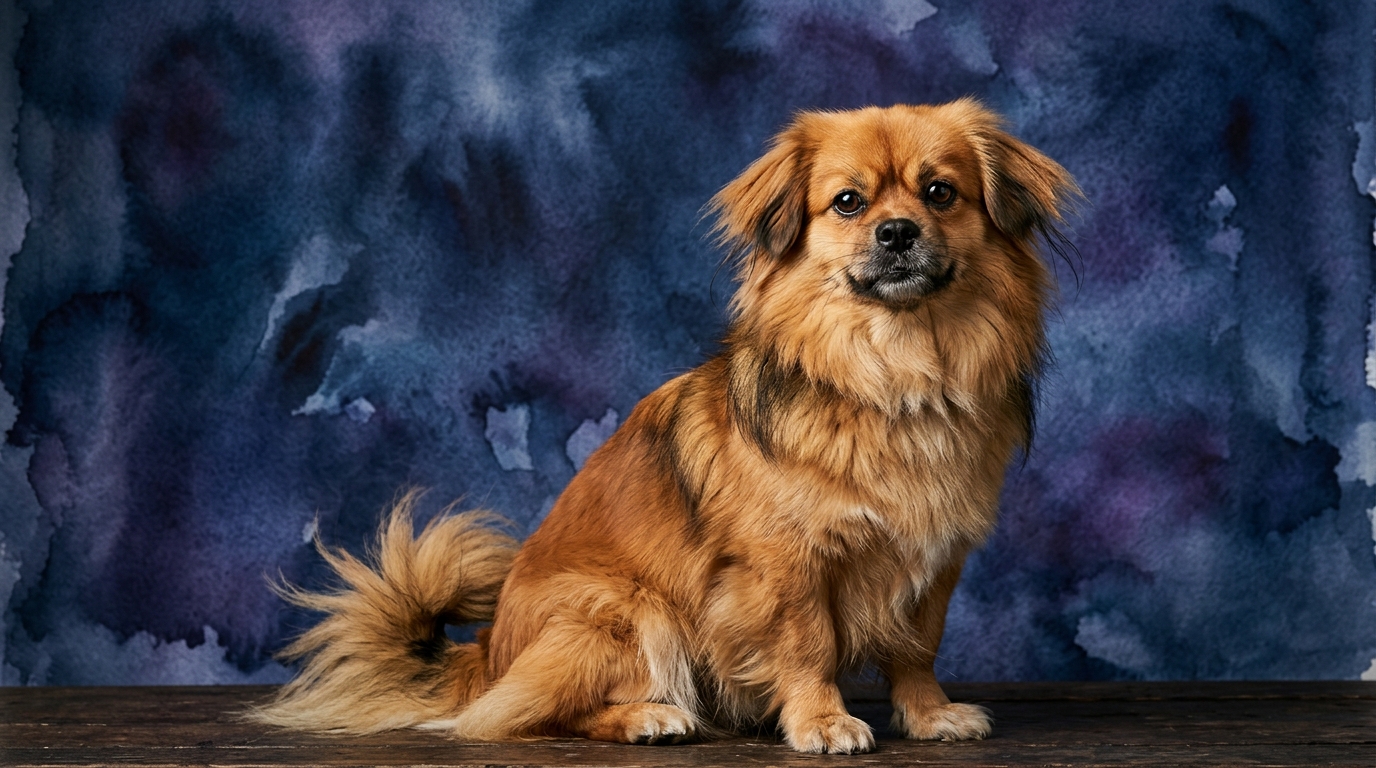
Side-by-Side IQ Profile: Interpreting Identical Scores
At first glance, the Pet IQ Lab scores for both the Norwich Terrier and the Tibetan Spaniel appear identical, each scoring a consistent 3 out of 5 across all five cognitive dimensions: Problem Solving, Training Speed, Social Intelligence, Instinctive Drive, and Memory. This parity doesn't suggest a lack of individual mental aptitude, but rather highlights the importance of context and breed-specific interpretation. A '3/5' for a tenacious terrier means something different than for a watchful companion breed, reflecting distinct applications of their cognitive abilities.
For the **Norwich Terrier**, a score of 3/5 in **Problem Solving** typically manifests as a determined ability to overcome physical obstacles or strategize in pursuit of a perceived 'quarry,' whether it's a burrowing rodent or a dropped toy under the sofa. Their **Training Speed** at 3/5 indicates they are certainly capable of learning, but their independent spirit and strong focus on their own agenda can make them less immediately compliant. **Social Intelligence** at 3/5 suggests they are capable of forming strong bonds and understanding human cues, but might also exhibit typical terrier assertiveness or a preference for their chosen inner circle. Their **Instinctive Drive** is a solid 3/5, clearly rooted in their historical role as small game hunters, translating into a keen interest in chasing, digging, and barking. Finally, their **Memory** at 3/5 means they retain learned commands and experiences, both positive and negative, requiring consistent, fair interactions.
The **Tibetan Spaniel**, with the same 3/5 scores, expresses these dimensions differently. Their **Problem Solving** at 3/5 might involve figuring out how to get the most comfortable spot on the couch, strategically positioning themselves for optimal sunbathing, or subtly manipulating their owners for attention. **Training Speed** at 3/5 indicates they are intelligent learners, but their somewhat independent, 'cat-like' nature means they respond best to gentle, positive reinforcement and may not always see the immediate value in performing a command. Their **Social Intelligence** at 3/5 is often expressed through a deep attunement to their family's moods and routines, combined with a reserved wariness towards strangers. The 3/5 **Instinctive Drive** in a Tibetan Spaniel is less about hunting and more about their historical role as 'little lion dogs' and 'Tibetan alarm bells' — a strong desire to observe their surroundings from a vantage point and alert their family to anything new. Their **Memory** at 3/5 means they recall routines, favorite people, and past interactions with remarkable accuracy, making them creatures of habit who appreciate predictability.
Where the Norwich Terrier Excels Cognitively
The Norwich Terrier's cognitive strengths lie in their tenacious, action-oriented approach to the world. Their problem-solving at 3/5 is particularly effective in scenarios requiring physical ingenuity and persistence. Think of a Norwich meticulously working to extract a hidden treat from a puzzle toy, or cleverly navigating a complex dog park environment. This isn't just brute force; it's a focused, goal-oriented application of their intellect, driven by an inherent desire to 'get the job done.' Their terrier grit means they are less likely to give up on a challenge, a testament to their historical purpose of independently flushing out vermin.
Furthermore, their 3/5 instinctive drive, while sometimes challenging for owners, is a cognitive asset in terms of situational awareness and quick decision-making. A Norwich will rapidly assess a moving object and react, demonstrating an impressive speed of processing information relevant to their prey drive. This translates into a sharp, alert demeanor and a readiness to engage with their environment, making them excellent companions for those who appreciate a dog with a robust, proactive mental engagement.
Where the Tibetan Spaniel Shines Cognitively
The Tibetan Spaniel's cognitive advantages are rooted in their keen observational skills and refined social awareness. Their 3/5 social intelligence is often expressed through a profound understanding of human emotions and family dynamics. They are masters of non-verbal communication, able to pick up on subtle cues from their owners and adapt their behavior accordingly. This makes them remarkably empathetic companions, often seeming to 'know' when their human needs comfort or quiet companionship. Their problem-solving at 3/5 often manifests in social engineering – figuring out the best way to solicit a belly rub or secure a prime spot on the sofa, rather than purely physical challenges.
Their 3/5 instinctive drive, while different from a terrier's, is a cognitive strength in its role as a vigilant sentinel. Tibbies possess a remarkable ability to survey their surroundings from an elevated position and discern unusual sounds or movements. This isn't just barking; it's a sophisticated system of alerting, where they process environmental stimuli and make judgments about potential threats or novelties, acting as a highly effective, if sometimes vocal, home security system. Their memory at 3/5 contributes significantly here, as they recall daily routines and quickly recognize deviations, making them excellent at detecting change.
Training Dynamics: Independence vs. Sensitivity
Both breeds score 3/5 in Training Speed, yet the experience of training them differs significantly due to their underlying behavioral traits. The Norwich Terrier's independence and strong instinctive drives can make training a spirited endeavor. They are capable learners, but their natural curiosity and desire to follow their nose or chase a squirrel can easily override a command. Training a Norwich requires immense consistency, engaging positive reinforcement, and a strong sense of humor from the owner. They respond well to varied, challenging tasks that tap into their problem-solving skills, but can become bored with repetitive drills. Their 'stubbornness' is often a manifestation of their independent thinking and strong will.
The Tibetan Spaniel, despite the same 3/5 score, presents a different training challenge. They are sensitive and can be easily discouraged by harsh methods. While intelligent, their independent and sometimes aloof nature means they need to be convinced that performing a command is worthwhile. They are not typically as food-motivated as some breeds, often preferring praise and affection. Training a Tibbie requires patience, gentle encouragement, and making the process feel like a fun, collaborative game rather than a strict lesson. They excel when their social intelligence is engaged, and they feel a strong bond with their trainer. Their 'stubbornness' might stem more from a lack of perceived incentive or a slight aloofness rather than an active desire to defy.
Matching Lifestyles: Active Explorers vs. Observant Companions
When considering which breed aligns with an owner's lifestyle, the nuances of their cognitive profiles become even clearer. The Norwich Terrier, with its robust instinctive drive and problem-solving geared towards action, is an ideal companion for active owners. They thrive on outdoor adventures, brisk walks, and opportunities for mental stimulation that engage their natural curiosity and zest for life. Owners who enjoy hiking, exploring new places, or even participating in dog sports like earthdog trials or agility will find a Norwich a spirited and engaged partner. Their need for consistent engagement means they are not content to be couch potatoes; they require an outlet for their physical and mental energy.
The Tibetan Spaniel, while enjoying walks and playtime, is generally better suited for more relaxed owners who appreciate a vigilant yet calm presence. Their cognitive strengths lie in observation and social bonding within the home environment. They are content with a moderate amount of exercise, followed by long periods of surveying their domain from a comfortable perch, ideally near their family. They thrive in homes where they can be integral to daily life, offering quiet companionship and their unique brand of 'Tibetan alarm bell' services. They are adaptable to apartment living, provided they receive sufficient mental engagement through interaction and a window to observe the world.
The Verdict: Choosing Your Canine Companion
The Verdict
Choose the Norwich Terrier if you seek an active, tenacious, and independent companion ready for adventure and engaging problem-solving challenges, who will bring boundless energy and a spirited personality to your life.
Opt for the Tibetan Spaniel if you desire a loyal, observant, and subtly affectionate companion who thrives on close family bonds, offering gentle presence and a watchful eye from their favorite vantage point.
🧠 Find Your Pet's IQ Score
Our Pet IQ Lab assessment covers 25+ tests across 5 cognitive dimensions — personalized to your breed.
Take the Full IQ Test →Frequently Asked Questions
Are Norwich Terriers difficult to train?
Norwich Terriers are capable learners (3/5 training speed), but their independent nature and strong prey drive require consistent, engaging, and positive training methods. They may appear stubborn, but they respond well to tasks that challenge their problem-solving skills and keep them entertained.
Do Tibetan Spaniels bark a lot?
Tibetan Spaniels have a 3/5 instinctive drive that manifests as a strong watchdog tendency. They are known to be vigilant 'Tibetan alarm bells,' often barking to alert their family to anything new or perceived as unusual in their environment. This is a natural part of their historical role.
Which breed is better with children?
Both breeds can be good with children when properly socialized, but their approaches differ. Norwich Terriers are generally sturdy and playful, enjoying boisterous games. Tibetan Spaniels, with their 3/5 social intelligence, are often more reserved and prefer calm interactions, making them better suited for older, respectful children.