Side-by-Side Cognitive Profile
The Cosmic Pet Pet IQ Lab assesses canine intelligence across five key dimensions, providing a framework to understand how different breeds process information and interact with their world. For both the Nova Scotia Duck Tolling Retriever and the Boykin Spaniel, each dimension registers a score of 3/5, suggesting a baseline of robust cognitive ability, but their expressions of these traits differ significantly due to their distinct breed histories and working styles.
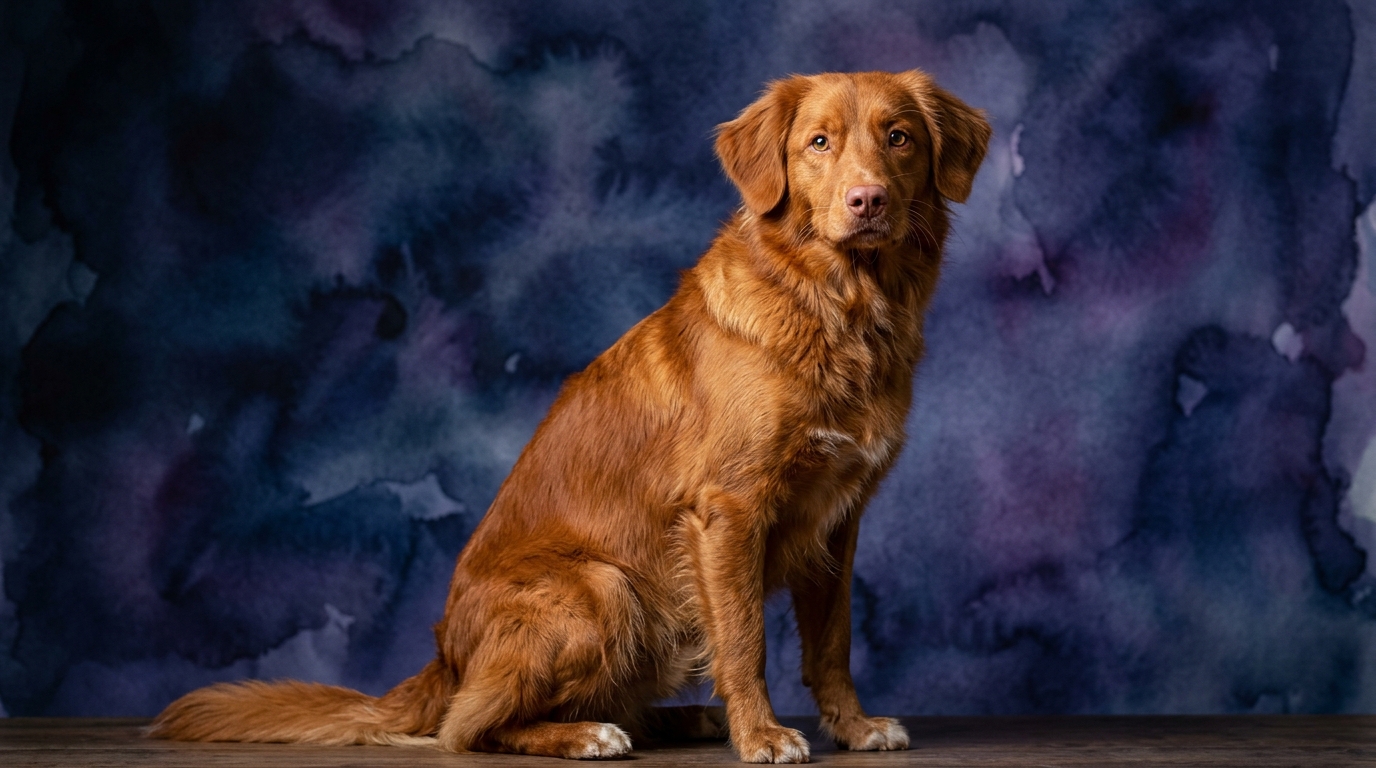
The Nova Scotia Duck Tolling Retriever (Toller), a Canadian sporting dog, demonstrates a Problem Solving score of 3/5 through their ingenious methods of luring waterfowl, requiring them to strategize and adapt to the environment. Their Training Speed, also 3/5, reflects their capacity for quick learning, though their independent streak means they thrive on engaging, positive reinforcement. Social Intelligence at 3/5 indicates an awareness of human cues and a desire to connect with their family, albeit often with a reserved approach to strangers. An Instinctive Drive of 3/5 is evident in their powerful retrieving instincts and the unique 'tolling' behavior. Finally, their Memory at 3/5 allows them to recall complex sequences and locations critical for their specific hunting tasks.
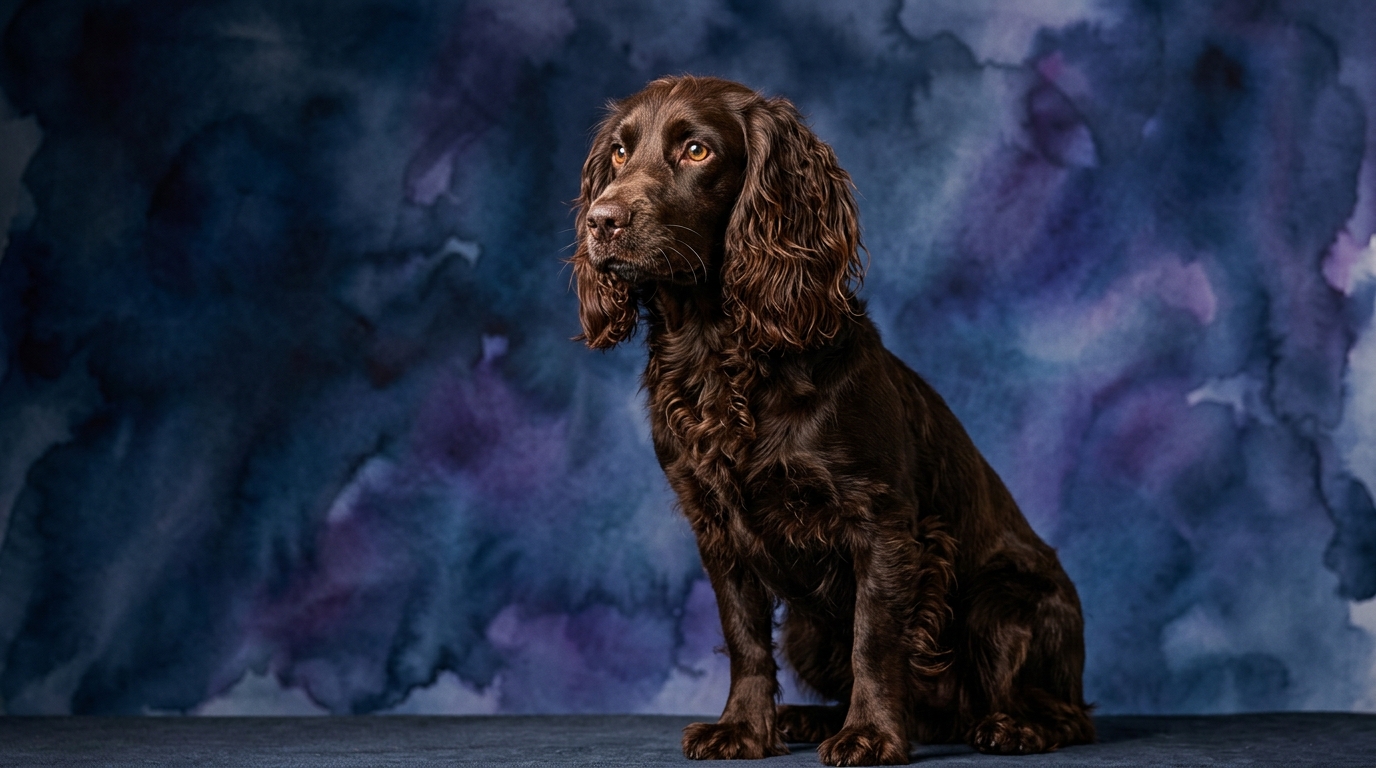
The Boykin Spaniel, a South Carolina native, also scores 3/5 in Problem Solving, manifesting in their persistent and methodical approach to flushing game and navigating dense cover. Their Training Speed of 3/5 highlights their eagerness to learn and please, responding well to consistent guidance. Social Intelligence, also 3/5, points to their highly people-oriented nature, thriving on companionship and interaction with their human families. An Instinctive Drive of 3/5 powers their energetic flushing, retrieving, and swimming abilities, central to their role as a versatile hunting companion. Their Memory at 3/5 supports their ability to retain complex hunting patterns and commands, crucial for effective fieldwork.
Where the Nova Scotia Duck Tolling Retriever Wins Cognitively
Despite identical scores, the Toller's cognitive strengths often lean towards a more independent and strategic application of their intellect. Their 3/5 Problem Solving manifests distinctly in the 'tolling' behavior itself—a complex, multi-step lure-and-retrieve sequence that suggests a layered understanding of cause and effect and a capacity for self-directed strategy. This often involves more than just following commands; it requires the dog to initiate and adapt a plan.
Furthermore, their retrieving work, often in challenging conditions, demands a sustained focus and a more nuanced approach to navigating obstacles and scent trails. While their Instinctive Drive is 3/5, the Toller’s drive is often paired with a calculated persistence, allowing them to work through intricate problems rather than relying solely on brute force or sheer speed. This cognitive blend makes them particularly adept at advanced dog sports like agility or dock diving, where both physical prowess and mental strategy are paramount.
Where the Boykin Spaniel Wins Cognitively
The Boykin Spaniel's cognitive strengths, while scoring identically at 3/5, are often expressed through their exceptional adaptability and an intense, joyful partnership with their handler. Their 3/5 Problem Solving shines in dynamic field environments, where they must constantly adapt their search patterns and flushing techniques to varying cover and game movement, demonstrating a highly practical and responsive intelligence.
Their Social Intelligence and Instinctive Drive, both 3/5, combine to create an extremely biddable and cooperative working partner. This intense desire to please, coupled with their strong drive, means they often excel in tasks requiring close collaboration and immediate responsiveness to handler cues. Their memory is particularly strong for recognizing specific scent patterns and terrain features related to their hunting role, allowing for efficient quartering and game finding, often with an unflagging enthusiasm that underscores their cognitive application in the field.
Which is Easier to Train and Why
Assessing which breed is 'easier' to train when both score 3/5 in Training Speed requires a look at their inherent behavioral tendencies. The Nova Scotia Duck Tolling Retriever, while quick to grasp new concepts, possesses an independent and sometimes mischievous streak. Their problem-solving (3/5) can lead them to 'think for themselves,' potentially testing boundaries or devising their own, less desirable, solutions if training isn't consistently engaging and clear. They can be sensitive, meaning harsh corrections are counterproductive and effective training relies on positive reinforcement and mental stimulation to prevent boredom.
The Boykin Spaniel, also scoring 3/5 in Training Speed, is typically very eager to please and thrives on handler interaction, making them highly responsive to positive reinforcement. However, their strong instinctive drive (3/5) and boundless enthusiasm can sometimes translate into distractibility, especially in exciting outdoor environments. A Boykin trainer needs to focus on managing this energy and maintaining attention amidst distractions, often by channeling their natural drives into desired behaviors. For a novice owner, the Boykin's overt desire to please might initially feel more straightforward, while the Toller's independent problem-solving might demand a more experienced and creative training approach.
Which Suits Active Owners vs. Relaxed Owners
Neither the Nova Scotia Duck Tolling Retriever nor the Boykin Spaniel is suited for a truly 'relaxed' owner; both are high-energy sporting breeds with significant needs for physical and mental engagement. The distinction lies in the *type* of activity they thrive on and how that aligns with an owner's lifestyle.
The Toller requires an owner who can provide consistent mental challenges alongside vigorous physical exercise. They excel in structured dog sports like agility, flyball, or advanced obedience, and need a 'job' to keep their clever minds occupied. An active owner who enjoys engaging their dog in complex tasks, problem-solving games, and varied outdoor adventures would find a Toller a rewarding partner. Their energy is often channeled into focused, purposeful activity.
The Boykin Spaniel needs an owner who can provide ample opportunities for sustained physical exertion, especially running, retrieving, and swimming. They are excellent companions for active outdoor pursuits like hunting, hiking, trail running, or long play sessions in varied environments. Their energy is often more 'go-go-go' and physically demanding, thriving on the joy of movement and close companionship during adventures. An active owner who enjoys being constantly on the move with their dog will find the Boykin a tireless and enthusiastic partner.
The Verdict
Choose the Nova Scotia Duck Tolling Retriever if you seek a clever, independent partner for complex dog sports, advanced retrieving, or if you appreciate a dog that thinks through problems and enjoys mental challenges.
Opt for the Boykin Spaniel if you desire an enthusiastic, biddable companion for active outdoor pursuits like hunting, hiking, or swimming, who thrives on close partnership and sustained physical activity.
🧠 Find Your Pet's IQ Score
Our Pet IQ Lab assessment covers 25+ tests across 5 cognitive dimensions — personalized to your breed.
Take the Full IQ Test →Frequently Asked Questions
Are Nova Scotia Duck Tolling Retrievers good family dogs?
Tollers can be wonderful family dogs, but they require significant mental and physical engagement to prevent boredom and potential destructive behaviors. They are often reserved with strangers but devoted to their immediate family.
Are Boykin Spaniels good with children?
Generally, yes, Boykins are known for their friendly, tolerant, and energetic nature, making them suitable companions for children, provided they receive appropriate socialization and sufficient exercise to manage their exuberance.
Do either breed require extensive grooming?
Both breeds possess water-repellent double coats that require regular brushing, typically several times a week, to prevent matting and remove loose hair, along with occasional trimming, especially around their ears and paws.