Side-by-Side IQ Profile: Toller vs. Chow Chow
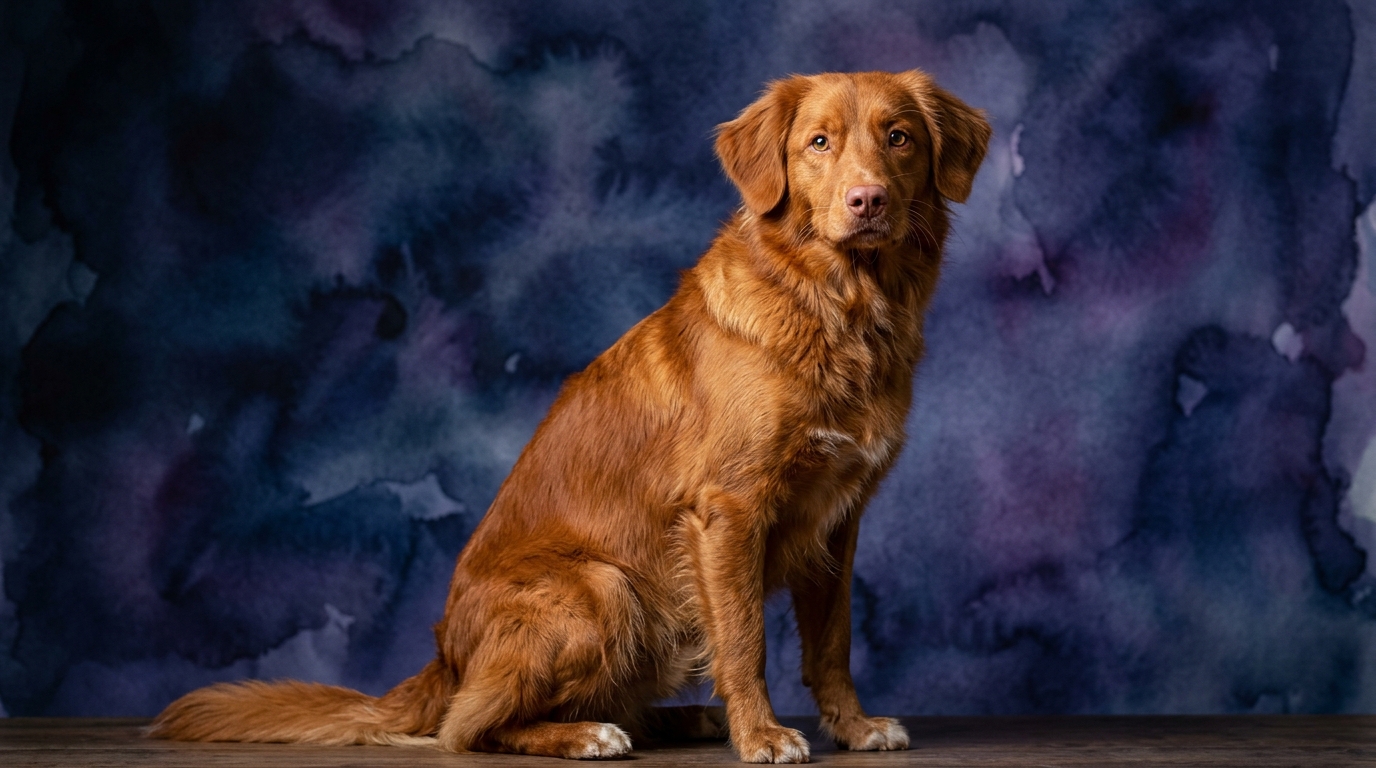
At The Cosmic Pet Pet IQ Lab, both the Nova Scotia Duck Tolling Retriever (NSDTR) and the Chow Chow are assessed with a score of 3/5 across all five cognitive dimensions: problem-solving, training speed, social intelligence, instinctive drive, and memory. For the NSDTR, a Sporting group dog, a 3/5 in problem-solving often manifests as an adeptness at navigating complex terrain or figuring out how to retrieve a hidden object, crucial for their historical role. Their 3/5 training speed is typically supported by an eagerness to cooperate, making them reasonably quick to grasp new commands and sequences. Social intelligence at 3/5 for a Toller implies an ability to read handler cues effectively in a working partnership, while their 3/5 instinctive drive is deeply rooted in their desire to search for and retrieve game. Finally, a 3/5 memory allows them to recall complex patterns of retrieves and learned behaviors with consistency.
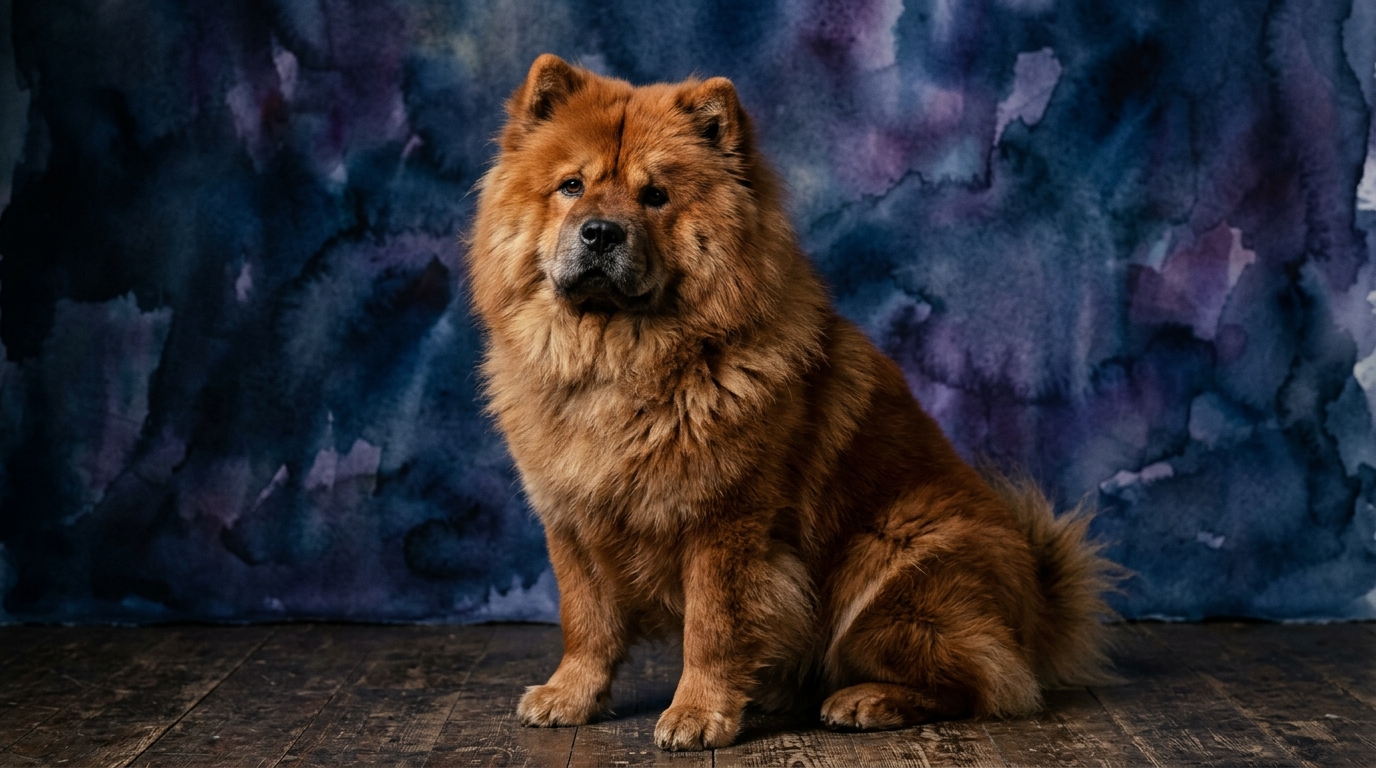
The Chow Chow, a Non-Sporting breed, exhibits these same 3/5 scores through a very different lens. Their problem-solving at 3/5 often involves independent decision-making, such as assessing unfamiliar situations or finding the most comfortable spot for themselves, rather than solving human-directed puzzles. A 3/5 in training speed for the Chow suggests they are capable of learning at a steady pace, but their inherent independence means they might require more compelling motivation or see less inherent value in constant repetition. Their 3/5 social intelligence often translates to a discerning nature, forming deep but selective bonds and accurately interpreting subtle social cues from those within their trusted circle. The Chow's 3/5 instinctive drive is typically channeled into guarding and territoriality, a strong internal motivation for protecting their space and family. Their 3/5 memory helps them retain routines, boundaries, and past interactions, which informs their selective trust and reserved demeanor.
Where the Nova Scotia Duck Tolling Retriever Excels Cognitively
Despite identical numerical scores, the Nova Scotia Duck Tolling Retriever's cognitive strengths are particularly evident in cooperative, goal-oriented tasks. Their 3/5 problem-solving ability is amplified by their intrinsic motivation to work alongside a handler; they are not just capable of solving a puzzle, but eager to do so in service of a shared objective, such as locating a 'downed' bird in dense cover. This cooperative spirit means their 3/5 training speed often translates into a more fluid and enjoyable learning experience for both dog and owner, as they readily engage in the training process, absorbing new commands and complex sequences with focused attention.
The Toller's 3/5 social intelligence is finely tuned for human interaction within a working context, allowing them to anticipate and respond to subtle body language and verbal cues, making them highly effective partners in sports or hunting. Their instinctive drive, also at 3/5, is a powerful engine for their work ethic, providing sustained enthusiasm for retrieving and other physically demanding activities. This drive, combined with a 3/5 memory, enables them to remember intricate retrieve patterns, specific locations, and long chains of commands, making them exceptionally reliable in their designated roles.
Where the Chow Chow Exhibits Unique Cognitive Strengths
The Chow Chow's cognitive advantages lie in their self-sufficiency and discerning nature, which manifest differently from the Toller's cooperative intelligence. Their 3/5 problem-solving is often applied to independent assessment and decision-making, such as evaluating new people or situations with a keen, reserved intellect, rather than seeking human direction. This breed's 3/5 social intelligence allows for a nuanced understanding of their environment and social dynamics; they are not overtly demonstrative but possess a deep capacity for reading intentions and forming profound, albeit selective, bonds with their chosen few. They excel at observational learning, often internalizing rules and routines without constant direct instruction.
The Chow's 3/5 instinctive drive is primarily directed towards guarding and watchful companionship, requiring them to make rapid, independent judgments about their surroundings and who belongs within their sphere. This intrinsic motivation, combined with their 3/5 memory, gives them an excellent recall for established boundaries, routines, and individuals they trust or perceive as potential threats. While their training speed is 3/5, their learning style is often more about understanding the 'why' and making a choice to comply, rather than an automatic desire to please, which can be a cognitive strength in situations requiring independent thought.
Which Is Easier to Train and Why?
When considering ease of training, the Nova Scotia Duck Tolling Retriever generally presents a more straightforward experience for most owners. Their Sporting group background has honed them for cooperative work, meaning their 3/5 training speed is often paired with a strong desire to engage with and please their handler. They find inherent satisfaction in performing tasks and learning new commands, driven by their instinctive desire to work and retrieve. This eagerness to participate in the learning process, coupled with their focus, makes them responsive to positive reinforcement and relatively quick to master a wide range of obedience and complex sporting skills.
The Chow Chow, conversely, can be more challenging for traditional obedience training, a factor reflected in their Coren rank of #76, which places them among breeds requiring more repetitions to learn new commands. This isn't due to a lack of cognitive capacity, as their 3/5 IQ scores attest, but rather their profound independence and discerning nature. Their 3/5 training speed is present, but they often require a clear understanding of the 'why' behind a command and may choose not to comply if they don't see the value or if the motivation isn't compelling enough. Training a Chow Chow demands patience, consistency, and a deep understanding of their self-reliant personality, focusing on building trust and making training a collaborative, rather than strictly command-driven, experience.
Suitability for Active vs. Relaxed Owners
The Nova Scotia Duck Tolling Retriever is unequivocally suited for active owners. Their 3/5 instinctive drive, coupled with their high energy levels as a Sporting dog, necessitates significant daily physical and mental exercise. They thrive on activities like retrieving games, agility, long hikes, and dog sports that engage both their body and their problem-solving mind. An owner who cannot provide this level of engagement will likely find their Toller developing frustrated behaviors. In contrast, the Chow Chow is better suited for more relaxed owners who appreciate an independent and dignified companion. While they still require regular, moderate exercise for their health, their energy needs are far less intense than a Toller's. They are often content with daily walks and prefer quiet companionship, valuing their personal space and a calm home environment, though their guarding instincts mean they remain alert and observant.
The Verdict: When to Choose Each Breed
The Verdict
Choose a Nova Scotia Duck Tolling Retriever if you are an active individual or family seeking an engaged, cooperative partner eager to learn, work, and participate enthusiastically in a variety of dog sports and outdoor adventures.
Opt for a Chow Chow if you appreciate a dignified, independent companion who offers reserved affection and watchful companionship, and you are prepared to invest in patient, consistent training that respects their self-reliant nature.
🧠 Find Your Pet's IQ Score
Our Pet IQ Lab assessment covers 25+ tests across 5 cognitive dimensions — personalized to your breed.
Take the Full IQ Test →Frequently Asked Questions
Do identical IQ scores mean these breeds are equally 'smart'?
Not necessarily. The identical 3/5 scores indicate a similar capacity across these cognitive dimensions, but their application and manifestation differ greatly due to breed purpose and temperament. Their intelligence is expressed in distinct ways aligned with their breed history.
Why is the Chow Chow's Coren rank so low if its IQ scores are average?
Coren's ranking primarily assesses 'obedience intelligence,' which favors breeds eager to please and quick to respond to human commands. The Chow Chow's inherent independence and discerning nature mean they often prioritize their own judgment, not a lack of cognitive ability or understanding.
Can a Chow Chow excel in dog sports despite its independence?
Yes, with the right motivation and understanding of their personality. While they may not be as naturally enthusiastic for traditional obedience as a Toller, Chows can excel in activities like rally or even agility if the training is framed as a fun, collaborative challenge rather than strict command-following, appealing to their problem-solving skills.