
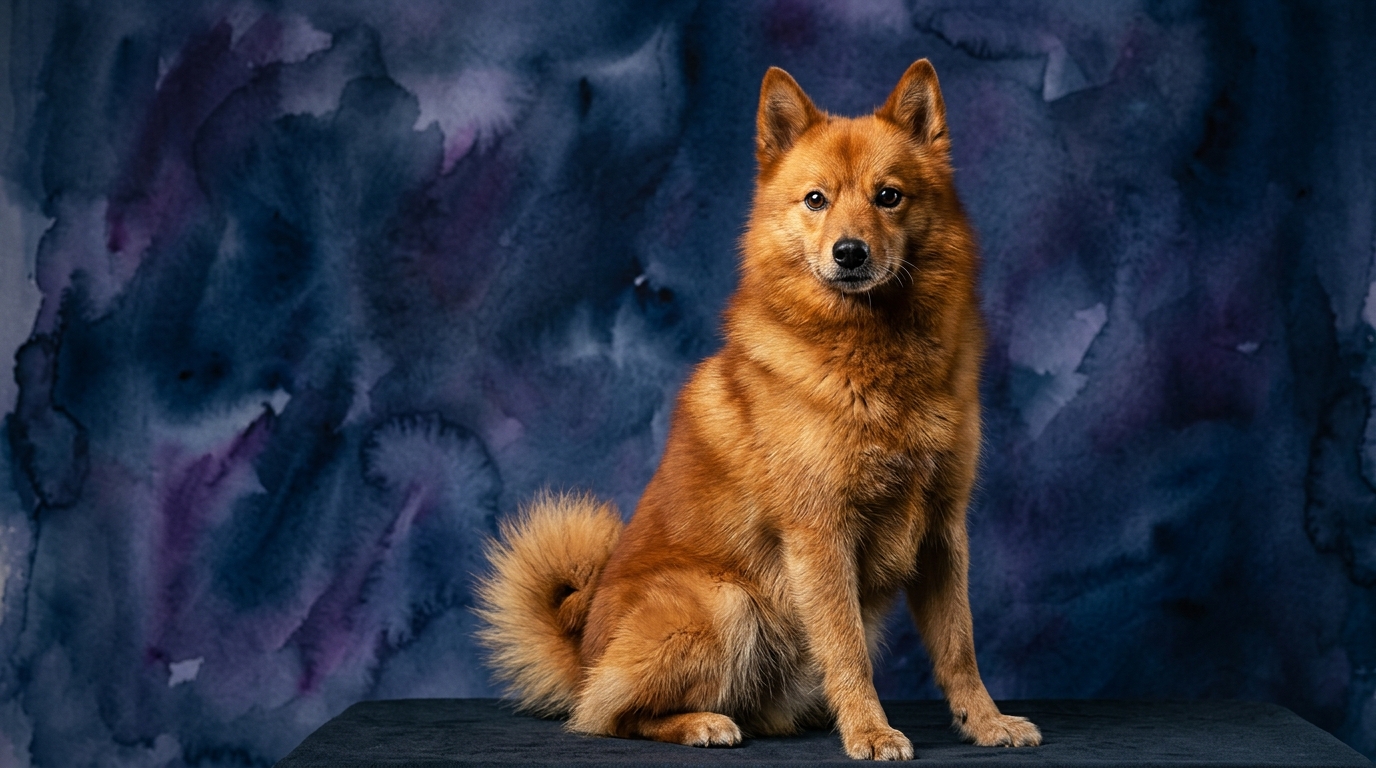
Side-by-Side Cognitive Profile: Toller vs. Spitz
At first glance, the Nova Scotia Duck Tolling Retriever and the Finnish Spitz appear to possess identical cognitive capacities according to The Cosmic Pet Pet IQ Lab, each scoring 3/5 across problem-solving, training speed, social intelligence, instinctive drive, and memory. However, these identical scores don't imply identical minds; rather, they suggest a similar *level* of cognitive ability that manifests in distinct, breed-specific ways.
For the Nova Scotia Duck Tolling Retriever, their Problem Solving (3/5) typically manifests as a resourceful approach to retrieving tasks, such as figuring out the optimal path to a fallen bird or navigating obstacles in water. They demonstrate ingenuity in manipulating objects to achieve a goal, often with a clear understanding of cause and effect in their environment, frequently geared towards completing a task for their human partner.
Their Training Speed (3/5) is evidenced by a readiness to learn new commands and routines, often picking up concepts quickly due to their eagerness to please and strong work ethic. While they grasp instructions with good pace, their independent retrieving drive can sometimes require consistent reinforcement to maintain precision over enthusiasm, especially in distracting environments.
Tollers' Social Intelligence (3/5) indicates an attunement to human emotions and intentions, often forming deep bonds with their primary caregivers. They excel at reading subtle cues from their owners, which aids in their cooperative work. While affectionate with their family, they can be reserved or discerning with strangers, taking time to assess new individuals before offering full trust.
The Toller's Instinctive Drive (3/5) is powerfully rooted in their namesake “tolling” behavior, mimicking a fox to lure waterfowl, highlighting a strong, specialized hunting instinct. This drive is complemented by an intense retrieving desire, a natural affinity for water, and an inherent need to work, fueling their energy and focus in field activities. Their Memory (3/5) enables them to recall complex sequences of commands, the location of hidden objects, and established routines, making them reliable partners in repeated tasks.
The Finnish Spitz also scores 3/5 in Problem Solving, but it's demonstrated through independent hunting strategies, such as locating birds by scent and sound, then alerting their presence through distinctive vocalizations. They are adept at navigating varied terrain and adapting to environmental changes, relying on their own judgment to achieve objectives in a self-sufficient manner.
Their Training Speed (3/5) indicates a good capacity for learning commands, but it's often influenced by their independent and spirited nature. They understand concepts readily but may require more creative and consistent motivation to comply, especially if a task doesn't align with their intrinsic interests or immediate perceived benefit. Finnish Spitz's Social Intelligence (3/5) is expressed as being highly observant of their surroundings and the dynamics within their social groups. They form strong attachments to their families but maintain a certain level of independence, often showing a reserved demeanor towards outsiders. Their social intelligence is geared towards assessing situations and reacting with alertness, often expressed through vocalizations. Their Instinctive Drive (3/5) is rooted in their historical role as a barking bird dog, using unique vocalizations to indicate prey. This instinct is paired with a strong prey drive, a keen sense of territory, and a natural tendency to explore and 'hunt' in their environment. Finally, their Memory (3/5) is strong for places, people, and past experiences, aiding their ability to recall successful hunting locations, remember environmental cues, and retain knowledge of their territory, contributing to their self-sufficient nature.
Where the Nova Scotia Duck Tolling Retriever Excels Cognitively
The Toller’s cognitive strengths shine particularly in cooperative tasks, where their problem-solving (3/5) is seamlessly integrated with their social intelligence (3/5) and memory (3/5). For instance, when tasked with a complex retrieve, a Toller doesn't just find the object; they often process the most efficient route, recall previous successful retrieves in similar conditions, and adapt their approach based on subtle directional cues from their handler. This collaborative ingenuity, where their cognitive faculties are constantly directed towards a shared goal with a human, offers a distinct advantage for owners seeking a responsive working partner. Their training speed (3/5) is consistently leveraged by their inherent desire to engage and perform, making skill acquisition a more fluid, interactive process.
Where the Finnish Spitz Excels Cognitively
The Finnish Spitz demonstrates a unique cognitive advantage in independent decision-making and environmental awareness, where their problem-solving (3/5) and instinctive drive (3/5) are paramount. Their ability to independently locate and “tree” game birds, relying solely on their senses and judgment, showcases a self-reliant form of intelligence. This involves intricate problem-solving to track scents, assess wind conditions, and determine the precise location of prey, then communicate it through their distinct bark without direct human instruction. Their social intelligence (3/5) is often expressed as a heightened alertness to their surroundings, providing an exceptional early warning system for their household. Their memory (3/5) is particularly strong in retaining detailed maps of their territory and understanding the patterns of local wildlife, empowering them as natural, self-sufficient guardians and explorers.
Training Dynamics: Toller's Eagerness vs. Spitz's Independence
When considering ease of training, the Nova Scotia Duck Tolling Retriever generally presents a more straightforward experience for most owners. Their training speed (3/5) is coupled with a strong desire to please and a natural inclination towards partnership, making them eager participants in learning sessions. They thrive on positive reinforcement and consistent methods, quickly forming associations between commands and actions because their instinctive drive (3/5) is geared towards working alongside a human. Behavioral differences like their innate retrieving drive and biddable nature mean they often view training as a fun, collaborative game.
Conversely, while the Finnish Spitz also scores 3/5 in training speed, their inherent independence and strong, self-directed instinctive drive (3/5) mean 'easy' is a relative term. They possess the cognitive capacity to learn, but their motivation often stems from their own perceived benefit rather than an inherent need to comply. This breed requires an owner with immense patience, creativity, and a deep understanding of their natural hunting behaviors. Training a Finnish Spitz often involves finding ways to make exercises engaging and relevant to their instincts, rather than expecting immediate, unwavering obedience. Their intelligence is undeniably present, but it's applied in a more self-serving, less cooperative manner during initial training phases, demanding a different approach to consistency and reward.
Matching Breeds to Owner Lifestyles: Active Engagement Required
Both the Nova Scotia Duck Tolling Retriever and the Finnish Spitz are breeds that require significant engagement, making them less suited for genuinely relaxed, sedentary owners. The Toller thrives with active individuals or families who can provide structured physical activity and consistent mental challenges. Their instinctive drive (3/5) for retrieving and working means they need outlets like dog sports, long hikes, swimming, or simulated hunting games to prevent boredom and maintain well-being. An active owner for a Toller is one who enjoys collaborative outdoor activities and is prepared to incorporate their dog into a busy lifestyle.
The Finnish Spitz also demands an active owner, but their activity needs are slightly different in nature. Their instinctive drive (3/5) for exploring, tracking, and vocalizing requires ample opportunity for free-ranging exploration in secure environments, long walks where they can engage their senses, and mental stimulation that taps into their problem-solving (3/5) skills. They are not content to simply fetch in a yard; they need to investigate, scent, and observe. A relaxed owner would struggle with the Spitz's need for independent exploration and their vocal nature. Both breeds benefit from consistent mental enrichment, but the Toller’s needs lean towards partnership activities, while the Spitz’s lean towards self-directed environmental engagement.
The Verdict
Choose the Nova Scotia Duck Tolling Retriever if you seek an eager, cooperative partner for active pursuits like dog sports, hunting, or long hikes, appreciating a dog that thrives on working alongside you and forming a deep, interactive bond.
Opt for the Finnish Spitz if you admire an independent, vocal, and alert companion, are prepared for consistent training with a self-sufficient mind, and enjoy outdoor adventures where a dog can use its natural instincts for exploration and guarding.
🧠 Find Your Pet's IQ Score
Our Pet IQ Lab assessment covers 25+ tests across 5 cognitive dimensions — personalized to your breed.
Take the Full IQ Test →Frequently Asked Questions
Do both breeds bark a lot?
The Finnish Spitz is particularly known for its vocal nature, often using a distinct 'yodel' to alert or express excitement, a trait deeply tied to its hunting heritage. Tollers can be vocal, especially when excited or alerting, but generally not to the same extent as a Spitz, and their barks are typically more conventional.
Are these breeds good with children?
Nova Scotia Duck Tolling Retrievers are typically patient and playful with children, especially when raised with them and properly socialized, often enjoying interactive games. Finnish Spitz can be good with respectful children, though their independent nature means they might prefer quieter interactions and require supervision to ensure boundaries are understood by both dog and child.
What are the primary exercise needs for each breed?
Tollers require significant daily exercise, including vigorous play, swimming, and mental challenges to satisfy their working drive, thriving on structured activities. Finnish Spitz also need substantial daily activity, preferring varied outdoor exploration where they can engage their senses and fulfill their natural curiosity and prey drive in a more independent fashion.