Side-by-Side Cognitive Profiles: Toller vs. GWP
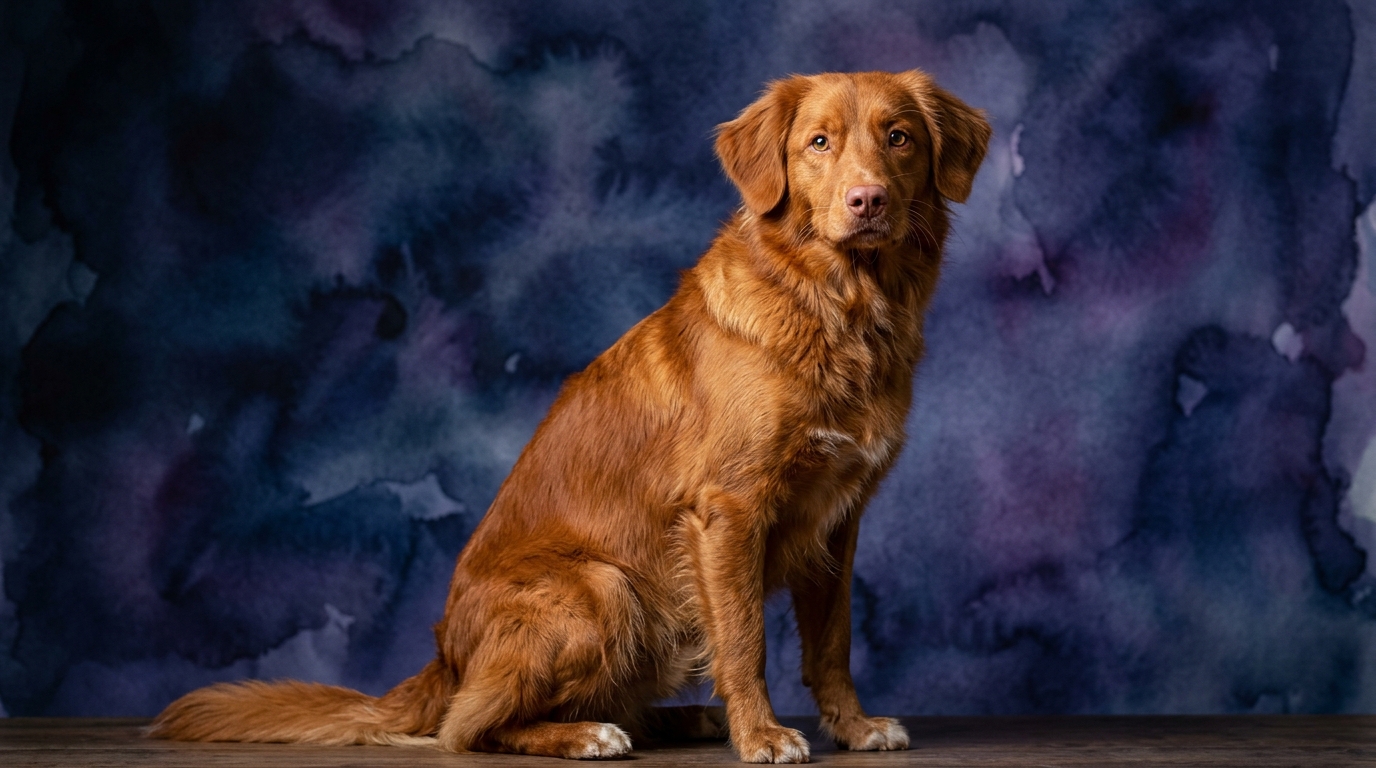
The Cosmic Pet Pet IQ Lab employs a five-dimensional framework to assess canine intelligence, offering a nuanced view beyond simple rankings. For the Nova Scotia Duck Tolling Retriever (Toller), we observe a harmonious balance across the board: Problem Solving 3/5, Training Speed 3/5, Social Intelligence 3/5, Instinctive Drive 3/5, and Memory 3/5. This consistent scoring suggests a dog that is reliably capable and well-rounded in its cognitive functions, rather than specializing in one area.
In practical terms, a Toller’s Problem Solving (3/5) means they approach challenges with a methodical, often learned, sequence, excelling at figuring out how to retrieve a specific item from a complex environment by relying on strong drive and learned patterns. Their Training Speed (3/5) indicates they absorb commands with consistent repetition, showing steady progress and reliable retention when positive reinforcement is applied patiently. Social Intelligence (3/5) highlights their attunement to human companions’ moods and intentions, fostering strong bonds and responsive partnerships. Their Instinctive Drive (3/5) is primarily focused on retrieving and "tolling" – luring waterfowl – manifesting as focused, persistent energy in their work. Finally, Memory (3/5) ensures they retain learned behaviors and routines effectively, especially those linked to their working tasks, remembering specific retrieving patterns or frequently visited training areas.
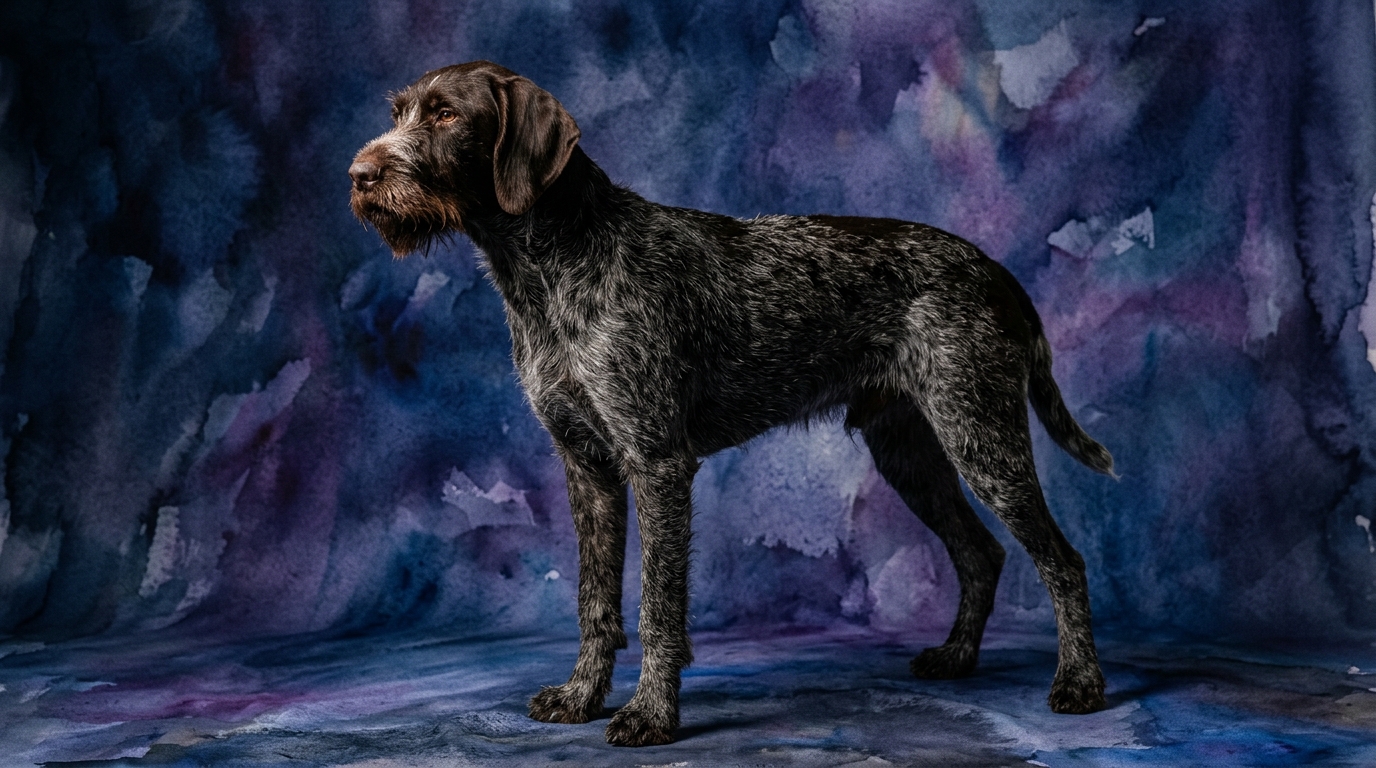
The German Wirehaired Pointer (GWP), on the other hand, presents a profile with several elevated scores: Problem Solving 4/5, Training Speed 4/5, Social Intelligence 3/5, Instinctive Drive 3/5, and Memory 4/5. This breed also holds a respectable Coren rank of #28, indicating a strong capacity for obedience and working intelligence, a recognition the Toller has not yet received in this specific ranking system.
A GWP’s Problem Solving (4/5) demonstrates a higher capacity for independent thought, adapting to unforeseen circumstances in the field, strategizing to locate game, or navigating complex terrain, often making decisions without direct human instruction. Their Training Speed (4/5) reflects an ability to grasp new commands and concepts rapidly, requiring fewer repetitions to solidify new behaviors, making them quick studies for varied tasks. Social Intelligence (3/5) is comparable to the Toller, meaning they understand human cues well, though their strong independent streak might sometimes mean they process information through their own lens before complying. Their Instinctive Drive (3/5) is a robust, multi-faceted hunting drive encompassing pointing, tracking, and retrieving, requiring significant outlets for their powerful, purposeful energy. Memory (4/5) is particularly sharp, allowing them to recall complex scent trails, intricate training sequences, and past experiences with remarkable accuracy, aiding their versatility in various hunting scenarios.
Where the Nova Scotia Duck Tolling Retriever Shines Cognitively
While the Toller’s individual scores might appear lower than the GWP’s in some dimensions, their consistent 3/5 across all categories speaks to a remarkably balanced and harmonized cognitive profile. This balance means a Toller is less likely to exhibit extreme tendencies in any single area, making them predictably steady companions. Their problem-solving, though not as high-scoring, is exceptionally effective within their core retrieving tasks. They demonstrate a persistent, methodical approach to finding and returning items, often exhibiting a quiet determination that makes them incredibly reliable in their specialized role.
The Toller's social intelligence, at a solid 3/5, combines beautifully with their instinctive drive. This blend results in a dog that is highly attuned to its handler's directives during specific tasks, forming a close working partnership that thrives on collaboration. They are less prone to independent decision-making that might stray from the handler's immediate goal, making them excellent for focused, team-oriented work where precision in a defined role is paramount. Their memory, while not photographic, is perfectly suited to retaining the sequences and patterns essential for their work, ensuring consistency in their performance.
Where the German Wirehaired Pointer Excels Cognitively
The German Wirehaired Pointer’s higher scores in Problem Solving (4/5), Training Speed (4/5), and Memory (4/5) clearly position them as a breed with a pronounced capacity for independent thought and rapid learning. This cognitive agility allows them to excel in diverse and unpredictable environments, such as varied hunting terrains, where they must constantly adapt and make on-the-fly decisions without direct human intervention. Their superior problem-solving enables them to navigate complex situations, track elusive game, and strategize effectively.
The GWP's accelerated training speed means they can absorb and execute a wider array of commands and complex sequences with remarkable efficiency, often requiring fewer repetitions than many other breeds. This makes them exceptionally versatile for advanced obedience, field trials, and various canine sports. Their sharp memory further reinforces this, ensuring that once a skill is learned, it is retained with precision over time. This combination of quick learning, adaptable problem-solving, and robust memory makes the GWP an outstanding choice for owners seeking a highly capable and versatile working partner who thrives on mental challenge and independent application of learned skills.
Training Ease: Unpacking Behavioral Differences
When considering ease of training, the German Wirehaired Pointer generally presents a swifter learning curve due to its 4/5 scores in Training Speed and Memory. They tend to grasp new concepts and commands with fewer repetitions, making the initial stages of training feel faster and more rewarding for an experienced handler. Their higher problem-solving capacity also means they can sometimes figure out solutions independently, which, while impressive, can also manifest as clever naughtiness if not channeled into productive tasks. GWPs thrive on variety and complex training regimens that challenge their intellect and utilize their versatile hunting drives, responding well to consistent, engaging instruction.
The Nova Scotia Duck Tolling Retriever, with 3/5 in Training Speed and Memory, requires a more patient and consistent approach. While certainly trainable, they may need more repetitions to solidify new behaviors and longer-term reinforcement to maintain them. Their problem-solving (3/5) is often applied more within their specific retrieving and luring contexts, meaning they might not generalize solutions to entirely novel situations as quickly as a GWP. Tollers respond best to positive reinforcement methods that build on their strong desire to work with their handler, and their instinctive drive for retrieving can be a powerful motivator in training, provided it's properly directed and managed to prevent distraction by natural urges.
Suitability for Active vs. Relaxed Owners
It's crucial to understand that both the Nova Scotia Duck Tolling Retriever and the German Wirehaired Pointer are purpose-bred working dogs from the Sporting Group, meaning neither is suited for a truly 'relaxed' or sedentary lifestyle. Both breeds demand significant physical exercise and mental engagement to thrive. Owners considering either dog must be prepared for an active partnership, dedicating substantial time daily to physical activity and structured mental work.
For an owner seeking a highly active companion, the GWP's robust energy levels, combined with their superior cognitive abilities, make them ideal for advanced training, diverse field sports, and endurance activities. They require owners who can match their enthusiasm for exploration and challenge their sharp minds with complex tasks. A GWP left without sufficient mental and physical outlets is likely to become bored, potentially leading to destructive behaviors or excessive vocalization due to their powerful drives. The Toller, while also requiring high activity, might fit an active owner who prefers more focused, repetitive tasks like extensive retrieving, agility, or dock diving. Their energy is substantial, but their cognitive demands, while significant, might be slightly less geared towards independent, varied problem-solving compared to the GWP. Both breeds are partners for energetic lifestyles, but the nature of that energy and cognitive engagement differs.
The Verdict
Choose the Nova Scotia Duck Tolling Retriever if you appreciate a balanced, persistent partner for retrieving tasks, enjoy consistent, positive reinforcement training, and seek a dog with a harmonious blend of social and instinctive drives. They excel in specific, repetitive tasks where their focused determination shines.
Choose the German Wirehaired Pointer if you desire a highly adaptable, quick-learning companion eager for diverse challenges, complex problem-solving, and rapid skill acquisition. Their versatility and sharp intellect make them ideal for advanced training and varied field work, thriving with an owner who can match their drive for exploration and mental engagement.
🧠 Find Your Pet's IQ Score
Our Pet IQ Lab assessment covers 25+ tests across 5 cognitive dimensions — personalized to your breed.
Take the Full IQ Test →Frequently Asked Questions
Are German Wirehaired Pointers harder to manage than Nova Scotia Duck Tolling Retrievers?
GWPs are not necessarily 'harder' to manage but demand a higher degree of mental stimulation and independent problem-solving outlets. Their strong drive and quick learning mean they can become bored or 'self-employed' if not consistently challenged, requiring an owner who can direct their formidable intellect.
Do Tollers need as much exercise as GWPs?
Both breeds require substantial daily exercise. Tollers have high energy reserves, particularly for retrieving and water work, and need structured physical activity. While GWPs might demand a broader range of activities due to their multi-faceted hunting drives and higher problem-solving capacity, neither is a sedentary companion.
Can a first-time dog owner train a GWP or Toller successfully?
A first-time owner can successfully train either breed, but it requires significant commitment to understanding their specific needs and consistent, positive training. Both breeds benefit immensely from professional guidance and dedicated engagement, as their working intelligence and drives require thoughtful management to flourish.