Side-by-Side IQ Profile: A Deeper Look
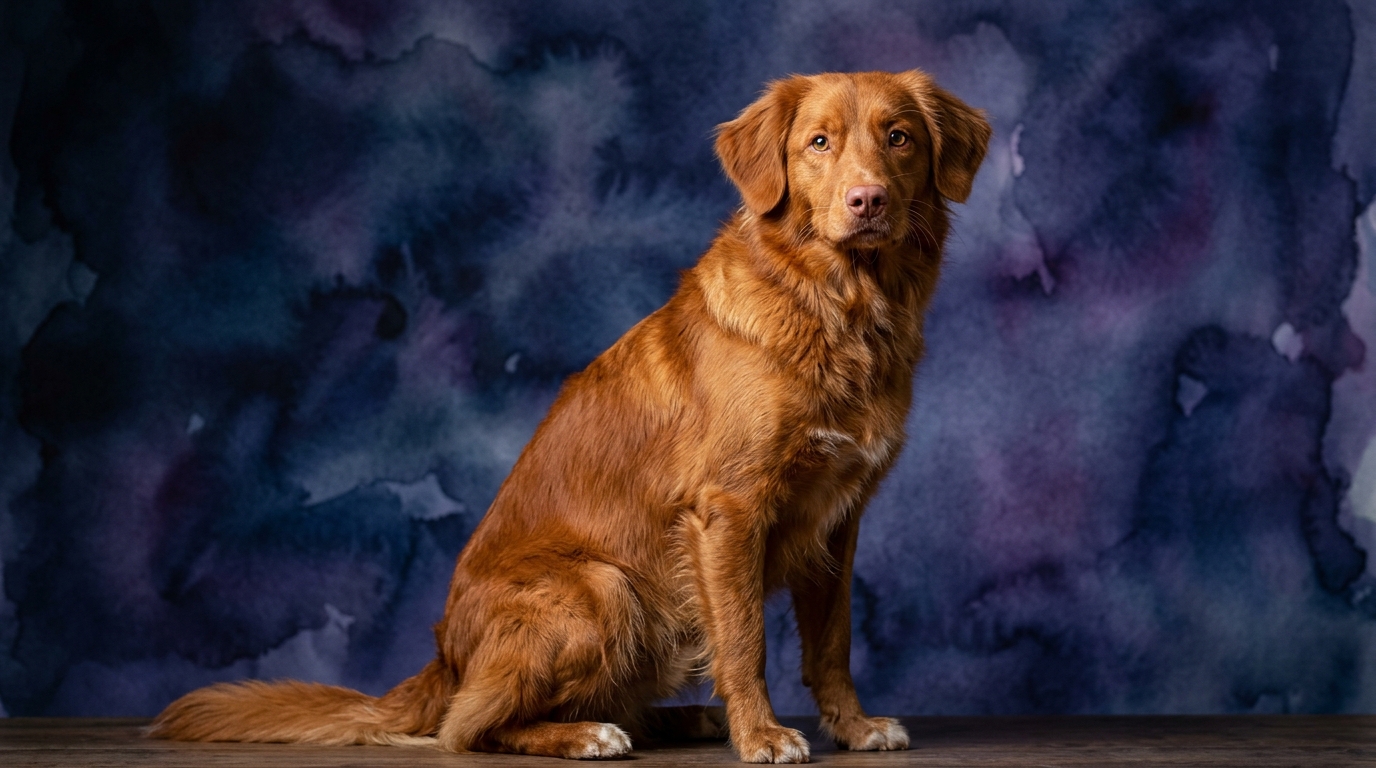
The Nova Scotia Duck Tolling Retriever (Toller) earns a 3/5 across the board in The Cosmic Pet Pet IQ Lab, reflecting a balanced but purpose-driven cognitive makeup. Their Problem Solving (3/5) capacity is often seen in strategizing complex retrieves, navigating varied terrain and water currents to efficiently bring back game; their solutions are typically goal-oriented and cooperative. Training Speed (3/5) indicates a good aptitude for learning new commands and routines, often eager to partner with their handler and respond well to consistent, positive reinforcement driven by their desire to work. Their Social Intelligence (3/5) suggests a solid understanding of human cues and intentions, crucial for a working companion, allowing for seamless communication in field tasks or daily interactions. Instinctive Drive (3/5) manifests primarily as a strong desire for retrieving, swimming, and an inherent 'tolling' behavior – luring waterfowl – with this drive channeled and refined for specific, cooperative hunting purposes. Finally, their Memory (3/5) enables them to recall complex sequences of commands, scent trails, and the locations of fallen game, vital for their retrieving duties and serving their working function over extended periods.
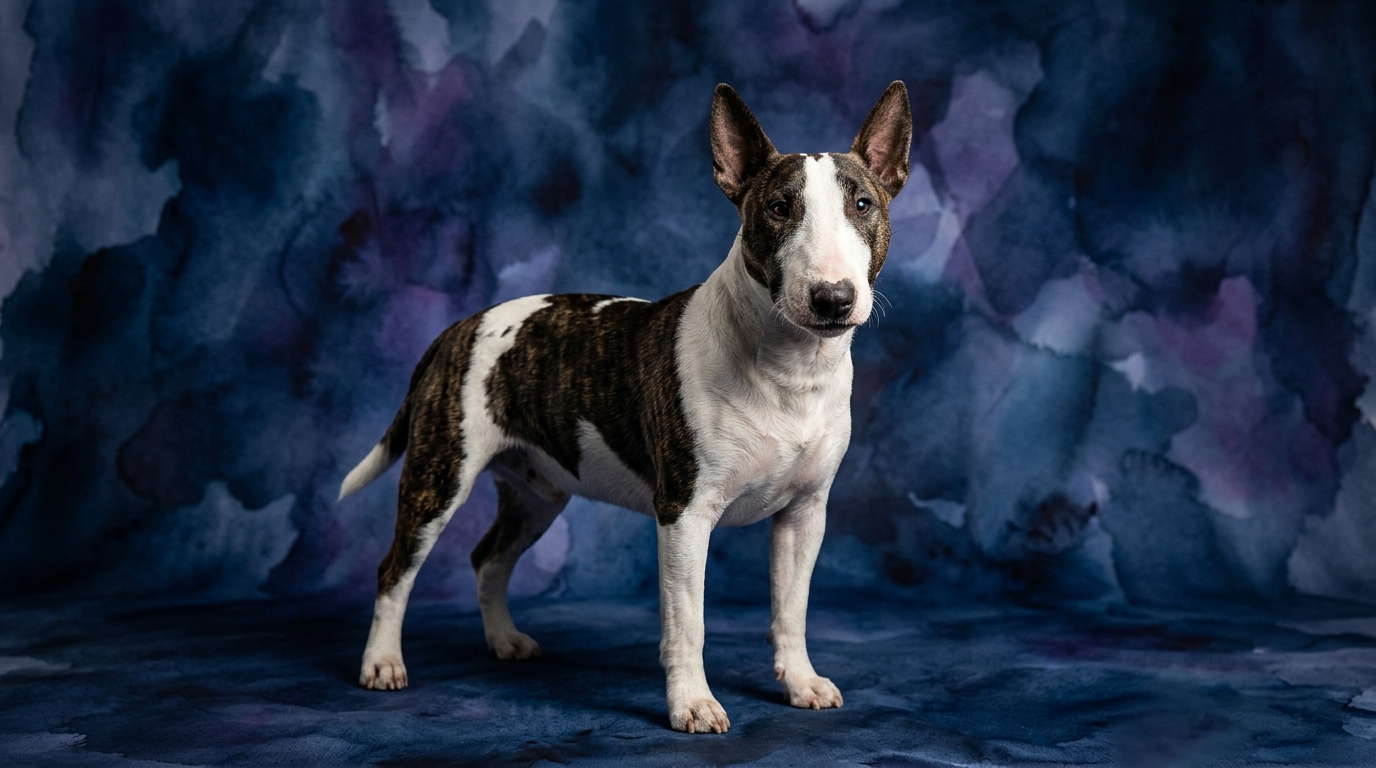
The Miniature Bull Terrier (Minibull) mirrors the Toller with a 3/5 in every cognitive dimension, yet these scores translate into a distinct terrier intelligence. Their Problem Solving (3/5) often involves tenacious pursuit, figuring out how to bypass obstacles to reach a desired object or location, or creatively engaging with their environment; their solutions are often driven by independent will and persistence. Training Speed (3/5) shows they are capable learners, but their independent terrier spirit means they might require more engaging and varied training methods to maintain focus, learning effectively when motivated by something they genuinely value, rather than simply pleasing. Social Intelligence (3/5) implies they are adept at understanding social dynamics and human moods, often using this awareness to their advantage in seeking attention or asserting their preferences; their social interactions can be direct and sometimes playfully mischievous. Instinctive Drive (3/5) expresses itself as a robust prey drive, a penchant for digging, and an independent spirit characteristic of earth dogs, often self-directed, focused on exploration, scent work, and vigorous play. Their Memory (3/5) enables them to remember specific locations of interesting smells, where they might have 'hidden' toys, or past interactions that yielded a desired outcome, robustly contributing to their consistent personality and sometimes stubborn recall of preferences.
Where the Nova Scotia Duck Tolling Retriever Wins Cognitively
Despite identical numerical scores, the Toller's cognitive strengths lean towards cooperative problem-solving and structured learning within a partnership. Their Problem Solving (3/5) is geared towards efficient task completion, making them excel in situations where a dog needs to understand and execute multi-step commands, like navigating an agility course or performing complex retrieves. Their Social Intelligence (3/5) manifests as a deep attunement to handler intentions, allowing for nuanced communication during training or fieldwork, where anticipating a human's next move is key. This focus on partnership means they often 'win' in scenarios requiring precise execution and a shared understanding of goals, thriving when working collaboratively towards a defined objective.
Where the Miniature Bull Terrier Wins Cognitively
The Miniature Bull Terrier, while also scoring 3/5 across the board, showcases cognitive advantages in independent thought and persistent exploration. Their Problem Solving (3/5) is often about self-directed ingenuity, such as finding a way to access a favorite toy or overcoming a perceived barrier without direct human instruction. Their Instinctive Drive (3/5), though numerically equal, is channeled into tenacious exploration and a robust will, meaning they can excel in environments requiring resilience and a 'figure it out yourself' attitude. This breed's cognitive strengths shine when an owner values a dog that approaches challenges with an unyielding, often creative, solo effort, demonstrating a unique brand of self-reliance.
Training Dynamics: Toller Cooperation vs. Minibull Independence
When it comes to ease of training, the Nova Scotia Duck Tolling Retriever generally presents a more straightforward experience for most owners. Their Training Speed (3/5) is coupled with a strong desire to work with their handler, a characteristic rooted in their retrieving heritage. They are typically eager to please and find satisfaction in successful cooperation, making them responsive to traditional reward-based training methods. Their Social Intelligence (3/5) means they are generally receptive to cues and find joy in the shared process of learning, often making training sessions feel like a collaborative effort.
The Miniature Bull Terrier, while also scoring 3/5 in Training Speed, approaches learning with a distinct terrier mindset. Their independent nature and strong will mean that while they are certainly capable of learning, they require more patience, creativity, and a consistent understanding of what motivates them. They might question the necessity of a command or offer an alternative 'solution' based on their own interests, making repetition less effective without engaging variation. Training a Minibull often feels like a negotiation, demanding an owner who can make learning fun, varied, and compelling enough to capture their attention and leverage their tenacity, rather than relying solely on a desire to please.
Matching Breeds to Lifestyles: Active Engagement Defined
Both breeds demand active engagement, but the nature of that activity differs, influencing their suitability for various lifestyles. The Nova Scotia Duck Tolling Retriever thrives with owners who enjoy structured outdoor activities, such as long hikes, retrieving games, or dog sports like agility and dock diving. Their Instinctive Drive (3/5) for retrieving and water work means they require consistent physical and mental outlets that often involve partnership and directed tasks. They are ideal for active individuals or families who want a canine companion deeply integrated into their adventurous lifestyle, providing purpose-driven exercise and shared experiences.
The Miniature Bull Terrier also needs significant activity, but their energy often manifests in bursts of intense play, chasing, and exploring. Their Instinctive Drive (3/5) for digging and independent pursuit means they need secure spaces and outlets for these behaviors, perhaps in a well-fenced yard or through engaging puzzle toys. While they enjoy vigorous walks and playtime, their independent streak means they might be content with shorter, more intense bursts of activity followed by periods of relaxation, often curled up close to their chosen human. They suit active owners who appreciate a dog with a robust personality, who can provide varied physical engagement but also understand and respect a dog's need for independent downtime and unique forms of mental stimulation. A truly relaxed owner might struggle with either breed's energy levels, but the Minibull's independent drive and occasional stubbornness could be particularly challenging if not properly managed.
The Verdict
Choose the Nova Scotia Duck Tolling Retriever if you seek a cooperative, eager-to-please partner for structured outdoor activities and dog sports, valuing a dog that thrives on shared purpose and clear communication. Their blend of intelligence and working drive makes them an excellent fit for active individuals or families committed to consistent training and engagement.
Opt for the Miniature Bull Terrier if you appreciate a tenacious, independent thinker with a robust personality and a playful, sometimes mischievous, spirit. This breed suits active owners who enjoy creative problem-solving in training and can provide varied mental and physical stimulation to channel their unique terrier drives.
🧠 Find Your Pet's IQ Score
Our Pet IQ Lab assessment covers 25+ tests across 5 cognitive dimensions — personalized to your breed.
Take the Full IQ Test →Frequently Asked Questions
Do identical IQ scores mean these breeds are equally easy to train?
Not necessarily. While both score 3/5 in Training Speed, their underlying motivations differ. Tollers typically learn readily due to their cooperative nature, whereas Minibulls require more engaging, varied approaches to capture their independent terrier attention.
How does the 'Instinctive Drive 3/5' differ between these two breeds?
For the Toller, this drive is geared towards cooperative retrieving and water work, often expressed through focused tasks with a handler. For the Minibull, it manifests as independent prey drive, digging, and tenacious exploration, requiring outlets that respect their self-directed nature.
Can a Miniature Bull Terrier live successfully with a relaxed owner?
Both breeds require active engagement, but a Minibull's intense energy bursts and independent drive can be challenging for a truly relaxed owner. They thrive with owners who can provide consistent mental and physical stimulation, even if it's less structured than a Toller's needs.