Side-by-Side Cognitive Profile
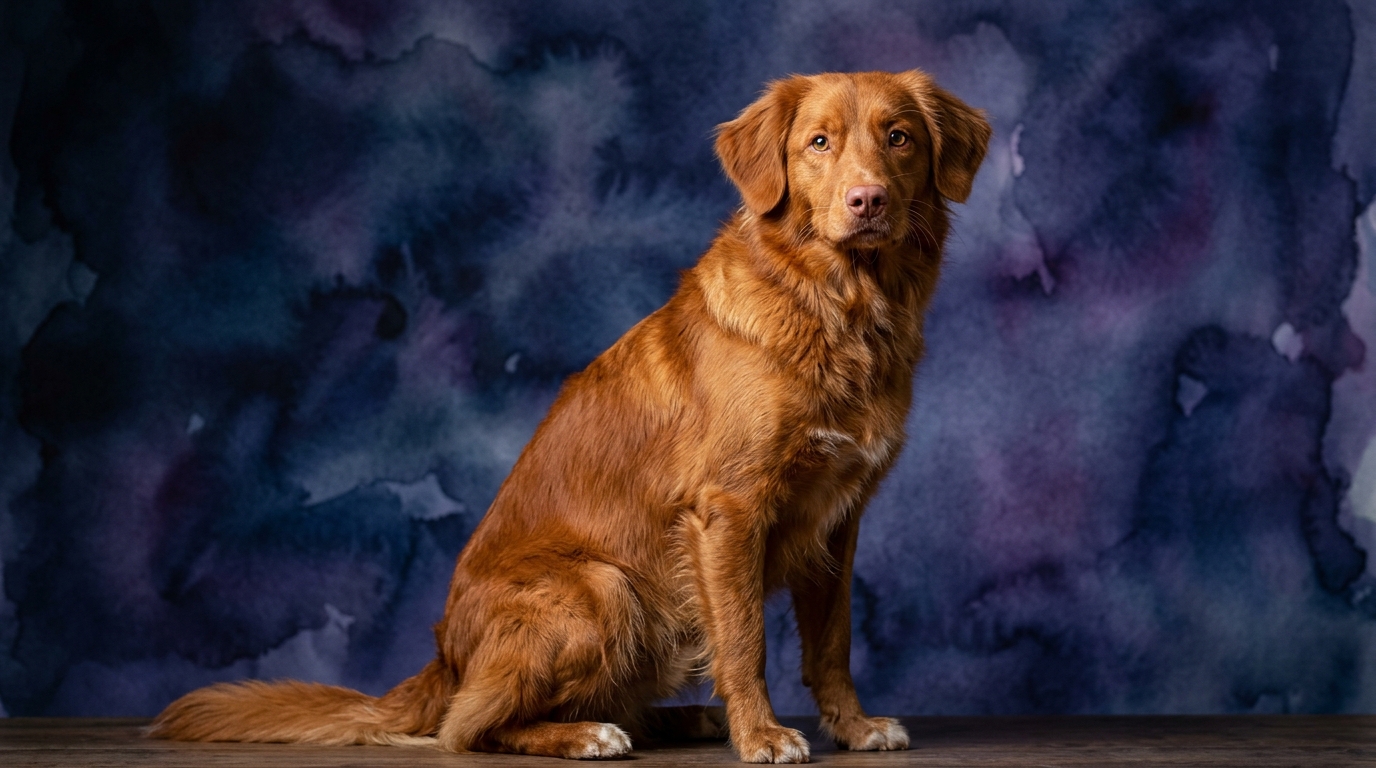
Both the Nova Scotia Duck Tolling Retriever and the Parson Russell Terrier register a 3/5 across all five cognitive dimensions within The Cosmic Pet Pet IQ Lab framework: Problem Solving, Training Speed, Social Intelligence, Instinctive Drive, and Memory. While the numerical scores align, the expression of these traits is deeply rooted in their breed-specific purposes. For the Toller, a sporting dog, a 3/5 in Problem Solving often translates to adept navigation of complex retrieving scenarios, strategizing how to reach a downed bird or manipulate objects to access a reward. Their 3/5 Training Speed reflects a capacity for learning multi-step commands crucial for field work, often with a cooperative spirit, while their Social Intelligence at 3/5 is typically geared towards strong handler focus and reading human cues in a collaborative hunting environment. The Toller's Instinctive Drive, also 3/5, is powerfully expressed through their inherent desire to retrieve, their water affinity, and the unique luring behavior that gives them their name. Finally, their 3/5 Memory supports recalling the precise location of fallen game or complex sequential tasks.
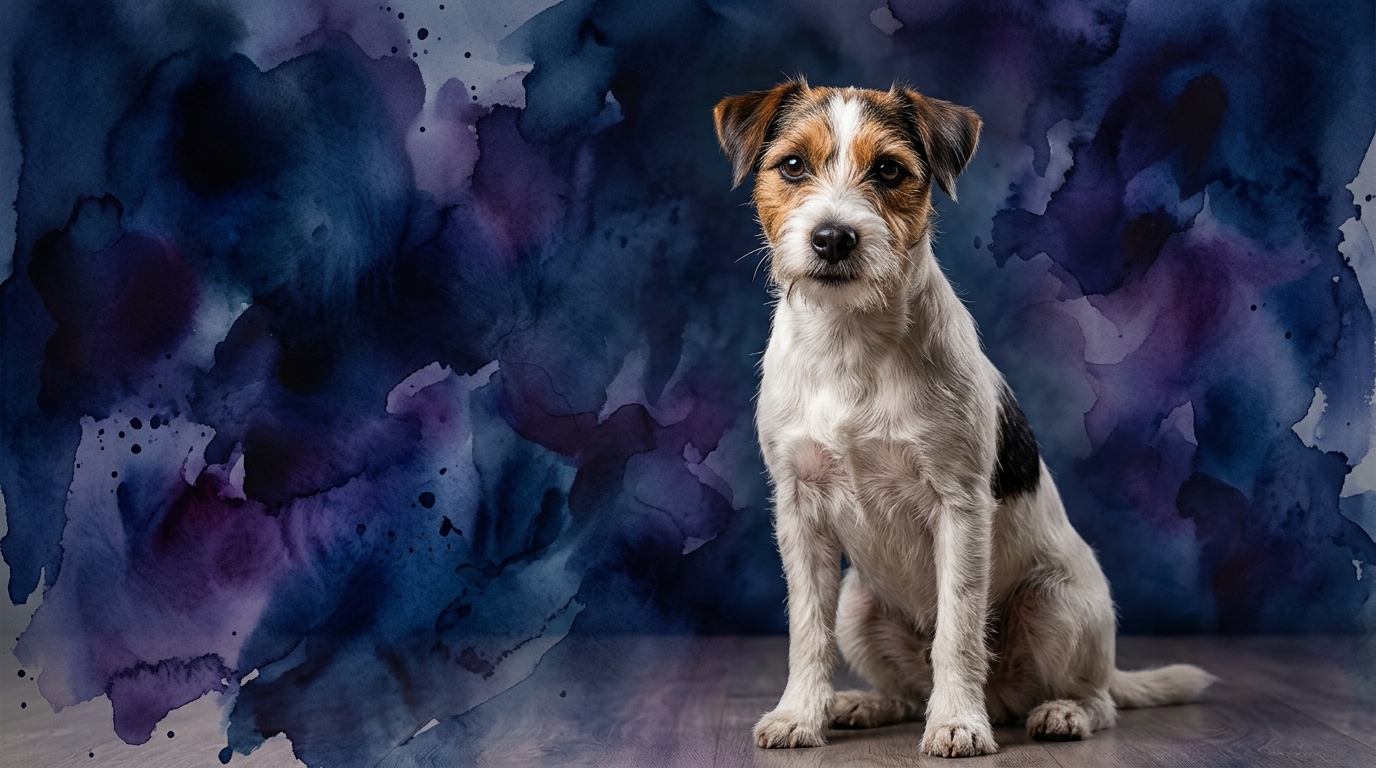
The Parson Russell Terrier, a tenacious terrier, also scores 3/5 in Problem Solving, but this often manifests as cunning and persistence in pursuit, figuring out how to bypass obstacles or outmaneuver quarry. Their 3/5 Training Speed indicates a quick grasp of concepts, though it's often paired with an independent streak that can influence the *application* of learned behaviors, especially if a more compelling instinct arises. A 3/5 in Social Intelligence for the Parson Russell frequently involves a keen awareness of their environment and the intentions of other animals, crucial for their historical role in solo or small-pack hunting, rather than solely handler-centric cooperation. Their Instinctive Drive at 3/5 is unequivocally geared towards hunting, digging, and a relentless pursuit of prey, showcasing a profound tenacity. The Parson's 3/5 Memory is vital for remembering scent trails, the layout of underground dens, or the location of hidden objects, all essential for their working heritage.
Where the Nova Scotia Duck Tolling Retriever Excels Cognitively
The Nova Scotia Duck Tolling Retriever's cognitive strengths particularly shine in tasks requiring sustained focus on a primary objective within a dynamic environment, often in concert with a human partner. Their 3/5 Problem Solving manifests with particular effectiveness in situations demanding strategic navigation and object manipulation for retrieval. For example, a Toller might methodically work through a series of obstacles to retrieve a dummy, demonstrating an understanding of cause and effect in their environment. Their strong water drive, coupled with their memory, allows them to recall the exact 'fall' of a bird across distances and through varied terrain, a specific application of their 3/5 memory score that is paramount to their function.
Furthermore, the Toller's 3/5 Social Intelligence is distinctly tuned for cooperative ventures. They are often adept at anticipating their handler's next move during training or field work, responding to subtle body language or vocal inflections. This high degree of attunement, stemming from generations of working closely with human hunters to lure and retrieve, gives them an edge in activities requiring synchronized effort, such as competitive obedience or advanced retrieving tasks. Their innate 'tolling' behavior, a complex sequence of playing and disappearing to attract waterfowl, is a sophisticated display of their instinctive drive and environmental problem-solving, showcasing an intelligent manipulation of their surroundings for a specific outcome.
Where the Parson Russell Terrier Excels Cognitively
The Parson Russell Terrier's cognitive prowess is best observed in scenarios demanding independent thought, unwavering determination, and a keen focus on scent and prey. Their 3/5 Problem Solving frequently translates into tenacious persistence when faced with a challenge, particularly those related to pursuit or exploration. A Parson might ingeniously figure out how to squeeze through a small opening or dig around an obstacle to reach a perceived target, demonstrating a creative and often single-minded approach to overcoming impediments. This problem-solving isn't about cooperation as much as it is about achieving their own objective.
The Parson's 3/5 Instinctive Drive is a powerful cognitive engine, fueling their remarkable stamina and resolve. This drive, combined with their 3/5 Memory, allows them to follow complex scent trails with precision and recall the intricate layouts of underground networks, a vital skill for their original purpose. Their Social Intelligence, while also 3/5, often manifests as a sharp awareness of their surroundings and the intentions of other animals, rather than an exclusive focus on human partners. This allows them to make quick, independent judgments in dynamic situations, whether assessing a potential prey animal or navigating interactions with other dogs. Their speed in learning, also 3/5, is undeniable, but it's often applied to tasks that align with their strong prey drive, making them quick studies in scent work, agility, or tasks requiring bursts of focused energy.
Training Dynamics: Toller's Biddability vs. Parson's Independence
Despite both breeds scoring 3/5 in Training Speed, their approaches to learning and their overall trainability differ significantly due to underlying behavioral traits. The Nova Scotia Duck Tolling Retriever, with its sporting dog background, generally exhibits a higher degree of biddability and a strong desire to please its handler. Their 3/5 Social Intelligence, being oriented towards human partnership, means they are often highly motivated by praise and positive reinforcement from their owner. This makes them receptive to consistent training methods and eager to engage in activities that foster collaboration, such as retrieving games, obedience, or agility. While they learn quickly, their willingness to apply that learning consistently, even in distracting environments, is often higher due to their cooperative nature.
In contrast, the Parson Russell Terrier's 3/5 Training Speed is often coupled with a robust independent streak, a hallmark of their terrier heritage. While they grasp new commands swiftly, their application of these commands can be more selective, especially if their powerful 3/5 Instinctive Drive (particularly prey drive) is triggered. Training a Parson requires creativity, consistency, and a deep understanding of their terrier mindset to make tasks more rewarding than their inherent urges. Their 3/5 Social Intelligence, while present, is less about pleasing the handler and more about navigating their world on their own terms, meaning they might weigh the 'fun' of a chase against the 'reward' of a command. This doesn't make them less capable learners, but it demands a different training approach, often one focused on channeling their energy and instincts rather than solely directing them.
Lifestyle Match: Active Engagement vs. Relentless Pursuit
Understanding the nuances of their cognitive profiles helps determine which breed aligns better with different owner lifestyles. The Nova Scotia Duck Tolling Retriever, while undoubtedly an active breed, thrives with owners who can provide consistent, interactive engagement that taps into their cooperative intelligence and retrieving drive. They are excellent companions for active individuals or families who enjoy activities like hiking, swimming, dock diving, or participating in dog sports such as obedience and agility. Their need for mental stimulation often involves problem-solving games that reinforce their bond with their human, making them suitable for owners who enjoy being an integral part of their dog's daily mental and physical exercise regimen. A Toller will appreciate a structured routine with clear expectations and plenty of opportunities for shared activity.
The Parson Russell Terrier, on the other hand, requires an owner who understands and can manage a relentless, independent energy coupled with a powerful prey drive. Their cognitive strengths are geared towards sustained pursuit and exploration, meaning they need more than just physical exercise; they need outlets for their instinctive drives. Owners who enjoy earthdog trials, barn hunt, or long, varied walks where the dog can engage its senses and problem-solve independently will find a great match. While they can adapt to a relaxed home life to some extent, a Parson will inevitably seek opportunities to express its innate desires, which can manifest as digging, chasing, or exploring every nook and cranny. They are best suited for owners who are prepared for a dog with a strong will and a need for consistent, creative mental and physical challenges that acknowledge their terrier nature.
The Verdict
Choose the Nova Scotia Duck Tolling Retriever if you seek a highly cooperative, engaged partner for interactive activities and shared ventures, valuing a dog that readily works alongside you.
Opt for the Parson Russell Terrier if you appreciate a tenacious, independent spirit and are prepared to channel a powerful, instinct-driven dog into productive and challenging outlets.
🧠 Find Your Pet's IQ Score
Our Pet IQ Lab assessment covers 25+ tests across 5 cognitive dimensions — personalized to your breed.
Take the Full IQ Test →Frequently Asked Questions
Do Toller and Parson Russell Terrier puppies learn at the same rate?
Both breeds score 3/5 in Training Speed, indicating they grasp new concepts at a similar pace. However, Toller puppies often show a stronger inclination towards handler cooperation, while Parson Russell Terrier puppies might display more independent thought, influencing how quickly they *apply* what they've learned in varied situations.
Which breed is better at solving puzzles or problem-solving toys?
Both score 3/5 in Problem Solving, but their approaches differ. Tollers might excel at puzzles requiring sequential steps or object manipulation for a reward, often involving their retrieving drive. Parson Russells might demonstrate more persistent, trial-and-error problem-solving, especially if the puzzle taps into their prey drive or desire to 'get at' something.
How does their social intelligence impact their family life?
Both have 3/5 social intelligence, but it plays out differently. Tollers tend to be very attuned to their family members, seeking interaction and engagement, often making them highly integrated family dogs. Parson Russells are social but often with a more independent streak; they enjoy family presence but might be more focused on their own activities or exploring their environment, though they form strong bonds.