Side-by-Side IQ Profile: Unpacking Identical Scores
Despite their identical scores across the five cognitive dimensions, the Nova Scotia Duck Tolling Retriever and the Sealyham Terrier apply these capacities in markedly different ways, shaped by their distinct historical roles. These scores of 3/5 indicate a solid, functional intelligence in both breeds, but the *flavor* of that intelligence varies significantly.
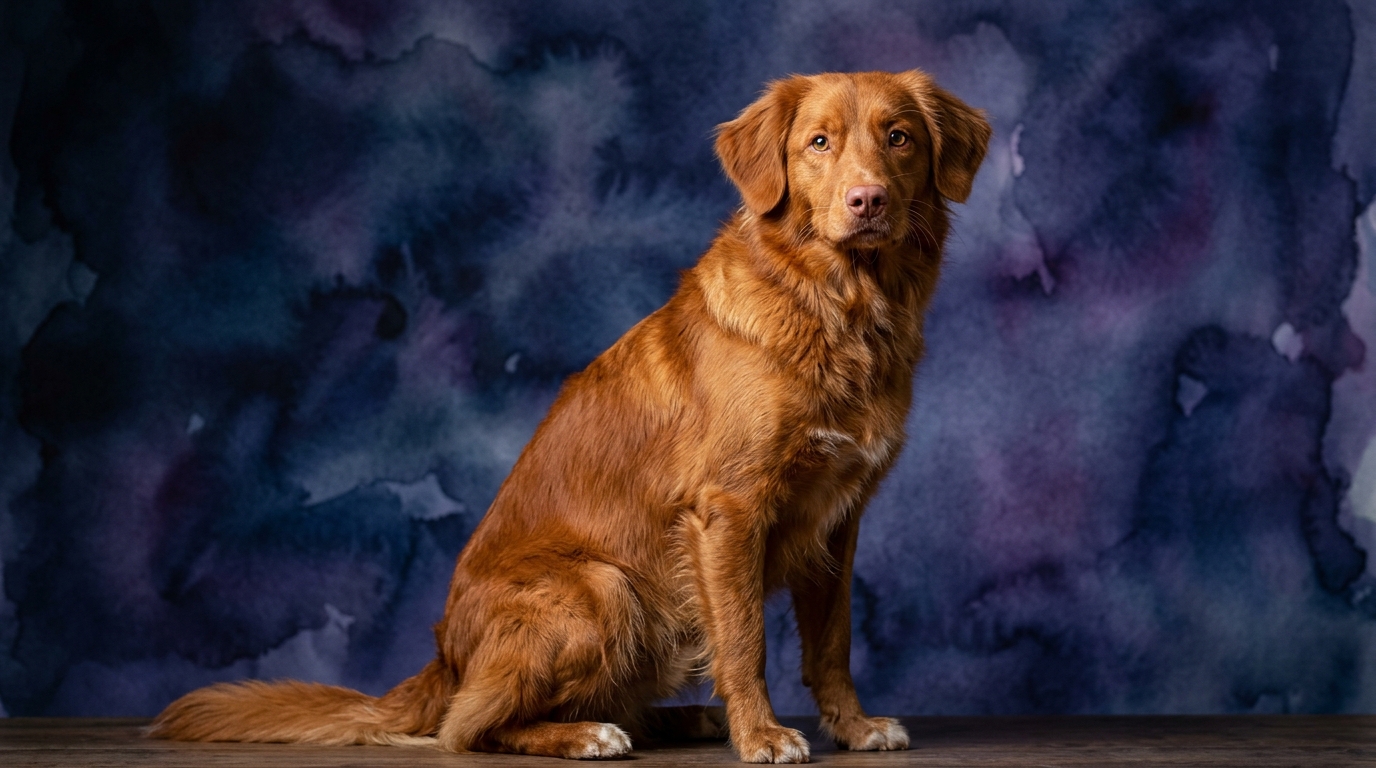
For the Nova Scotia Duck Tolling Retriever, their 3/5 in Problem Solving is typically applied to practical, handler-directed tasks like complex retrieves or navigating varied terrain efficiently. Their Training Speed (3/5) reflects an eagerness to learn and cooperate, making them responsive to structured instruction. Social Intelligence (3/5) manifests as a keen awareness of handler cues and a collaborative spirit, while their Instinctive Drive (3/5) is channeled into luring and retrieving, providing a strong motivation for task completion. Their Memory (3/5) ensures consistent recall of commands and learned patterns, crucial for their working partnership.
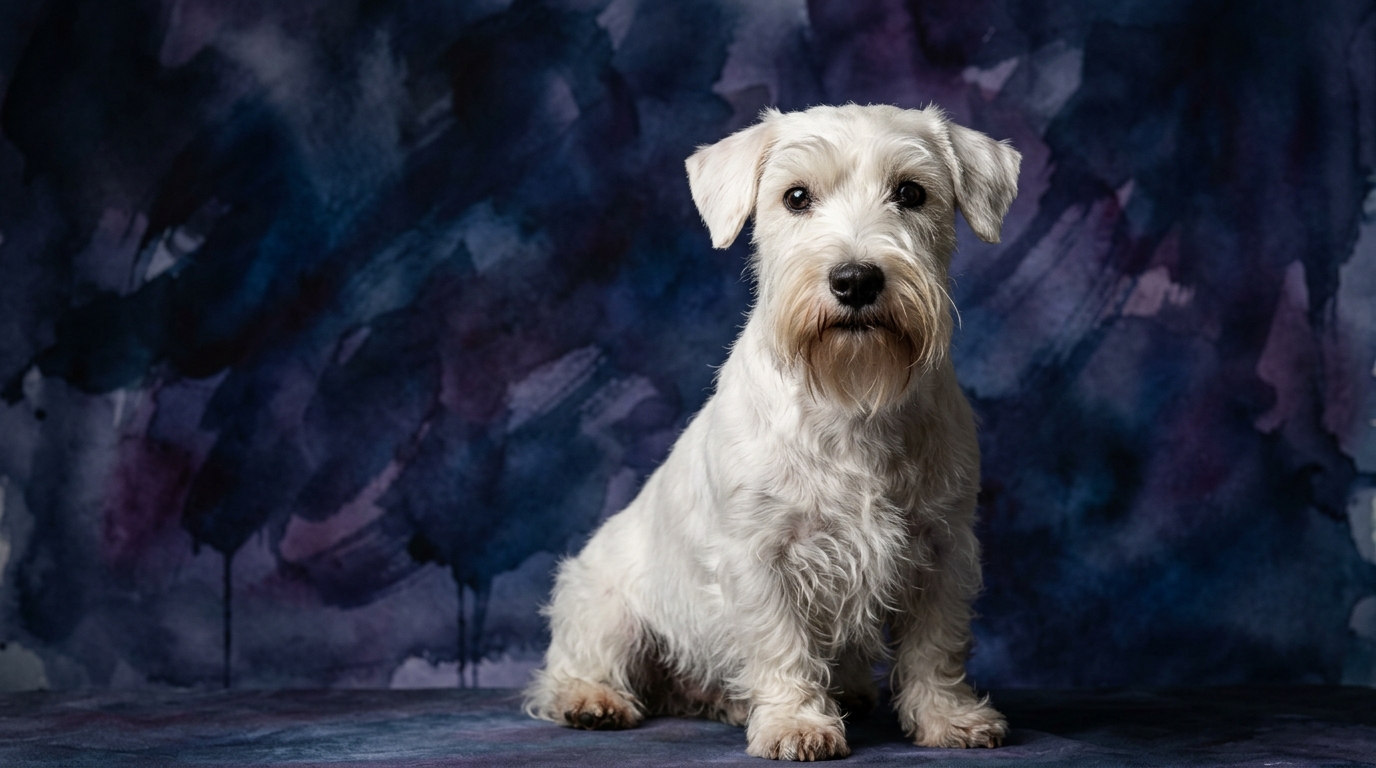
The Sealyham Terrier's 3/5 Problem Solving, in contrast, often involves tenacious, independent strategizing to overcome obstacles or locate hidden targets, reflecting their vermin-hunting heritage. Their Training Speed (3/5) suggests they learn, but often with a strong independent streak requiring patient, engaging methods. Social Intelligence (3/5) is discerning, focusing on family bonds and assessing novel situations independently, rather than overt collaboration. Their Instinctive Drive (3/5) is a powerful force for pursuit and digging, sometimes overriding commands, while their Memory (3/5) is strong for locations, successful strategies, and targets of interest, fueling their persistent nature.
Where the Nova Scotia Duck Tolling Retriever Excels Cognitively
The Toller's cognitive strengths shine brightest in collaborative scenarios where human direction is paramount. Their inherent biddability and focus on their handler make them exceptional at understanding and executing complex, multi-step commands, especially those involving sequential tasks like retrieving multiple items or navigating a specific course. Their social intelligence is finely tuned for partnership, allowing them to anticipate cues and adjust their behavior based on subtle handler signals. This makes them adept at precision work, dog sports like obedience or agility, where consistent execution and responsiveness are key. Furthermore, their memory is highly effective for retaining intricate patterns and routines, allowing them to repeat learned behaviors with remarkable consistency.
Where the Sealyham Terrier Excels Cognitively
Conversely, the Sealyham Terrier's cognitive advantages manifest in independent problem-solving and tenacious pursuit. Their intelligence excels when faced with a challenge requiring self-reliance, such as figuring out how to access a hidden toy or navigating a complex environment to achieve a self-motivated goal. Their instinctive drive and problem-solving skills are particularly suited for tasks demanding persistence, resilience, and a certain degree of cunning, often without direct human intervention at every step. This makes them remarkably effective at tasks requiring independent thought, like scent work or navigating obstacles in pursuit of a 'prey' item. Their memory is strong for locations and successful past strategies, allowing them to return to areas of interest or apply learned solutions to new, similar challenges.
Training Dynamics: Biddability vs. Independence
When considering ease of training, the Nova Scotia Duck Tolling Retriever generally presents a more straightforward experience for the average owner. Their cooperative nature, coupled with a strong desire to work alongside their human companions, means they are typically more receptive to commands and eager to please. Their cognitive processes are geared towards understanding and complying with human instructions, making positive reinforcement highly effective in shaping their behaviors. They tend to learn new cues quickly and integrate them into their routine, viewing training as a fulfilling partnership.
In contrast, the Sealyham Terrier, while certainly capable of learning, often requires a more nuanced and patient approach to training. Their independent spirit and strong instinctive drives mean they may question the necessity of a command or prioritize their own agenda, particularly if it involves a compelling scent or a perceived 'hunt.' Training a Sealyham demands consistency, creativity, and a deep understanding of terrier psychology to channel their cognitive energy effectively, rather than expecting immediate, eager compliance. Their problem-solving skills are more likely to be applied to finding ways around rules if not adequately motivated.
Matching Canine Cognition to Lifestyle
For owners who lead an active lifestyle and wish to involve their dog in structured activities, the Nova Scotia Duck Tolling Retriever is an excellent match. Their cognitive and physical needs align perfectly with regular exercise, dog sports, and engaging mental challenges that tap into their retrieving and luring instincts. They thrive when given a 'job' to do, whether it's fetching, agility, or competitive obedience, making them ideal for individuals or families committed to consistent outdoor adventures and training sessions. A Toller needs significant mental and physical engagement to prevent boredom and channel their considerable energy constructively.
The Sealyham Terrier, while possessing a robust constitution, might be better suited for owners who appreciate a spirited companion but don't necessarily require a running partner for miles each day. They need consistent mental stimulation and opportunities to express their terrier instincts, such as supervised digging, puzzle toys, or scent games, but their exercise requirements can often be met with vigorous play sessions and brisk walks. They are often more content to relax indoors after their needs are met, provided their independent minds have been adequately engaged, making them suitable for owners who value a balanced mix of activity and quiet companionship.
The Verdict
Choose the Nova Scotia Duck Tolling Retriever if you seek a highly cooperative, eager-to-please companion for structured activities and a strong partner in dog sports or outdoor adventures, thriving on joint problem-solving.
Opt for the Sealyham Terrier if you appreciate a tenacious, independent spirit, enjoy engaging a dog's natural problem-solving instincts, and are prepared for consistent, patient training to channel their unique drive.
🧠 Find Your Pet's IQ Score
Our Pet IQ Lab assessment covers 25+ tests across 5 cognitive dimensions — personalized to your breed.
Take the Full IQ Test →Frequently Asked Questions
Do Nova Scotia Duck Tolling Retrievers bark a lot?
Tollers can be vocal, often using barks or their distinctive 'Toller scream' to express excitement, alert their owners, or when engaging in play. Early training can help manage excessive vocalization, but it's part of their lively nature.
Are Sealyham Terriers good with children?
Sealyhams can be good family dogs, forming strong bonds with children who understand how to interact respectfully with a spirited terrier. Supervision is always recommended, as their independent nature means they might not tolerate rough handling as readily as some more placid breeds.
What kind of grooming do these breeds require?
The Nova Scotia Duck Tolling Retriever has a medium-length double coat that requires regular brushing (2-3 times a week) to prevent mats and minimize shedding, with occasional trimming. The Sealyham Terrier has a harsh, wiry coat that benefits from weekly brushing and professional hand-stripping or trimming every few months to maintain its texture and appearance.