Side-by-Side IQ Profile
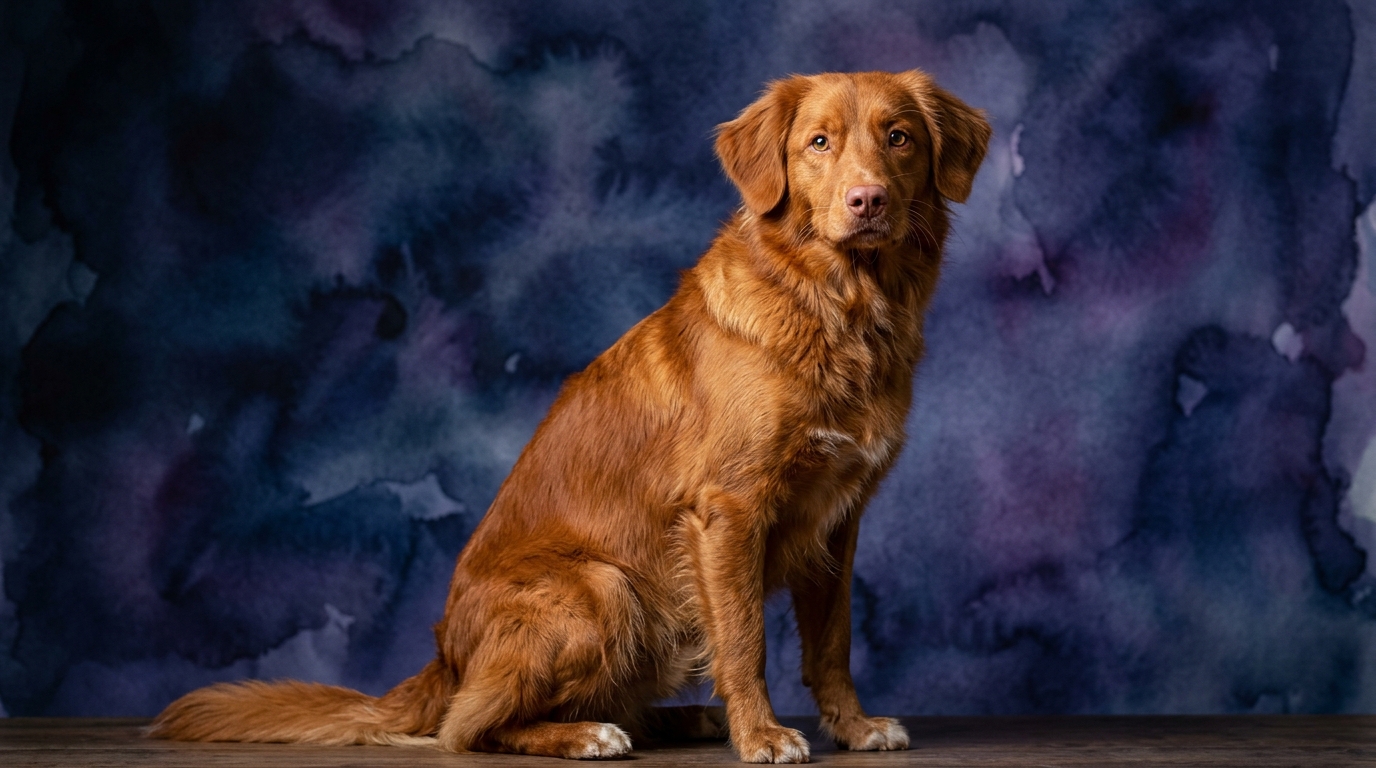
**Nova Scotia Duck Tolling Retriever (Toller):** This breed presents a balanced cognitive profile, scoring 3/5 across all five dimensions. Their **Problem Solving (3/5)** indicates a steady ability to navigate new challenges, rather than a tendency to invent novel solutions on the fly. **Training Speed (3/5)** suggests they absorb new commands at a consistent, manageable pace, responding well to patient, clear instruction. In terms of **Social Intelligence (3/5)**, Tollers are generally attuned to human cues, forming strong bonds and understanding social dynamics effectively. Their **Instinctive Drive (3/5)** is present and purposeful, geared towards their retrieving heritage without being overwhelming. Finally, **Memory (3/5)** allows them to retain learned behaviors and experiences reliably over time.
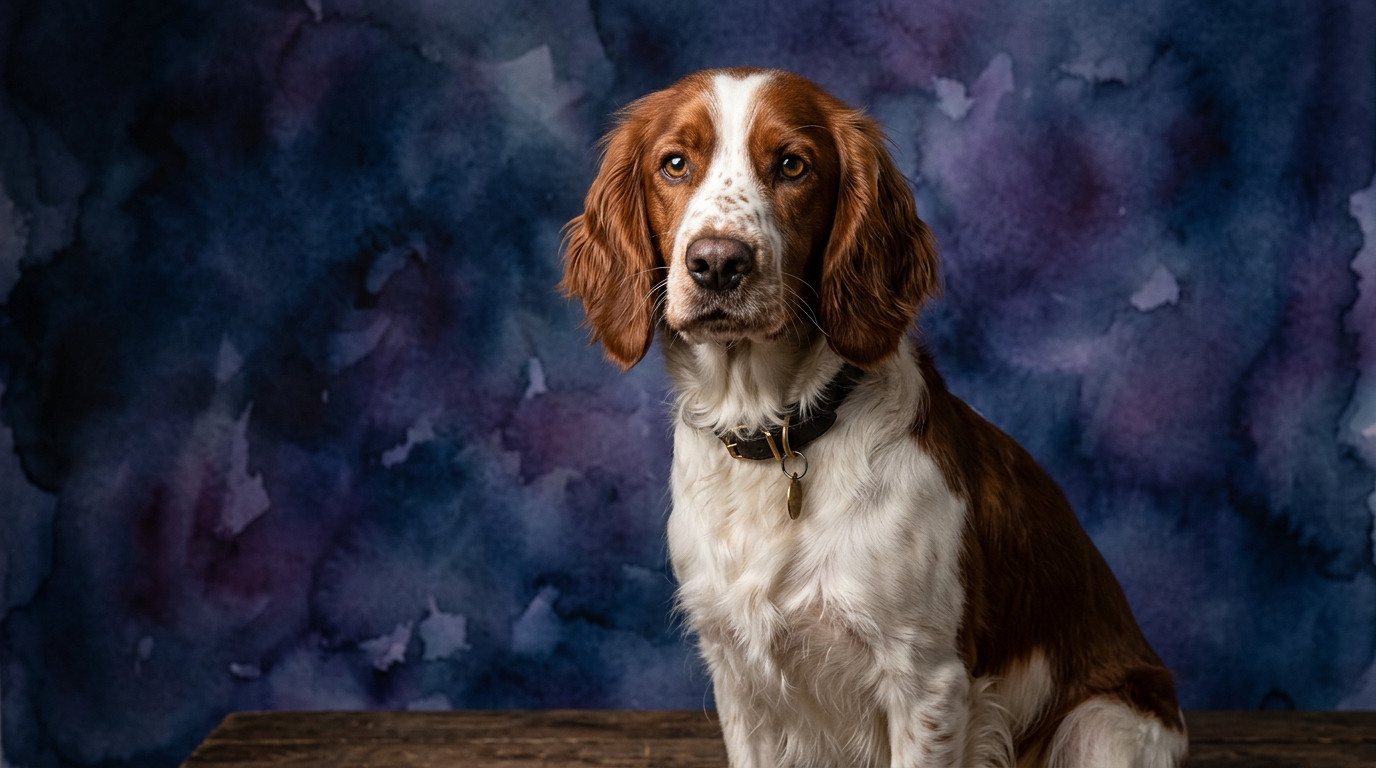
**Welsh Springer Spaniel (Welshie):** The Welsh Springer Spaniel exhibits a slightly more elevated cognitive profile in key areas. Their **Problem Solving (4/5)** score points to an adeptness at figuring things out, often displaying resourcefulness in novel situations. This is complemented by a **Training Speed (4/5)**, meaning they are quick to grasp new commands and concepts, making training sessions often efficient and rewarding. Their **Social Intelligence (3/5)** matches the Toller's, indicating a good capacity to read and respond to human emotions and intentions. The **Instinctive Drive (3/5)** is also similar, reflecting their heritage as flushing and retrieving gundogs. However, their **Memory (4/5)** stands out, suggesting a robust ability to recall learned tasks, past experiences, and social interactions with impressive fidelity.
Where Nova Scotia Duck Tolling Retriever Wins Cognitively
While the Welsh Springer Spaniel boasts higher scores in several cognitive dimensions, the Toller's consistent 3/5 profile across the board offers a unique advantage for certain environments and owner preferences. This balanced cognitive makeup means the Toller is less likely to become bored or destructive if not constantly challenged with complex mental puzzles. Their 3/5 in Problem Solving, for instance, implies they are less inclined to "outsmart" an owner or find creative, unwanted solutions to perceived problems like opening cabinets or escaping enclosures, a trait sometimes seen in dogs with higher problem-solving aptitude who haven't received adequate mental stimulation.
Furthermore, the Toller's 3/5 Training Speed, while not as rapid as the Welshie's, means they typically respond well to consistent, positive reinforcement without requiring the rapid-fire succession of new tasks that might be necessary to keep a faster learner engaged. This can translate into a more predictable and less demanding training journey for owners who prefer a steady progression over intense, high-speed learning. Their moderate Instinctive Drive is also a win for owners who desire a capable sporting companion without the extreme, sometimes obsessive, drive found in some other working breeds, making their natural retrieving instincts easier to channel and manage.
Where Welsh Springer Spaniel Wins Cognitively
The Welsh Springer Spaniel’s cognitive strengths are evident in its superior Problem Solving (4/5), Training Speed (4/5), and Memory (4/5). These elevated scores indicate a dog that is exceptionally quick to learn and retain information, making them highly adaptable and capable in a variety of learning contexts. Owners of Welsh Springers often report their dogs mastering complex obedience commands or agility courses with fewer repetitions than many other breeds, a direct reflection of their efficient Training Speed and robust Memory.
This cognitive advantage allows Welshies to excel in competitive dog sports, where rapid understanding of new sequences and precise execution of learned behaviors are paramount. Their enhanced Problem Solving also means Welsh Springers are often more adept at navigating novel environments or figuring out how to overcome obstacles, whether it's a puzzle toy or a challenge presented in scent work. This intellectual curiosity and capacity for independent thought can make them incredibly engaging companions for owners who enjoy interactive games and mentally stimulating activities. The combination of strong memory and quick learning also contributes to their reliability in the field, as they can quickly learn and remember specific patterns, scents, and commands, making them effective working partners.
Which is Easier to Train and Why
Based on their Cosmic Pet Pet IQ Lab profiles, the Welsh Springer Spaniel is generally considered easier to train due to its higher scores in Training Speed (4/5) and Memory (4/5). A Welshie's rapid Training Speed means they typically pick up new commands and behaviors with fewer repetitions. For instance, teaching a Welsh Springer to "stay" or "heel" might involve fewer sessions or shorter durations before the concept is solidified, compared to a Toller. This efficiency stems from their cognitive ability to quickly process and internalize new information.
Their superior Memory further reinforces this advantage, ensuring that once a behavior is learned, it is retained more reliably over time. Owners might find that a Welshie rarely "forgets" a command they've mastered, even after a break from practice. In contrast, the Nova Scotia Duck Tolling Retriever, with 3/5 in both Training Speed and Memory, will certainly learn, but the process may require more patience and consistent reinforcement. A Toller might need more repetitions to grasp a new concept and may benefit from more frequent refreshers to ensure long-term retention. While both breeds are eager to please and responsive to positive reinforcement, the Welsh Springer Spaniel's cognitive architecture simply allows for a faster and often smoother training trajectory, making them a preferred choice for those seeking a dog that excels in rapid skill acquisition.
Which Suits Active Owners vs. Relaxed Owners
Both the Nova Scotia Duck Tolling Retriever and the Welsh Springer Spaniel are members of the Sporting group, signifying an inherent need for physical activity. Neither breed is truly suited for a "relaxed" owner who prefers minimal exercise. However, their cognitive profiles dictate *how* that activity is best channeled.
For **active owners** who thrive on engaging their dog in diverse and challenging activities, the Welsh Springer Spaniel's elevated Problem Solving (4/5), Training Speed (4/5), and Memory (4/5) make it an exceptional match. These dogs flourish in environments where they can tackle complex agility courses, advanced obedience routines, scent detection games, or even participate in demanding field work. Their quick learning and strong retention allow them to master intricate tasks and adapt rapidly to new scenarios, providing a dynamic partnership for owners committed to high-level dog sports or extensive outdoor adventures that involve mental engagement.
The Nova Scotia Duck Tolling Retriever, with its balanced 3/5 scores, also requires an active owner but might be a better fit for those who prefer consistent, purposeful activities rather than constant novelty. Tollers excel in structured retrieving games, long hikes, and consistent obedience training. While they can certainly participate in dog sports, their slightly lower problem-solving and training speed might mean they thrive more with owners who appreciate a steady, methodical approach to training and activity, rather than an owner constantly introducing new, complex cognitive challenges. For owners who enjoy a predictable, yet energetic, companion for outdoor pursuits, the Toller’s balanced drives and cognitive traits are well-suited.
The Verdict
Choose Nova Scotia Duck Tolling Retriever if you appreciate a balanced cognitive profile that ensures a steady learning pace and a predictable temperament, less prone to "outsmarting" its owner, ideal for consistent training and active outdoor adventures.
Choose Welsh Springer Spaniel if you seek a highly adaptable and quick-learning companion eager to master complex tasks and excel in dog sports, offering a dynamic partnership for mentally stimulating activities.
🧠 Find Your Pet's IQ Score
Our Pet IQ Lab assessment covers 25+ tests across 5 cognitive dimensions — personalized to your breed.
Take the Full IQ Test →Frequently Asked Questions
Are Nova Scotia Duck Tolling Retrievers prone to separation anxiety?
Tollers form strong bonds due to their 3/5 Social Intelligence. While not inherently more prone than other breeds, their desire for companionship means they thrive when included in family activities and may develop anxiety if left alone for excessive periods without proper training.
How much exercise does a Welsh Springer Spaniel need daily?
Welsh Springers require significant daily exercise, typically 60-90 minutes of vigorous activity like running, hiking, or retrieving games. Their strong instinctive drive and physical stamina mean they are happiest when given ample opportunity to burn off energy.
Can a Nova Scotia Duck Tolling Retriever live in an apartment?
While Tollers are adaptable, their need for regular mental and physical stimulation, reflected in their 3/5 instinctive drive, makes apartment living challenging without a highly committed owner. They require consistent outdoor exercise and engagement to prevent boredom and destructive behaviors.