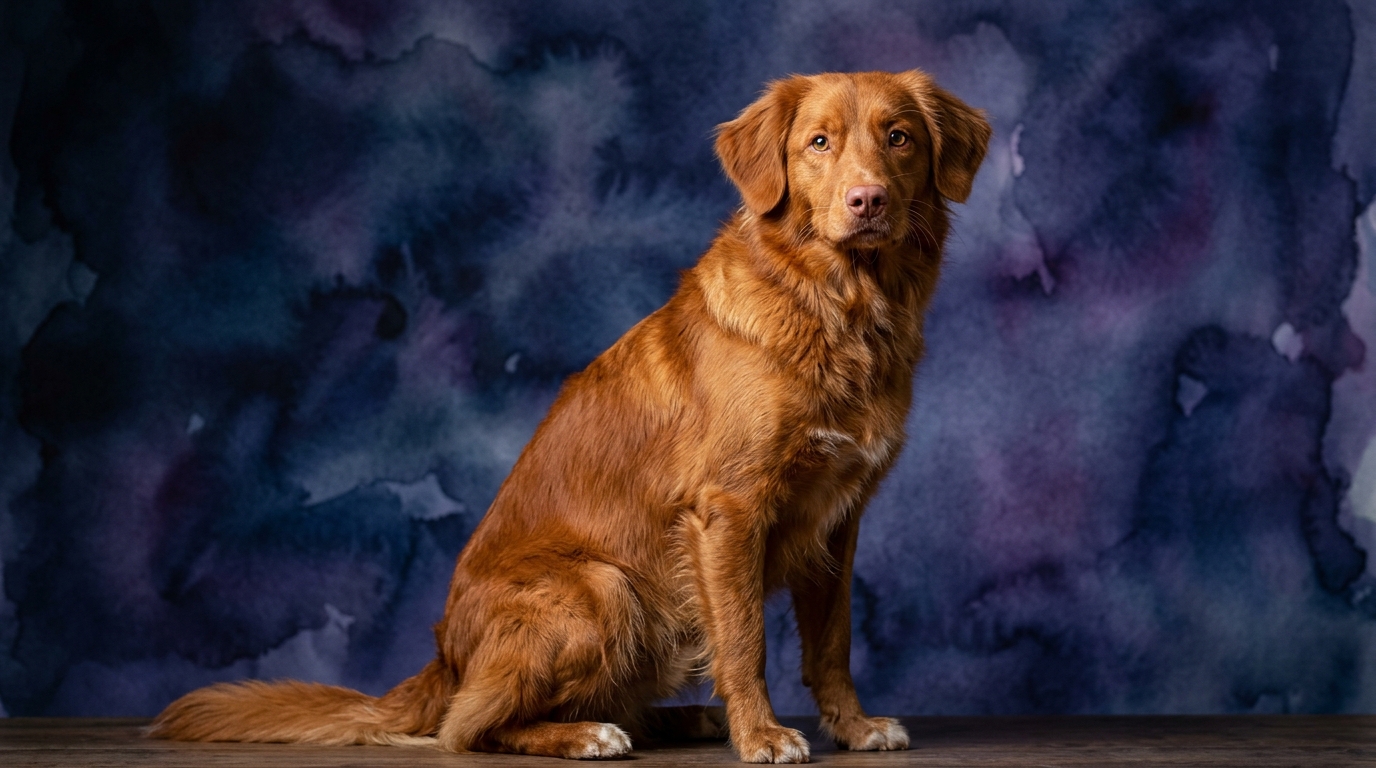
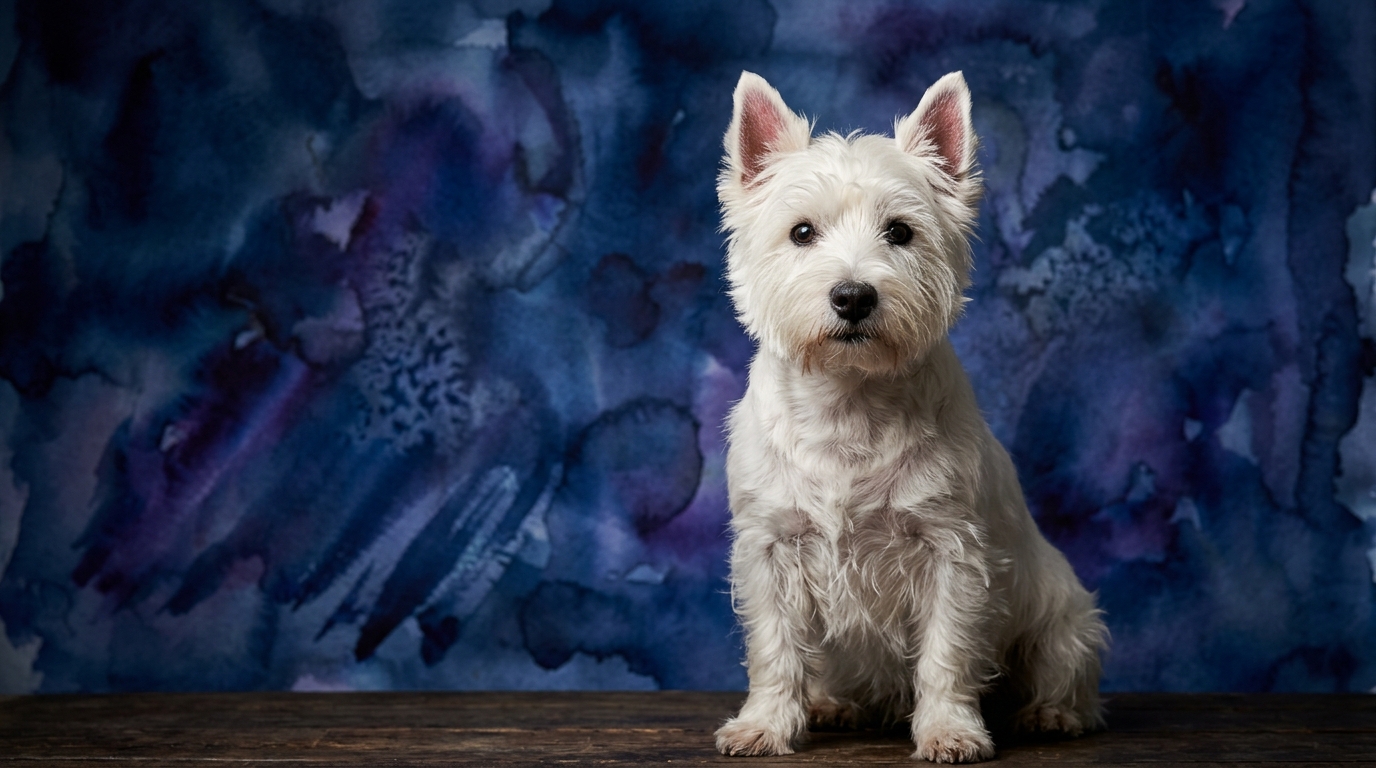
Side-by-Side Cognitive Profiles: Toller vs. Westie
The Cosmic Pet Pet IQ Lab employs a unique five-dimensional framework to assess canine intelligence, offering a granular view of a breed's cognitive strengths. For the Nova Scotia Duck Tolling Retriever, a Sporting group dog not Coren-ranked, and the West Highland White Terrier, a Terrier group dog ranked #47 by Coren, these dimensions paint a compelling picture of their mental aptitudes.
The Nova Scotia Duck Tolling Retriever consistently scores 3/5 across all five IQ dimensions: Problem Solving, Training Speed, Social Intelligence, Instinctive Drive, and Memory. A score of 3/5 indicates a solid, functional capacity within each area. These dogs exhibit practical problem-solving abilities, often applied to tasks like navigating terrain or figuring out how to retrieve objects. Their training speed suggests they grasp new commands and concepts at a moderate, steady pace, requiring consistent reinforcement. Socially, they possess a good understanding of human cues and interactions, forming strong bonds and reading intentions effectively. Their instinctive drive, typical of a sporting dog, is present and channels towards activities like retrieving and exploring, needing appropriate outlets. Finally, their memory allows them to retain learned information and routines adequately.
The West Highland White Terrier shares many cognitive similarities with the Toller, scoring 3/5 in Problem Solving, Training Speed, Social Intelligence, and Instinctive Drive. This means Westies also display practical problem-solving, often geared towards their terrier heritage of finding ways to access things or exploring. Their training speed is moderate, meaning they learn new tasks at a similar pace to the Toller, though their independent streak might influence application. Socially, Westies understand their family dynamics well and are discerning with strangers, much like the Toller. Their instinctive drive, also at 3/5, is potent, manifesting as a strong prey drive, a desire to dig, and a keen exploratory nature, all requiring redirection. Where the Westie truly differentiates itself is in its Memory, earning an impressive 4/5.
This higher Memory score for the Westie indicates an exceptional capacity for retaining learned information, commands, and routines. They remember what works, what doesn't, and past experiences with remarkable clarity. While both breeds show a functional level of cognitive ability across most dimensions, the Westie's superior memory is a key factor in understanding its unique mental makeup and how it interacts with the world.
Where the Nova Scotia Duck Tolling Retriever Excels Cognitively
While both breeds share several 3/5 scores, the Toller's Sporting group background often means its cognitive strengths are geared towards cooperative tasks and sustained focus on human-directed goals. Its 3/5 Problem Solving and 3/5 Instinctive Drive, when combined, make it particularly adept at figuring out how to achieve a retrieving task or navigate a complex environment with a purpose. For instance, a Toller might excel at solving a puzzle to access a toy it needs to bring back to its owner, demonstrating a directed, functional ingenuity.
Their 3/5 Social Intelligence further enhances this cooperative spirit. Tollers are tuned into their owners' intentions and desires, making them excellent partners in activities that require teamwork. This means they are more likely to apply their problem-solving and drive in ways that align with human expectations, making them responsive companions for structured activities and sports. Their cognitive profile suggests a dog that enjoys being an active participant in shared endeavors, demonstrating a blend of independent thought within a framework of partnership.
Where the West Highland White Terrier Shows Cognitive Prowess
The West Highland White Terrier's standout cognitive strength lies unequivocally in its Memory, rated at 4/5. This superior recall means Westies grasp and retain a vast array of commands, routines, and experiences with impressive accuracy. They remember intricate sequences of actions or specific locations where interesting things happened, which can be a significant advantage in training and daily life.
This exceptional memory allows Westies to master a wide repertoire of tricks and behaviors, and once learned, these are rarely forgotten. While their Problem Solving and Instinctive Drive are rated at 3/5, their strong memory acts as a powerful amplifier. A Westie might remember exactly how it outsmarted a baby gate last week, or recall a specific command despite a long hiatus, leveraging past successes or failures to inform future actions. This cognitive characteristic makes them quick to pick up on patterns, both desirable and undesirable, requiring owners to be consistent and mindful of what they are teaching, as it will likely stick.
Training Dynamics: Which is Easier to Guide?
Both the Nova Scotia Duck Tolling Retriever and the West Highland White Terrier hold a Training Speed score of 3/5, suggesting they learn new commands at a moderate pace. Neither breed is exceptionally fast nor particularly slow in grasping new concepts. However, the nuances of their other cognitive dimensions significantly impact their overall trainability and the experience of guiding them.
The Toller's 3/5 Memory means they retain learned information adequately, but might benefit from more frequent refreshers or consistent reinforcement over time to solidify complex behaviors. Their Sporting group heritage means their 3/5 Instinctive Drive is often geared towards cooperative tasks, making them generally amenable to direction and keen to work alongside their human partners. This inherent desire to please and participate in shared activities often translates into a more biddable training experience, even with a moderate learning speed.
Conversely, the Westie's 4/5 Memory offers a clear advantage in the *retention* of learned behaviors. Once a Westie learns a command, it is likely to remember it for a very long time. However, their Terrier heritage means their 3/5 Instinctive Drive, particularly their strong prey drive and independent nature, can sometimes conflict with training goals. While they remember quickly, their willingness to *comply* might be influenced by their independent spirit or a more compelling instinctual urge. This often means training a Westie requires more creative redirection and a strong understanding of their motivations to channel their cognitive strengths effectively, rather than relying solely on repetition.
Suitability for Active vs. Relaxed Lifestyles
The cognitive profiles of these two breeds offer clear indicators of which might thrive in different household environments. The Nova Scotia Duck Tolling Retriever, with its 3/5 Instinctive Drive, 3/5 Problem Solving, and 3/5 Social Intelligence, is a dog that requires consistent mental and physical engagement. Their drive for work and cooperative nature means they flourish with owners who enjoy outdoor activities, dog sports like agility or dock diving, or structured tasks that tap into their retrieving instincts.
Tollers are not content with minimal exercise and passive companionship; they need their minds stimulated with puzzles and their bodies challenged with vigorous activity to prevent boredom and potential behavioral issues. A relaxed owner who cannot provide these outlets might find a Toller’s energy and cognitive needs overwhelming. Their cognitive makeup suggests a partner for an active, engaged lifestyle.
The West Highland White Terrier, despite its smaller stature, also possesses a 3/5 Instinctive Drive and 3/5 Problem Solving, meaning they too require significant mental stimulation to prevent boredom. Their drives, focused on hunting and exploring, need appropriate outlets through play, scent work, or consistent training. While their physical exercise needs might not be as extensive as a Toller's in terms of endurance, they still need daily walks and opportunities to explore and engage their senses.
Their 4/5 Memory means they are always observing and learning, which requires an owner who is consistent and prepared to engage their clever minds. A truly relaxed owner who offers little stimulation might find a Westie inventing its own (potentially destructive) entertainment. Westies suit active owners who can provide consistent mental challenges and outlets for their terrier instincts, perhaps not in the same physically demanding way as a Toller, but certainly not as a purely decorative companion.
The Verdict: When to Choose Each Breed
Deciding between these two breeds hinges on understanding their distinct cognitive nuances and how they align with an owner's lifestyle and expectations. Both offer companionship and unique challenges, but their strengths are applied differently.
The Nova Scotia Duck Tolling Retriever is an excellent choice for owners seeking a cooperative, biddable companion for outdoor activities, dog sports, or a working role, who are prepared for consistent training and significant mental and physical engagement. They thrive in environments where their balanced cognitive profile can be channeled into shared, purposeful activities.
The West Highland White Terrier is ideal for owners who appreciate a clever, independent spirit in a smaller package, are committed to consistent training leveraging their strong memory, and can provide creative outlets for their pronounced terrier instincts. They suit those who enjoy a dog with personality and are prepared for a consistent intellectual partnership.
The Verdict
Choose the Nova Scotia Duck Tolling Retriever if you seek a cooperative, active partner for outdoor adventures and dog sports, prepared for consistent mental and physical engagement.
Opt for the West Highland White Terrier if you appreciate a clever, independent small dog, are committed to consistent training leveraging their excellent memory, and can provide outlets for their terrier instincts.
🧠 Find Your Pet's IQ Score
Our Pet IQ Lab assessment covers 25+ tests across 5 cognitive dimensions — personalized to your breed.
Take the Full IQ Test →Frequently Asked Questions
Are Nova Scotia Duck Tolling Retrievers good with families?
With a Social Intelligence score of 3/5, Tollers generally adapt well to family life, forming strong bonds with their human companions. They are typically patient and playful, especially if their energy and cognitive needs are met through regular activity and engagement.
Do West Highland White Terriers need a lot of exercise?
While smaller, Westies have a 3/5 Instinctive Drive and require regular exercise beyond just a short walk. They benefit from daily walks, playtime, and opportunities for mental stimulation to satisfy their exploratory and hunting instincts, preventing boredom and potential behavioral issues.
How do their social intelligence scores impact their interactions with other pets?
Both breeds score 3/5 in Social Intelligence, indicating they can understand social cues. Tollers generally integrate well with other pets, especially if introduced thoughtfully. Westies can also coexist, but their strong terrier prey drive might require careful management around smaller animals, and their discerning nature might make them selective with other dogs.