Side-by-Side Cognitive Profiles: Decoding Identical Scores
At first glance, the cognitive profiles of the Otterhound and Chow Chow appear identical, each scoring 3/5 in Problem Solving, Training Speed, Social Intelligence, Instinctive Drive, and Memory. However, these identical scores don't imply identical mental processes or behavioral outcomes; rather, they reflect a similar baseline capacity expressed through fundamentally different breed lenses, shaped by their distinct histories and purposes.
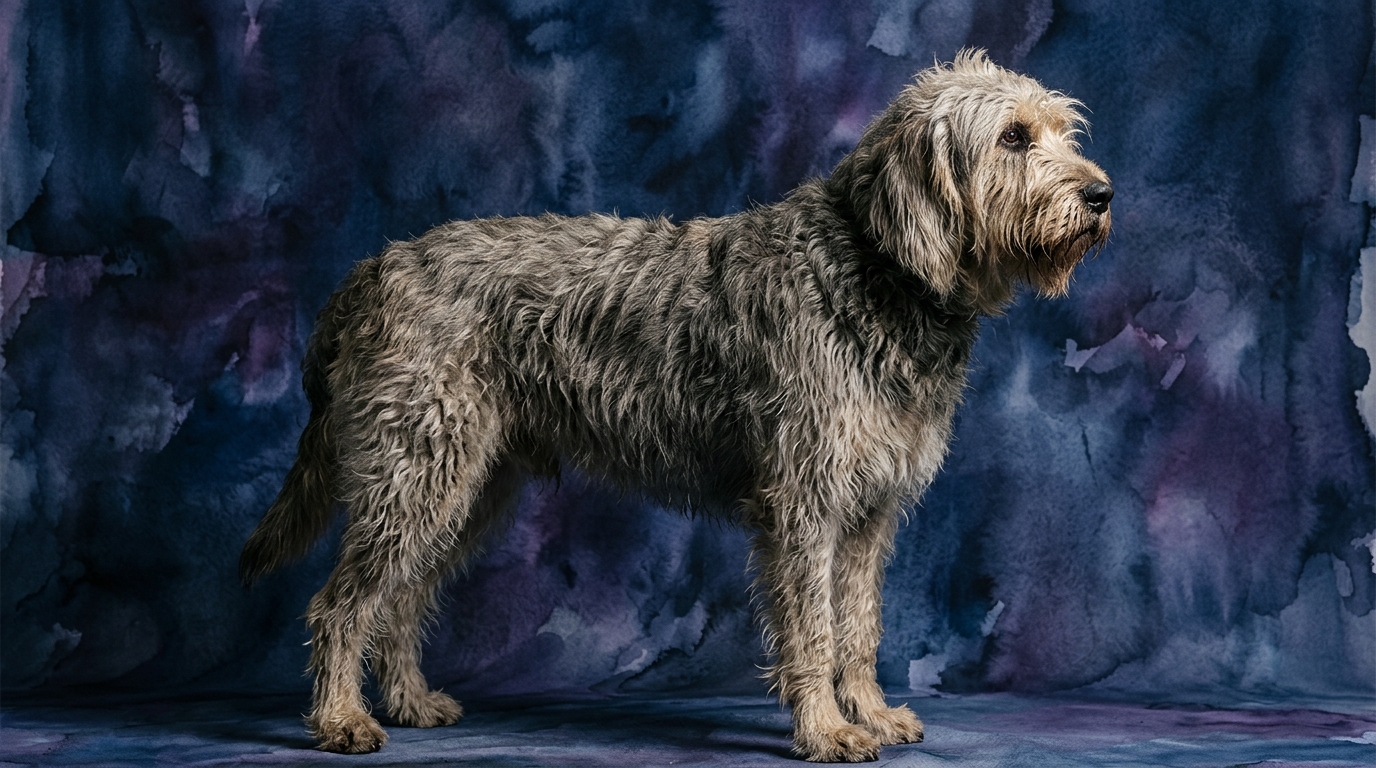
For the Otterhound, a breed forged for hunting otter, their Problem Solving (3/5) is deeply rooted in scent-based challenges. They excel at deciphering complex scent trails, navigating varied terrain to locate their quarry, and overcoming physical obstacles in pursuit of a goal. This problem-solving is often collaborative, seeking to work alongside a human companion.
Their Training Speed (3/5) indicates a capacity to learn, but it's often influenced by their independent hound nature and potent olfactory distractions. While they grasp concepts, their application might be inconsistent if a compelling scent overrides their focus, requiring patient, consistent reinforcement and high-value rewards.
Otterhound Social Intelligence (3/5) manifests as an amiable, tolerant, and often boisterous sociability. They are typically good-natured with family and other dogs, understanding pack dynamics and seeking cooperative interaction, though sometimes with a clumsy enthusiasm that can be overwhelming.
The Otterhound's Instinctive Drive (3/5) is overwhelmingly centered on scent work and the chase. This powerful drive dictates much of their behavior, making them persistent and focused when on a trail, but potentially oblivious to other cues when their nose is engaged. Their Memory (3/5) is particularly strong for scent patterns, learned routes, and successful hunting strategies, enabling them to recall complex environmental data.
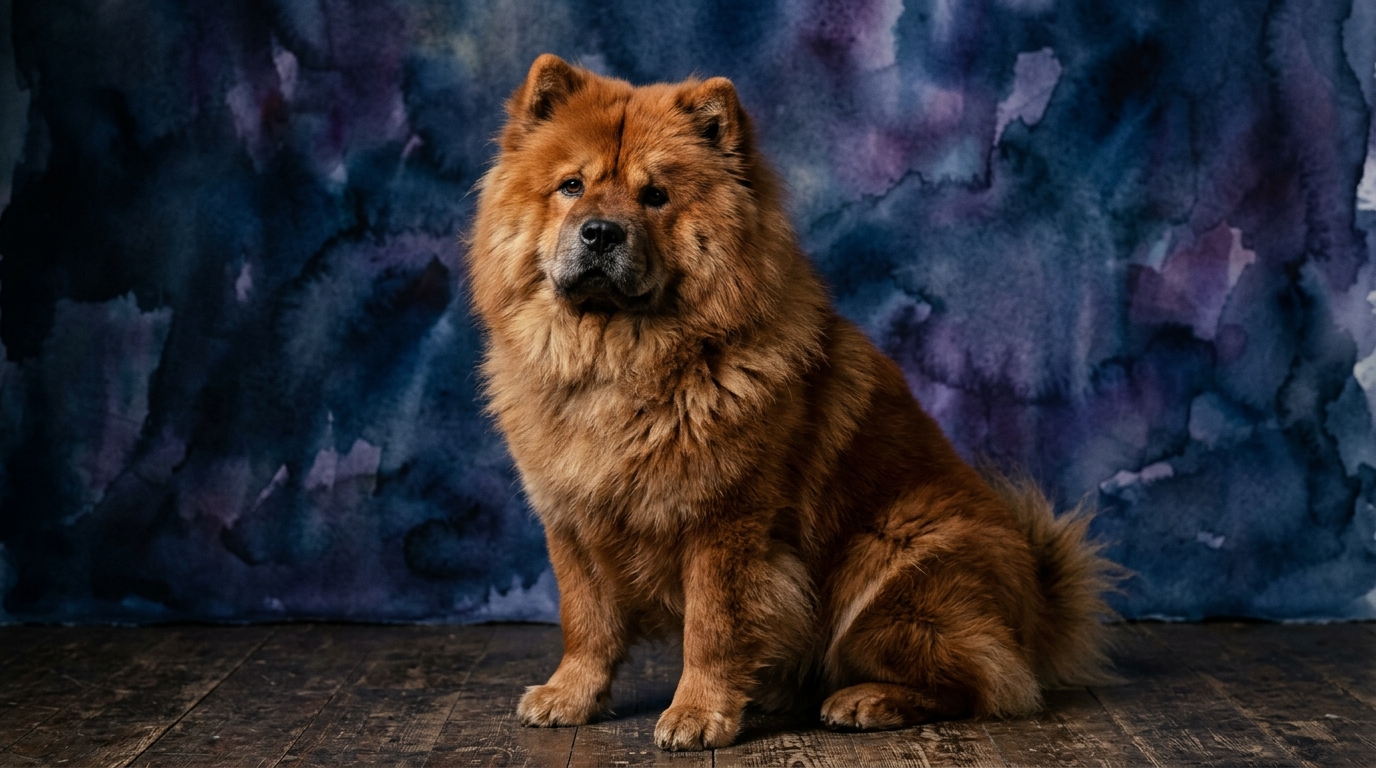
The Chow Chow, a breed with ancient origins as a versatile working dog, approaches Problem Solving (3/5) with a more independent and pragmatic mindset. Their solutions often revolve around optimizing their own comfort, avoiding unwanted interactions, or achieving personal goals rather than collaborative human-directed tasks. They are resourceful in their own way, often finding the path of least resistance for themselves.
Chow Chow Training Speed (3/5) is characterized by their discerning and often aloof nature. They are capable of learning commands, but their willingness to perform is contingent on their own motivation and perceived value of the task. They might learn quickly but choose to comply only when it suits them, often requiring a deep understanding of their individual personality and strong, positive reinforcement.
Chow Chow Social Intelligence (3/5) expresses itself as a profound, albeit reserved, loyalty to their immediate family. They are discerning and often wary of strangers, understanding social boundaries and preferring a respectful distance. Their social acumen is about selective bonding and clear communication of their personal space.
The Chow Chow's Instinctive Drive (3/5) is often geared towards guarding, territoriality, and a strong sense of self-preservation. This drive informs their cautious approach to new situations and their protective instincts towards their home and family. Their Memory (3/5) is robust for remembering routines, trusted individuals, and past experiences (both positive and negative), which contributes to their consistent, if reserved, demeanor.
Where the Otterhound Excels Cognitively
Despite identical scores, the Otterhound's cognitive strengths lean into their cooperative nature and environmental engagement. Their 3/5 problem-solving skill manifests as superior persistence in following complex scent trails, making them adept at tasks requiring sustained focus on an external stimulus. This breed demonstrates a cognitive advantage in adapting to varied, dynamic outdoor environments, using their intellect to navigate and interpret the world through scent, a capability less pronounced in the Chow Chow. Their collaborative instinct, a facet of their social intelligence, makes them more inclined to engage in shared problem-solving with their human partners.
Where the Chow Chow Demonstrates Cognitive Strengths
The Chow Chow's cognitive advantages lie in their independent decision-making and discerning nature. Their 3/5 problem-solving is often self-directed, allowing them to assess situations and make choices that benefit their personal comfort or security without constant human oversight, a trait valuable for a watchful guardian. Their social intelligence, also 3/5, translates into a keen ability to distinguish between trusted individuals and strangers, coupled with a strong sense of personal boundaries. This makes them highly effective at selective bonding and evaluating social cues for potential threats or intrusions, a nuanced understanding that differs from the Otterhound's more generalized amiability.
Training Dynamics: Otterhound vs. Chow Chow
When it comes to training, the '3/5 Training Speed' score for both breeds translates into remarkably different experiences. The Otterhound, with its pack mentality and desire to work alongside humans, is generally perceived as easier to train for cooperative tasks. While they possess an independent streak and their powerful scent drive can be a significant distraction, an owner who understands how to channel their natural instincts into training games can achieve consistent results. They learn by doing and responding to cues, often motivated by the shared 'hunt' or positive reinforcement.
The Chow Chow, conversely, presents a unique training challenge due to its highly independent and often reserved temperament. While they are capable of learning (a 3/5 training speed), their willingness to comply is profoundly linked to their own motivation and perceived value of the command. They are not inherently eager to please and may choose to ignore commands if they don't see a compelling reason to obey. Training a Chow Chow requires immense patience, consistency, a deep understanding of their individual personality, and a focus on building trust and respect rather than expecting automatic obedience. Their 'stubbornness' is often a manifestation of their strong will and self-reliance, not a lack of cognitive ability.
Matching Breeds to Lifestyles: Active vs. Relaxed Owners
The Otterhound's 3/5 instinctive drive and social intelligence make them a fitting companion for active owners. They thrive with individuals or families who embrace outdoor adventures, long walks, scent work games, or even canine sports. Their robust energy and amiable nature mean they enjoy being an integral part of an active household, requiring consistent physical and mental engagement to prevent boredom and channel their strong drives effectively. Owners prepared for a dog that needs to 'work' its nose and body will find a joyful partner.
The Chow Chow, while needing regular exercise, is generally better suited for more relaxed owners who appreciate a dignified, self-sufficient canine presence. Their 3/5 problem-solving and social intelligence are geared towards a calm, observant role within the home. They are content with moderate daily walks, a predictable routine, and clear boundaries. Owners who value an independent companion, are comfortable with a reserved demeanor, and are willing to provide consistent, respectful guidance will find the Chow Chow a loyal and serene presence, rather than a high-energy adventure partner.
The Verdict
Choose the Otterhound for owners seeking an amiable, robust companion keen on outdoor adventures and cooperative tasks, who appreciate a strong scent drive and are prepared for consistent, engaging training.
Opt for the Chow Chow if you admire an independent, dignified canine with a reserved loyalty, seeking a calm home presence and willing to invest in patient, motivation-based training for a dog with a strong sense of self.
🧠 Find Your Pet's IQ Score
Our Pet IQ Lab assessment covers 25+ tests across 5 cognitive dimensions — personalized to your breed.
Take the Full IQ Test →Frequently Asked Questions
Do Otterhounds and Chow Chows have the same cognitive capacity since their scores are identical?
While both breeds share a 3/5 rating across all five IQ dimensions, their specific cognitive strengths manifest differently due to their distinct historical roles and inherent temperaments. The scores represent a baseline capacity, but the application of that capacity varies significantly between the two breeds, reflecting their unique evolutionary paths.
What does a 3/5 score for 'training speed' mean for these breeds?
A 3/5 training speed indicates both breeds are capable of learning new commands and behaviors, but they are not the fastest learners nor the slowest. For the Otterhound, this might mean needing consistent reinforcement against scent distractions, while for the Chow Chow, it implies learning occurs, but compliance is often tied to their independent will and perceived value of the command.
How does 'social intelligence' differ for these breeds despite identical scores?
Both possess a 3/5 social intelligence, but the Otterhound typically exhibits a more outgoing, pack-oriented sociability, readily engaging with family and tolerating new faces. The Chow Chow's 3/5 manifests as a deep, reserved loyalty to their inner circle, coupled with a more discerning and often aloof approach to strangers, valuing personal space and clear boundaries.