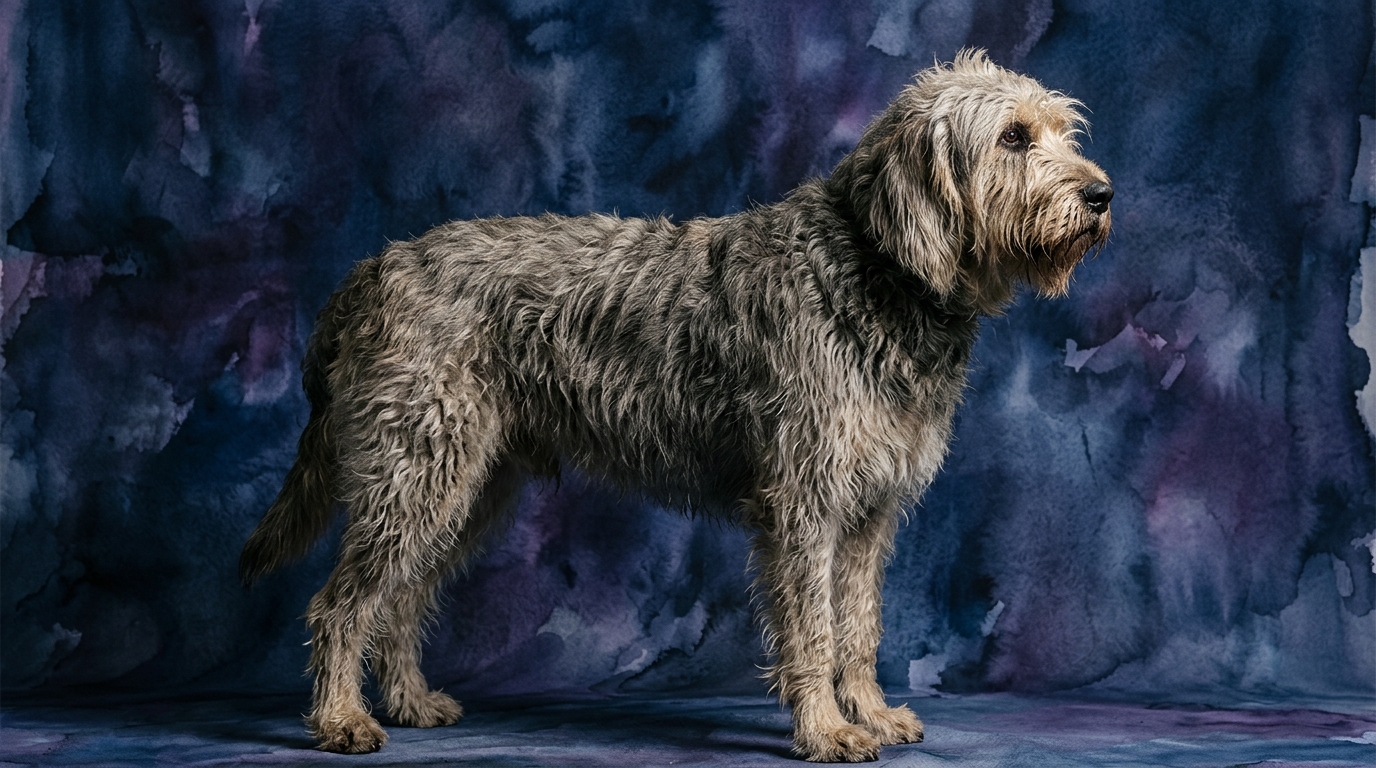
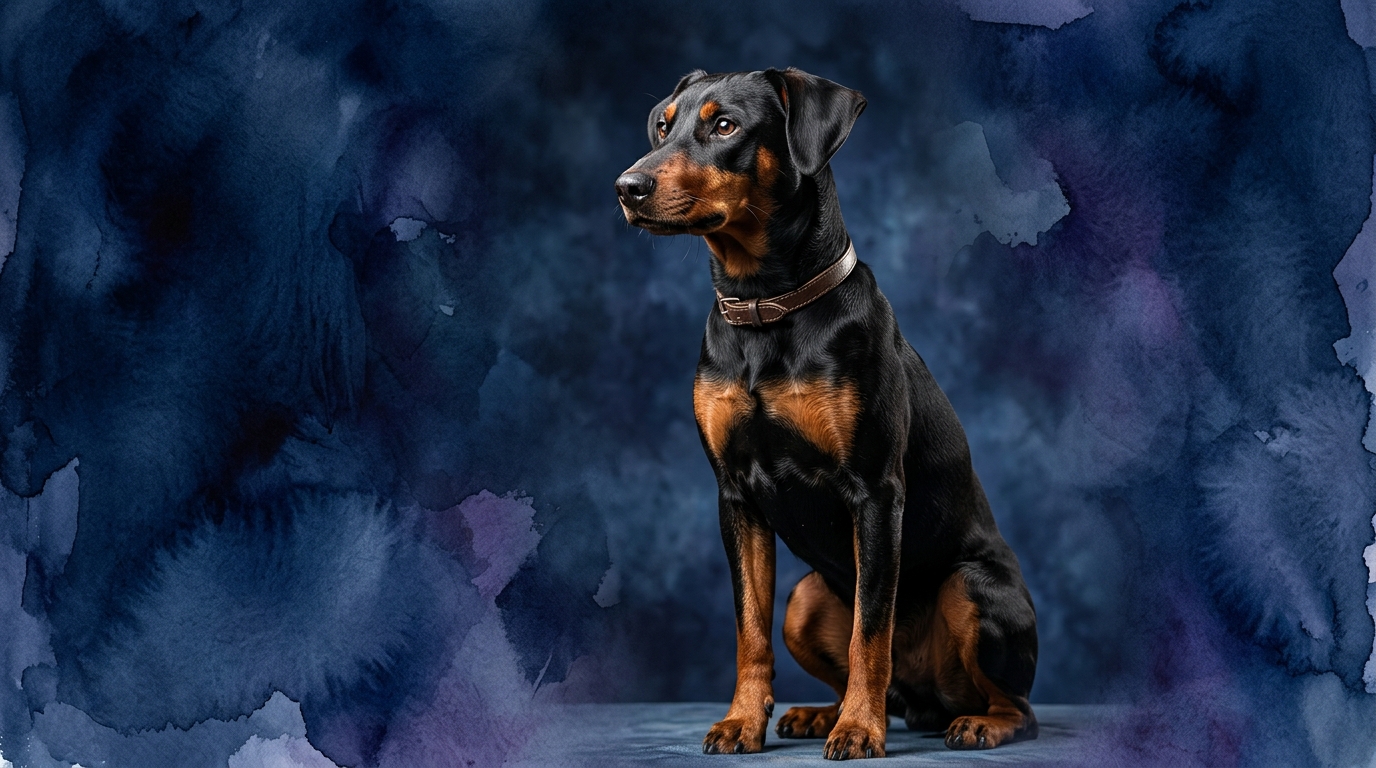
Side-by-Side Cognitive Profiles: Otterhound vs. German Pinscher
The Otterhound, a venerable scenthound, was bred for relentless pursuit across varied terrain, shaping its unique cognitive toolkit. Its Problem Solving (3/5) reflects practical ingenuity, particularly in navigating complex environments and following scent trails through water or dense cover, rather than abstract tasks. Training Speed (3/5) suggests they are capable learners, but their deep-seated hound independence and focus on scent can make obedience a patient endeavor, often requiring creative motivation. Social Intelligence (3/5) points to an amiable nature within their family and general tolerance for other dogs, essential for pack work, though they may be reserved with strangers. Their Instinctive Drive (3/5) is overwhelmingly centered on scenting and tracking, manifesting as unwavering focus when a captivating aroma presents itself, coupled with an affinity for water. Memory (3/5) supports their tracking prowess, allowing recall of complex routes and specific scents, alongside routines and familiar faces.
Contrast this with the German Pinscher, a sleek working breed, whose historical role involved dispatching vermin and guarding property. Its Problem Solving (3/5) showcases an opportunistic intelligence for outwitting pests, figuring out access to desired objects, or discerning weaknesses in a perceived threat. Training Speed (3/5) indicates they grasp commands quickly when motivated, but their assertiveness means consistency and a confident handler are paramount, as they can test boundaries. Social Intelligence (3/5) reflects profound loyalty and protectiveness towards family, often with a watchful wariness of unfamiliar individuals, making them superb natural alarm systems. Their Instinctive Drive (3/5) is driven by a potent prey drive, sharp territorial instinct, and a desire for purpose, manifesting as focused bursts of activity and vigilant observation. Memory (3/5) serves them well in recalling specific commands, identifying repeated patterns, and remembering individuals deemed friend or foe, contributing to their effective watchdog capabilities.
Where the Otterhound Excels Cognitively
While both breeds share a 3/5 rating across all cognitive dimensions, their specific applications diverge. The Otterhound’s cognitive strengths are deeply rooted in its ancestral purpose. Its Problem Solving, though rated identically to the German Pinscher, shines particularly in navigating complex natural environments and deciphering intricate scent puzzles with remarkable endurance. An Otterhound's memory excels in recalling vast scent libraries and mapping out intricate, multi-day trails, a nuanced form of spatial and olfactory recall less critical for the Pinscher. Their social intelligence, while generally amiable, fosters effective cooperation with other dogs in a pack, a functional aspect critical during a hunt. This breed's instinctive drive is finely tuned for sustained, independent work in challenging conditions, making them unparalleled in tasks requiring prolonged focus on a distant scent.
Where the German Pinscher Excels Cognitively
Conversely, the German Pinscher’s cognitive prowess is honed for vigilance, quick decision-making, and direct action. Its Problem Solving, also 3/5, is often displayed in real-time, high-stakes scenarios such as strategic vermin interception or assessing and reacting to perceived threats to their territory. Their memory is particularly acute for recalling specific commands, routines, and identifying environmental changes signaling intruders or unusual activity. This breed's social intelligence, while equally rated, manifests as an intense, personal bond with their primary handler, often leading to more focused and responsive interaction in structured training. The German Pinscher’s instinctive drive, a powerful 3/5, is characterized by a rapid, decisive response to stimuli, quick situation assessment, and unwavering commitment to their perceived role as a protector, making them exceptionally attuned to their home environment.
Training Ease: Nature of the Challenge
Comparing the ease of training between these two breeds, both rated 3/5 for Training Speed, is less about innate 'smartness' and more about the nature of their inherent drives. The German Pinscher often presents as more straightforward for obedience commands in a controlled setting. Their strong desire to interact with their handler, coupled with their working drive, means they are typically keen to engage in structured tasks and respond well to clear, consistent direction. They thrive on having a 'job' and quickly internalize commands, though their assertive nature means a handler must be equally confident and consistent to manage their boundary-testing tendencies. The Otterhound, while capable, requires a different approach. Their powerful instinctive drive for scenting can be an overwhelming distraction, making traditional obedience a lesson in patience and creative motivation; a fascinating scent trail almost always takes precedence over a 'sit.' Training an Otterhound involves leveraging their love for scent work and water, embedding obedience into activities they find inherently rewarding, rather than expecting immediate, focused compliance in all situations. For precise obedience in varied environments, the German Pinscher might feel 'easier' due to its handler focus, whereas the Otterhound demands a trainer who understands how to work *with* its powerful, independent nose.
Matching Breeds to Owner Lifestyles
Neither the Otterhound nor the German Pinscher would be suitable for a truly relaxed, sedentary owner; both possess a 3/5 instinctive drive and problem-solving capacity demanding engagement. However, the *type* of activity they thrive on differs. The Otterhound is an ideal match for active owners who relish long, exploratory walks, hiking, and especially water-based activities. Their endurance and love for the outdoors mean ample opportunities to roam, swim, and engage their powerful nose in scent games or tracking. They are excellent companions for those who enjoy hours immersed in nature, often at a steady, deliberate pace. In contrast, the German Pinscher appeals to owners seeking a partner for more structured, high-intensity activities. Their quick reflexes and desire for a 'job' make them excel in dog sports like agility, obedience, or protection work. They need vigorous daily exercise including bursts of speed and mental challenges, often preferring to work closely with their handler. Owners who enjoy a fast-paced lifestyle, structured training, and a dog that is always 'on duty' will find the German Pinscher a more fitting companion. Both demand significant time and energy, but the nature of that commitment varies: one for the meandering, scent-driven explorer, the other for the sharp, focused athlete.
The Verdict
Choose the Otterhound if you're an active, outdoorsy owner who loves scent work, water activities, and can patiently guide an independent, amiable companion through life's adventures.
Opt for the German Pinscher if you seek a vigilant, energetic partner for dog sports, are committed to consistent training, and appreciate a bold, protective temperament in your daily life.
🧠 Find Your Pet's IQ Score
Our Pet IQ Lab assessment covers 25+ tests across 5 cognitive dimensions — personalized to your breed.
Take the Full IQ Test →Frequently Asked Questions
Are Otterhounds good watchdogs?
With a social intelligence rating of 3/5, Otterhounds are generally aware of their surroundings and may bark at novel stimuli, but their hound nature typically makes them more likely to vocalize a greeting or alert than to act as aggressive guardians.
How much exercise does a German Pinscher need?
Given their 3/5 instinctive drive and problem-solving capacity, German Pinschers require significant daily physical and mental engagement, including vigorous exercise and structured activities, to prevent boredom and potential destructive behaviors.
Can these breeds live in apartments?
While possible with dedicated owner effort, both breeds thrive with ample space and outdoor access due to their energy levels and instinctive drives, requiring consistent and creative outlets for their cognitive and physical needs in smaller living situations.