Side-by-Side Cognitive Profile: Papillon vs. Affenpinscher
The Pet IQ Lab's assessment provides a granular view into the cognitive abilities of these two distinct breeds. Understanding these dimensions helps us appreciate their individual mental landscapes.
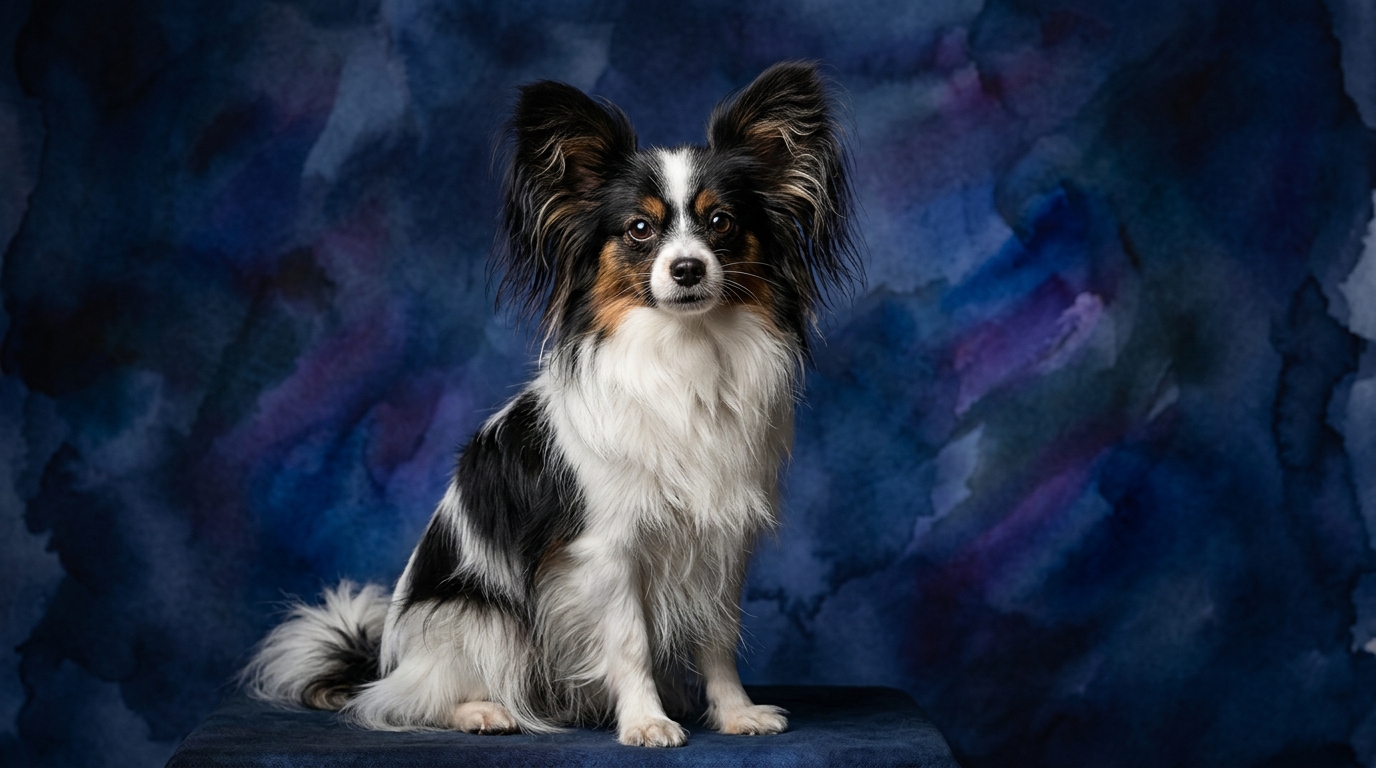
The Papillon, a breed ranked #8 by Coren, demonstrates a remarkable cognitive aptitude across several key areas. Its Problem Solving is rated 5/5, indicating an exceptional capacity to navigate novel situations, understand complex tasks, and devise strategies to achieve goals. Training Speed, also at 5/5, highlights their ability to absorb and integrate new commands and behaviors with astonishing quickness, often requiring minimal repetition. Social Intelligence, at 4/5, suggests a strong ability to interpret human cues, adapt to social dynamics, and form profound communicative bonds. Their Instinctive Drive is a balanced 3/5, meaning they possess natural canine urges like chasing or guarding, but these are generally moderate and manageable. Finally, their Memory, at 5/5, ensures that learned lessons, commands, and experiences are retained over extended periods, making their knowledge base highly durable.
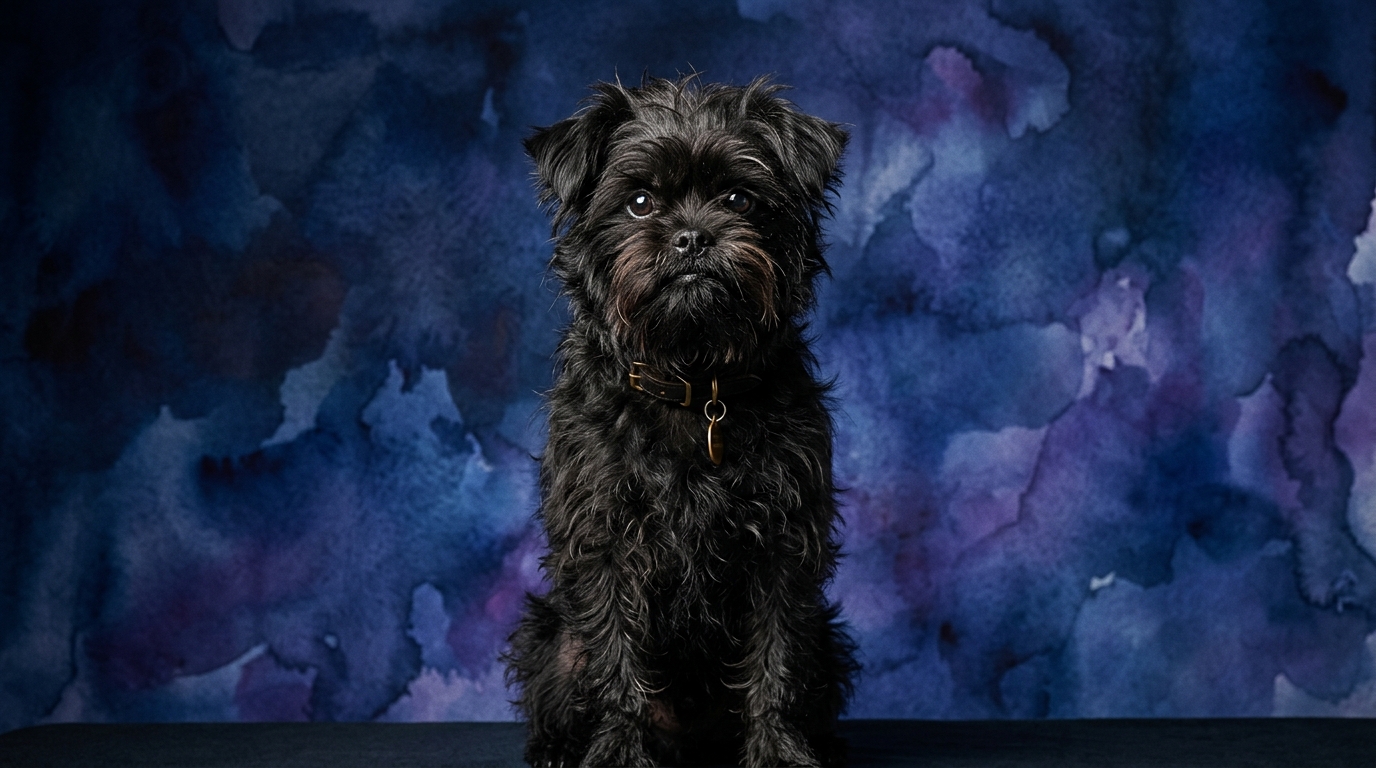
The Affenpinscher, while not Coren-ranked, presents a more uniform cognitive profile, with consistent scores across the board. Its Problem Solving is rated 3/5, indicating a capability for solving straightforward issues but potentially requiring more guidance for intricate challenges, often preferring established routines. Training Speed, also 3/5, means they learn at a steady pace, benefiting from consistent, patient instruction rather than rapid-fire lessons. Social Intelligence, at 3/5, suggests they form connections and interact well with their family, though they might not interpret subtle human emotions or complex social cues with the same nuance as a higher-scoring breed. Their Instinctive Drive matches the Papillon at 3/5, showing a moderate level of innate behaviors, including a curious and exploratory nature typical of some terrier types. Memory, also 3/5, indicates an adequate capacity for retaining information, though regular reinforcement helps solidify learned behaviors over time.
Where the Papillon Excels Cognitively
The Papillon's cognitive strengths are particularly evident in its superior problem-solving (5/5), training speed (5/5), and memory (5/5). This combination creates a dog that is not merely responsive but actively engaged in understanding its environment and its human companions. Their exceptional problem-solving means they are adept at figuring out how to achieve desired outcomes, whether it's navigating complex puzzle toys, learning to open latches, or devising clever ways to solicit attention. This isn't just about following commands; it's about grasping the underlying logic of a situation.
Their lightning-fast training speed means they can pick up new commands, tricks, and routines after only a few repetitions, making them a joy for owners who enjoy teaching and engaging in dog sports like agility or obedience. This rapid acquisition of knowledge reflects a deep capacity for cognitive processing and associative learning. Coupled with their exceptional memory, once a Papillon learns something, it tends to stick, making them incredibly reliable in performing learned behaviors even after a long break. This translates to an animal that can be taught sophisticated tasks, participate in dog sports with ease, or even perform service dog tasks requiring a broad repertoire of remembered actions, showcasing a remarkable mental resilience and capacity for complex learning.
Where the Affenpinscher Shows Unique Strengths
While the Affenpinscher does not outscore the Papillon in any individual cognitive dimension, its consistent 3/5 profile across the board represents a distinct set of strengths that cater to different owner preferences. Their moderate problem-solving ability means they are less likely to constantly test boundaries or 'outsmart' their owners by devising complex schemes for mischief, leading to a more predictable and often calmer household environment. This consistency can be a significant advantage for owners who prefer a dog that is less prone to intense intellectual demands.
The Affenpinscher's steady training speed (3/5) ensures that while learning takes consistent effort, the process itself can be a gradual, bonding experience without the pressure of a dog that constantly seeks new, complex intellectual challenges. This allows for a more relaxed approach to training, where patience and positive reinforcement yield steady progress. Their balanced instinctive drive (3/5) further contributes to their suitability for varied living situations, as they possess natural curiosity without being overly driven by strong prey or territorial instincts. This means they are often content with established routines and familiar environments, providing a stable and less mentally intensive companion for those who appreciate a more grounded and less cognitively demanding presence.
Training Dynamics: Papillon's Eagerness vs. Affenpinscher's Steadiness
When considering ease of training, the Papillon stands out due to its combined 5/5 scores in problem-solving and training speed. A Papillon doesn't just memorize a command; it quickly grasps the underlying concept. For instance, when teaching 'stay,' a Papillon rapidly comprehends the *idea* of remaining in place until released, rather than merely associating the word with a specific posture. This innate ability to interpret and generalize concepts makes them highly responsive to various training methods and capable of learning complex sequences of commands with remarkable speed. Their excellent memory ensures that once a behavior is learned, it requires minimal refreshing, making advanced obedience or intricate trick training a smooth and rewarding process, often driven by their keen desire to engage and please their handlers.
In contrast, the Affenpinscher, with its 3/5 scores in both problem-solving and training speed, requires a more patient and consistent approach. While certainly trainable, they may take more repetitions to fully understand a new command and might not generalize concepts as quickly as a Papillon. For example, teaching 'stay' might initially involve them understanding 'stay *in this specific spot*' rather than the broader concept of 'stay *until released*.' Their learning process is steady rather than rapid, meaning owners must be prepared for longer training sessions, often broken into smaller, digestible chunks, and consistent reinforcement over time. They respond particularly well to positive reinforcement and clear, unambiguous instructions, but their attention span might necessitate more engaging and varied techniques to maintain their focus.
Lifestyle Match: Active Engagement vs. Relaxed Companionship
For active owners who relish engaging their pets in mentally stimulating activities or dog sports, the Papillon is an exceptional match. Their high problem-solving and training speed scores mean they thrive on challenges like agility courses, advanced obedience trials, or even learning complex trick routines. They possess a vibrant mental energy that requires consistent engagement; without it, boredom can set in, potentially leading to undesirable behaviors as their sharp minds seek alternative outlets. An owner who enjoys teaching new things, spending time on interactive play, providing puzzle toys, and exploring new environments will find the Papillon's eagerness and capacity for learning immensely rewarding. They are also energetic for their size, enjoying brisk walks and opportunities to explore their surroundings.
The Affenpinscher, with its more moderate and consistent cognitive profile, is a better fit for relaxed owners who appreciate a charming, steady companion without the constant demand for novel intellectual challenges. While they still benefit from daily walks and basic training to keep them well-adjusted, their contentment with established routines and a less intense need for mental stimulation makes them suitable for those who prefer a calmer daily rhythm. They are often content to observe and participate in family life without needing to be the center of a complex training regimen. Owners who value consistency, appreciate a dog that is self-contained yet affectionate, and are prepared for a steady, rather than rapid, learning curve will find the Affenpinscher's disposition highly rewarding and a harmonious addition to their lifestyle.
The Verdict
Choose a Papillon if you seek a highly trainable, mentally agile companion eager to learn complex tasks, excel in dog sports, and thrive on consistent intellectual engagement and varied experiences.
Opt for an Affenpinscher if you prefer a charming, steady-paced companion content with routines, requiring consistent but not intense mental stimulation, and offering a predictable, affectionate presence.
🧠 Find Your Pet's IQ Score
Our Pet IQ Lab assessment covers 25+ tests across 5 cognitive dimensions — personalized to your breed.
Take the Full IQ Test →Frequently Asked Questions
Do Papillons get bored easily?
Yes, Papillons, with their 5/5 problem-solving and memory, require regular mental stimulation. They can become bored if not given opportunities to learn and engage, potentially leading to undesirable behaviors if their sharp minds aren't adequately challenged.
Are Affenpinschers difficult to train?
Affenpinschers are not difficult to train, but their 3/5 training speed means they require more patience and consistency than some breeds. Short, positive training sessions with clear instructions work best to help them learn and retain commands effectively.
Which breed is better for first-time dog owners?
For first-time owners, the Affenpinscher might be slightly more manageable due to its less demanding cognitive profile and contentment with routine. However, a dedicated first-time owner willing to invest time in consistent, positive training could certainly succeed with a Papillon.