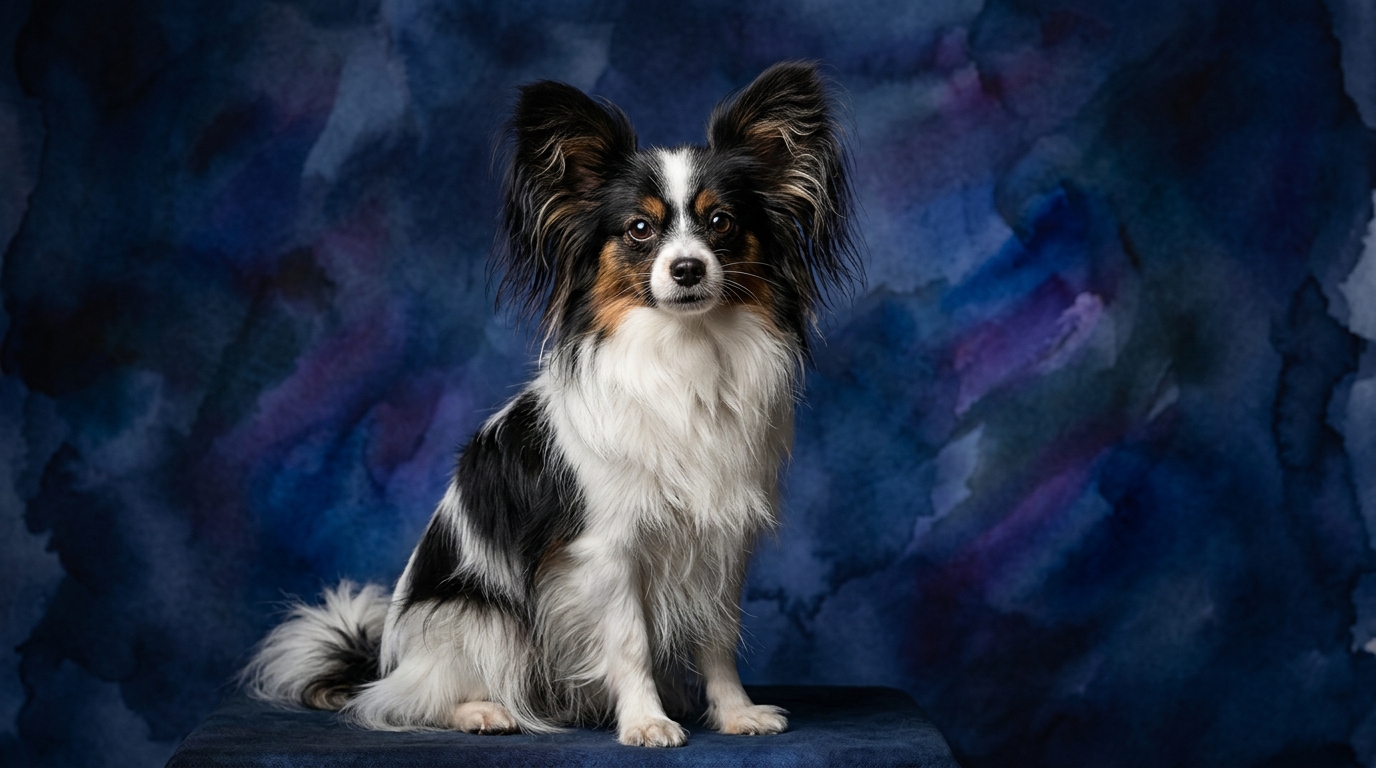
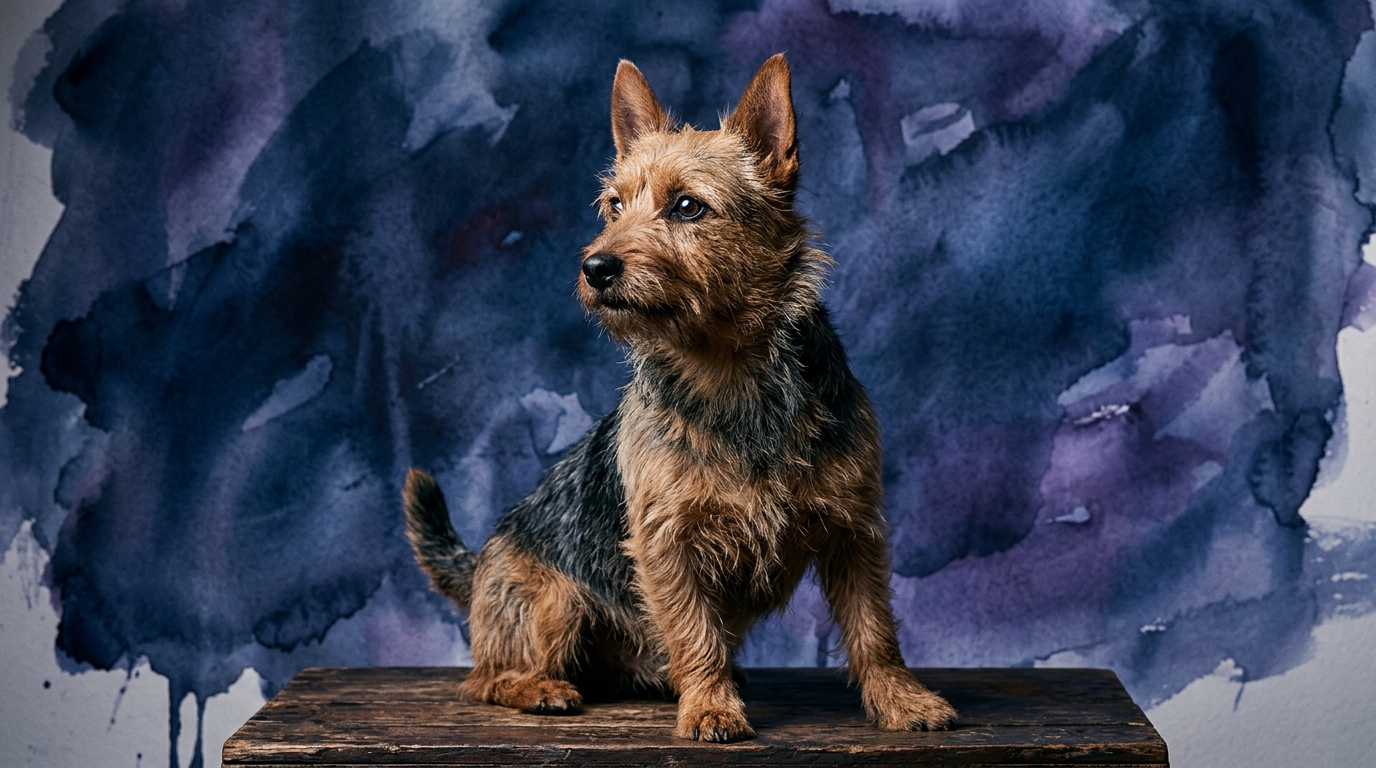
Side-by-Side Cognitive Profile
The Papillon, earning a prestigious Coren rank of #8, stands among the top-tier breeds for working and obedience intelligence, a testament to their cognitive prowess. Their Problem Solving is rated an exceptional 5/5, signifying an outstanding capacity to analyze complex situations, devise effective strategies, and adapt swiftly to new challenges with minimal prompting. A perfect 5/5 in Training Speed highlights their remarkable ability to grasp new commands and intricate routines with astonishing swiftness, often requiring merely a handful of repetitions for mastery. Social Intelligence, at a robust 4/5, indicates a keen aptitude for interpreting human cues, understanding emotional states, and engaging appropriately within various social dynamics, fostering a deep, responsive connection. Their Instinctive Drive sits at a balanced 3/5, suggesting a moderate level of natural impulses that are generally manageable and unlikely to overshadow their trainability. Completing their impressive profile is a 5/5 Memory, enabling them to retain learned behaviors, recall past experiences, and apply previous knowledge with exceptional fidelity over extended periods.
While not specifically listed on Coren's ranking, the Australian Terrier's cognitive profile paints a picture of practical, grounded intelligence. Their Problem Solving registers at 3/5, indicating a solid, albeit not exceptional, ability to navigate new challenges. They often approach tasks methodically, relying on established patterns or persistent effort rather than immediate, innovative solutions. Training Speed also scores 3/5, meaning they require more consistent repetition, patience, and clear instruction to master new commands and routines compared to faster-learning breeds. Social Intelligence, at 3/5, suggests they can understand fundamental human interactions and bond loyally, but might not possess the same nuanced sensitivity to subtle emotional shifts or complex social dynamics as breeds with higher scores. Their Instinctive Drive is also 3/5, reflecting a balanced yet present set of natural terrier instincts—curiosity, a propensity for digging, and an independent streak—which are present but generally manageable. Finally, a 3/5 Memory implies they can retain information effectively but may benefit from periodic reinforcement to ensure long-term recall and solidify learned behaviors.
Where the Papillon Excels Cognitively
The Papillon exhibits a clear and compelling cognitive advantage in several key areas, particularly in their capacity for rapid assimilation of new information and sophisticated problem resolution. Their stellar 5/5 Problem Solving score means they are exceptionally adept at navigating novel situations, quickly devising solutions to obstacles, whether it's figuring out how to manipulate a complex treat puzzle, understanding a multi-step fetch game, or even recognizing patterns in human behavior. This breed's remarkable 5/5 Training Speed allows them to absorb new cues and sequences with astonishing minimal repetitions, often seeming to anticipate what's expected. This makes advanced obedience, intricate trick training, or competitive dog sports like agility a fluid, dynamic, and rewarding experience for both dog and owner. Coupled with a perfect 5/5 Memory, Papillons not only learn with unparalleled swiftness but also retain that knowledge over extended periods, making their training durable, reliable, and easily refreshed. Furthermore, their 4/5 Social Intelligence gives them a distinct edge in understanding subtle human emotions, intentions, and body language, fostering a deeper, more nuanced bond and a higher degree of responsiveness to owner communication compared to the Australian Terrier's 3/5. This sensitivity allows them to adapt their behavior to human moods and expectations more readily.
Where the Australian Terrier Shines Cognitively
While the Australian Terrier's cognitive scores are generally moderate compared to the Papillon's, this doesn't imply a deficit in functional intelligence; rather, it highlights a distinct approach to mental tasks and a different set of strengths. Their 3/5 Instinctive Drive, matching the Papillon, is a significant advantage in its own right, indicating a balanced set of natural instincts that are present but not overwhelming. This level of drive means they possess a robust terrier spirit—characterized by curiosity, persistence, a strong prey drive, and a willingness to explore—without being excessively prone to the extreme independent hunting or digging behaviors that can complicate living indoors or off-leash excursions. Their moderate Problem Solving and Training Speed, while not exceptional, suggest a practical, grounded intelligence. They learn through consistent effort and repetition, developing a reliable and steadfast understanding of their environment, routines, and boundaries. This steady, tenacious learning style, combined with their inherent terrier grit, means that once an Australian Terrier masters a task, they perform it with a dependable consistency born of purposeful practice. This makes them exceptionally reliable companions for specific, well-defined roles, valuing consistency over rapid innovation. Their loyalty, once earned through patient training, is unwavering, making them dependable guardians and companions.
Training Ease: Papillon vs. Australian Terrier
When comparing ease of training, the Papillon undeniably presents a smoother and often faster journey for most owners, largely due to their superior cognitive profile. Their 5/5 Training Speed means they pick up new commands and complex sequences with astonishing quickness, often after just a few repetitions. This rapid learning is powerfully supported by their 5/5 Memory, ensuring that once a command is learned, it's retained for long periods, significantly reducing the need for constant reteaching or refresher sessions. Their 5/5 Problem Solving also translates into an ability to understand the underlying 'why' behind a command or task, making them more adaptable to variations in context and less prone to rote learning failures. For instance, a Papillon might quickly generalize 'sit' or 'stay' to different environments and amidst distractions, whereas an Australian Terrier might require more structured, repetitive practice in each new setting to achieve the same reliability. The Australian Terrier, with 3/5 scores across Problem Solving, Training Speed, and Memory, requires more patience, consistency, and a structured approach from the trainer. They learn effectively but at a slower, more deliberate pace, needing more repetitions to solidify new behaviors. Their inherent terrier nature, while not excessively high in instinctive drive (3/5), can sometimes manifest as independent thinking, a strong focus on environmental stimuli (like small critters), or a preference for self-directed activities over strict adherence to commands. This may necessitate more creative motivational techniques and a higher level of persistence from the trainer. For example, teaching an Australian Terrier a complex multi-step trick might involve breaking it down into many smaller, distinct components over an extended period, while a Papillon might string steps together more intuitively and quickly, responding to subtle cues.
Matching Breeds to Lifestyles: Active vs. Relaxed Owners
For owners seeking an active and deeply mentally stimulating companion, the Papillon is an exceptional and highly rewarding match. Their high Problem Solving and Memory scores mean they thrive on complex training challenges, intricate puzzle toys, and engaging in demanding dog sports like agility, rally obedience, or even canine freestyle. They possess the mental acuity and often the physical agility to excel in pursuits that require sustained focus and problem-solving. An owner who enjoys dedicating time to teaching new, advanced tricks, participating in competitive obedience trials, or engaging in daily, varied brain games will find the Papillon an eager, capable, and enthusiastic partner who genuinely enjoys the collaborative mental effort. Conversely, while the Australian Terrier is certainly an active and robust breed with a terrier's inherent zest for life, their cognitive profile suggests they might be better suited for owners who appreciate a more straightforward, consistent routine rather than constant novelty and high-level mental gymnastics. Their 3/5 Problem Solving and Training Speed mean they benefit greatly from clear, repetitive training and predictable daily activities. They thoroughly enjoy brisk walks, energetic playtime, and exploring their environment, but might not demand the same intensity of intricate mental engagement as a Papillon. A relaxed owner who enjoys regular outdoor adventures, consistent training for practical purposes, and a loyal companion who is content with a well-established routine, but isn't necessarily looking to delve into advanced dog sports or complex behavior chains, would find the Australian Terrier a steadfast, engaging, and thoroughly enjoyable companion.
The Verdict
Choose the Papillon if you seek a highly trainable, quick-witted companion eager to master complex commands and engage in advanced mental challenges, thriving on consistent intellectual stimulation.
Opt for the Australian Terrier if you prefer a steady, tenacious companion who learns reliably with consistent effort and enjoys a routine-oriented life with ample outdoor activity, valuing loyalty and a practical approach.
🧠 Find Your Pet's IQ Score
Our Pet IQ Lab assessment covers 25+ tests across 5 cognitive dimensions — personalized to your breed.
Take the Full IQ Test →Frequently Asked Questions
Does the Coren rank for Papillons mean they are universally 'smarter'?
The Coren rank specifically measures 'working and obedience intelligence,' which reflects a breed's ability to learn and execute human commands. While Papillons excel in this domain, intelligence is multifaceted, and other breeds might demonstrate different strengths, such as problem-solving in natural environments or social adaptability, which aren't solely captured by this ranking.
How does 'Instinctive Drive' affect training for these two breeds?
Both breeds have a moderate Instinctive Drive of 3/5. For the Papillon, this means their natural impulses are generally manageable and unlikely to significantly hinder their strong learning abilities. For the Australian Terrier, this level indicates they possess a healthy terrier curiosity and persistence, which can be channeled positively in training but might also lead to occasional independent thinking if not properly managed.
Can an Australian Terrier still excel in dog sports despite lower IQ scores?
Absolutely. While their training speed and problem-solving scores are moderate, Australian Terriers possess tenacity and a desire to work alongside their owners. With consistent, patient training and positive reinforcement, they can certainly achieve success in dog sports like agility or earthdog trials, often thriving on the physical activity and focused tasks.