Side-by-Side IQ Profile
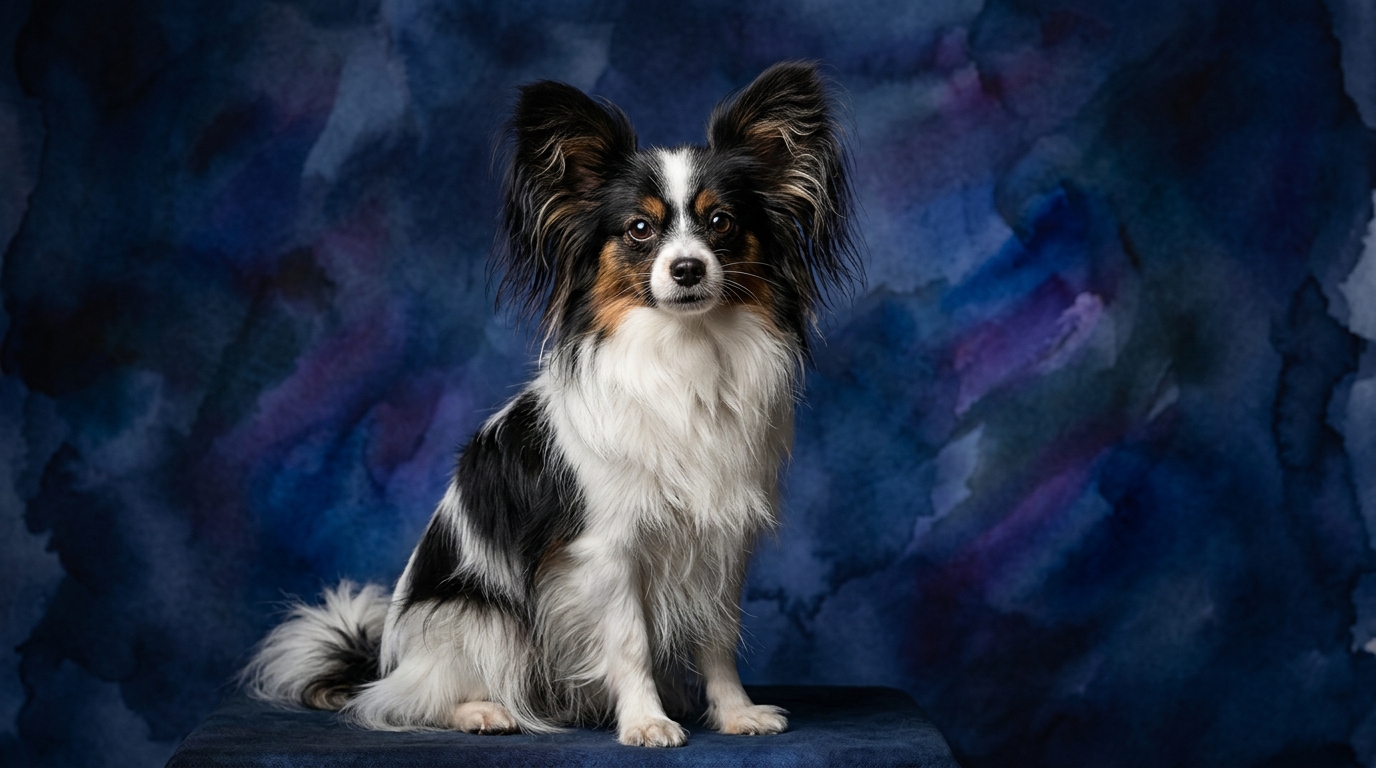
The Papillon, a Toy breed ranking #8 on the Coren scale, presents a cognitive profile geared towards cooperative learning and intricate interaction. Their Problem Solving is rated 5/5, indicating an exceptional aptitude for navigating complex environments, mastering puzzles, and understanding multi-step commands. Training Speed, also 5/5, highlights an extraordinary ability to learn new cues and routines with minimal repetition, eager to please and quick to grasp concepts. Their Social Intelligence at 4/5 reflects a strong connection to human partners, an ability to read subtle cues, and a desire for cooperative interaction. Instinctive Drive is moderate at 3/5, suggesting a less pronounced engagement with primal urges like hunting or scent tracking, often overshadowed by their focus on human companionship. Finally, Memory at 5/5 ensures they retain learned behaviors and experiences over extended periods, making training efforts enduring and reliable.
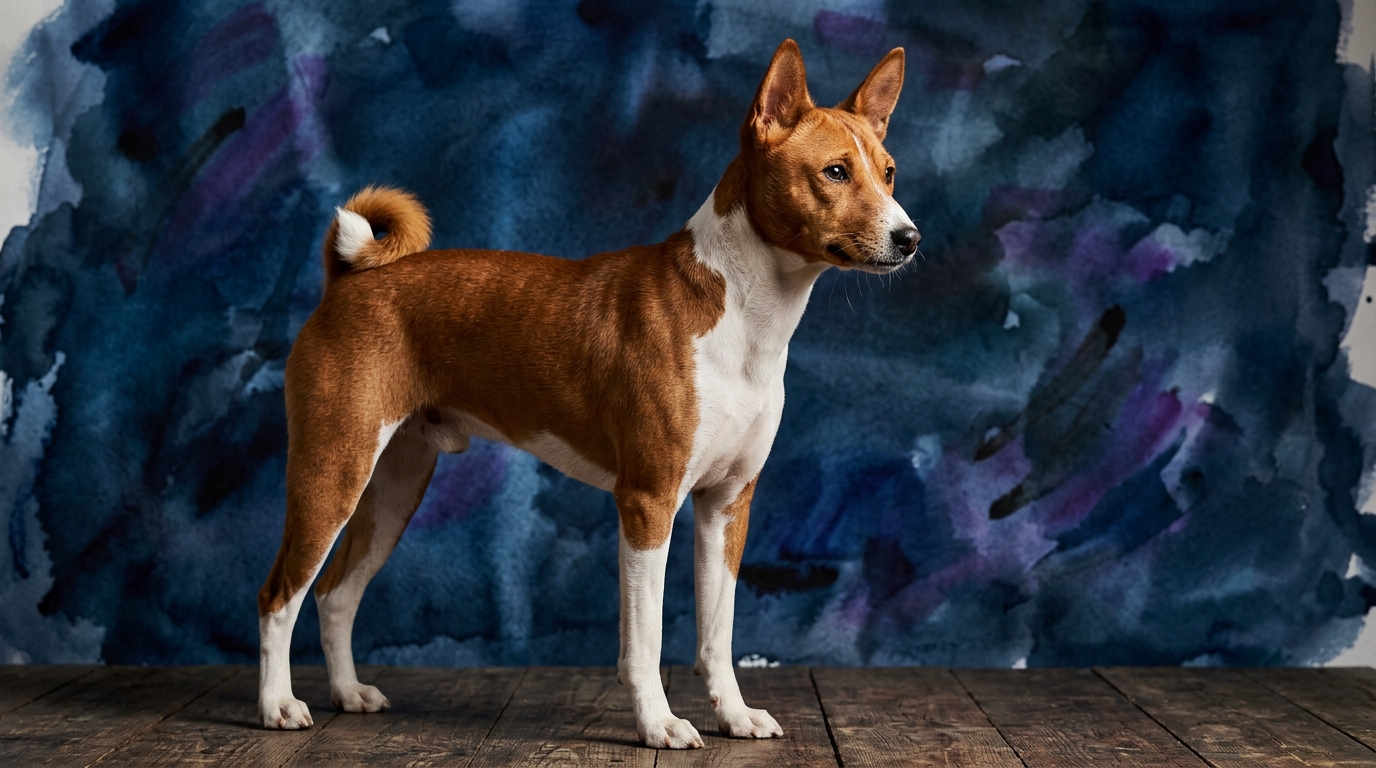
The Basenji, a Hound breed with a Coren ranking of #78, possesses a cognitive makeup centered around independence and deep-seated instincts. Their Problem Solving also scores 5/5, demonstrating an equal capacity for figuring out challenges, whether it's opening a gate or devising a strategy to reach a desired object. However, their Training Speed is notably low at 1/5, not due to a lack of understanding but rather a profound independence and often a disinterest in performing for human approval. Social Intelligence at 3/5 shows they form deep bonds but can be more reserved or selective in their interactions, less inclined to seek constant human direction. Their Instinctive Drive is exceptionally high at 5/5, fueled by a powerful prey drive and an inherent need to explore and hunt, often overriding human commands. Memory at 4/5 is solid, allowing them to recall past events and learned behaviors, though their application of this memory is often self-directed rather than obedience-focused.
Where Papillon Wins Cognitively
The Papillon's cognitive strengths shine particularly in areas that foster human-canine partnership and intricate learning. Their exceptional Training Speed (5/5) is a major differentiator; they absorb new commands, tricks, and routines with remarkable efficiency, often needing just a few repetitions to master a concept. This makes them outstanding candidates for dog sports like agility, obedience, and rally, where precise execution and rapid learning are paramount. Furthermore, their superior Social Intelligence (4/5) means they are highly attuned to their human companions' moods and intentions, making them responsive and eager participants in shared activities.
This blend of quick learning and social awareness allows Papillons to adapt seamlessly to complex living situations and diverse training scenarios, making them remarkably versatile companions. They actively seek engagement and validation, which significantly enhances their cooperativeness. Their perfect Memory (5/5) ensures that once a lesson is learned, it's retained, building a robust foundation of knowledge and reliable behaviors that can be built upon consistently over their lifetime.
Where Basenji Wins Cognitively
The Basenji’s cognitive prowess lies in its profound independence and highly developed instinctive capabilities. Their top-tier Instinctive Drive (5/5) is unmatched, manifesting as an intense prey drive and an innate self-reliance honed over centuries as African hunting dogs. This drive makes them exceptional at tasks requiring autonomous action and keen sensory perception, such as lure coursing, scent work, or tracking, where they can excel without constant human direction. While their Training Speed (1/5) is low in traditional obedience contexts, their Problem Solving (5/5) is just as acute as the Papillon’s; they simply apply it to achieving their own goals, whether it’s figuring out how to open a cupboard, scale a fence, or outsmart a squirrel.
This breed excels at navigating complex environments independently and finding creative solutions to obstacles without human intervention, often demonstrating a high degree of ingenuity. Their lower Social Intelligence (3/5) doesn’t signify a lack of affection, but rather a preference for self-direction, allowing them to make decisions based on their environment and instincts rather than solely on human cues. This self-sufficiency, combined with a strong Memory (4/5), enables them to adapt and survive in challenging situations, making them truly resourceful and resilient companions who don't always look to their owner for the next command.
Which is Easier to Train and Why
Without a doubt, the Papillon is significantly easier to train than the Basenji. This distinction stems directly from their divergent cognitive profiles and inherent motivations. The Papillon's perfect Training Speed (5/5) coupled with a high Social Intelligence (4/5) means they are not only quick to understand commands but are also genuinely motivated by pleasing their human partners. They thrive on positive reinforcement and the opportunity to engage collaboratively, viewing training as an enriching interaction that strengthens their bond and earns praise. Their relatively moderate Instinctive Drive (3/5) means they are less likely to be distracted by external stimuli like scents or moving objects, allowing them to maintain focus during training sessions and consistently apply their excellent memory.
Conversely, the Basenji presents a formidable training challenge due to its extremely low Training Speed (1/5) and exceptionally high Instinctive Drive (5/5). While they possess remarkable Problem Solving (5/5) abilities, they often apply this intelligence to circumventing rules or achieving self-serving objectives rather than complying with commands. Their independence, often described as 'cat-like,' means they are not inherently driven by a desire to please. A Basenji might perfectly understand a command but choose to ignore it if there's a more compelling scent, a potential chase, or simply no immediate reward that aligns with their current interest. Training a Basenji requires immense patience, creativity, and a deep understanding of their sighthound instincts, often relying on high-value rewards and making every interaction feel like *their* idea rather than an imposed task. They often respond better to training methods that tap into their natural drives, like lure coursing, rather than traditional obedience drills, which they may find tedious.
Which Suits Active Owners vs Relaxed Owners
The choice between a Papillon and a Basenji also hinges significantly on an owner's lifestyle and their expectations for a canine companion. The Papillon, with its energetic yet cooperative nature, is an excellent fit for active owners who enjoy engaging in various dog sports such as agility, flyball, or competitive obedience. Their quick minds and agile bodies make them superb at mastering complex routines and navigating courses with precision and speed. They thrive on consistent mental stimulation and physical activity that involves their human partners, making them ideal for owners who want to teach tricks, go on adventurous hikes, or simply enjoy extended interactive play sessions. While they can certainly enjoy relaxed cuddle time, their cognitive profile suggests they are happiest when their minds are actively engaged and their desire for interaction is fulfilled through shared activities.
The Basenji, on the other hand, suits a different kind of active owner—one who appreciates and can accommodate a dog with robust independent instincts. Owners who enjoy long, vigorous walks, secure off-leash running opportunities, or activities like lure coursing that tap into their powerful prey drive will find a rewarding partnership. Their high Instinctive Drive (5/5) means they need consistent outlets for their natural urges to chase and explore; without appropriate channels, their problem-solving skills might be directed towards less desirable behaviors, like escaping the yard or pursuing wildlife. Relaxed owners might find the Basenji's independent streak and need for structured outlets for their instincts challenging. While they are not typically 'lap dogs' in the traditional sense, they do form strong bonds and enjoy being part of the family, often preferring to observe from a comfortable perch rather than seeking constant physical interaction. Owners must be prepared to provide secure environments and consistent, creative engagement to manage their unique blend of intelligence and independence, ensuring their cognitive needs are met in a way that respects their inherent nature.
The Verdict
Choose the Papillon if you seek a highly trainable, eager-to-please companion for dog sports, cooperative learning, and a breed deeply attuned to human interaction and collaboration.
Choose the Basenji if you appreciate an independent, resourceful companion, are prepared for a unique training challenge that respects their ancient instincts, and seek a dog driven by powerful natural drives, perhaps for activities like lure coursing or scent work.
🧠 Find Your Pet's IQ Score
Our Pet IQ Lab assessment covers 25+ tests across 5 cognitive dimensions — personalized to your breed.
Take the Full IQ Test →Frequently Asked Questions
Are Papillons good for first-time dog owners?
Yes, Papillons are generally considered excellent for first-time dog owners due to their high trainability, desire to please, and adaptability. Their eager-to-learn nature makes the initial stages of dog ownership much smoother, provided their mental and physical needs for engagement are consistently met through interactive play and training.
Can Basenjis be trained for obedience competitions?
While Basenjis can certainly learn obedience commands, their strong independence and low training speed make traditional obedience competitions significantly more challenging than with many other breeds. Success requires immense patience, highly motivating rewards, and a training approach that respects their unique, self-directed cognitive style, often turning it into a test of wits rather than pure compliance.
Do Basenjis bark like other dogs?
Basenjis are often called 'barkless dogs' because they typically do not bark in the conventional sense. Instead, they produce a unique sound known as a 'baroo' or yodel, which is a distinctive, melodic vocalization. They can also growl, whine, and make other sounds, but the characteristic sharp, repetitive bark is rare, making them a quieter companion in some respects.