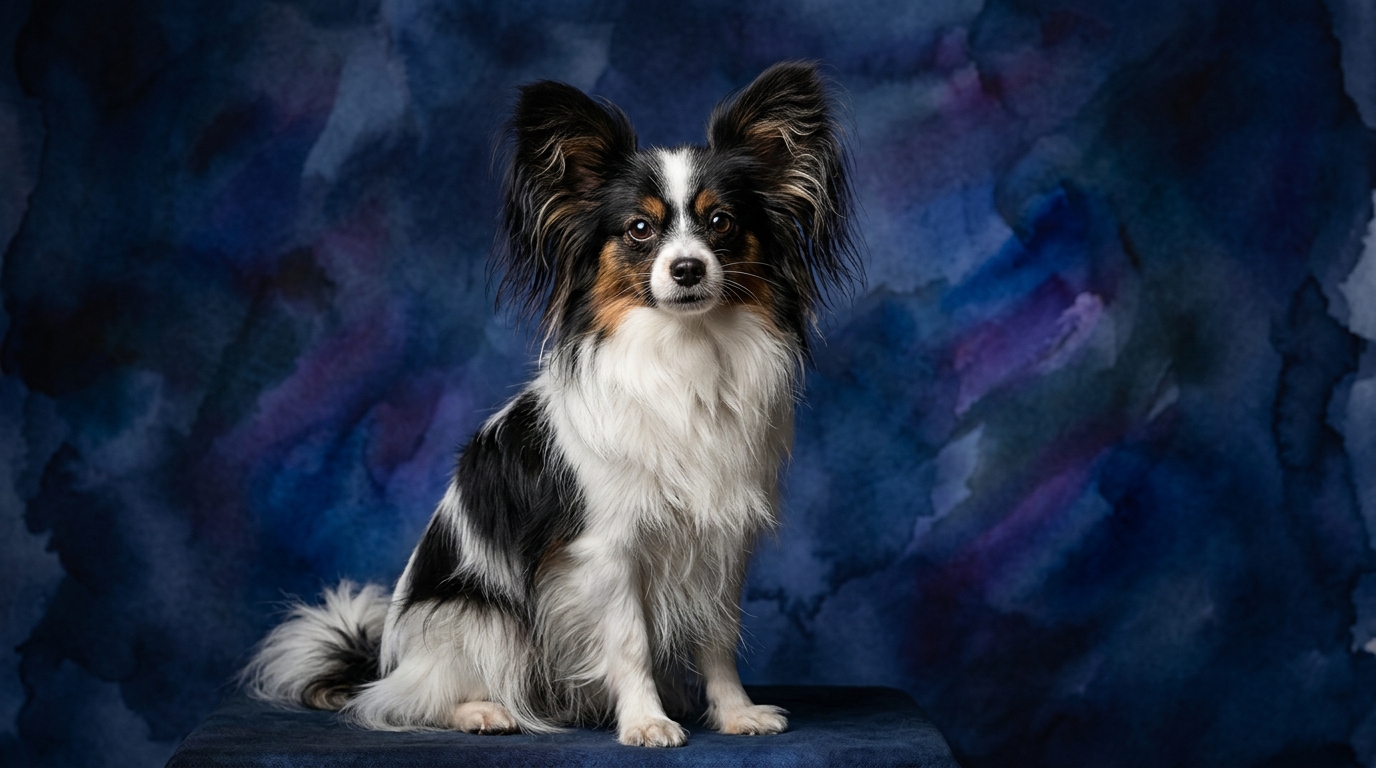
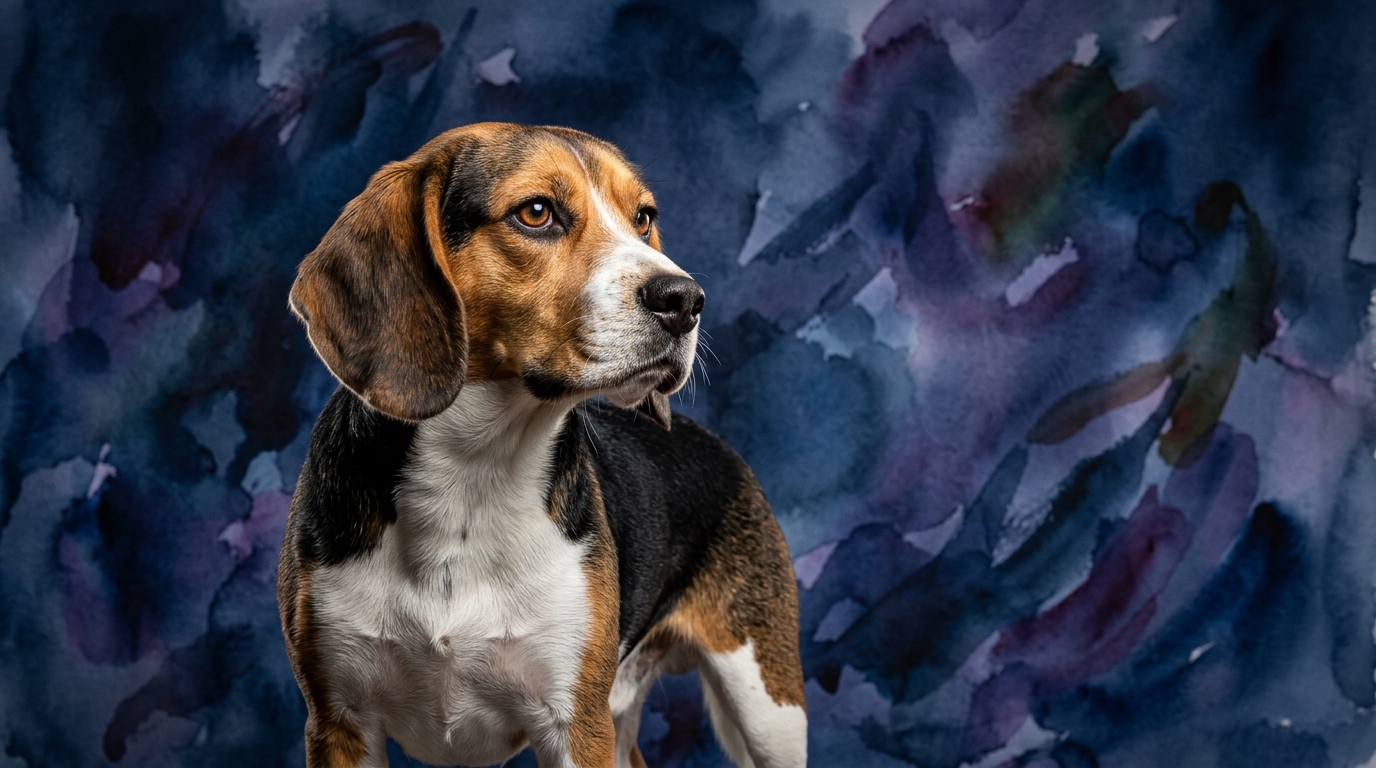
Side-by-Side IQ Profile
The Papillon, a Toy breed with a Coren rank of #8, demonstrates remarkable cognitive agility across several dimensions. Their Problem Solving is rated 5/5, indicating an exceptional capacity to navigate novel challenges and understand complex tasks quickly. Training Speed also scores 5/5, reflecting their rapid command acquisition and eagerness to engage. Their Social Intelligence stands at 4/5, showing a keen awareness of human emotions and adaptable social behaviors, while their Instinctive Drive is a moderate 3/5, meaning they are less swayed by primal urges. Finally, their Memory is an outstanding 5/5, ensuring excellent retention of learned behaviors.
In contrast, the Beagle, a Hound breed with a Coren rank of #72, exhibits a different set of cognitive priorities. Their Problem Solving is 4/5, often channeled through their powerful sense of smell. Training Speed is 2/5, indicating a slower pace for command acquisition, frequently due to distractions. Social Intelligence is 3/5; while friendly, their focus is often external, driven by scents rather than subtle human cues. Their Instinctive Drive is an unparalleled 5/5, making them relentless scent trackers. Their Memory is 4/5, particularly strong for scent trails and routes, though less so for abstract obedience commands.
Where Papillon Wins Cognitively
The Papillon's cognitive strengths shine particularly bright in areas demanding abstract thought and rapid learning, earning them their Coren rank of #8. Their problem-solving score of 5/5 indicates an exceptional ability to analyze situations and devise solutions quickly, a trait evident in their proficiency with complex puzzle toys or agility courses. This cognitive flexibility allows them to adapt to new situations with remarkable ease, often anticipating human intentions or environmental changes before they fully unfold.
Furthermore, the Papillon's 5/5 training speed and 5/5 memory combine to create a highly receptive and retentive learner. They not only grasp new commands with impressive swiftness but also commit them to long-term memory, requiring fewer refreshers. This cognitive pairing makes them ideal candidates for intricate obedience routines, therapy work, or even learning multiple languages of commands, showcasing a robust capacity for intellectual engagement and sustained learning.
Where Beagle Wins Cognitively
Conversely, the Beagle's cognitive prowess is deeply rooted in its ancient purpose as a scent hound, reflected in its perfect 5/5 instinctive drive. Their problem-solving, while rated 4/5, is largely channeled through their olfactory capabilities, excelling at tasks like scent detection or navigating complex outdoor environments by following a trail. This specialized intelligence allows them to unravel intricate scent puzzles that would be invisible to other breeds, demonstrating a unique form of environmental mastery.
The Beagle's memory, rated 4/5, is particularly acute for retaining scent information and spatial routes associated with interesting smells. While their training speed is lower at 2/5 due to distractions, once a task aligns with their innate drive—such as tracking—their ability to recall and execute complex, instinct-driven sequences is formidable. This breed's genius lies in its unwavering dedication to its primary sense, making them unparalleled in fields requiring focused, persistent sensory exploration.
Which Is Easier to Train and Why
When evaluating ease of training, the Papillon stands out as the more straightforward student, primarily due to its 5/5 training speed and 5/5 memory. They possess an inherent desire to please their human companions and exhibit a strong focus during learning sessions. This combination means Papillons typically pick up new commands quickly, often in just a few repetitions, and retain that knowledge reliably over time. Their moderate instinctive drive (3/5) also means they are less likely to be distracted by environmental stimuli, allowing them to concentrate on the task at hand.
The Beagle, with its 2/5 training speed and dominant 5/5 instinctive drive, presents a greater challenge in traditional obedience training. Their nose is their world, and a compelling scent can easily override any command, making sustained attention difficult. While they are not incapable of learning, their training requires immense patience, consistency, and a deep understanding of their innate motivations. Owners must employ highly engaging, reward-based methods and often need to train in environments free of tempting olfactory distractions to achieve consistent results, as their memory (4/5) is excellent but often prioritized for scent-related information.
Which Suits Active Owners vs Relaxed Owners
The Papillon, while a small breed, suits owners who enjoy active engagement and mental stimulation. Their high problem-solving (5/5) and social intelligence (4/5) mean they thrive on interactive play, learning new tricks, and participating in dog sports like agility or rally obedience. They are adaptable enough for relaxed evenings, but their cognitive needs demand daily mental exercise to prevent boredom and ensure a well-adjusted companion. A Papillon will eagerly participate in training sessions or puzzle games, making them a fit for those who enjoy structured interaction.
The Beagle, conversely, requires a specific type of active owner who can accommodate its profound instinctive drive (5/5). These hounds need ample opportunities for scent work, long walks where they can explore with their nose, or participation in activities like tracking or field trials. A relaxed owner who cannot provide outlets for their strong drive may find their Beagle resorting to less desirable behaviors, such as incessant baying or destructive chewing, born of unfulfilled instinct. While affectionate, their need for sensory exploration makes them less suited for purely sedentary lifestyles and more for those who enjoy the great outdoors and can manage a dog with a powerful, independent nose.
The Verdict
The Papillon is an exceptional choice for those seeking a highly trainable, intellectually keen companion eager to learn and deeply connect on a social level, thriving in environments rich with mental stimulation.
The Beagle, with its unparalleled olfactory abilities and unwavering instinctive drive, is best suited for active individuals or families who embrace outdoor adventures and are prepared to engage with a dog whose world is primarily defined by scent exploration.
🧠 Find Your Pet's IQ Score
Our Pet IQ Lab assessment covers 25+ tests across 5 cognitive dimensions — personalized to your breed.
Take the Full IQ Test →Frequently Asked Questions
Can a Beagle be trained as well as a Papillon for obedience?
While Beagles can learn obedience commands, their strong instinctive drive often makes the process slower and more challenging than with a Papillon. It requires more patience, consistency, and high-value rewards to maintain a Beagle's focus against the allure of compelling scents.
Which breed is better for apartment living, considering their intelligence?
The Papillon is generally better suited for apartment living due to its smaller size and lower instinctive drive, provided its mental stimulation needs are met through indoor games and training. A Beagle can adapt to an apartment, but its high instinctive drive necessitates consistent, dedicated outdoor time for scent exploration and physical exercise to prevent boredom.
Do Papillons and Beagles get along well with children?
Both breeds can be good with children, though their social intelligence manifests differently. Papillons often form strong, perceptive bonds, while Beagles are typically good-natured and tolerant, viewing children as part of their pack. Supervision is always recommended, especially with smaller Papillons due to their delicate build.