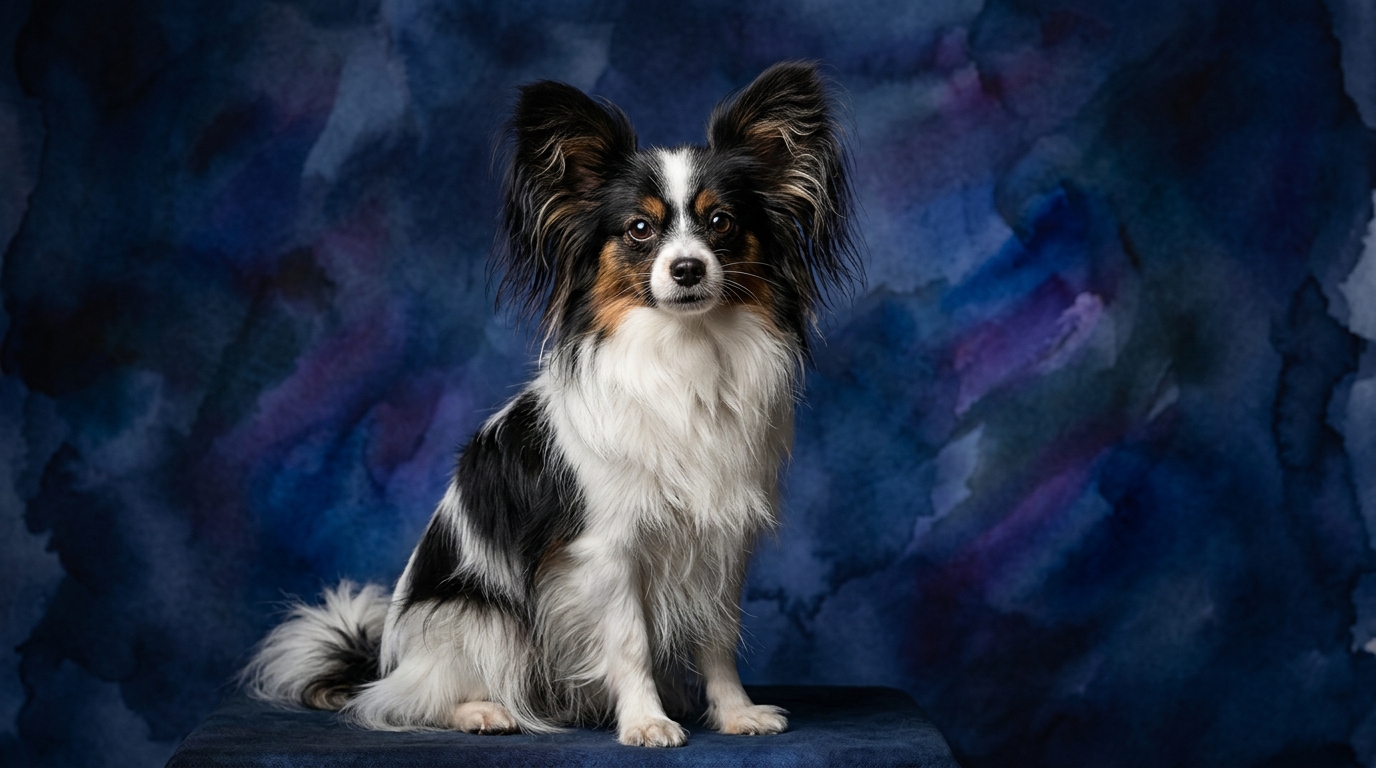
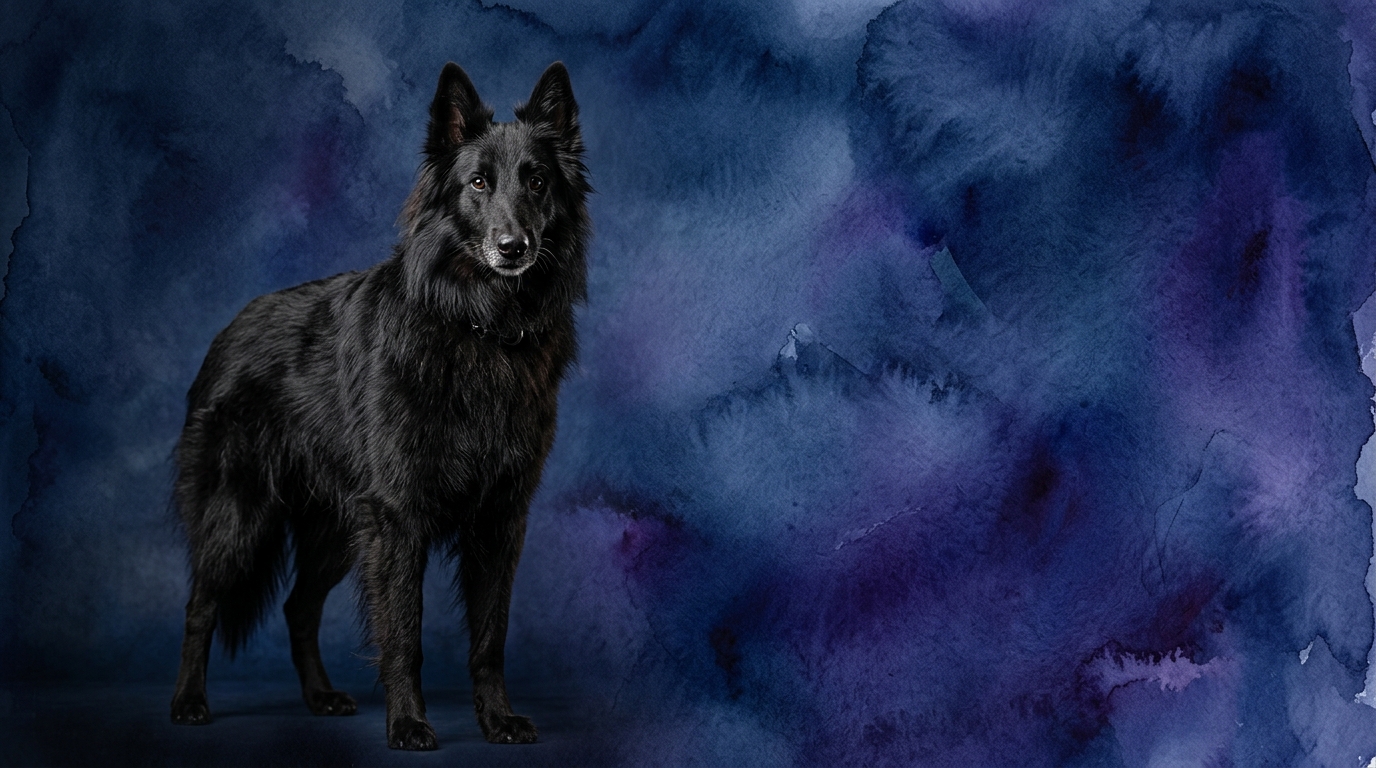
Side-by-Side IQ Profile: Papillon vs. Groenendael
The Cosmic Pet Pet IQ Lab employs a five-dimensional framework to assess canine intelligence, offering a nuanced perspective beyond simple obedience. Here’s how the Papillon and Belgian Sheepdog (Groenendael) measure up in detail, based on their Coren ranks and specific cognitive scores:
**Papillon (Coren rank #8):** This "butterfly dog" is not just pretty; it’s a brilliant thinker.
* **Problem Solving (5/5):** Papillons exhibit a remarkable capacity to navigate novel challenges and devise effective solutions. They often demonstrate ingenuity in achieving goals, such as meticulously figuring out complex puzzle toys, strategically bypassing obstacles, or even learning to open various latches and cabinets through observation and trial-and-error. Their small size often means their problem-solving involves intricate manipulation and spatial reasoning on a micro-scale.
* **Training Speed (5/5):** Papillons absorb new commands and routines with exceptional rapidity. They frequently master new cues, from basic obedience to intricate trick sequences, in just a few repetitions, making them extraordinarily responsive to consistent and positive instruction. Their eagerness to engage and learn contributes significantly to this speed.
* **Social Intelligence (4/5):** Their perceptive nature allows them to keenly read human emotions and intentions, adapting their behavior to social cues with impressive accuracy. While deeply bonded with their family, they generally display a charming openness and adaptability in new social situations, often making friends easily, though they might be initially reserved with complete strangers.
* **Instinctive Drive (3/5):** While they possess an inherent curiosity and playful energy, their instinctive drives, such as strong herding or guarding behaviors, are moderate. This often manifests as playful chasing of toys or a general alertness, rather than intense, task-oriented behaviors that require redirection. They are more companion-oriented than driven by ancient working roles.
* **Memory (5/5):** Papillons retain learned behaviors and past experiences with impressive fidelity. They can recall complex sequences of commands, remember the location of hidden objects over long periods, and recognize people and places even after extended absences, making them consistent and reliable companions.
**Belgian Sheepdog (Groenendael) (Coren rank #15):** The elegant Groenendael is a working breed through and through, with a formidable intellect.
* **Problem Solving (5/5):** Groenendaels display an equally strong aptitude for problem-solving, often approaching tasks with a methodical yet flexible mindset. They excel in complex obedience work, intricate agility courses requiring precise navigation, and real-world scenarios demanding strategic thinking, like tracking or protection work. Their solutions often involve physical strength and endurance alongside mental acuity.
* **Training Speed (5/5):** They learn new tasks and commands with outstanding speed, often picking up new concepts in very few repetitions. This rapid assimilation is crucial for their historical and contemporary roles in demanding working disciplines, where precision and quick understanding are paramount. They thrive on structured learning environments.
* **Social Intelligence (3/5):** While capable of forming deep, unwavering bonds with their immediate family, Groenendaels tend to be more discerning and reserved around unfamiliar people or situations. They require extensive and careful socialization from a young age to foster appropriate and confident interactions, otherwise, they can be aloof or wary of strangers.
* **Instinctive Drive (3/5):** Their herding heritage provides a foundational drive for attentiveness, a desire to work, and a natural watchfulness. In a domestic setting, this drive is typically expressed as a strong engagement with their human companions, an eagerness for tasks, and a protective instinct, rather than an overwhelming need to herd livestock. This drive needs an outlet.
* **Memory (5/5):** Groenendaels possess excellent long-term memory, retaining extensive repertoires of commands, routines, and experiences. This superior recall makes them exceptionally consistent and reliable performers once a skill is learned, capable of remembering complex sequences or instructions over extended periods.
Where the Papillon Wins Cognitively
The Papillon's slight but significant edge in social intelligence (4/5 versus the Groenendael's 3/5) suggests a more immediate and universally adaptable demeanor in varied social settings. While both breeds are adept at reading their primary human companions and forming deep attachments, the Papillon often demonstrates a quicker comfort level and more overt, charming engagement with a broader range of people, making them potentially more gracious and less demanding in diverse social interactions. Their inherent openness can translate into easier integration into multi-pet households or frequent social outings without the same level of initial wariness a Groenendael might display. Their problem-solving, though rated identically, often involves manipulating smaller objects or navigating confined spaces with a delicate precision, a different application of their 5/5 rating compared to a larger breed's more robust approach.
Where the Belgian Sheepdog (Groenendael) Wins Cognitively
Despite identical scores in problem-solving, training speed, and memory, the Groenendael's larger physical presence and historical working background imply a different scale and intensity of these cognitive strengths. Their problem-solving (5/5) often manifests in tasks requiring sustained focus, physical endurance, and strategic thinking in dynamic environments, such as navigating complex agility courses with speed and precision, or performing intricate protection work where discernment and strength combine. Their training speed (5/5) is paired with a capacity for intricate, multi-step commands and long sequences, essential for advanced obedience, tracking, or working trials, where the consequences of error are often higher and the tasks are physically demanding. This breed's protective instincts, even if rated 3/5 for general instinctive drive, are more pronounced and directed than a Papillon's, requiring a keen discernment of threats and a focused, assertive application of their cognitive abilities to secure their perceived territory or family, a trait that requires careful, consistent guidance.
Which is Easier to Train and Why?
Both breeds achieve a perfect 5/5 in training speed, indicating they absorb new information with exceptional quickness. However, the overall "ease" of the training experience can differ significantly due to their distinct social intelligence and instinctive drives. A Papillon's higher social intelligence means they are generally more eager to please, less likely to be distracted by external stimuli, and quicker to accept new people, including trainers. This often makes initial training phases smoother and less prone to resistance, as they intrinsically seek to engage and cooperate. Their moderate instinctive drive means fewer inherent behaviors, such as intense herding or guarding, that require extensive redirection or management. In contrast, while the Groenendael learns commands with remarkable rapidity, their more reserved social intelligence (3/5) means they might be more selective about who they engage with in training and can require more sustained effort to build trust and rapport with new handlers or in novel environments. Their protective nature, even if moderate, means they might be more prone to vigilance or guarding behaviors that demand focused redirection, extensive early socialization, and consistent boundary setting to manage effectively, adding layers to the training process beyond just command acquisition. Their intensity requires a trainer who can match their mental fortitude.
Which Suits Active Owners vs. Relaxed Owners?
Both breeds benefit immensely from active engagement, but their ideal activity types and intensity levels diverge considerably. The Papillon, while energetic and athletic, suits owners who enjoy varied, mentally stimulating activities like dog sports (agility, flyball, rally), trick training, or extended walks in diverse environments. They can also thrive with a more relaxed owner who consistently provides indoor mental challenges through puzzle toys and interactive games, combined with regular, moderate outdoor exercise. Their smaller size makes them highly adaptable to apartment living, provided their minds are kept busy and they receive sufficient interaction. The Groenendael, however, genuinely requires an owner dedicated to high-intensity physical exercise and consistent, demanding mental work. Their history as herding and protection dogs means they are best suited for owners who engage in daily vigorous exercise, advanced obedience, protection sports, tracking, or a variety of dog sports that challenge both their powerful bodies and sharp minds. A relaxed owner who cannot consistently meet these substantial physical and cognitive needs would likely find a Groenendael to be restless, anxious, and potentially destructive, as their unspent energy and cognitive capacity can lead to unwanted behaviors like excessive barking, chewing, or nervous pacing.
The Verdict
Select the Papillon if you seek a highly trainable, socially adaptable, and perpetually engaging companion who thrives on mental games, enjoys being a constant presence, and is suitable for diverse living situations where space might be limited but intellectual stimulation and affectionate interaction are abundant.
Opt for the Groenendael if you are an experienced, active owner committed to providing extensive daily vigorous exercise, advanced, consistent training, and robust socialization for a loyal, discerning, and protective companion who excels in demanding canine activities and thrives on having a job to do.
🧠 Find Your Pet's IQ Score
Our Pet IQ Lab assessment covers 25+ tests across 5 cognitive dimensions — personalized to your breed.
Take the Full IQ Test →Frequently Asked Questions
Do Papillons shed much despite their long fur?
Papillons have a single coat that sheds moderately, typically in seasonal bursts. Regular brushing helps manage loose hair and keeps their elegant coat in good condition, minimizing the amount of loose fur around the home.
Are Belgian Sheepdogs good with children?
Belgian Sheepdogs can be excellent family dogs, forming strong bonds with children when properly socialized from a young age. Their herding instincts mean they might try to "herd" children, so supervision and training are important to ensure appropriate interactions.
What kind of mental stimulation do these breeds need?
Both breeds require significant mental stimulation to prevent boredom. Papillons enjoy puzzle toys, trick training, and agility, while Groenendaels thrive on complex obedience, protection work, and dog sports that challenge their problem-solving and focus.