Side-by-Side Cognitive Profiles
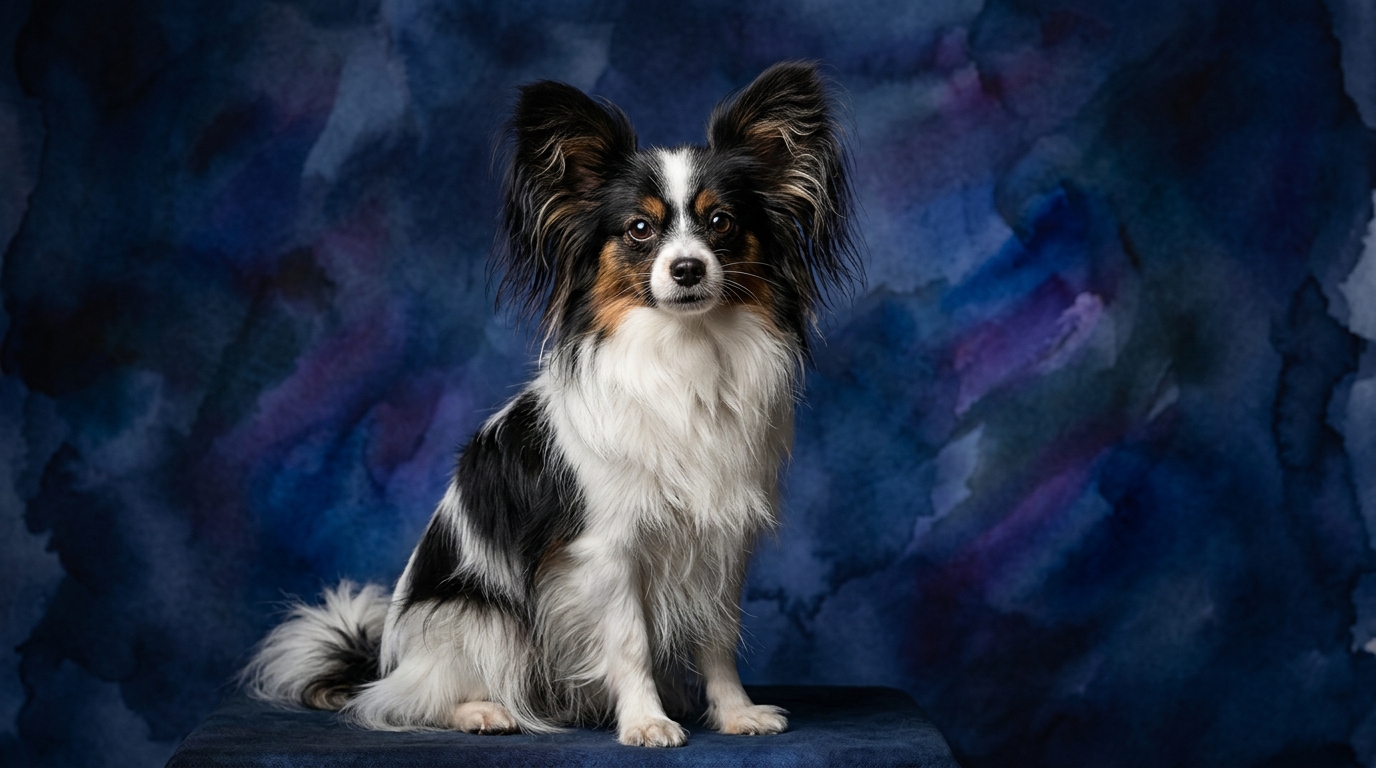
The Cosmic Pet Pet IQ Lab's framework offers a detailed look at each breed's cognitive strengths. The Papillon, ranking #8 on the Coren scale, demonstrates a versatile mind. Their problem-solving ability is rated 5/5, indicating a strong capacity for cognitive challenges, while their training speed also scores 5/5, reflecting rapid assimilation of new commands. Social intelligence at 4/5 suggests keen awareness of human cues and interactions, and their memory is a perfect 5/5. Their instinctive drive, however, is a moderate 3/5, meaning it's present but not overwhelmingly dominant.
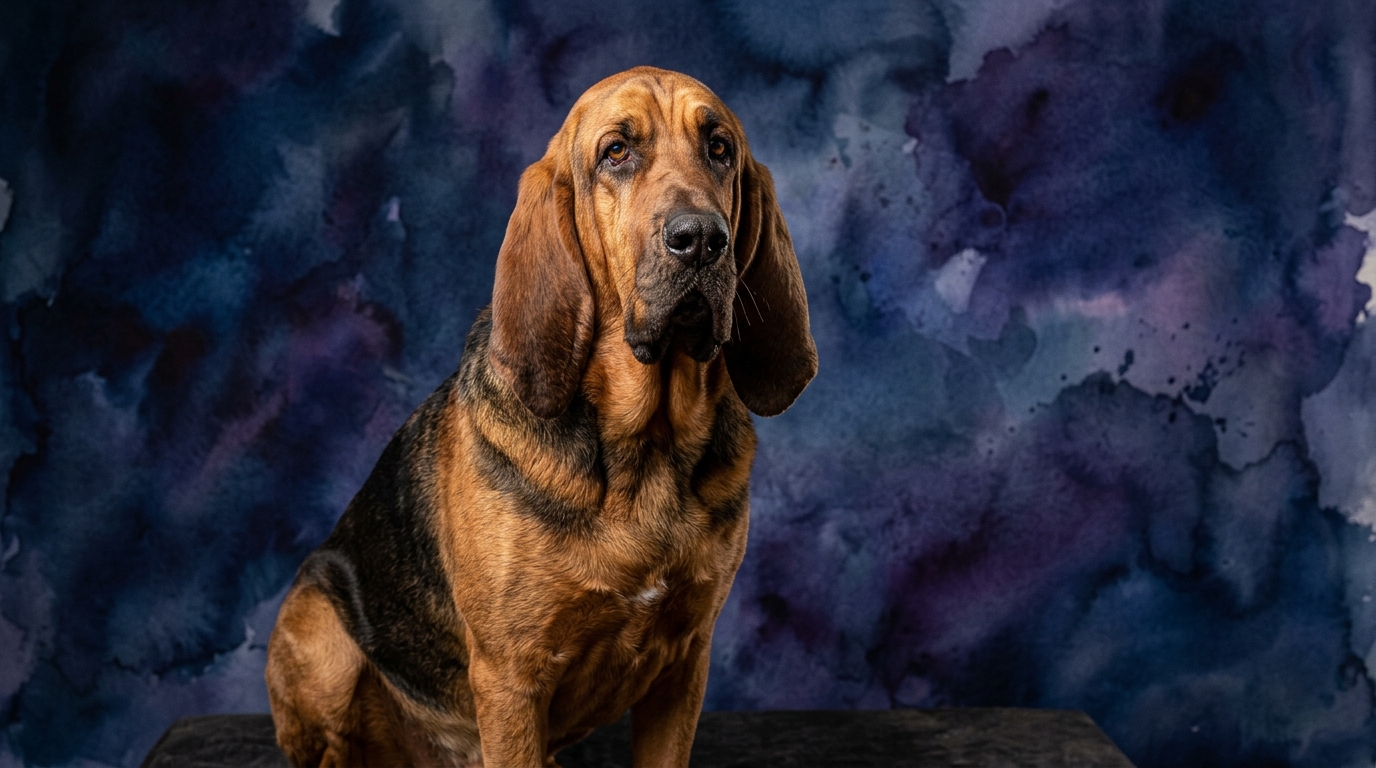
In contrast, the Bloodhound, with a Coren ranking of #74, presents a specialized cognitive blueprint. They share the Papillon's top score in problem-solving (5/5), but this is channeled primarily through their unparalleled instinctive drive, which also scores 5/5. Their memory is equally impressive at 5/5, crucial for retaining complex scent information. However, their training speed is a notably low 1/5, indicating a significant challenge in traditional obedience. Social intelligence is also lower at 2/5, suggesting a more independent focus.
Where the Papillon Excels Cognitively
The Papillon's cognitive profile highlights a breed adept at rapid learning and environmental manipulation. Their 5/5 training speed means they grasp new commands with minimal repetition, often eager to engage in interactive learning. This quick uptake, combined with a 5/5 problem-solving score, allows them to excel in complex obedience, agility, and even trick training, where they can quickly strategize to achieve desired outcomes. For example, a Papillon might quickly figure out how to open a puzzle toy or navigate a new obstacle course by observing and adapting.
Furthermore, their 4/5 social intelligence enables them to be highly attuned to human emotions and intentions. They often anticipate handler cues, making them responsive companions who thrive on interactive engagement. This social awareness, coupled with their excellent memory, means they retain not just commands but also the context and social dynamics of past interactions, fostering a strong, responsive partnership.
Where the Bloodhound Leads Cognitively
The Bloodhound's cognitive prowess is deeply specialized, centered around an extraordinary olfactory ability and unwavering persistence. Their 5/5 instinctive drive is the core of their being, manifesting as an almost singular focus on scent work. This drive isn't merely a physical attribute; it's a profound cognitive process where they analyze, interpret, and follow complex scent trails with unmatched precision. Their problem-solving score of 5/5, identical to the Papillon's, is largely dedicated to this pursuit—deducing the path of a scent, even when fragmented or ancient, requires sophisticated cognitive mapping and inference.
Their perfect 5/5 memory is equally critical, allowing them to recall specific scent profiles and spatial information over extended periods, essential for successful tracking missions. While this memory may not manifest in remembering a complex sequence of tricks, it is unparalleled in its capacity for scent retention. This deep specialization means their cognitive resources are heavily invested in their primary function, making them unparalleled in tasks requiring sustained focus on a specific sensory input.
Training Dynamics: Papillon's Eagerness vs. Bloodhound's Drive
The stark contrast in training speed (Papillon 5/5 vs. Bloodhound 1/5) defines their training experiences. Papillons generally approach training as a collaborative activity, quickly connecting actions to rewards and handler praise. Their social intelligence makes them receptive to human guidance, and their moderate instinctive drive means they are less likely to be sidetracked by environmental stimuli. A Papillon learns 'sit' or 'stay' with enthusiasm and relatively few repetitions, eager to please and earn positive reinforcement.
Bloodhounds, conversely, present a unique training challenge due to their dominant instinctive drive and lower social intelligence score. While they possess excellent problem-solving within their tracking domain, their attention is overwhelmingly drawn by scent. This translates to a need for immense patience and consistent, creative training methods that acknowledge their primary motivation. A Bloodhound might understand a command but choose to follow a scent instead, requiring handlers to work *with* their drive, perhaps integrating scent games into training, rather than expecting immediate, consistent obedience in conventional settings. Their memory ensures they retain what they learn, but their focus dictates when and how they apply it.
Lifestyle Suitability: Active Companionship vs. Focused Endeavors
For active owners seeking a highly engaged and adaptable companion, the Papillon is an ideal match. Their high training speed and problem-solving skills mean they thrive on mental stimulation through obedience, agility, or trick training. Their social intelligence makes them excellent companions for outings, social events, and travel, as they are generally responsive and keen to interact. They enjoy being central to family activities and can adapt to various living situations, provided they receive consistent mental and physical engagement.
Bloodhounds, with their profound instinctive drive, are best suited for owners who understand and can channel their unique cognitive strengths. They are not ideal for casual owners seeking a highly biddable companion for generalized activities. Instead, they flourish in environments where their tracking abilities can be utilized, such as scent work, search and rescue, or dedicated trailing. Owners must be prepared for a breed whose attention is often externalized by their nose, requiring secure environments and a commitment to their specific needs for mental fulfillment, rather than expecting them to be 'off-leash' reliable in open spaces.
The Verdict
Choose a Papillon if you seek a highly trainable, socially responsive companion eager for diverse mental challenges and close interaction.
Opt for a Bloodhound if you are a dedicated owner prepared to channel a powerful instinctive drive into specialized scent work, valuing their unique tracking prowess above traditional obedience.
🧠 Find Your Pet's IQ Score
Our Pet IQ Lab assessment covers 25+ tests across 5 cognitive dimensions — personalized to your breed.
Take the Full IQ Test →Frequently Asked Questions
Do Papillons get bored easily?
Yes, Papillons, with their high problem-solving and training speed, benefit significantly from consistent mental engagement. Without adequate mental stimulation, they can become bored, potentially leading to undesirable behaviors.
Can Bloodhounds be trained for general obedience?
While Bloodhounds can learn basic commands, their low training speed and overwhelming instinctive drive mean general obedience requires immense patience and creative, highly motivating methods. Their focus often defaults to scent, making consistent recall challenging.
Which breed is better for first-time dog owners?
The Papillon is generally more suitable for first-time dog owners due to their high trainability, social responsiveness, and adaptability. Bloodhounds require a more experienced owner who understands and can manage their profound specialized instincts.