Side-by-Side Cognitive Profiles
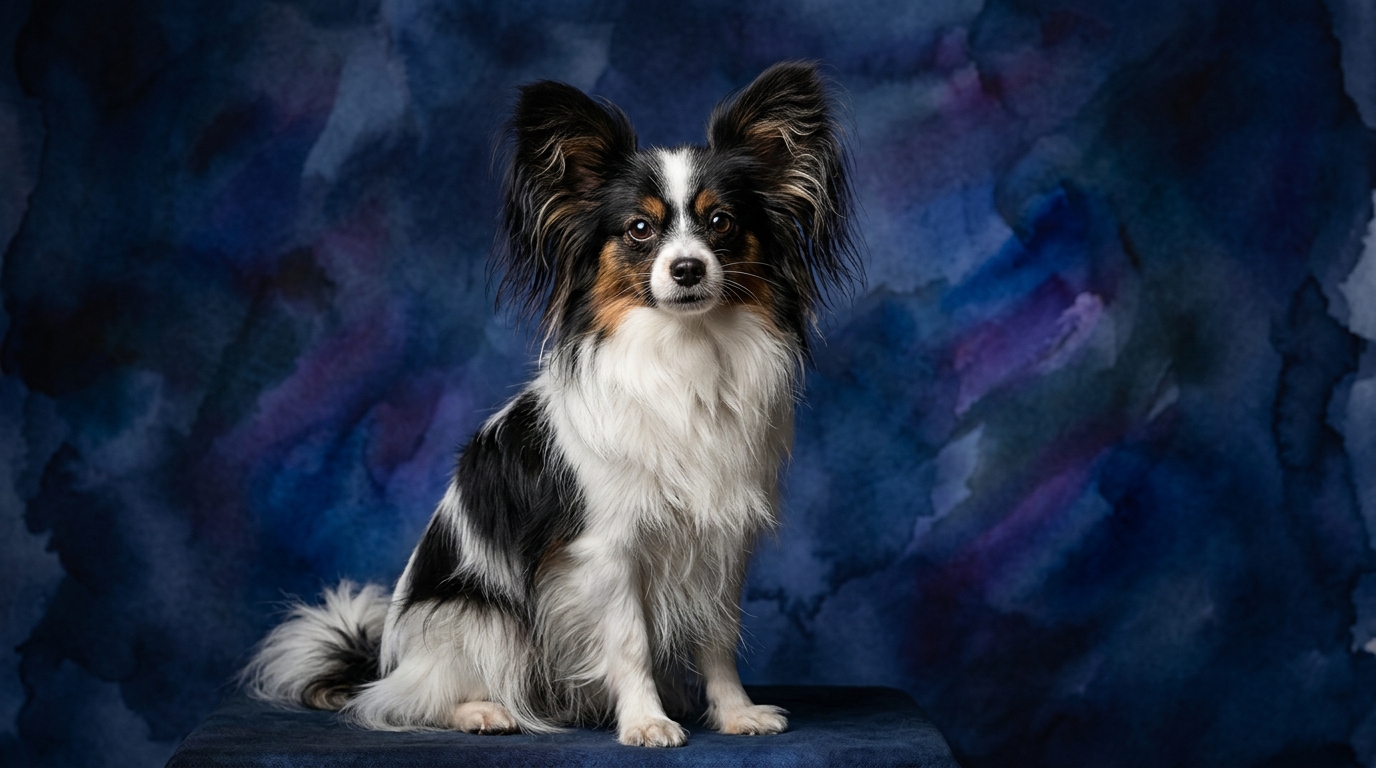
The Cosmic Pet Pet IQ Lab offers a nuanced perspective on canine cognition, breaking down intelligence into five key dimensions. For the Papillon, a breed often underestimated due to its size, these metrics paint a picture of impressive mental agility. Their Problem Solving is rated a perfect 5/5, indicating an exceptional aptitude for navigating novel situations and figuring out complex tasks. This cognitive flexibility allows them to quickly grasp cause-and-effect relationships, making them adept at puzzle toys or finding creative solutions to reach desired objects. Training Speed also scores 5/5, reflecting their remarkable capacity for rapid learning; they typically absorb new commands and routines with very few repetitions, often demonstrating understanding after just one or two sessions, which speaks to their focus and eagerness to engage. Social Intelligence stands at 4/5, meaning Papillons generally show a strong ability to interpret human cues, including subtle body language and vocal inflections, fostering deep bonds and responsive partnerships. Their Instinctive Drive is a moderate 3/5, often manifesting as curiosity or a desire to chase small moving objects, which is typically manageable. Finally, their Memory is a stellar 5/5, contributing significantly to their training retention and ability to navigate familiar environments with ease.
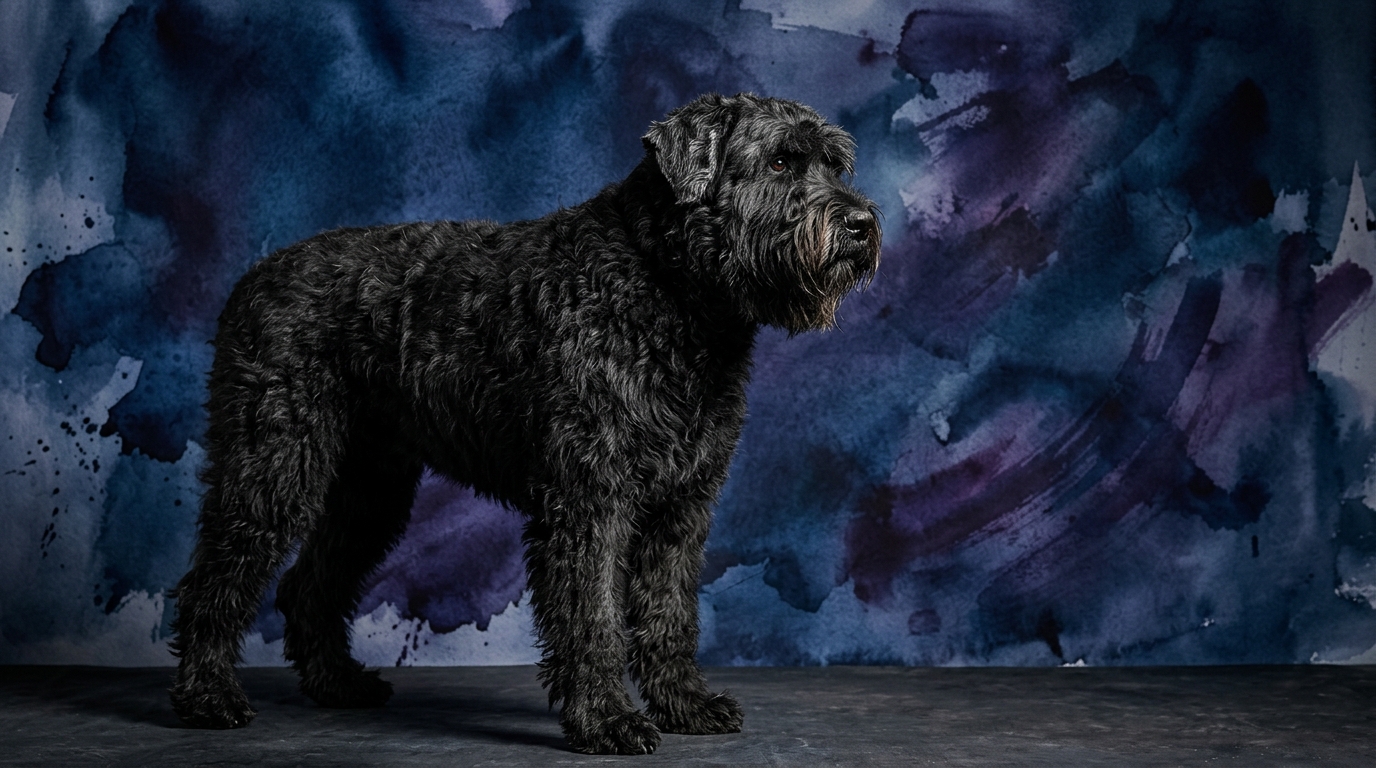
In contrast, the Bouvier des Flandres, a powerful herding dog, presents a more deliberate and consistent cognitive profile across the board. Their Problem Solving is rated 3/5, indicating they approach tasks with a methodical pace, often preferring established routines over novel challenges and requiring more time to process complex scenarios. Training Speed, also at 3/5, suggests they learn at a steady, consistent rate, benefiting from clear, patient instruction and sufficient repetition to solidify new behaviors; once a concept is understood, it is typically retained well, though initial acquisition may not be instantaneous. Social Intelligence scores 3/5, meaning Bouviers interpret social cues adequately and form strong attachments, though their responses might be more direct and less subtly reactive than some breeds. Their Instinctive Drive, at 3/5, is rooted in their herding and droving heritage, manifesting as a desire to herd, guard, or protect, which is present but generally controllable with appropriate guidance. Lastly, their Memory is 3/5, reflecting a solid recall for learned commands and routines, particularly those reinforced consistently, contributing to their dependability once behaviors are ingrained.
Where the Papillon Excels Cognitively
The Papillon clearly demonstrates superior cognitive agility across several key dimensions, most notably in problem solving, training speed, and memory. With a perfect 5/5 in problem-solving, a Papillon will typically unravel a new puzzle feeder or strategize an escape from a playpen with striking efficiency, often experimenting with different approaches until success is achieved. This contrasts with the Bouvier's more measured 3/5, which might approach such a task with greater deliberation and potentially more trial-and-error, preferring a more structured path.
Their training speed, also rated 5/5, means Papillons often pick up new commands in just a few repetitions, making advanced obedience or trick training a fluid and rewarding experience. This rapid assimilation of information is a direct reflection of their cognitive processing speed and attentiveness. Furthermore, their 5/5 memory ensures that these learned behaviors are not fleeting; once a Papillon learns something, it tends to stick, making retraining rare and reinforcing consistent responses over time. This robust recall extends to remembering specific people, places, and even sequences of events, contributing to their adaptable nature in various social contexts.
Cognitive Strengths of the Bouvier des Flandres
While the Bouvier des Flandres may not exhibit the same rapid cognitive processing as the Papillon, its cognitive profile, particularly its instinctive drive (3/5), aligns with a different kind of working intelligence. This drive, rooted in its herding heritage, translates into a steady, persistent focus on tasks requiring endurance and purpose, such as advanced obedience, protection work, or livestock management. Unlike the Papillon's more generalized curiosity, the Bouvier's drive is often directed towards a clear objective, making them dependable partners in roles demanding sustained effort rather than quick, complex problem-solving.
Furthermore, the Bouvier's social intelligence (3/5) and memory (3/5), while not scoring as high as the Papillon, contribute to a stable and predictable temperament. Their ability to interpret human cues, coupled with a reliable memory for routines, fosters a sense of steadfast companionship and a predictable response to commands once ingrained. This consistency is a hallmark of their cognitive makeup, making them a reliable presence in structured environments where constancy is valued over spontaneous brilliance. Their deliberate approach often means fewer impulsive decisions, contributing to their formidable presence and steady demeanor in various scenarios.
Ease of Training: Papillon vs. Bouvier
Based on their respective IQ profiles, the Papillon is unequivocally easier to train for a broad spectrum of tasks, particularly those requiring quick understanding and retention. Their 5/5 training speed means they grasp new commands, tricks, and routines with minimal repetition, often appearing to anticipate what's expected. This rapid assimilation stems from their acute observational skills and desire to engage, making early socialization and basic obedience a swift and rewarding process. For instance, teaching a Papillon to 'stay' or 'come' can often be achieved in a handful of short sessions, as they quickly connect the verbal cue with the desired action and the associated reward.
In contrast, the Bouvier des Flandres, with a training speed of 3/5, requires a more patient and consistent approach. While certainly trainable and capable of advanced work, they benefit from structured, repetitive sessions where concepts are thoroughly reinforced. A Bouvier might take more repetitions to solidify a new behavior, but once learned, it is typically deeply ingrained and reliably executed. Their problem-solving at 3/5 suggests they might take longer to generalize a command to new environments or situations, requiring more varied practice. For an owner, this translates to a need for greater patience and consistency, understanding that while the Bouvier will get there, it will be at a more measured pace, reflecting their deliberate cognitive processing rather than a lack of capacity for learning.
Matching Breeds to Owner Lifestyles
For active owners seeking a dynamic and highly interactive canine companion, the Papillon often presents an ideal match. Their perfect 5/5 problem-solving and training speed make them excellent candidates for dog sports such as agility, flyball, or advanced obedience, where quick thinking and rapid execution are paramount. These activities provide the mental stimulation their agile minds crave, preventing boredom and channeling their energetic curiosity into productive outlets. Their 4/5 social intelligence means they are often highly attuned to their handler's cues, thriving on the partnership inherent in competitive disciplines. An active owner will appreciate a Papillon's eagerness to learn new tricks and their capacity to adapt quickly to new environments and challenges during outdoor adventures or travel.
Conversely, the Bouvier des Flandres is better suited for owners who appreciate a steadfast, purposeful companion, perhaps with a more structured and predictable lifestyle, rather than a constantly on-the-go adventure seeker. While they possess a moderate instinctive drive (3/5) that necessitates regular physical exercise and mental engagement, their more deliberate problem-solving and training speed (both 3/5) mean they might not excel in fast-paced, high-repetition activities in the same way. Their strength lies in their steady focus and resilience, making them excellent for tasks requiring endurance, consistency, and a watchful nature, such as long hikes, scent work, or even protection sports. Owners who enjoy a routine, patient training, and a loyal, protective presence will find the Bouvier's cognitive makeup aligns well with their lifestyle, favoring a calm, confident presence over perpetual vivacity.
The Verdict
Choose a Papillon if you seek a highly adaptable, rapidly learning companion for advanced obedience, dog sports, or a vivid presence that thrives on nuanced interaction and intellectual challenges within a smaller package.
Opt for a Bouvier des Flandres if you desire a steadfast, purposeful, and protective companion, valuing consistency, deliberate learning, and a robust presence for structured activities and dependable guardianship.
🧠 Find Your Pet's IQ Score
Our Pet IQ Lab assessment covers 25+ tests across 5 cognitive dimensions — personalized to your breed.
Take the Full IQ Test →Frequently Asked Questions
Does a Papillon's high cognitive ability mean they are difficult to manage?
Not necessarily; their high problem-solving and training speed mean they learn quickly, both good and undesirable behaviors. Consistent, positive reinforcement training from an early age is crucial to channel their mental energy constructively and prevent boredom-induced mischief effectively.
Is a Bouvier des Flandres a good choice for a first-time dog owner?
A Bouvier can be a good choice for a dedicated first-time owner willing to invest time in consistent training and socialization. Their deliberate learning style means patience is key, and their strong herding instincts require clear guidance and firm, fair leadership to manage effectively and responsibly.
How do their social intelligence scores impact their interactions with people and other pets?
The Papillon's 4/5 social intelligence suggests they are generally more attuned to human emotions and subtle cues, often adapting quickly to new social situations with proper introduction. The Bouvier's 3/5 social intelligence indicates they are capable of forming strong bonds but might be more reserved or require more measured introductions to strangers or other animals, valuing established trust and consistency.