Side-by-Side IQ Profile: Papillon vs. Cavalier King Charles Spaniel
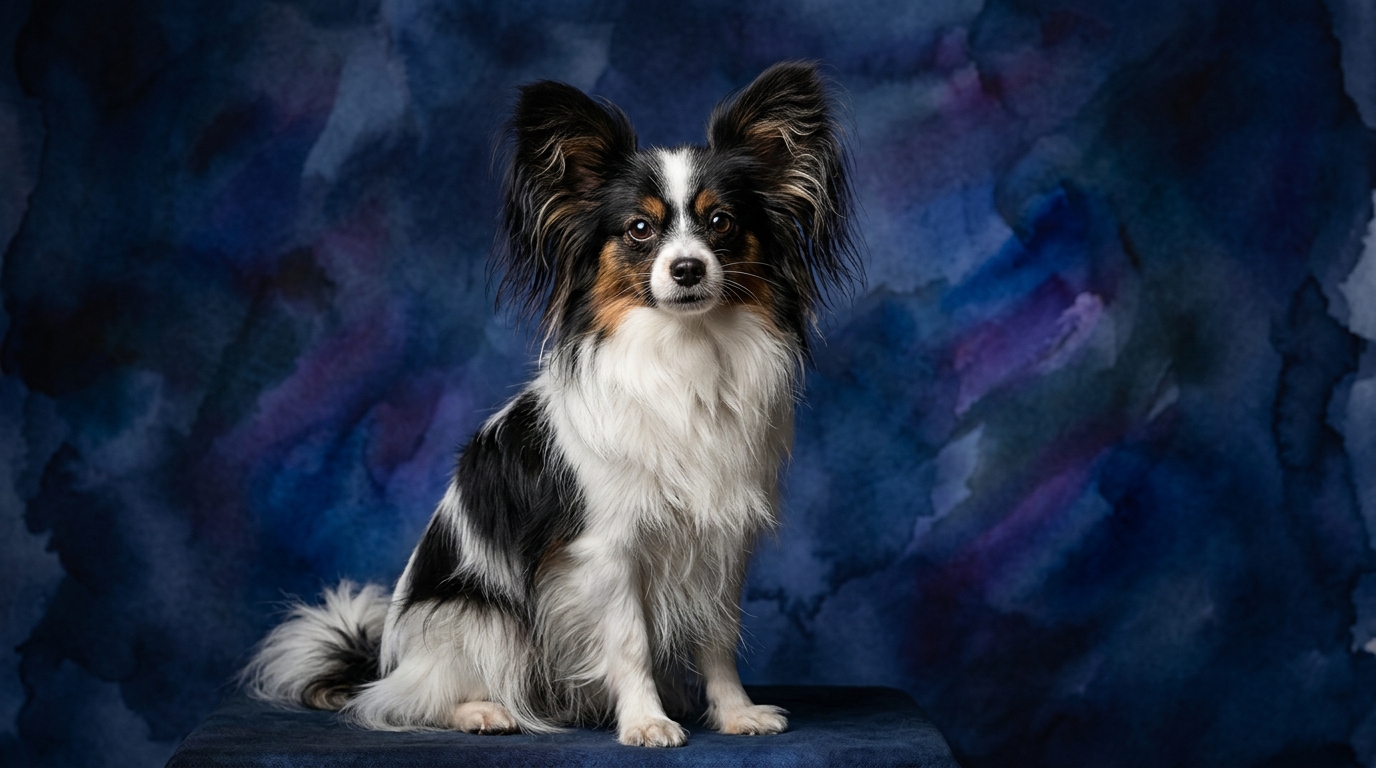
The Papillon, a breed often noted for its sprightly demeanor, holds an impressive Coren rank of #8, placing it among the top echelons for working and obedience intelligence. Its Problem Solving score of 5/5 indicates an exceptional capacity to navigate complex scenarios, figure out novel tasks, and adapt to new environments with remarkable independence. Complementing this is a Training Speed of 5/5, signifying a dog that grasps new commands and routines with astonishing rapidity, often requiring only a handful of repetitions before mastery. Their Social Intelligence, rated at 4/5, suggests a strong ability to interpret human cues and social dynamics, though perhaps with a slightly more independent bent than some purely companion breeds. An Instinctive Drive of 3/5 confirms that while they possess some inherent drives, these are not the primary drivers of their cognitive function. Crucially, their Memory score of 5/5 means learned behaviors, intricate commands, and past experiences are retained over extended periods, contributing significantly to their trainability and adaptability.
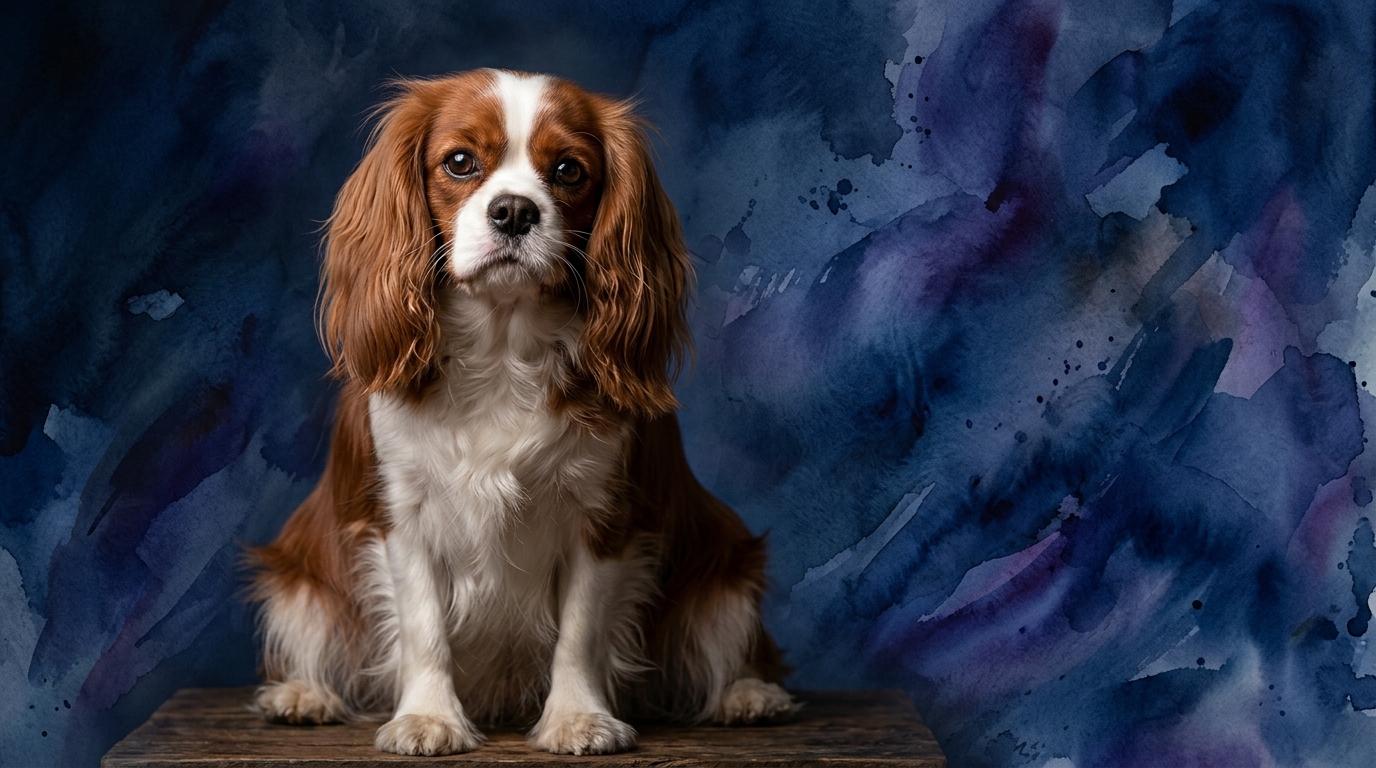
In contrast, the Cavalier King Charles Spaniel, celebrated for its gentle and charming disposition, carries a Coren rank of #44, indicating a solid, above-average working and obedience intelligence. Its Problem Solving ability, rated at 3/5, demonstrates competence in handling straightforward challenges, yet complex or abstract problems might necessitate more guidance and persistence. The Cavalier's Training Speed also sits at 3/5, meaning they learn new commands at a steady, consistent pace, responding best to positive reinforcement and clear, repetitive instruction. Where the Cavalier truly shines is in Social Intelligence, scoring a perfect 5/5. This reflects an extraordinary capacity to perceive and respond to human emotions, motivations, and social nuances, making them profoundly empathetic companions. Like the Papillon, their Instinctive Drive is a moderate 3/5, suggesting their cognitive strengths lie elsewhere. Their Memory score of 3/5 indicates a reliable recall for familiar routines and established commands, though new information might take more dedicated time to solidify compared to breeds with higher memory scores.
Where the Papillon Wins Cognitively
The Papillon's cognitive strengths distinctly outshine the Cavalier in areas demanding rapid intellectual processing and independent problem-solving. With a perfect 5/5 in Problem Solving, Papillons excel at tasks requiring analytical thought, strategic planning, and quick adaptation. For instance, they can swiftly decipher the mechanics of intricate puzzle toys, navigate complex agility courses with minimal instruction, or independently devise solutions to reach a desired object. Their 5/5 Training Speed means they absorb and integrate new information at an accelerated rate, making them prime candidates for advanced obedience, rally, or freestyle routines where a wide repertoire of commands is expected. Furthermore, their 5/5 Memory ensures that once a concept or command is learned, it is deeply ingrained, allowing for consistent performance even after long breaks. This combination of cognitive speed, depth of understanding, and retention positions the Papillon as a true intellectual athlete among companion breeds, always ready for a mental challenge.
Where the Cavalier King Charles Spaniel Wins Cognitively
While the Papillon excels in intellectual agility, the Cavalier King Charles Spaniel's cognitive brilliance resides in a profoundly different, yet equally valuable, domain: social intelligence. With a perfect 5/5 in this category, Cavaliers possess an unparalleled ability to read and respond to human emotions, subtle body language, and social cues. This isn't merely about being "friendly"; it's a sophisticated cognitive processing that allows them to intuit their owner's mood, offer comfort during distress, or subtly adjust their behavior to maintain harmony within the household, often without explicit instruction. Their empathetic nature makes them exceptional therapy and emotional support dogs, capable of forming deep, intuitive bonds that transcend simple companionship. While they may not be solving complex puzzles as quickly as a Papillon, their cognitive resources are heavily invested in understanding and nurturing human-animal relationships, making them masters of emotional connection and domestic integration. This social acumen is a distinct cognitive advantage for owners seeking a deeply attuned and responsive companion.
Which is Easier to Train and Why
When evaluating ease of training, the Papillon generally presents a more straightforward path due to its superior cognitive scores in key areas. Their 5/5 Training Speed means they grasp new commands and concepts with remarkable swiftness, often requiring just a few repetitions before they understand what is being asked. This rapid assimilation, coupled with a 5/5 Memory, ensures that once a behavior is learned, it is retained effectively over time, reducing the need for constant reteaching. Papillons also enjoy the mental engagement of training, viewing it as an enriching activity rather than a chore, which further motivates their participation. For instance, teaching a Papillon a complex trick like "bow" or "spin" can be achieved in short, focused sessions, and they will likely remember it weeks later.
The Cavalier King Charles Spaniel, with its 3/5 Training Speed and 3/5 Memory, is a steady learner rather than a rapid one. While they are certainly trainable, they benefit significantly from consistency, patience, and positive reinforcement. Their strong social intelligence (5/5) means they are eager to please their human companions, which is a powerful motivator in training, especially for basic obedience and good manners. However, they may require more repetitions and a longer period to solidify new commands. For example, house-training a Cavalier might take more consistent effort and time compared to a Papillon, not because they are less willing, but because their cognitive processing for procedural learning is less rapid. They thrive on gentle guidance and encouragement, and while they might not ace an agility course on the first try, their dedication to connection makes them reliable learners over time.
Which Suits Active Owners vs. Relaxed Owners
The choice between a Papillon and a Cavalier King Charles Spaniel often hinges on an owner's lifestyle and their capacity to meet specific cognitive and physical needs. For active owners who relish in mental challenges and physical engagement, the Papillon is an exceptional match. Their high problem-solving (5/5) and training speed (5/5) mean they thrive when given consistent opportunities for learning, exploration, and activity. Owners who enjoy dog sports like agility, flyball, or advanced obedience will find the Papillon a willing and adept partner, eager to learn complex sequences and execute them with precision. They require their minds to be consistently stimulated to prevent boredom, which can manifest as undesirable behaviors. A Papillon will happily accompany an owner on long walks, hikes, or even participate in canine freestyle, always ready for the next adventure or puzzle.
Conversely, the Cavalier King Charles Spaniel is ideally suited for more relaxed owners who prioritize companionship and emotional connection over intense intellectual pursuits. Their exceptional social intelligence (5/5) means their primary cognitive need is harmonious interaction and being an integral part of the family unit. While they enjoy moderate walks and play, their cognitive processing is geared towards attunement with their humans. Owners who prefer snuggling on the couch, gentle strolls, and a dog that is content to simply be near them will find the Cavalier utterly devoted. They are adaptable to various living situations, from apartments to larger homes, as long as they receive ample affection and social interaction. Their lower drive for complex mental tasks means they are less prone to frustration from a less structured or mentally demanding routine, making them perfect companions for those seeking a tranquil presence.
The Verdict
Choose a Papillon if you seek a mentally agile companion eager for challenges, dog sports, and rapid learning, thriving on intellectual engagement and consistently seeking new puzzles to solve.
Choose a Cavalier King Charles Spaniel if you desire a highly empathetic, affectionate partner whose primary cognitive strength lies in social connection and a comforting presence, adaptable to a relaxed home life and deeply attuned to your emotional state.
🧠 Find Your Pet's IQ Score
Our Pet IQ Lab assessment covers 25+ tests across 5 cognitive dimensions — personalized to your breed.
Take the Full IQ Test →Frequently Asked Questions
Can a Cavalier King Charles Spaniel learn complex tricks?
Yes, a Cavalier can learn complex tricks with consistent, patient training and positive reinforcement. While their learning speed is moderate, their strong desire to please and social intelligence motivate them to engage in training over time.
Do Papillons require a lot of mental stimulation?
Absolutely, Papillons thrive on mental stimulation due to their high problem-solving and memory scores. Engaging them with puzzle toys, learning new commands, or participating in dog sports is crucial to keep their active minds content and prevent boredom.
Is one breed better for first-time dog owners?
Both breeds can be suitable for first-time owners, but their needs differ. A Cavalier's adaptable nature and social focus might be slightly less demanding in terms of complex mental engagement, while a Papillon requires an owner ready to commit to consistent mental challenges and training.