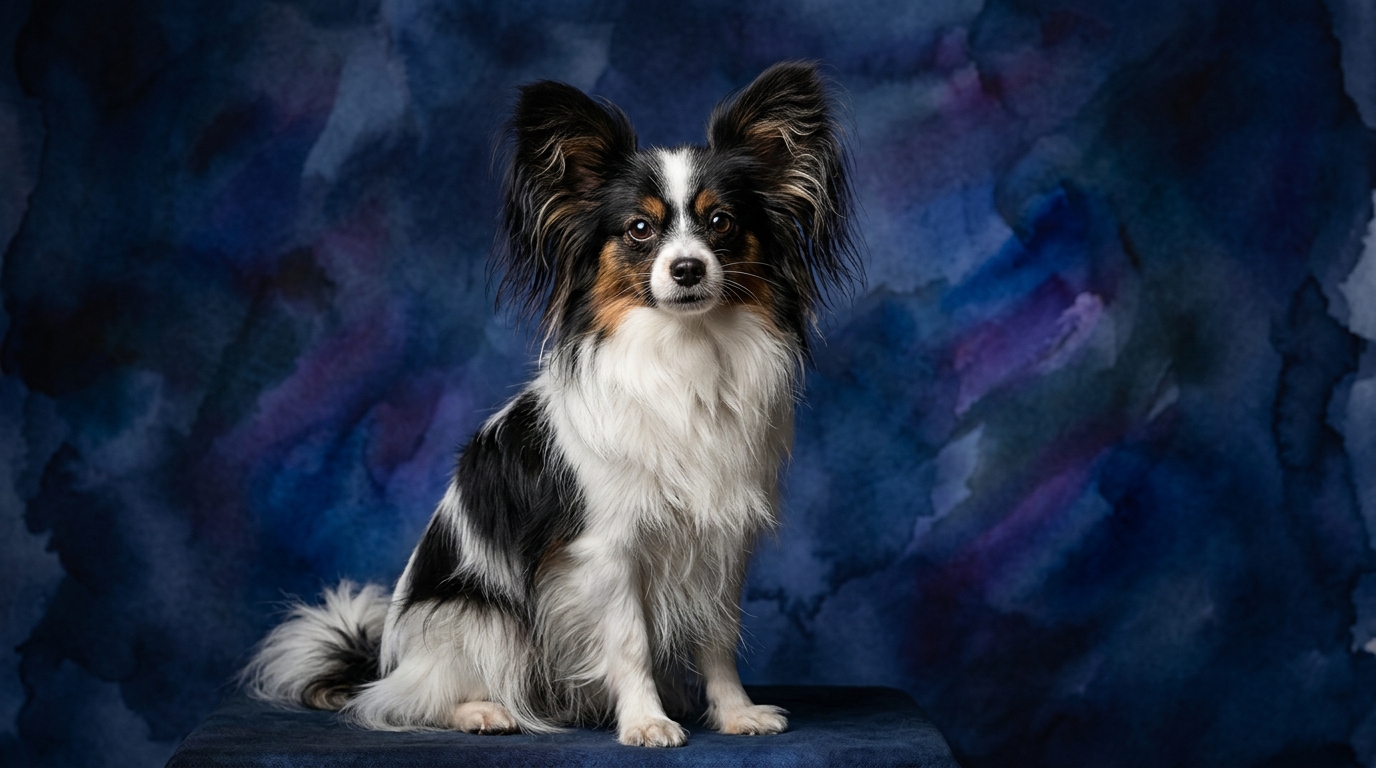
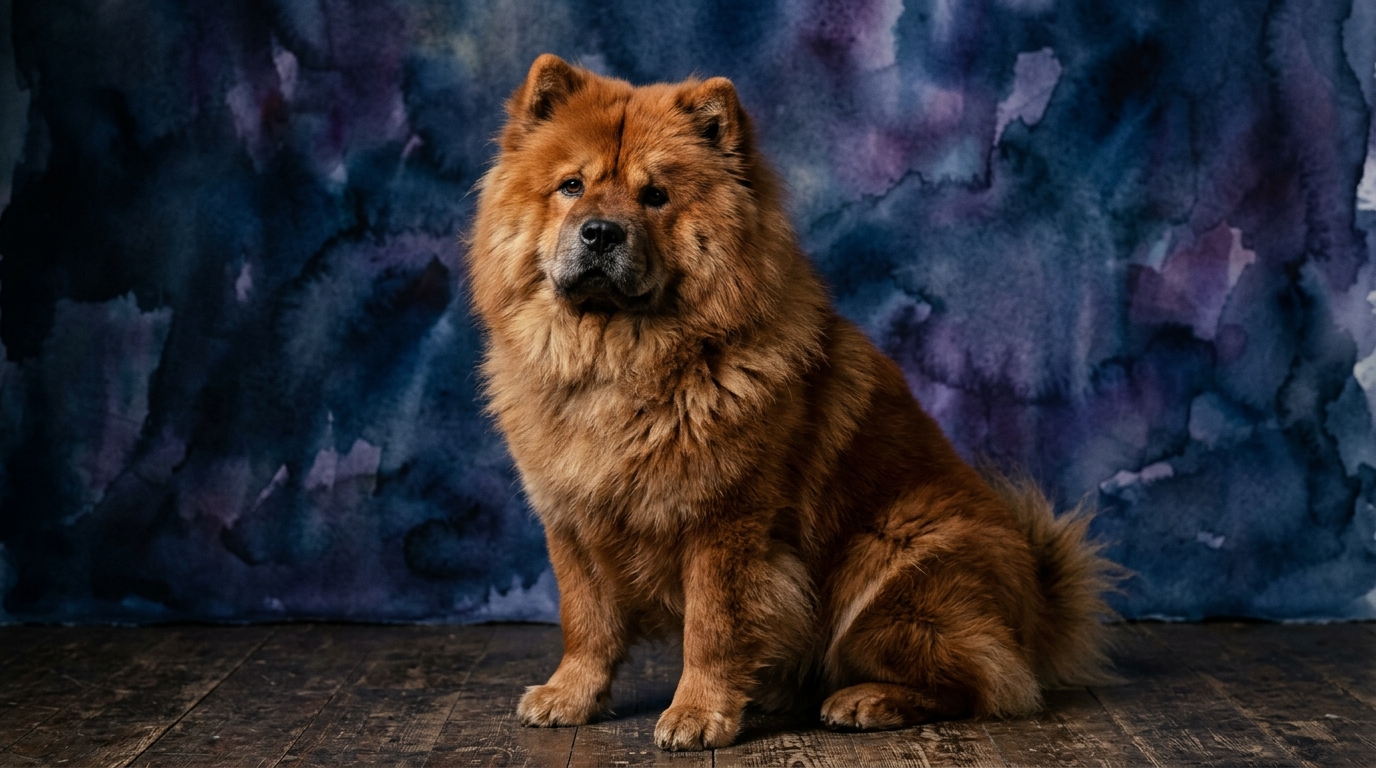
Side-by-Side IQ Profile: Papillon vs. Chow Chow
Our Cosmic Pet Pet IQ Lab framework evaluates canine cognition across five distinct dimensions, offering a nuanced perspective beyond simple 'smart' labels. Let's unpack the individual cognitive strengths and dispositions of the Papillon and the Chow Chow.
The Papillon, ranking an impressive #8 in Coren's list, exhibits a remarkable 5/5 in Problem Solving. This means they are adept at navigating novel situations, figuring out how to open gates, or solving complex interactive toys with minimal guidance. Their Training Speed also scores a perfect 5/5, indicating an exceptional capacity for rapid learning and command acquisition. In contrast, the Chow Chow, positioned at #76, shows a 3/5 in Problem Solving and Training Speed. While certainly capable of learning, their approach is often more deliberate, requiring clearer motivation and consistent repetition, and they may not independently seek out solutions to puzzles with the same enthusiasm.
Social Intelligence for the Papillon stands at a robust 4/5, reflecting their general responsiveness to human cues and their adaptable nature in various social contexts. The Chow Chow scores 3/5 in this area, indicating a more reserved and discerning social approach; they are less likely to seek out broad social interactions and typically reserve their deeper connections for a select few. Interestingly, both breeds share a 3/5 in Instinctive Drive. For the Papillon, this manifests as a moderate drive for play and occasional chase, while for the Chow Chow, it often underpins their historical role as guardians, though not translating to an overwhelming desire for constant 'work' or high-intensity tasks.
Finally, Memory is a significant differentiator. The Papillon achieves a stellar 5/5, suggesting they retain learned behaviors, routines, and past experiences with remarkable clarity, making complex sequential tasks feasible. The Chow Chow, with a 3/5 in Memory, possesses a functional memory for important events and people, but might require more consistent reinforcement for less intrinsically motivated tasks or commands to ensure long-term retention.
Where the Papillon Wins Cognitively
The Papillon's cognitive profile paints a picture of a remarkably agile and receptive mind. Their top scores in Problem Solving, Training Speed, and Memory converge to create a breed that excels in rapid skill acquisition and retention. A Papillon can master a new trick in fewer repetitions than many other breeds, often anticipating what is expected and even improvising solutions to novel challenges. This isn't merely about obedience; it's about a dog that actively processes information, makes connections, and adapts its behavior based on past experiences and environmental cues. For instance, learning a complex agility course, a Papillon will not only remember the sequence but might also adjust its approach based on a handler's subtle body language, showcasing their high Social Intelligence. Their capacity to retain vast amounts of information makes them prime candidates for advanced obedience, canine freestyle, or therapy work where nuanced understanding and recall are paramount.
Where the Chow Chow Wins Cognitively
While the Chow Chow's IQ scores of 3/5 across all dimensions might seem modest in a direct comparison, it's crucial to understand these numbers reflect a distinct cognitive style that holds unique advantages. Their 3/5 in Social Intelligence, for example, translates into a profound discernment rather than a lack of social capacity. A Chow Chow is not aloof because it fails to understand social cues, but because it chooses its attachments carefully, forming deep, unwavering bonds with its chosen family while remaining reserved with strangers. This makes them exceptional, steadfast companions for those they trust implicitly. Their 3/5 in Problem Solving and Training Speed, coupled with their Instinctive Drive, means they are not easily swayed or manipulated; they process information deliberately and make decisions based on what they perceive as necessary or beneficial, rather than simply seeking to please. This independent streak can be a cognitive asset in situations requiring self-reliance or a dog that won't blindly follow commands if it perceives a threat, embodying a quiet strength and unwavering loyalty that defines their unique mental framework.
Which is Easier to Train and Why
When it comes to ease of training, the Papillon stands out as the clear frontrunner. Their 5/5 Training Speed is augmented by their 5/5 Problem Solving and 5/5 Memory, creating a canine student par excellence. Papillons are typically eager to engage with their human companions, motivated by praise, treats, and the sheer joy of interaction. They rapidly associate commands with actions, remember sequences with ease, and will often offer behaviors proactively, making them a delight for positive reinforcement trainers. Their 4/5 Social Intelligence means they are often attuned to a handler's subtle cues and emotional states, further streamlining the learning process. This makes teaching everything from basic manners to complex tricks a relatively smooth and rewarding experience.
The Chow Chow presents a different training dynamic. With 3/5 across Problem Solving, Training Speed, and Memory, they require a trainer who understands and respects their independent nature. A Chow Chow will learn, but they often need to understand the 'why' behind a command or perceive it as beneficial to themselves, rather than simply complying out of an innate desire to please. Repetitive, uninspired training sessions can lead to disengagement. Successful Chow Chow training relies on patience, consistency, and establishing a strong, trusting bond built on mutual respect. They respond best to calm, firm guidance and thrive when training is structured, purposeful, and rewarding from their perspective. They are not 'unintelligent,' but rather selective in their application of their cognitive abilities, demanding a more nuanced and less forceful approach than a Papillon.
Which Suits Active Owners vs. Relaxed Owners
For active owners seeking a canine partner eager to participate in a wide range of activities, the Papillon is an exceptional choice. Their combination of high cognitive scores and moderate Instinctive Drive means they thrive on mental challenges like agility, obedience, or even scent work, alongside regular physical exercise. They enjoy being active participants in family life, learning new things, and exploring their environment with curiosity and zest. An owner who loves teaching new tricks or engaging in interactive play will find a Papillon an incredibly rewarding and responsive companion, constantly seeking engagement and mental stimulation.
The Chow Chow, with its more reserved disposition and consistent 3/5 scores, is often better suited for owners who appreciate a dignified, independent companion. While they still require regular walks and mental engagement to prevent boredom, their energy levels are generally moderate, and they are not typically driven by an overwhelming desire for constant activity or intense participation in dog sports. They are content with a predictable routine and thrive in a home where their quiet presence and loyalty are valued. A relaxed owner who enjoys a companion that is watchful, discerning, and forms deep, selective bonds, and who understands the need for consistent, respectful training for an independent spirit, will find the Chow Chow a deeply rewarding presence.
The Verdict
Choose the Papillon if you desire an eager-to-please, highly trainable companion for dog sports, advanced obedience, or a family that thrives on interactive mental challenges and consistent engagement.
Opt for the Chow Chow if you value a dignified, independent, and profoundly loyal companion who bonds deeply with a select few, and if you are prepared for a patient, consistent training approach that respects their discerning nature.
🧠 Find Your Pet's IQ Score
Our Pet IQ Lab assessment covers 25+ tests across 5 cognitive dimensions — personalized to your breed.
Take the Full IQ Test →Frequently Asked Questions
Are Papillons good family dogs?
Yes, their 4/5 Social Intelligence and adaptable nature make them generally good family dogs, especially with respectful older children. They thrive on interaction but need proper socialization to ensure comfort with everyone in varied social settings.
Is a Chow Chow difficult to train?
While their 3/5 Training Speed indicates they aren't as quick to learn as some breeds, 'difficult' isn't the right word; 'different' is more accurate. They require patience, consistency, and motivation tailored to their independent personality, responding best to respectful, purposeful guidance.
Do Chow Chows get along with other pets?
Their 3/5 Social Intelligence means they can be reserved and selective. Early, consistent socialization is crucial, and they generally do best when introduced to other pets, especially other dogs, in a controlled and positive manner from a young age to foster acceptance.