Side-by-Side IQ Profile: Understanding Their Minds
The Cosmic Pet Pet IQ Lab employs a five-dimensional framework to map canine cognitive abilities, offering a nuanced view beyond simple obedience. Let's delve into how the Papillon and Curly-Coated Retriever score across these critical areas.
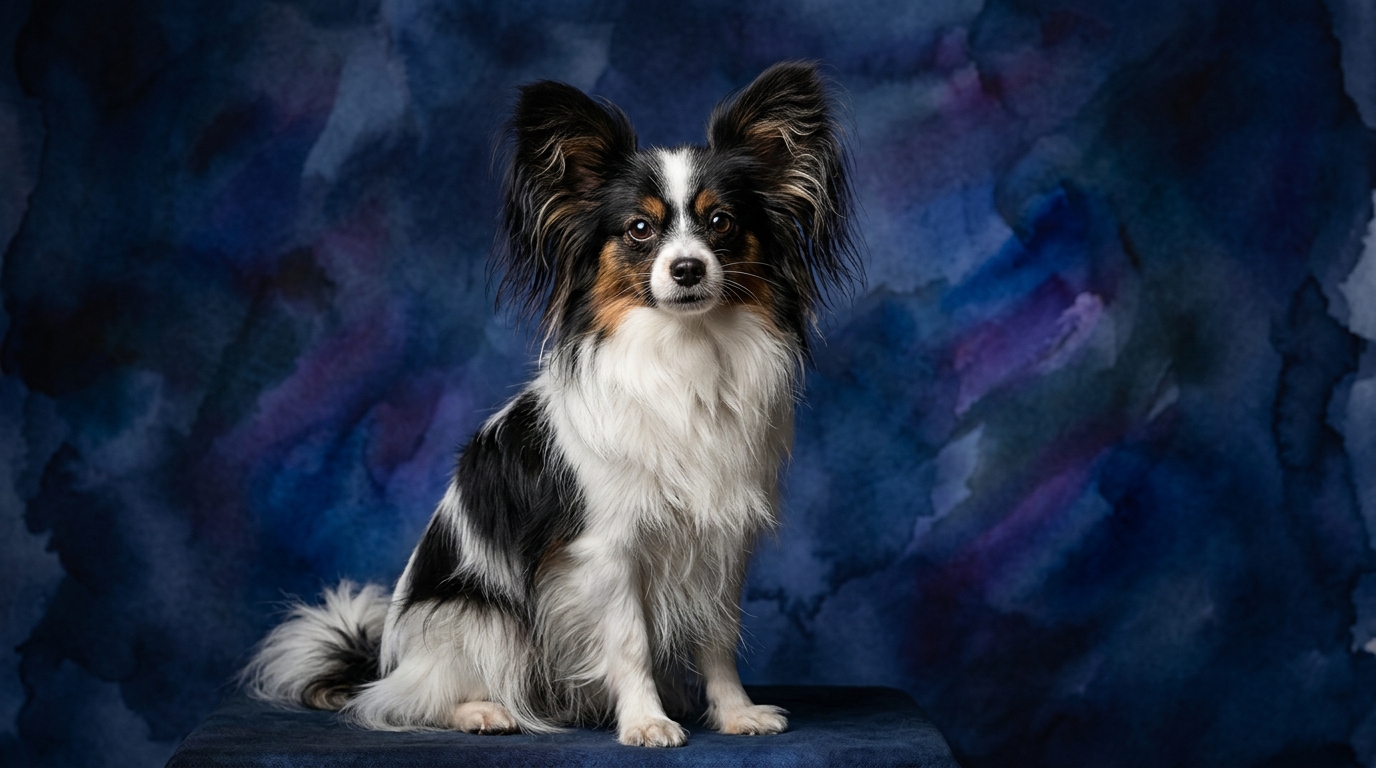
The Papillon, a breed often underestimated due to its delicate appearance, boasts an impressive Coren rank of #8. Its cognitive profile includes a perfect 5/5 in Problem Solving, indicating an exceptional capacity to decipher new challenges and adapt strategies quickly. Training Speed also hits a 5/5, suggesting these dogs grasp new commands and routines with remarkable rapidity. Social Intelligence scores a strong 4/5, reflecting their attunement to human emotions and social cues. Their Instinctive Drive is moderate at 3/5, meaning while they possess natural urges, these are typically manageable. Finally, their Memory is outstanding at 5/5, allowing them to retain vast amounts of information over time.
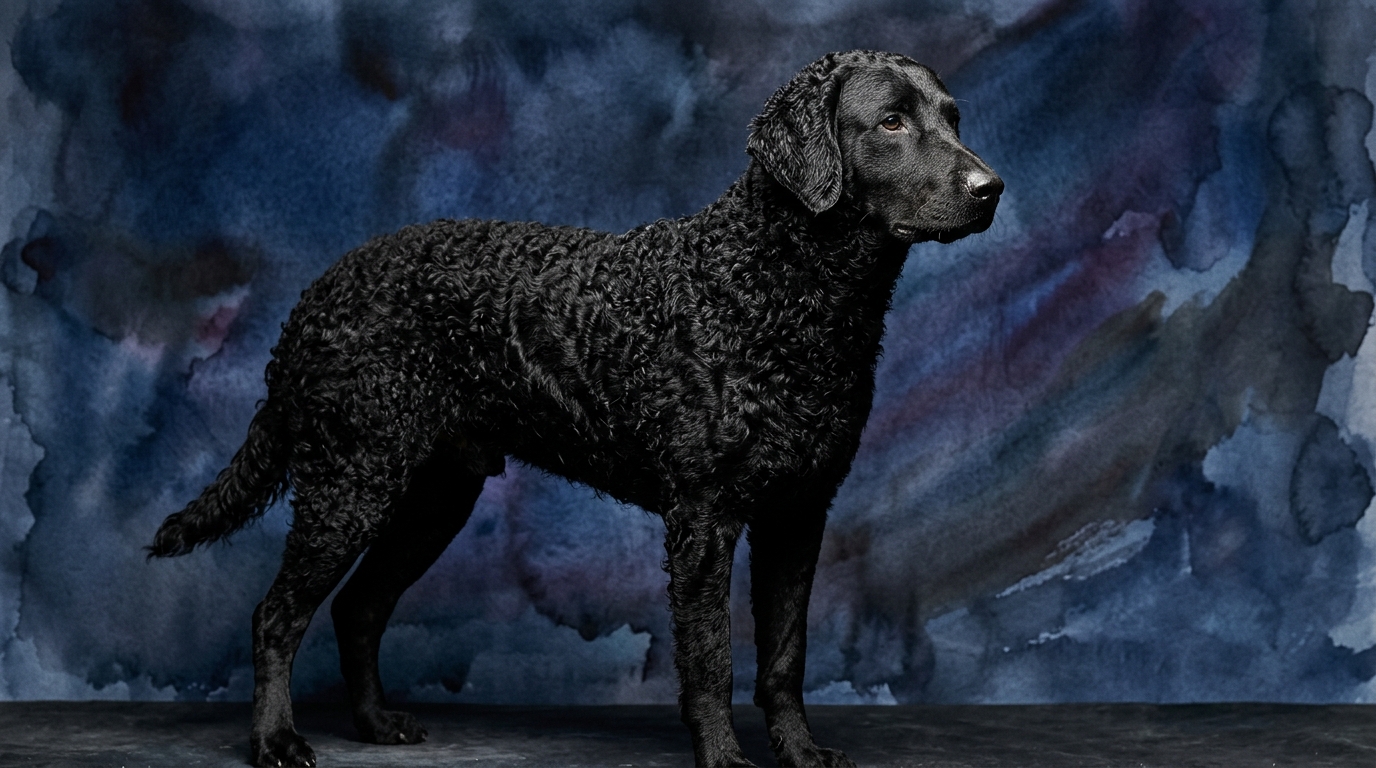
The Curly-Coated Retriever, a dignified sporting dog with a Coren rank of #41, presents a different cognitive blueprint. Its Problem Solving ability is rated 3/5, indicating a practical intelligence that shines in specific, task-oriented scenarios, though perhaps less in abstract puzzles. Training Speed also sits at 3/5, signifying a steady learning pace that requires consistency rather than instant comprehension. Social Intelligence mirrors this at 3/5, suggesting a more independent nature that understands basic human interaction but might not seek the same level of interpersonal nuance. Instinctive Drive is a balanced 3/5, primarily focused on their retrieving heritage. Their Memory is a solid 4/5, allowing them to recall learned tasks and experiences effectively, especially those relevant to their working roles.
Where the Papillon Wins Cognitively
The Papillon's cognitive strengths distinctly outshine the Curly-Coated Retriever in areas requiring abstract thought and rapid learning. With a 5/5 in Problem Solving, a Papillon will often figure out complex puzzle toys or how to open a cabinet with minimal guidance, demonstrating a keen observational ability and trial-and-error efficiency. Their mind actively seeks solutions, often to the delight (and occasional exasperation) of their owners.
Their perfect 5/5 in Training Speed means a Papillon can master a new command or trick in very few repetitions, often showing understanding after just one or two attempts. This makes them exceptional candidates for advanced obedience, agility, or trick training, where quickly chaining behaviors is key. Coupled with their 5/5 Memory, they not only learn fast but retain that knowledge for the long term, making refresher sessions often unnecessary even after extended breaks. A Papillon remembers complex sequences, specific object locations, and intricate routines with impressive accuracy, showcasing a mental agility that belies their small stature and places them among the most mentally nimble breeds.
Where the Curly-Coated Retriever Wins Cognitively
While the Papillon excels in rapid, abstract learning, the Curly-Coated Retriever's cognitive wins lie in areas demanding practical application, endurance, and a robust focus on specific tasks. Their 3/5 in Problem Solving, while not as high as the Papillon's, reflects an intelligence geared towards real-world challenges, particularly those involving their retrieving heritage. This means they are adept at navigating varied terrains to locate and retrieve objects, using their senses and physical capabilities in a coordinated manner.
The Curly's 3/5 in Training Speed, combined with their 3/5 Instinctive Drive, points to a dog that learns steadily and reliably when motivated by their natural inclinations, such as fetching or working alongside their handler. They might not pick up a new trick in minutes, but once a skill is ingrained, especially if it serves a purpose, it tends to be deeply embedded and executed with steadfast consistency. Their 4/5 Memory ensures that these practical, learned skills, vital for a working retriever, are not easily forgotten. This breed's cognitive strengths are less about flashy, quick-fire learning and more about dependable, purposeful intelligence applied with a quiet resolve and physical prowess.
Which is Easier to Train and Why
Based on their respective IQ profiles, the Papillon is unequivocally the easier breed to train. Their 5/5 Training Speed means they absorb new commands and behaviors almost instantly, often requiring only a handful of repetitions before demonstrating understanding. This rapid learning curve is bolstered by their 4/5 Social Intelligence, which makes them highly attuned to their owner's cues, intentions, and even subtle body language. They genuinely enjoy the process of learning and pleasing their human, making them highly responsive to positive reinforcement. This combination results in a dog that is not only quick to learn but also eager to engage in training sessions, making the experience rewarding and efficient for both dog and owner.
The Curly-Coated Retriever, with a 3/5 in Training Speed, requires a more patient and consistent approach. They are not 'difficult' but need clear, structured training with ample repetition to solidify new behaviors. Their 3/5 Social Intelligence means they might be more independent in their thought process, less driven by the sole desire to please and more by what makes sense to them or fulfills their inherent drives. When a Curly-Coated Retriever is learning, their focus can be strong, but distractions or perceived lack of purpose might slow progress. Owners need to make training engaging and relevant to the Curly's natural instincts, often incorporating retrieving or scent work to maintain motivation and harness their moderate 3/5 Instinctive Drive effectively. Their learning style is more about steady reinforcement and building trust over time than instant gratification.
Which Suits Active Owners vs. Relaxed Owners
For owners with a relaxed lifestyle, the Papillon often presents a more suitable companion, provided their mental stimulation needs are met. While physically small, their high cognitive scores mean they thrive on mental puzzles, interactive games, and short, frequent training sessions. A relaxed owner who enjoys engaging their dog's mind with trick training, puzzle toys, or even just teaching names for various objects will find the Papillon a delightful and fulfilling partner. Their physical exercise needs are moderate for a small dog, often satisfied with indoor play and daily walks, making them adaptable to apartment living if their minds are kept busy.
Active owners, particularly those who enjoy outdoor pursuits and structured activities, will find the Curly-Coated Retriever an excellent match. This breed is built for endurance and purpose, requiring significant physical exercise like long runs, swimming, hiking, or participation in dog sports such as field trials, agility, or dock diving. Their 3/5 Instinctive Drive, while moderate, is geared towards working activities, meaning they are happiest when given a job. A relaxed owner who cannot provide consistent outlets for their physical and mental energy might find a Curly-Coated Retriever prone to boredom and restlessness, potentially leading to destructive behaviors. They need an owner who can channel their robust energy and practical intelligence into meaningful activities, forming a strong, active partnership.
The Verdict
Choose the Papillon if you seek a highly adaptable, quick-witted canine companion who thrives on mental engagement, complex learning, and a close, responsive partnership.
Choose the Curly-Coated Retriever if you're an active owner desiring a robust, independent partner for outdoor adventures and structured, purposeful activities, valuing steadfastness and practical skill application.
🧠 Find Your Pet's IQ Score
Our Pet IQ Lab assessment covers 25+ tests across 5 cognitive dimensions — personalized to your breed.
Take the Full IQ Test →Frequently Asked Questions
Are Papillons prone to small dog syndrome?
While their size might lead some owners to coddle them, Papillons are quite confident and can develop behavioral issues if not properly socialized and trained. Their high intelligence means they respond well to consistent guidance, preventing any 'small dog syndrome' tendencies.
Do Curly-Coated Retrievers make good family pets?
Curly-Coated Retrievers can be excellent family pets, particularly for active families who understand their need for exercise and consistent training. They are typically loyal and protective of their family but may be reserved with strangers, requiring early socialization.
How do their grooming needs compare?
The Papillon's long, silky coat requires regular brushing to prevent tangles but is generally low-shedding. The Curly-Coated Retriever's unique, tight curls need specific care to maintain their texture and prevent matting, often requiring occasional trimming and thorough brushing, especially after outdoor adventures.