Side-by-Side IQ Profile: Papillon vs. Dachshund
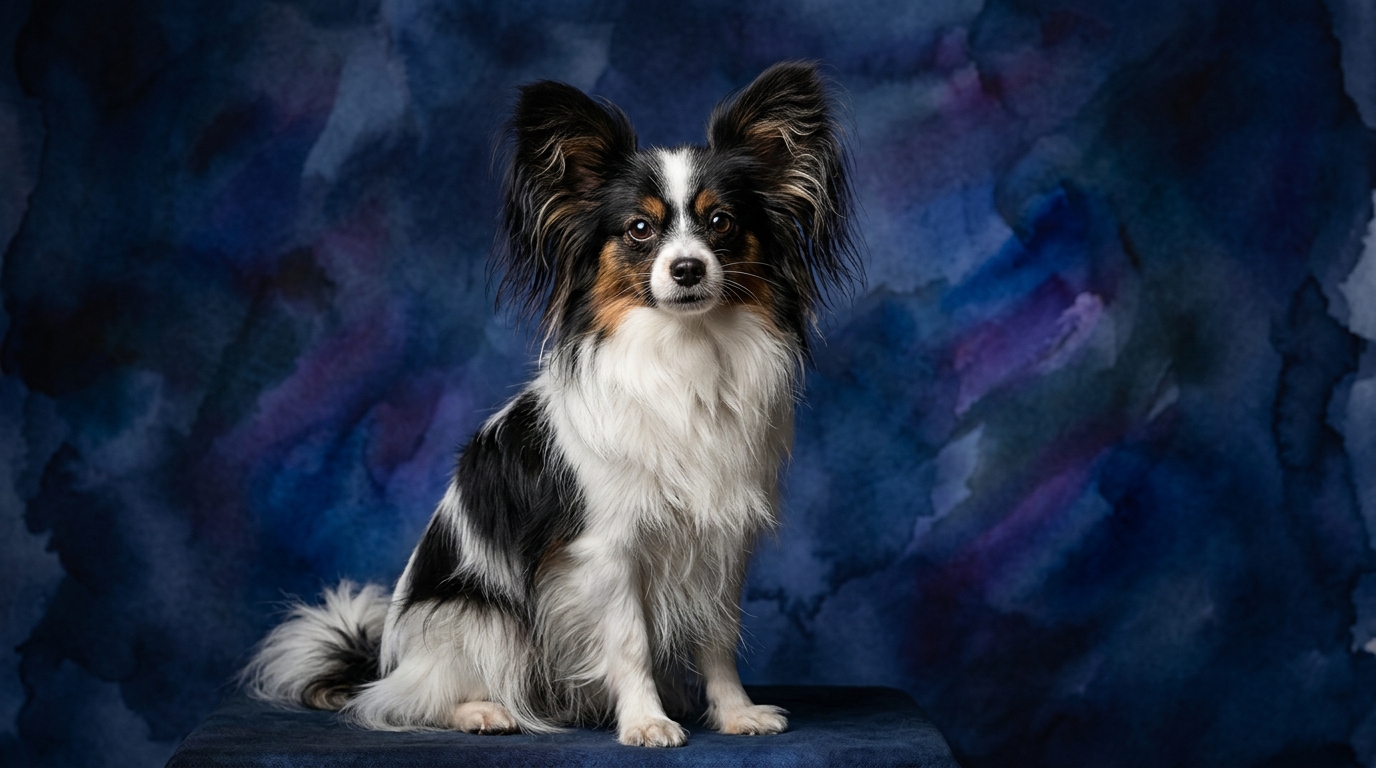
The Cosmic Pet Pet IQ Lab employs five key dimensions to evaluate canine cognition, providing a nuanced understanding beyond a single score. For the Papillon, ranked #8 on the Coren scale, their profile reveals a highly adaptable and receptive mind. They score 5/5 in Problem Solving, indicating an exceptional capacity to navigate novel situations and figure out solutions independently. Their Training Speed is also 5/5, suggesting they grasp new commands and routines with remarkable swiftness. Social Intelligence, at 4/5, shows they are adept at interpreting human cues and forming strong interpersonal bonds. Instinctive Drive, at 3/5, is present but not overwhelming, allowing them to focus on human interaction rather than being solely driven by primal urges. Finally, their Memory is a perfect 5/5, meaning they retain learned behaviors and experiences over long periods, making their training durable.
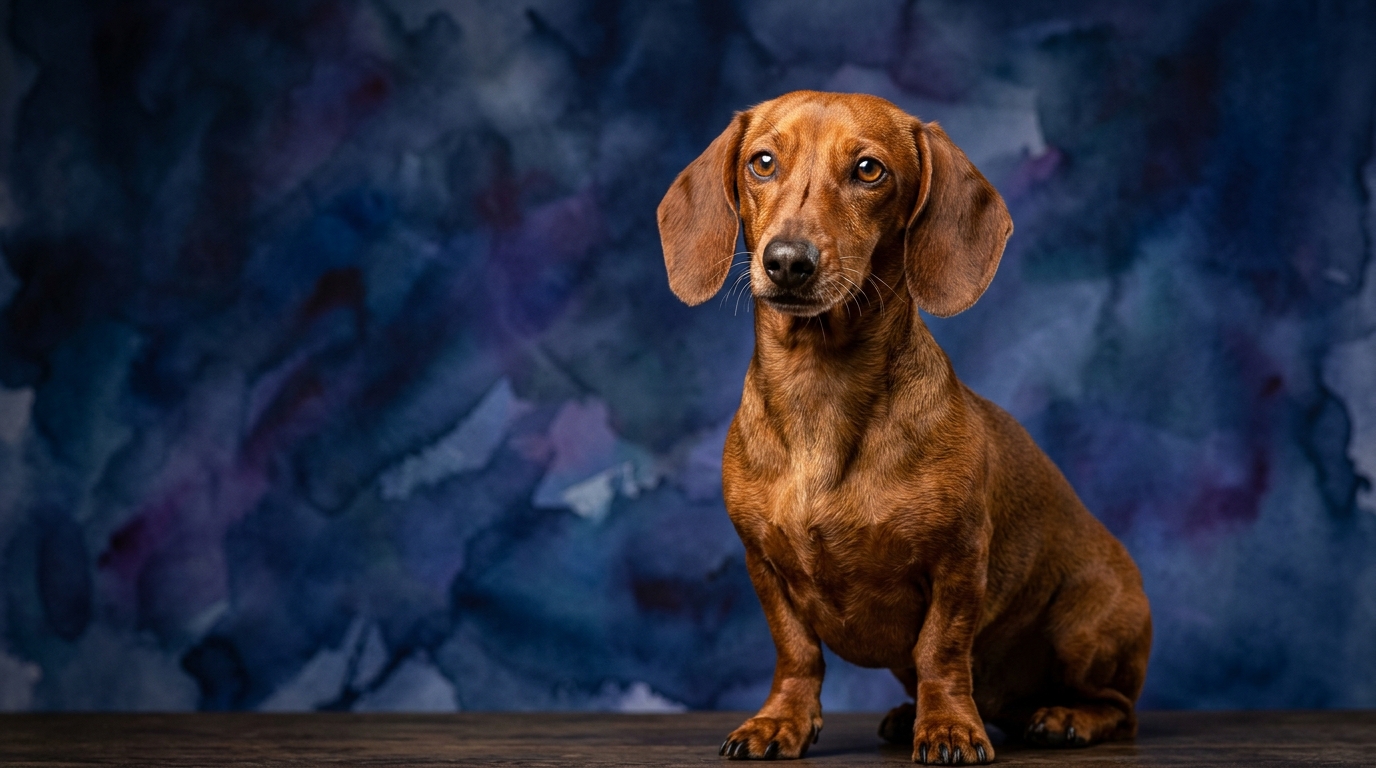
In contrast, the Dachshund, holding Coren rank #49, presents a cognitive profile shaped by centuries of independent hunting work. Their Problem Solving score of 4/5 indicates they are capable thinkers, particularly when motivated, but might approach challenges with more persistence than immediate insight. Training Speed is a modest 2/5, suggesting they require more repetition and patience to master new commands. Social Intelligence, at 3/5, means they connect with their human companions but might display a more independent streak. Where they truly excel is in Instinctive Drive, earning a 5/5. This reflects their powerful prey drive, keen sense of smell, and unwavering determination in pursuit. Their Memory, at 3/5, is functional but may not be as robust for complex sequences or long-term recall of arbitrary commands as seen in higher-scoring breeds.
Where the Papillon Wins Cognitively
The Papillon's cognitive strengths make them stand out in scenarios requiring rapid learning, intricate problem-solving, and precise execution. With a 5/5 in both Problem Solving and Memory, a Papillon can quickly learn complex multi-step tricks, such as retrieving specific objects by name or navigating elaborate agility courses with minimal guidance after initial training. Their capacity to remember long sequences of commands means an owner can teach them a broad repertoire of behaviors that stick. Furthermore, their high Social Intelligence (4/5) enables them to pick up on subtle changes in human tone or body language, making them exceptionally responsive and intuitive companions. They excel in activities like competitive obedience, freestyle dog dancing, or even serving as therapy dogs where understanding and reacting to human emotional states is paramount. A Papillon might, for instance, figure out how to open a child-proof latch on a cabinet by observing a human, demonstrating their observational learning and practical application of problem-solving skills.
Where the Dachshund Wins Cognitively
The Dachshund's cognitive triumphs are deeply rooted in their historical purpose: independent hunting. Their stellar 5/5 Instinctive Drive translates into a relentless focus and unwavering determination when engaged in scent work or tracking. While their Problem Solving is 4/5, it manifests uniquely; a Dachshund might not solve a puzzle box as quickly as a Papillon, but they will apply immense persistence and ingenuity to follow a scent trail through challenging terrain, overcoming obstacles with sheer willpower and a strong nose. This makes them superb at activities like tracking trials, barn hunt, or even urban scent work where they must discriminate specific odors amidst a myriad of distractions. Their lower Social Intelligence (3/5) means they are less reliant on constant human direction, giving them an edge in tasks requiring self-sufficiency. A Dachshund might independently spend hours meticulously investigating a fascinating scent in the yard, demonstrating a focused, self-directed cognitive effort that a Papillon, with its higher social drive, might interrupt to seek human interaction.
Which is Easier to Train and Why
When it comes to ease of training, the Papillon holds a distinct advantage. Their 5/5 Training Speed means they typically pick up new commands within a handful of repetitions, often eager to please and quick to offer behaviors that earn rewards. Coupled with their 5/5 Memory, once a Papillon learns something, it tends to be ingrained, requiring less frequent refreshers. Their relatively lower Instinctive Drive (3/5) means they are less likely to be distracted by environmental stimuli like scents or passing squirrels, allowing for more focused training sessions. They thrive on positive reinforcement and mental stimulation, making training a joyful, collaborative experience. For example, teaching a Papillon a complex sequence of tricks for a performance can be achieved relatively quickly due to their cognitive agility and retention.
The Dachshund, with a Training Speed of 2/5 and a potent Instinctive Drive of 5/5, presents a more challenging training experience. Their drive to follow a scent or pursue a perceived prey item can easily override any human command, making consistent recall or focus difficult in distracting environments. They require more patience, consistency, and motivation to learn new behaviors, often needing many more repetitions before a command is reliably understood. Their independent nature, a hallmark of their hunting heritage, means they may question the necessity of a command if it doesn't align with their immediate instincts. Training a Dachshund demands an owner who understands their breed's inherent motivations and can creatively channel their strong drive into desired behaviors, perhaps by incorporating scent games into obedience work to keep them engaged.
Which Suits Active Owners vs. Relaxed Owners
The Papillon is an excellent fit for owners who enjoy an active, mentally stimulating lifestyle. Their high Problem Solving and Memory scores make them ideal partners for dog sports like agility, rally obedience, or even flyball, where quick thinking and precise execution are vital. They thrive on learning new things and appreciate owners who can provide consistent mental enrichment through puzzle toys, trick training, and interactive play. While small, their energy levels are surprisingly robust, and they enjoy brisk walks and opportunities to explore. They are also highly social, so owners who are home frequently or can take their dog along on errands will find a Papillon thrives on that constant companionship and interaction. They are not content to be mere lap warmers; their minds need engagement.
The Dachshund, while possessing a strong drive, can suit a range of owners, but perhaps leans more towards those who appreciate their independent spirit and can channel their specific type of activity. Their 5/5 Instinctive Drive means they need outlets for their scenting and digging behaviors, making them suitable for owners who enjoy structured walks where sniffing is encouraged, or who can provide access to a secure yard for supervised digging. They are not necessarily high-endurance athletes in the same way a Papillon might be for agility, but they need focused mental work through scent games or tracking. For more relaxed owners, a Dachshund can be content with moderate daily exercise and plenty of cuddle time, but it's crucial to acknowledge and manage their inherent drives to prevent boredom-induced behaviors. They can be very affectionate companions, but their independence means they won't always be seeking constant direction.
The Verdict
Choose a Papillon if you seek a highly trainable, responsive companion eager to learn complex behaviors and participate in interactive mental challenges. They excel with owners who enjoy consistent engagement and appreciate a dog that is always 'on' for a new trick or puzzle.
Choose a Dachshund if you appreciate an independent spirit, are prepared for a more persistent training journey, and can provide outlets for their powerful scenting and hunting instincts. They thrive with owners who understand their unique drive and can channel it into fulfilling, breed-appropriate activities.
🧠 Find Your Pet's IQ Score
Our Pet IQ Lab assessment covers 25+ tests across 5 cognitive dimensions — personalized to your breed.
Take the Full IQ Test →Frequently Asked Questions
Are Papillons good family dogs?
Yes, Papillons can be wonderful family dogs, especially with older children who understand how to interact gently with a small breed. Their high social intelligence and eagerness to please make them adaptable and affectionate companions for a respectful household.
Do Dachshunds bark a lot?
Dachshunds can be prone to barking, particularly due to their strong instinctive drive and use of vocalization in hunting. This trait means they can be effective watchdogs, but early training and consistent management are essential to prevent excessive barking.
Which breed is better for apartment living?
Both breeds can adapt to apartment living with proper exercise and mental stimulation. Papillons, being smaller and often more content with indoor mental games, might be slightly easier, while Dachshunds will need consistent outdoor opportunities to satisfy their scenting and exploring drives.