Side-by-Side IQ Profile
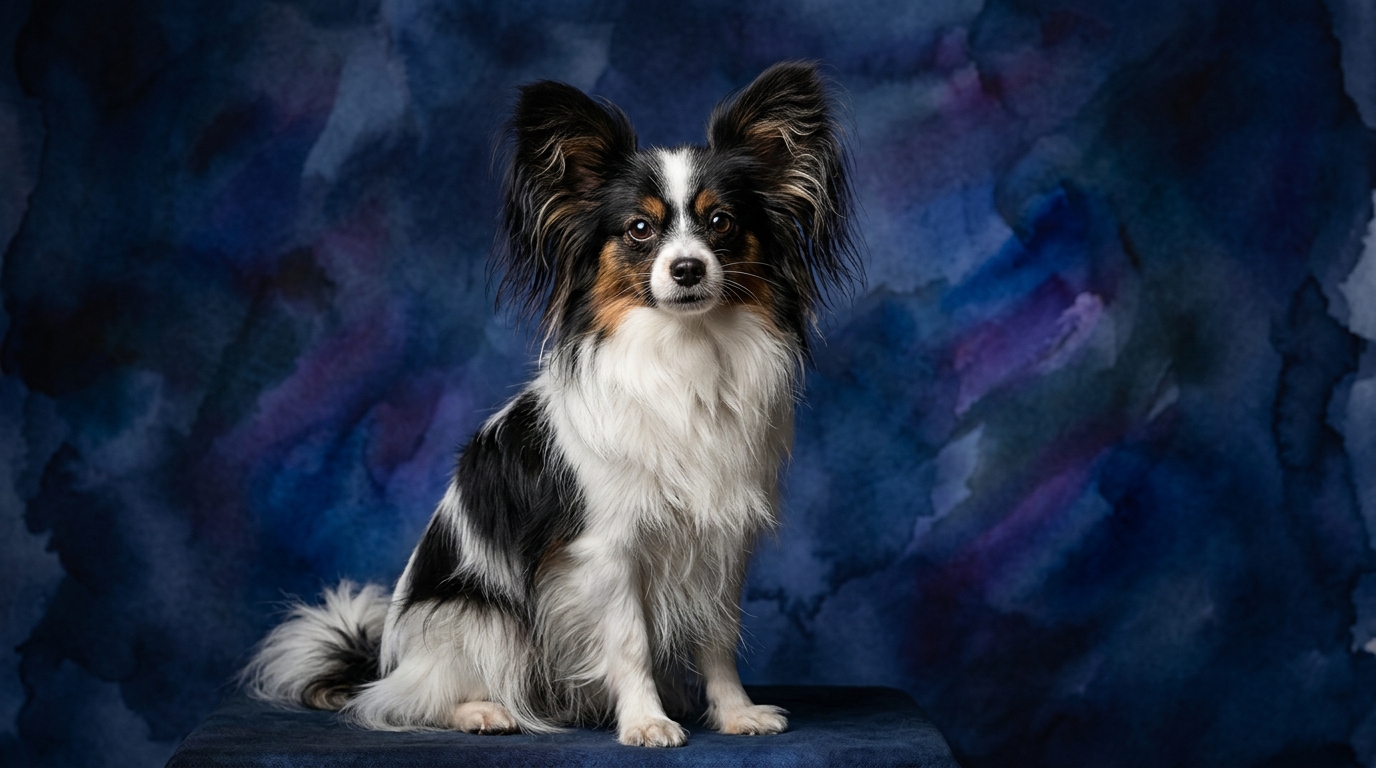
The Cosmic Pet Pet IQ Lab employs a five-dimensional framework to assess canine cognition, offering a nuanced view of each breed's mental landscape. For the Papillon, we observe a profile indicative of a sharp, adaptable mind.
Papillon's Cognitive Strengths:
Problem Solving (5/5): The Papillon demonstrates exceptional aptitude for navigating complex situations, quickly grasping cause-and-effect relationships. This manifests in their ability to figure out puzzle toys, open latches, or devise clever ways to retrieve a desired item, often surprising owners with their ingenuity. Their cognitive flexibility allows them to adapt strategies when initial attempts fail, making them adept at novel challenges.
Training Speed (5/5): With a remarkable capacity for rapid learning, Papillons absorb new commands and routines with impressive efficiency. They often require fewer repetitions than many other breeds to solidify a behavior, eager to engage with their handlers and understand expectations. This quick uptake makes them stars in obedience and trick training, able to string together complex sequences of actions.
Social Intelligence (4/5): Papillons exhibit a keen awareness of human emotions and social cues, often adjusting their behavior to match the mood of their family members. They form strong bonds and are responsive to subtle gestures and vocal inflections, demonstrating an understanding of their place within the family unit. While generally perceptive, their focus on human interaction can sometimes make them less inclined to interpret complex inter-dog social dynamics as readily as some herding breeds.
Instinctive Drive (3/5): While originating as companion dogs, Papillons retain some foundational canine instincts, particularly a moderate prey drive for small, fast-moving objects. They possess a natural curiosity and desire to explore their immediate environment, but this drive is generally channeled into playful pursuits rather than strong independent hunting or working behaviors. Their attention is primarily directed towards their human companions.
Memory (5/5): This breed possesses an excellent memory, not just for commands but also for people, places, and routines. They recall past experiences vividly, allowing them to anticipate events and remember previously learned solutions to problems. This strong recall contributes significantly to their rapid training speed and their consistent performance of learned behaviors over time.
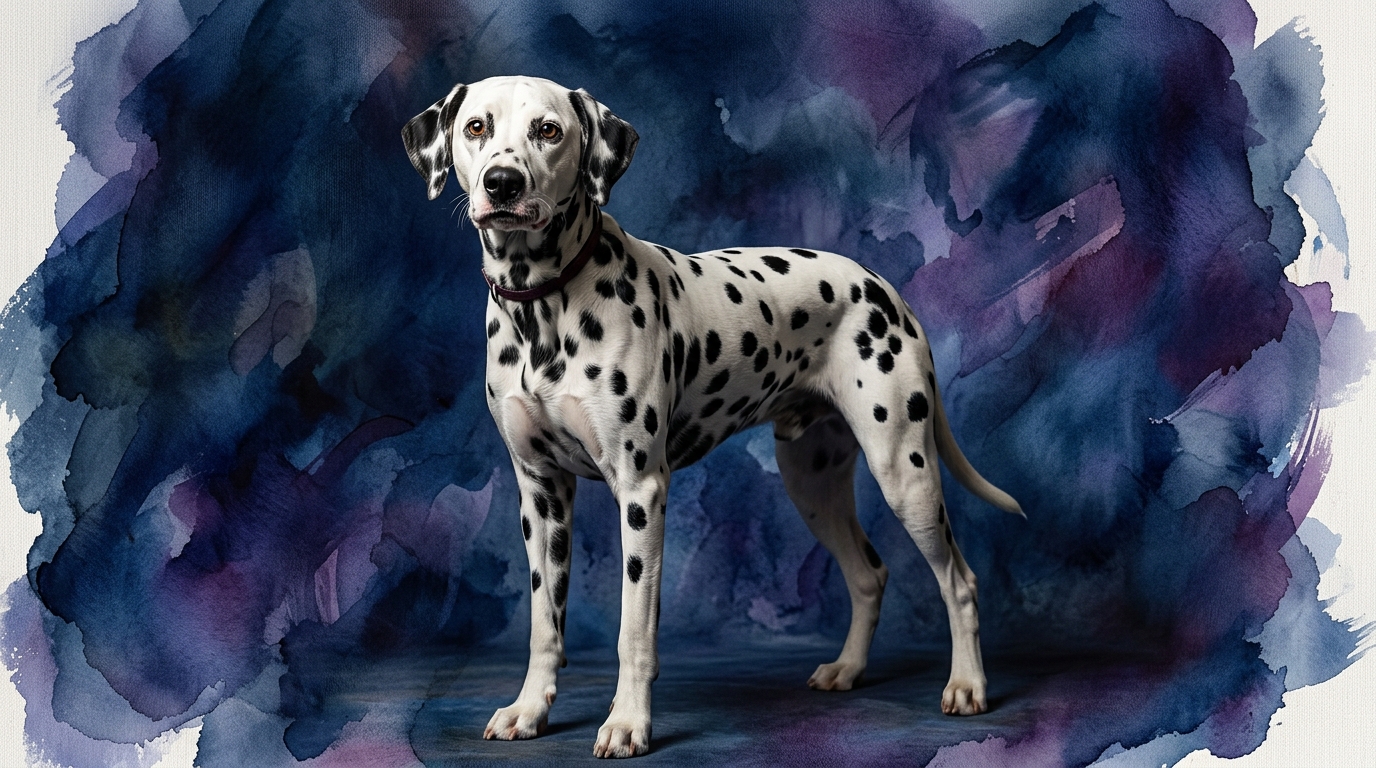
In contrast, the Dalmatian presents a different set of cognitive strengths, reflecting its distinct historical purpose.
Dalmatian's Cognitive Strengths:
Problem Solving (3/5): Dalmatians approach problem-solving with a more direct, often physically oriented strategy. While capable of figuring things out, they may rely more on persistence and trial-and-error than intricate cognitive mapping. They can learn to open gates or retrieve items, but their method might be less about abstract reasoning and more about applying learned physical actions, sometimes requiring more guidance to find efficient solutions.
Training Speed (3/5): Dalmatians learn at a moderate pace, requiring consistent and clear instruction to internalize new commands. They are attentive and willing to work but benefit from shorter, engaging training sessions that prevent boredom. Repetition is a valuable tool in their training, helping to solidify behaviors over time, and a strong motivator is often key to maintaining their focus.
Social Intelligence (4/5): Similar to Papillons, Dalmatians display a good understanding of social dynamics within their human families, recognizing moods and responding to cues. They are loyal and form close attachments, often seeking to be involved in family activities. Their social perception extends to recognizing familiar faces and routines, contributing to their role as companion animals, though they can be reserved with strangers.
Instinctive Drive (4/5): The Dalmatian's history as a coach dog, running alongside carriages, has instilled a strong instinctive drive for endurance, patrolling, and focused attention on a task. This manifests as a desire for structured activity, a keen awareness of their surroundings, and a moderate prey drive. They possess a natural inclination to move and explore, often exhibiting a vigilant nature and a need for purpose-driven engagement.
Memory (4/5): Dalmatians have a good memory for commands, people, and routines, which supports their ability to perform learned tasks consistently. They recall past training and experiences effectively, contributing to their reliability once a behavior is well-established. While not as instantaneously retentive as a Papillon, their memory serves them well for practical application over time.
Where Papillon Wins Cognitively
The Papillon's cognitive profile reveals a clear advantage in areas demanding abstract thought and rapid processing. Their perfect 5/5 scores in Problem Solving, Training Speed, and Memory underscore their exceptional capacity for learning complex tasks and retaining information. A Papillon can quickly analyze a new puzzle, devise an innovative solution, and remember that solution for future challenges, often requiring minimal repetition. This makes them adept at intricate trick training, agility courses, and even advanced obedience, where quick thinking and precise execution are paramount. Their mental agility allows them to adapt to varied learning environments and pick up subtle cues that might be missed by other breeds, making them highly responsive and versatile learners in diverse scenarios.
Where Dalmatian Wins Cognitively
The Dalmatian's primary cognitive strength lies in its robust Instinctive Drive, rated 4/5. This drive is rooted in their historical role as coach dogs, requiring stamina, focus, and an awareness of their environment. While not a "thinking" win in the same vein as problem-solving, this strong drive translates into an inherent motivation for sustained activity and a purpose-driven mindset. They excel in tasks requiring endurance, vigilance, and consistent application of physical effort, such as long-distance running or structured patrolling. This deep-seated drive means Dalmatians are often self-starters when it comes to physical activities, possessing an internal motor that propels them forward, making them excellent partners for active pursuits and demanding a constructive outlet for their inherent energy.
Which is Easier to Train and Why
Based on their respective IQ profiles, the Papillon is generally easier to train due to its superior Training Speed (5/5) and Problem Solving (5/5) abilities. Papillons quickly grasp new concepts and commands, often needing only a few repetitions to understand what is expected. Their eagerness to please and their capacity for mental engagement mean they actively participate in the learning process, making training sessions efficient and enjoyable. They often anticipate cues and are quick to offer behaviors, making them a handler's dream for precision work. In contrast, the Dalmatian, with a Training Speed of 3/5 and Problem Solving of 3/5, requires more consistent repetition and patience. While capable learners, Dalmatians can sometimes be perceived as more independent or easily distracted without consistent motivation, necessitating a more structured and engaging approach to keep them focused. Their training benefits from clear, concise instructions and often a strong, positive reinforcement system to maintain their interest, as they respond best to methods that acknowledge their spirited nature.
Which Suits Active Owners vs. Relaxed Owners
The choice between a Papillon and a Dalmatian significantly depends on an owner's lifestyle and energy levels. Papillons, while small, possess a surprising amount of energy and a keen desire for mental stimulation. Their high Problem Solving and Memory scores mean they thrive with owners who can provide consistent mental challenges through training, puzzle toys, and interactive games. They can adapt to more relaxed indoor living if their mental needs are met, but they still benefit from daily walks and opportunities to explore, enjoying varied environments. Dalmatians, with their strong Instinctive Drive (4/5) and historical role, are unequivocally suited for active owners. They require significant physical exercise to be content, thriving on long runs, hikes, or structured activities like canicross or agility, often needing a daily outlet for their substantial energy reserves. A relaxed owner who cannot commit to substantial daily activity might find a Dalmatian's energy overwhelming, potentially leading to restless or destructive behaviors born from unfulfilled physical and mental needs, highlighting the importance of matching breed energy to lifestyle.
The Verdict
Choose the Papillon if you seek a highly trainable companion eager to engage in complex mental challenges and quick to learn new behaviors, fitting well into a home that values consistent mental enrichment over intense physical demands.
Opt for the Dalmatian if you are an active owner prepared to provide substantial daily exercise and appreciate a physically driven companion with a strong sense of purpose and a need for structured activity.
🧠 Find Your Pet's IQ Score
Our Pet IQ Lab assessment covers 25+ tests across 5 cognitive dimensions — personalized to your breed.
Take the Full IQ Test →Frequently Asked Questions
Do Papillons require a lot of mental stimulation?
Yes, Papillons, with their high Problem Solving and Memory scores, thrive on mental challenges. They benefit immensely from puzzle toys, trick training, and consistent engagement to keep their active minds occupied and prevent boredom.
Are Dalmatians difficult to train due to their independence?
Dalmatians are not inherently difficult, but their moderate Training Speed and Problem Solving, combined with a strong Instinctive Drive, mean they benefit from consistent, positive reinforcement training. Their independence necessitates clear boundaries and engaging methods to maintain focus.
Can a Papillon keep up with an active owner's lifestyle?
While smaller, Papillons possess good stamina for their size and enjoy walks and interactive play. However, they are not built for endurance activities like long-distance running or intense hiking, which a Dalmatian would excel at. Their activity is more about bursts of play and mental engagement.