Side-by-Side IQ Profile: Brains in Detail
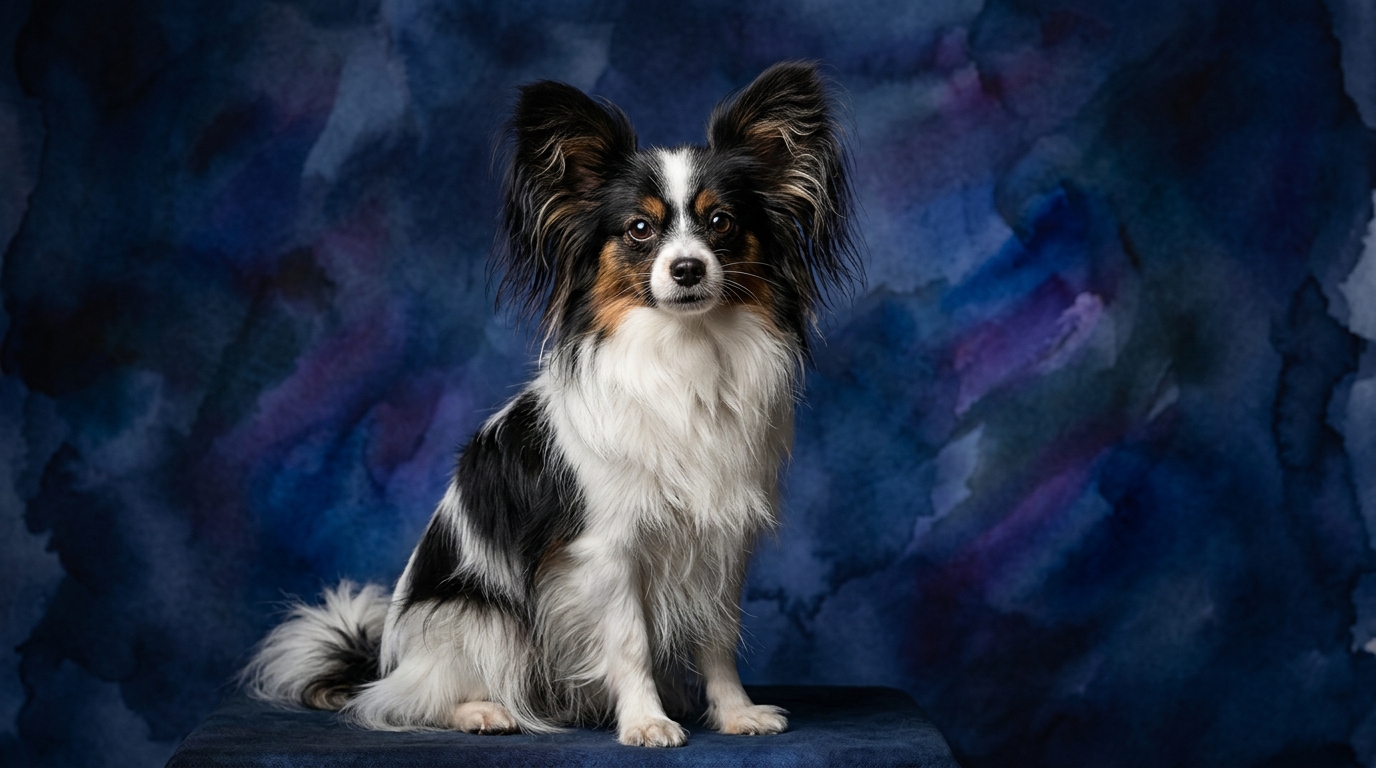
The Cosmic Pet Pet IQ Lab assesses canine cognition across five key dimensions, providing a granular view of each breed's mental landscape. For the Papillon, a breed often recognized for its mental agility, the profile paints a picture of a quick learner and adaptable thinker. They score an exceptional 5/5 in Problem Solving, indicating a strong capacity to navigate novel situations and figure things out independently. Their Training Speed also reaches a perfect 5/5, suggesting they grasp new commands and routines with remarkable ease. Social Intelligence registers at 4/5, reflecting their ability to read and respond to human cues, while their Instinctive Drive is a moderate 3/5, meaning their natural predispositions are present but not overwhelming. Finally, their Memory is outstanding at 5/5, allowing them to retain learned information and experiences over time. This cognitive makeup aligns with their Coren ranking of #8, placing them among breeds that excel in working and obedience intelligence.
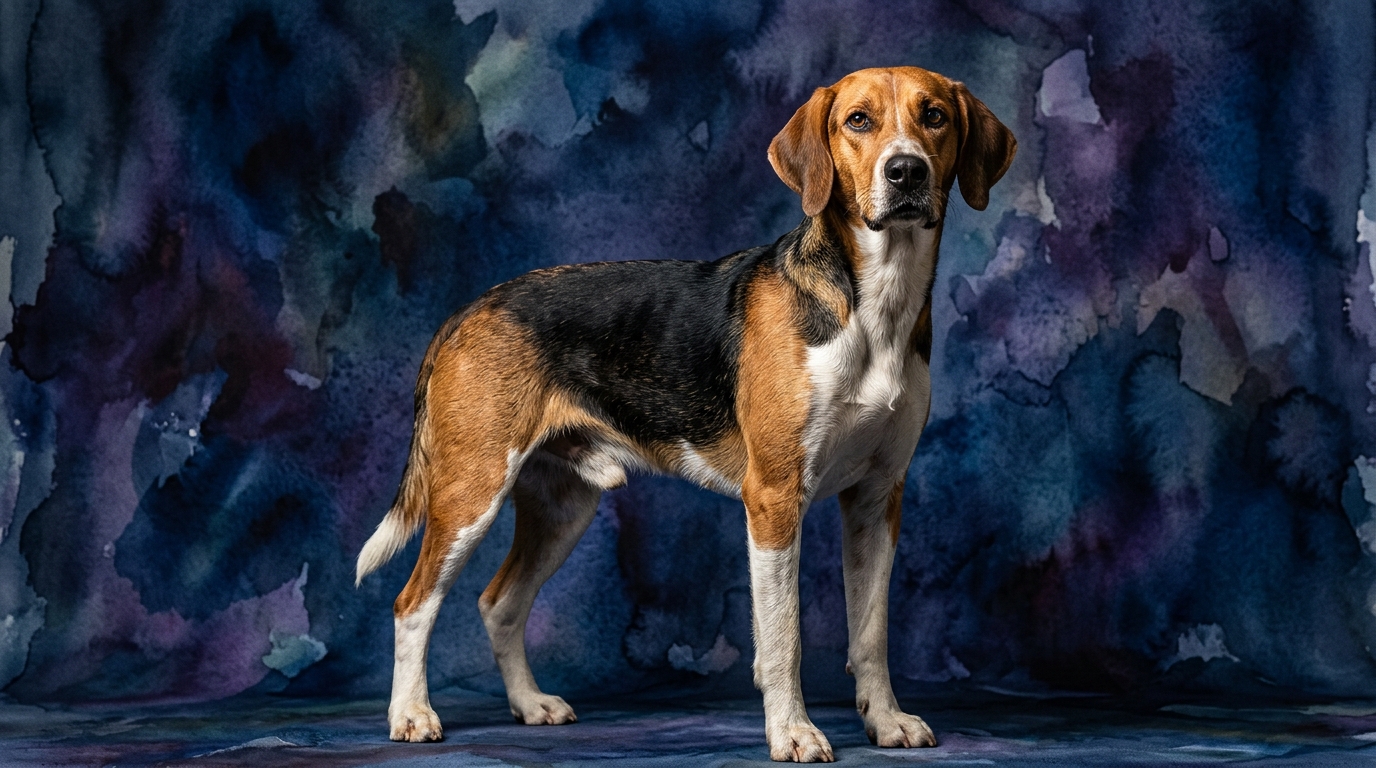
In contrast, the English Foxhound presents a profile more specialized for its historical purpose, and they are not included in Stanley Coren's ranking, indicating a different set of cognitive priorities. Their Problem Solving is rated 3/5, suggesting a functional capacity for navigating challenges, though perhaps not with the same innovative flair as the Papillon. Training Speed is also 3/5, meaning they are capable of learning but might require more repetition or specialized motivation than quicker learners. Social Intelligence stands at 3/5, indicating they can interact appropriately but might not always be seeking complex social engagement with humans beyond their working relationship. Their Instinctive Drive, crucial for their hunting heritage, is 3/5, signifying a consistent, purposeful drive to pursue scents. Their Memory, at 3/5, is sufficient for retaining critical information related to their tasks but might not encompass the broad recall seen in other breeds. This profile highlights a breed whose cognitive strengths are deeply intertwined with their ancestral role as a scent hound.
Comparing these dimensions, the Papillon consistently shows higher scores across most general cognitive abilities, reflecting a breed that thrives on mental engagement and human interaction. The English Foxhound's scores, while lower in these general categories, are not indicative of a lack of intelligence but rather a different kind of intelligence, one focused and refined by centuries of selective breeding for a specific task.
Where Papillon Wins Cognitively
The Papillon undeniably shines in areas requiring abstract thought and rapid assimilation of new information. Their 5/5 Problem Solving score means they are adept at figuring out puzzles, navigating complex environments, and even manipulating objects to achieve a goal. This isn't just about obedience; it's about genuine understanding and adaptation. They can quickly assess a situation and devise a strategy, whether it’s to open a cabinet or solve a new trick.
Their perfect 5/5 in Training Speed is a direct result of their keen observational skills and desire to engage with their human companions. Papillons often pick up new commands after only a few repetitions, making them highly receptive to advanced obedience, agility, or even complex trick training. This rapid learning curve extends beyond formal training into daily routines, where they quickly learn household rules and expectations.
Furthermore, the Papillon's 5/5 Memory contributes significantly to their overall cognitive advantage. They remember commands, people, places, and past experiences with remarkable clarity. This strong recall allows them to build upon previous lessons and interactions, making their learning cumulative and their understanding of their world richly detailed. This memory, combined with their problem-solving, allows for sophisticated learning and long-term retention of complex sequences.
Where English Foxhound Wins Cognitively
While their general cognitive scores might appear modest compared to the Papillon, the English Foxhound possesses a specialized form of intelligence that is unparalleled in its specific domain. Their 3/5 Instinctive Drive is not a weakness but a finely tuned strength for their original purpose: tracking prey. This drive manifests as an unwavering focus and endurance when following a scent trail, a cognitive feat requiring sustained concentration and complex sensory processing.
The English Foxhound's Problem Solving, at 3/5, is geared towards the practical challenges of the hunt. This involves deciphering complex scent patterns, navigating varied terrain while maintaining a trail, and making decisions based on subtle environmental cues. Their intelligence isn't about solving abstract puzzles, but about applying their senses and physical capabilities to a singular, demanding task with remarkable efficacy and persistence. They excel at 'reading' the environment through scent.
Their Memory, at 3/5, is entirely adequate for retaining crucial information related to their work. They remember specific scent profiles, the layout of hunting grounds, and the movements of game, all essential for successful tracking. This memory is functional and task-oriented, ensuring they can recall and apply past experiences to future hunts, demonstrating a form of procedural memory that is critical to their specialized role.
Which is Easier to Train and Why
When it comes to ease of training, the Papillon holds a distinct advantage, primarily due to their exceptional Training Speed (5/5) and high Social Intelligence (4/5). Papillons are typically eager to please their owners and thrive on interaction, making them highly motivated students. They quickly associate commands with actions and rewards, responding well to positive reinforcement and consistency. Their strong memory means lessons stick, and their problem-solving ability allows them to generalize learned behaviors to new contexts with ease. They are attentive and focused on their human partners, making communication straightforward.
The English Foxhound, with a Training Speed of 3/5 and Social Intelligence of 3/5, presents a different training challenge. Their strong Instinctive Drive (3/5) for scent work means they can be easily distracted by compelling smells in the environment, often prioritizing a fascinating trail over human commands. This independent, task-oriented nature requires a trainer to be patient, consistent, and creative in making training more engaging than the allure of the outdoors. While they are capable of learning, their motivation often lies in their nose, not necessarily in pleasing a human. Training requires understanding their unique motivations and working with their drive rather than against it; for example, incorporating scent work into their training can be highly effective.
Therefore, for general obedience and trick training, the Papillon is significantly easier to work with, offering a more responsive and gratifying experience for the average owner. The English Foxhound, while trainable, demands an owner who understands hound mentality, possesses great patience, and is prepared to manage or channel their powerful natural instincts effectively.
Which Suits Active Owners vs. Relaxed Owners
The Papillon, despite its small size, is a surprisingly adaptable companion that can suit both active and moderately relaxed owners, provided their mental stimulation needs are met. While they enjoy walks and playtime, their primary requirement is mental engagement. An active owner might find them excelling in dog sports like agility or rally obedience, where their problem-solving and training speed are put to good use. A more relaxed owner can still keep a Papillon content with daily puzzle toys, regular training sessions, and interactive games that challenge their mind. Their moderate instinctive drive means they are generally content to be indoors once their needs are met, making them flexible.
The English Foxhound, however, is unequivocally suited for active owners who embrace an outdoor lifestyle and understand the demands of a working breed. Their 3/5 Instinctive Drive for scent work means they possess a significant need for physical exercise and mental engagement related to their natural abilities. They thrive on long, vigorous walks, runs, or hikes, ideally in environments where they can engage their powerful nose safely. A relaxed owner who cannot provide consistent, substantial outdoor activity and mental stimulation (such as scent games or tracking) would likely find a Foxhound to be a challenging companion, potentially leading to boredom-induced behaviors. They require an owner who is prepared to commit to their substantial exercise regimen.
In essence, if your lifestyle leans towards varied activities and mental games with moderate physical output, the Papillon is a fitting choice. If you are an avid outdoors enthusiast, enjoy long excursions, and are prepared to channel a strong, independent hunting drive, the English Foxhound will be a more compatible partner.
The Verdict
Choose the Papillon if you seek a highly trainable, mentally agile companion eager to learn tricks, excel in dog sports, and thrive on interactive engagement, fitting well into various lifestyles with sufficient mental stimulation.
Opt for the English Foxhound if you are an active, outdoors-oriented individual prepared to dedicate time to robust exercise and specialized training that channels their powerful scent drive and independent nature.
🧠 Find Your Pet's IQ Score
Our Pet IQ Lab assessment covers 25+ tests across 5 cognitive dimensions — personalized to your breed.
Take the Full IQ Test →Frequently Asked Questions
Are Papillons good for first-time dog owners?
Yes, Papillons can be excellent for first-time owners due to their high training speed and desire to please. Their small size and adaptability make them manageable, though their need for mental stimulation means owners should be prepared for regular engagement.
Do English Foxhounds make good family pets?
English Foxhounds can be good family pets for active families who understand their significant exercise and training requirements. They are generally good-natured but require consistent outdoor activity and may not be suited for sedentary households.
Which breed is better for agility sports?
The Papillon is generally better suited for agility sports due to their exceptional problem-solving, training speed, and natural agility. Their eagerness to learn and strong memory make them quick to master complex courses, often excelling in competitive settings.